
من النموذج الأولي المطبوع بتقنية الطباعة ثلاثية الأبعاد إلى الصندوق النهائي للإنتاج: ما الذي يجب على مصنعي المعدات الأصلية (OEM) أن يحددوه مع الشركة المصنعة للصناديق الكهربائية
المحتويات ▴
A 3D-printed junction box can be completely reasonable during machine development. It allows an engineering team to validate component fit, cable routing, connector position and mounting geometry before the design is frozen.
The problem starts when a successful prototype is treated as a finished production specification. At that stage, the enclosure is no longer only a geometric part. It becomes part of the electrical assembly, the machine BOM and the repeat-order process.
For an OEM, the real question is therefore not whether a 3D-printed box “works.” It is whether the requirements that matter in production have been converted into a controlled enclosure specification before handing the project to an electrical enclosure manufacturer.
A Printed Prototype Usually Proves Geometry, Not the Final Enclosure Specification
In a prototype, success often means that the terminals fit, the cables can be routed and the cover closes. That is useful information, but it is not enough to release the enclosure for repeat production.
Before moving beyond the prototype, the engineering team should separate what has actually been validated from what still needs to be specified.
- usable internal space;
- material requirement;
- cable-entry method;
- mechanical cable retention;
- required ingress protection;
- impact resistance;
- opening tolerances;
- repeat-order dimensional consistency.
This distinction matters because two enclosures can have almost identical outside dimensions while behaving very differently once cable glands, terminals and repeated assembly are introduced.
Cable Entry Is Often the First Production Detail a Prototype Exposes
One of the most useful points raised in the 3D-printed junction box discussion was not about the printed shell itself. It was about cable retention.
In production equipment, a cable entry should not be treated as a hole that happens to match the cable diameter. The entry needs to be coordinated with the gland or retention method so that external pulling force is not transferred directly to the terminal or splice inside the enclosure.
This is also where many OEM projects discover that they do not actually need a completely custom enclosure. What they need is a standard enclosure body with controlled cable-entry machining.
That is an important distinction for custom electrical enclosures: customize the interface where the machine requires it, rather than redesigning the whole box without a clear engineering reason.
Internal Space Should Be Rechecked After the Cable Hardware Is Defined
A prototype enclosure can look spacious until the production cable glands, terminals and conductor bends are added.
For this reason, internal volume should be reviewed after the entry hardware is known, not before. The critical dimensions are often the space behind the gland, the bend path into the terminal and the access required for installation or later service.
If an enclosure only works because the wires must be forced into position before the cover closes, the design is not ready to be standardized.
IP Protection Should Be Defined After the Openings Are Defined
Another recurring mistake is to treat enclosure protection as a property of the plastic body alone.
For an OEM project requiring IP66 or IP67, the practical configuration includes the cover joint, sealing structure, closure method, cable glands and any additional machining. Custom openings therefore need to be reviewed as part of the finished enclosure arrangement.
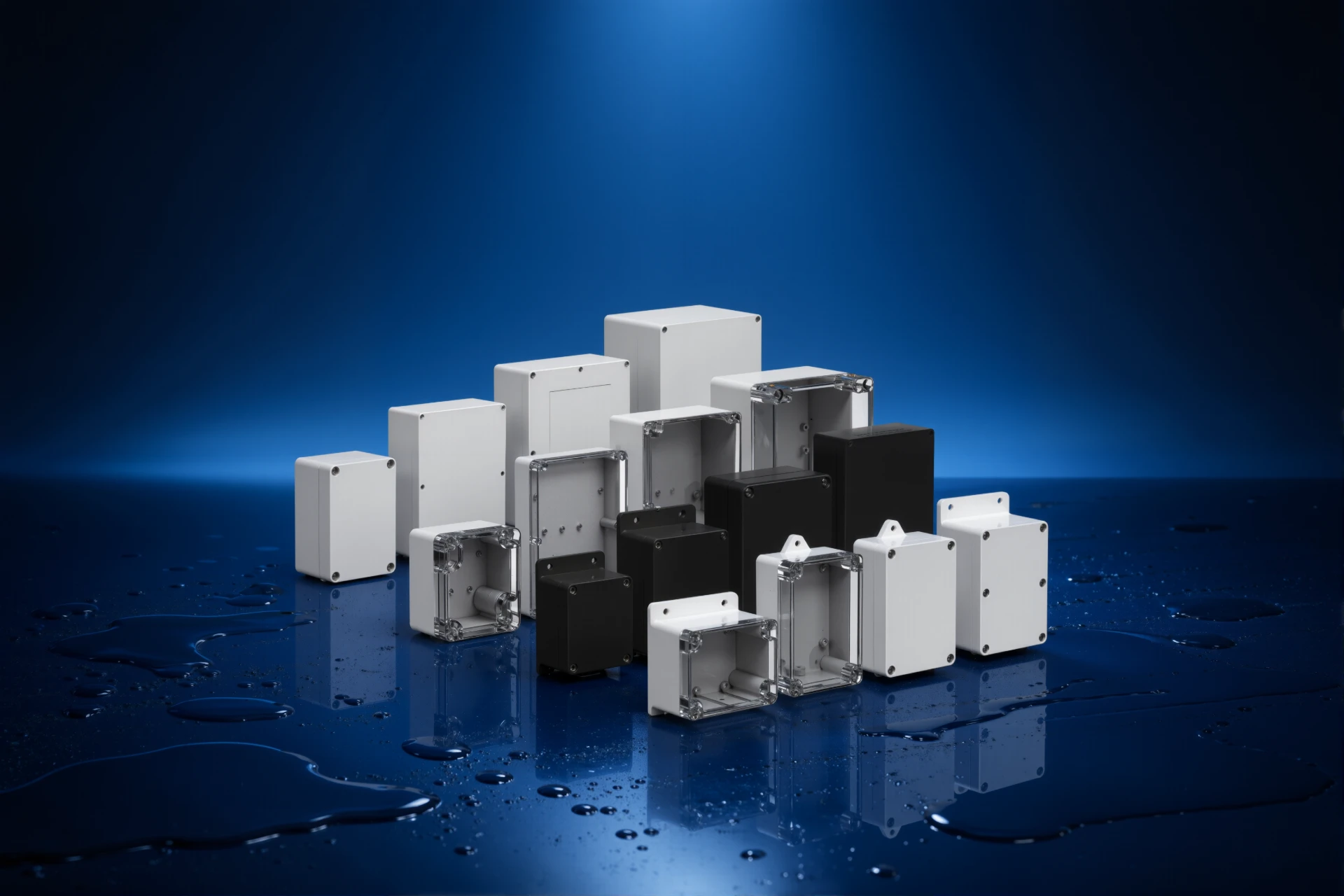
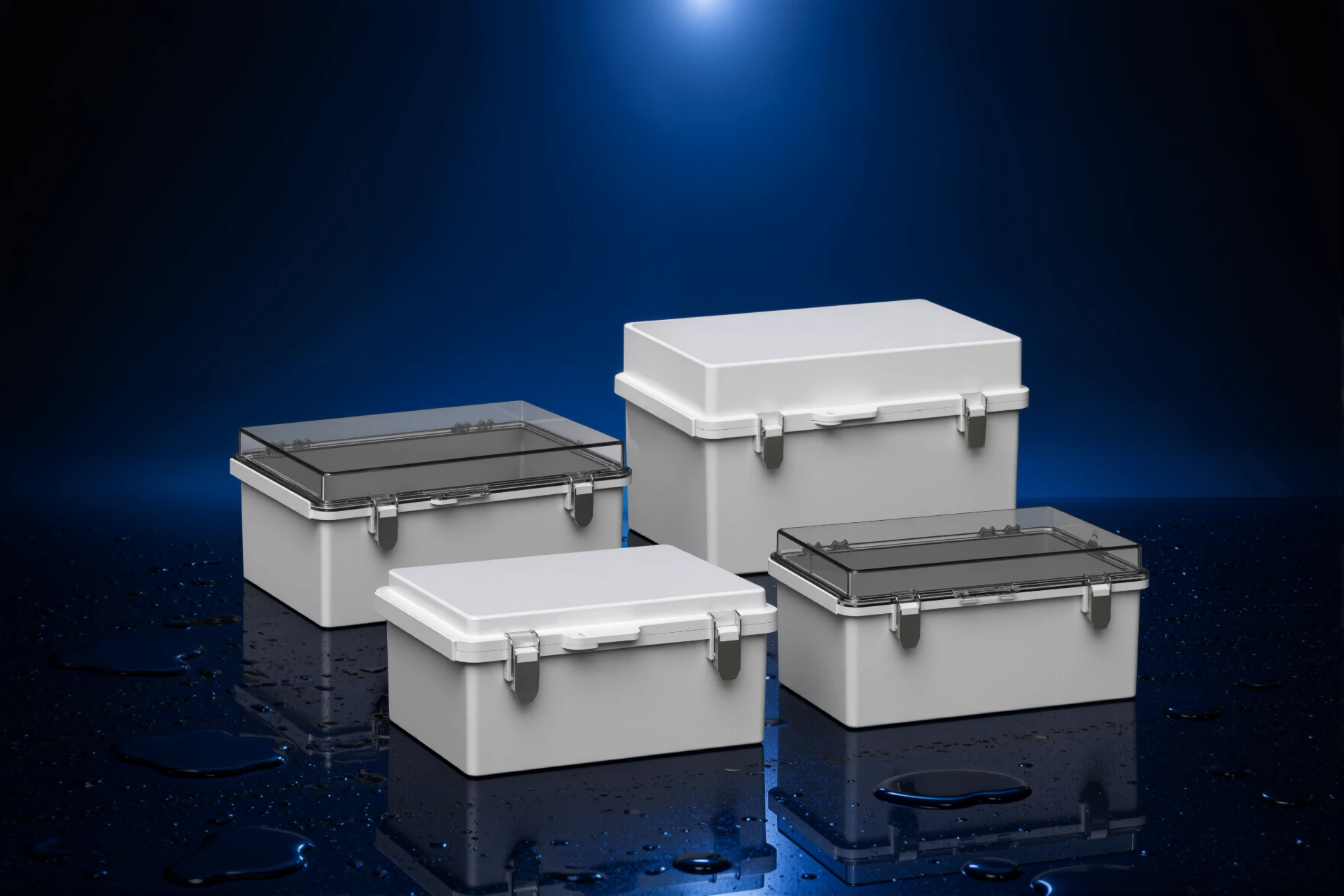
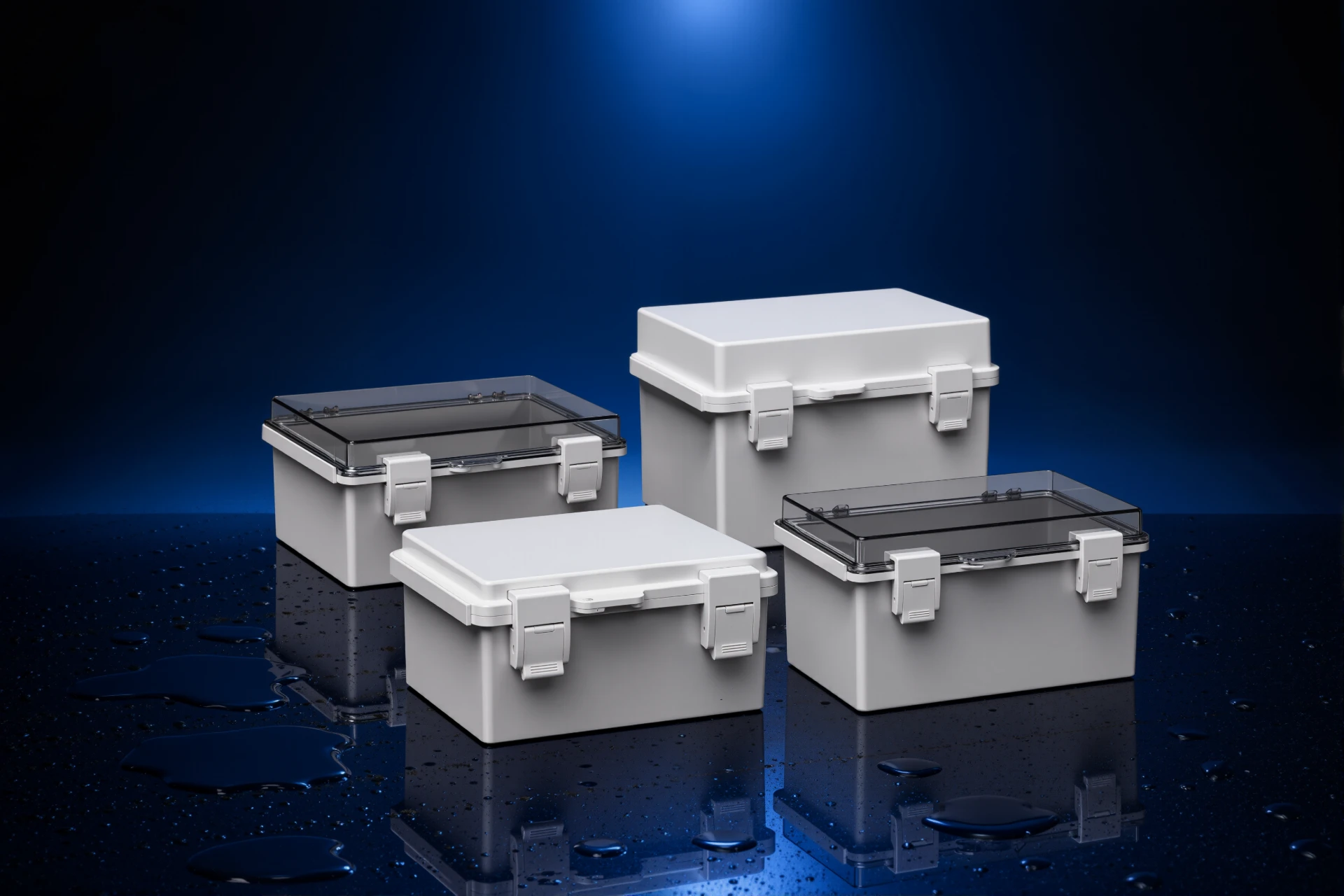
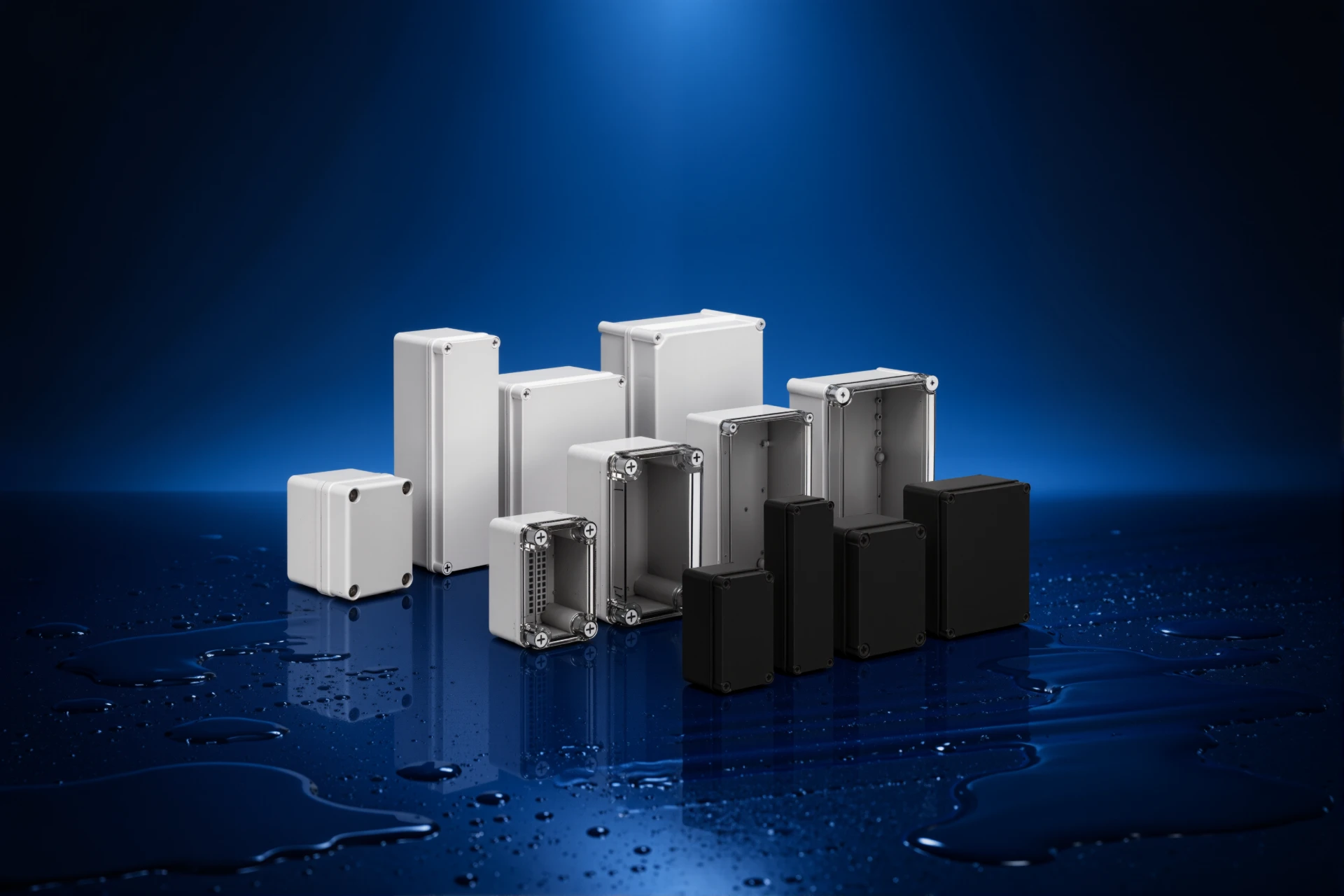
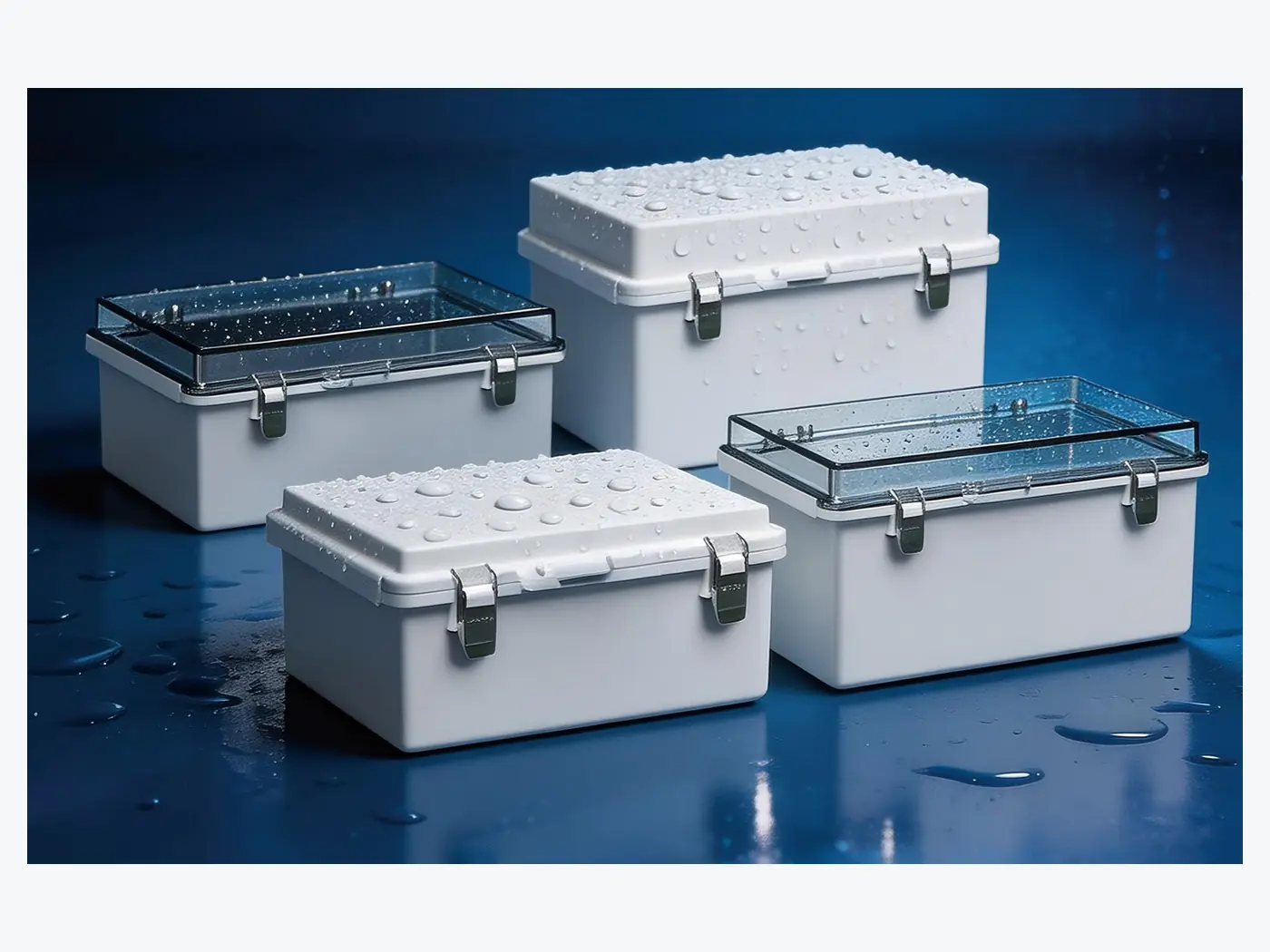
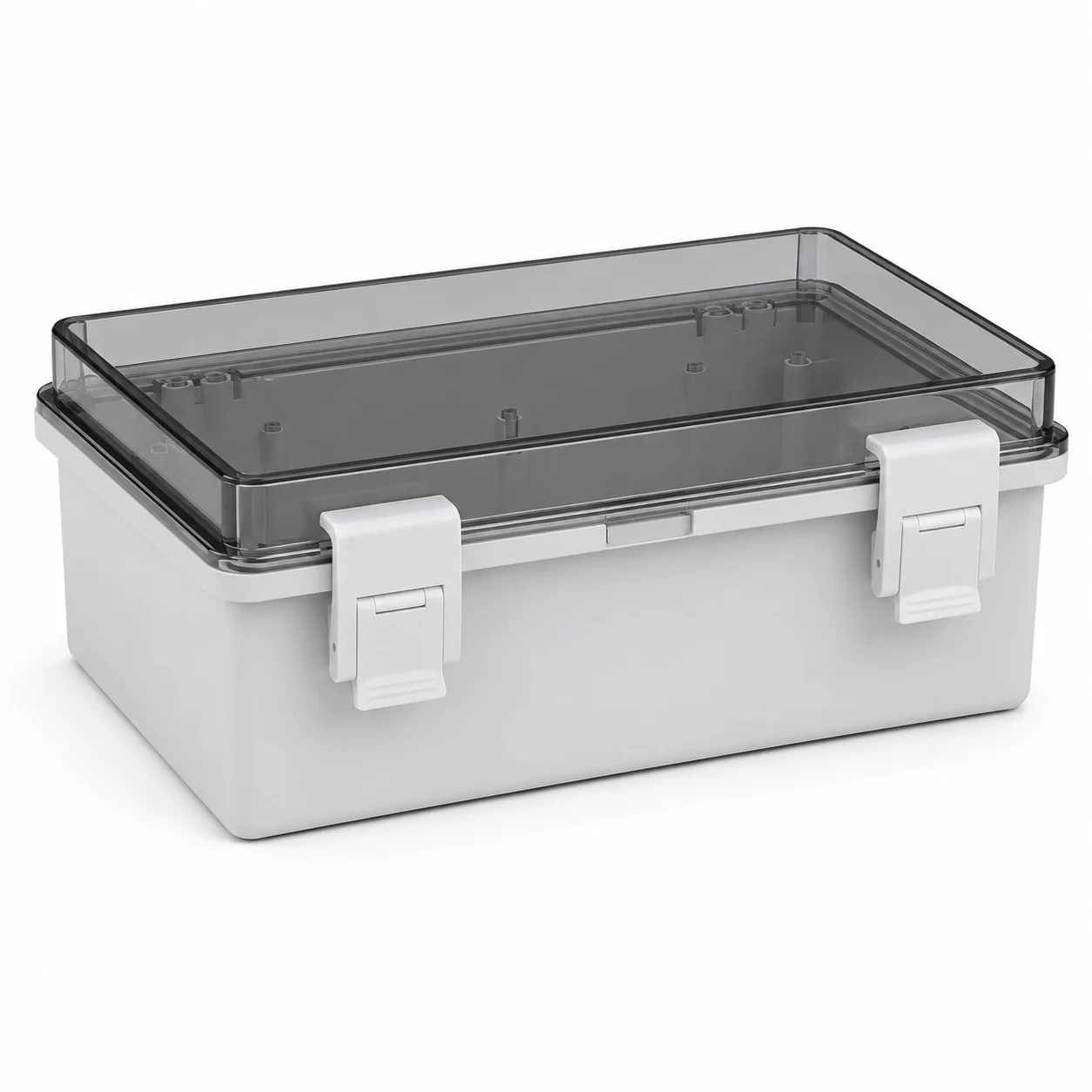
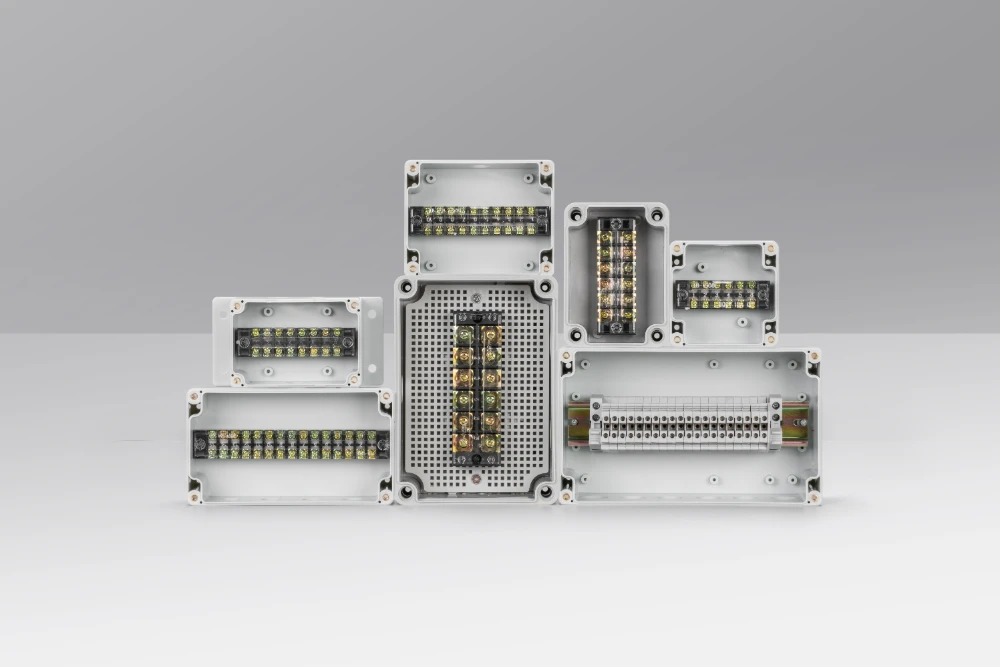
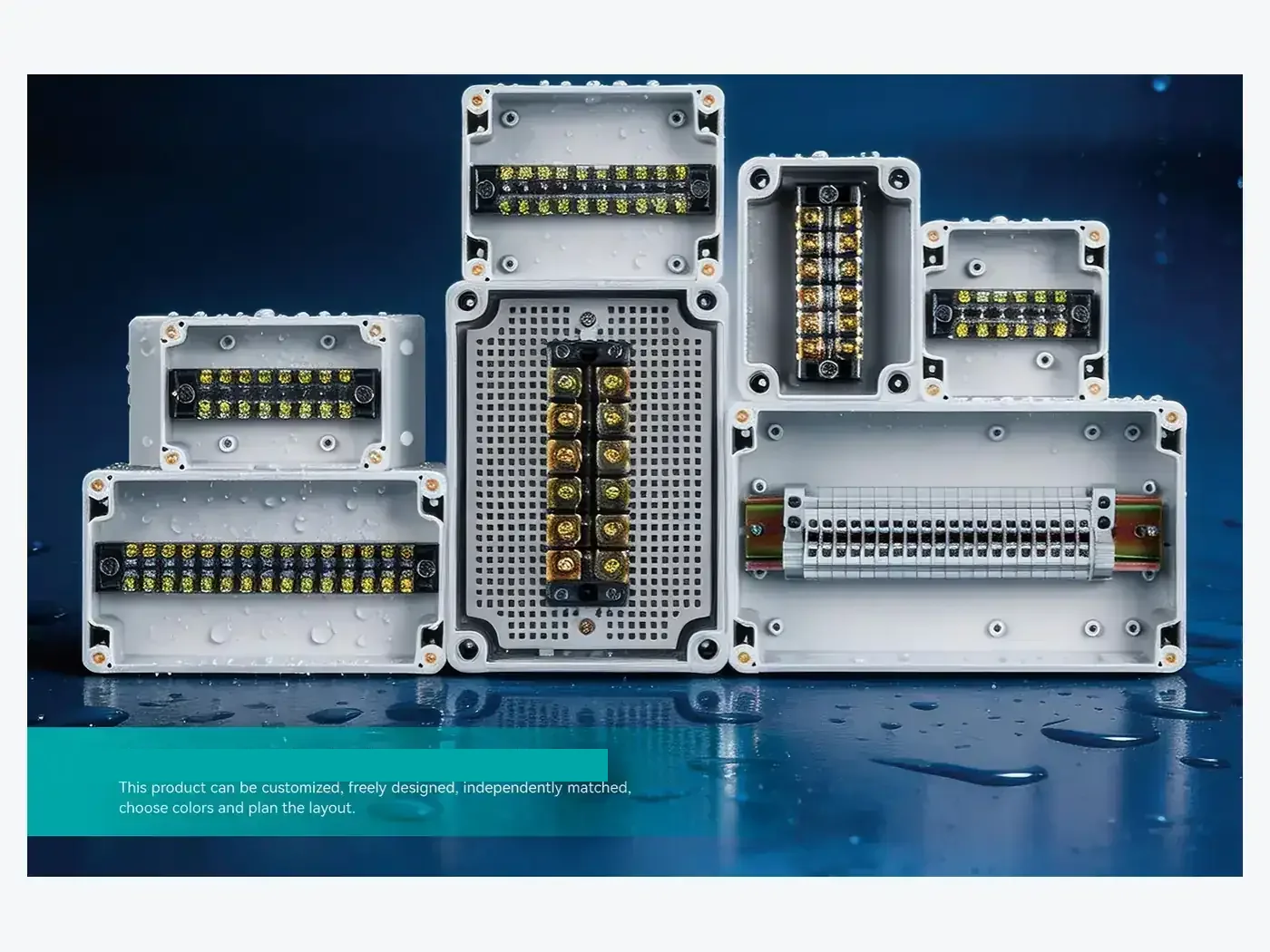
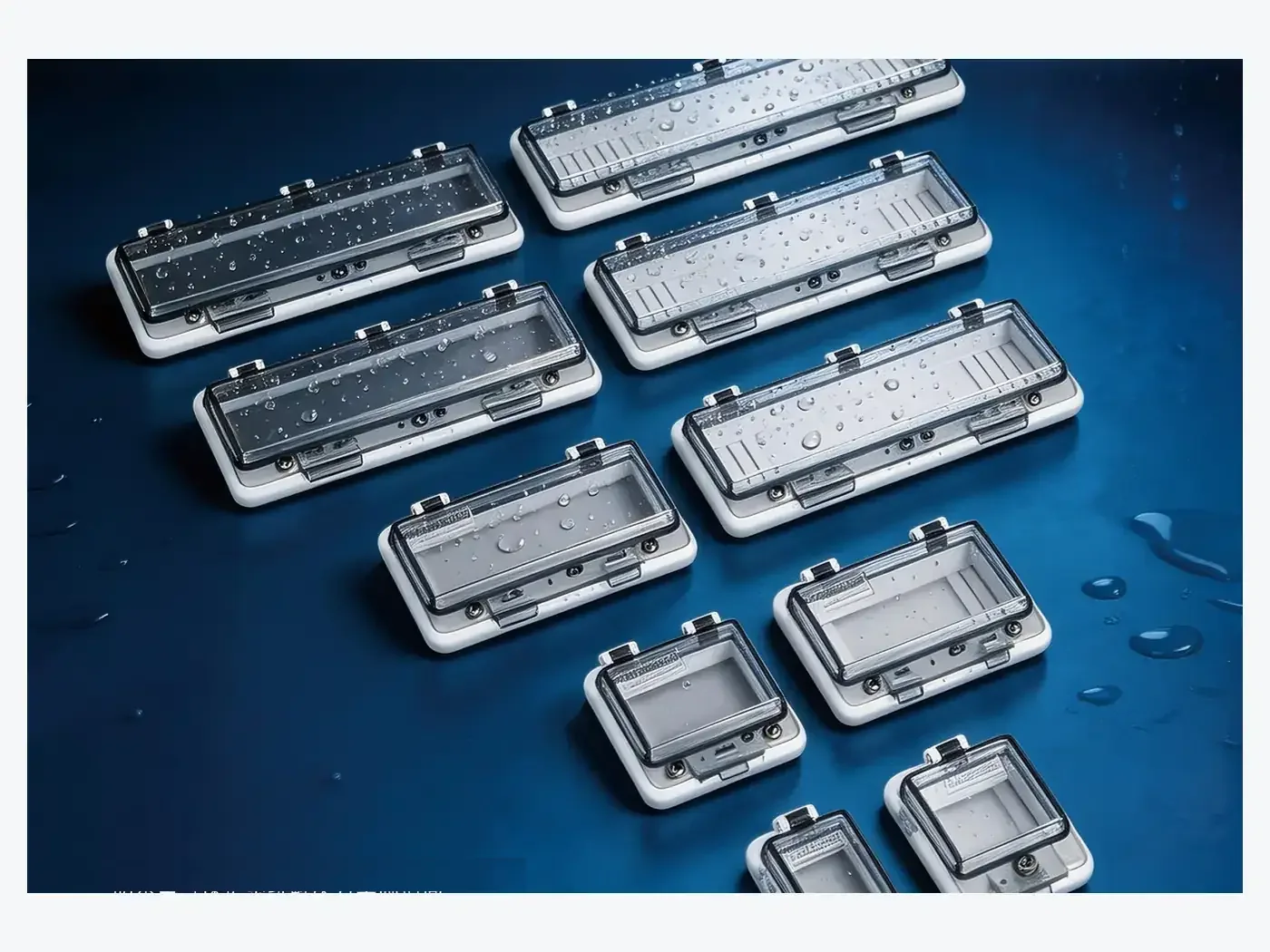
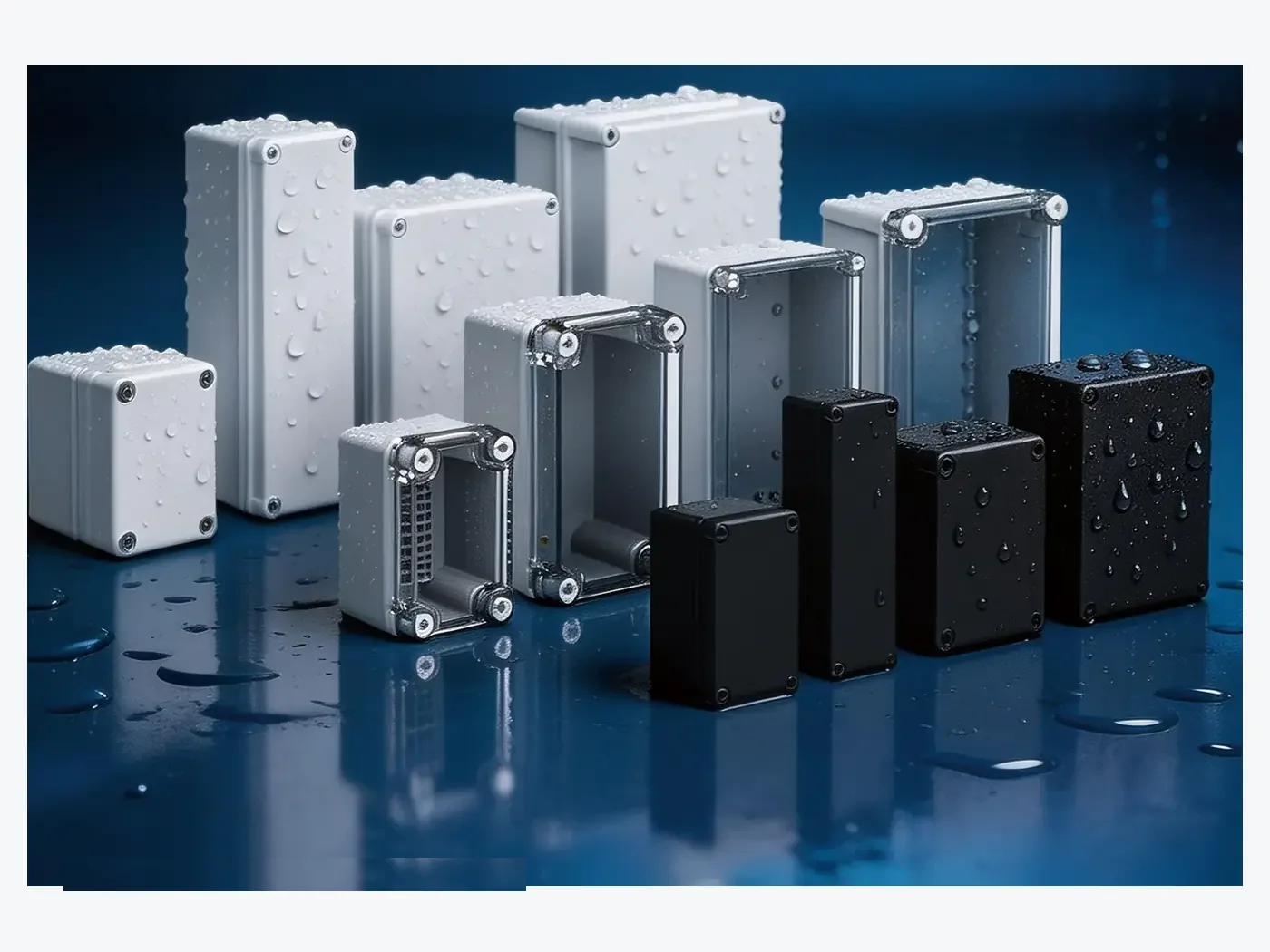
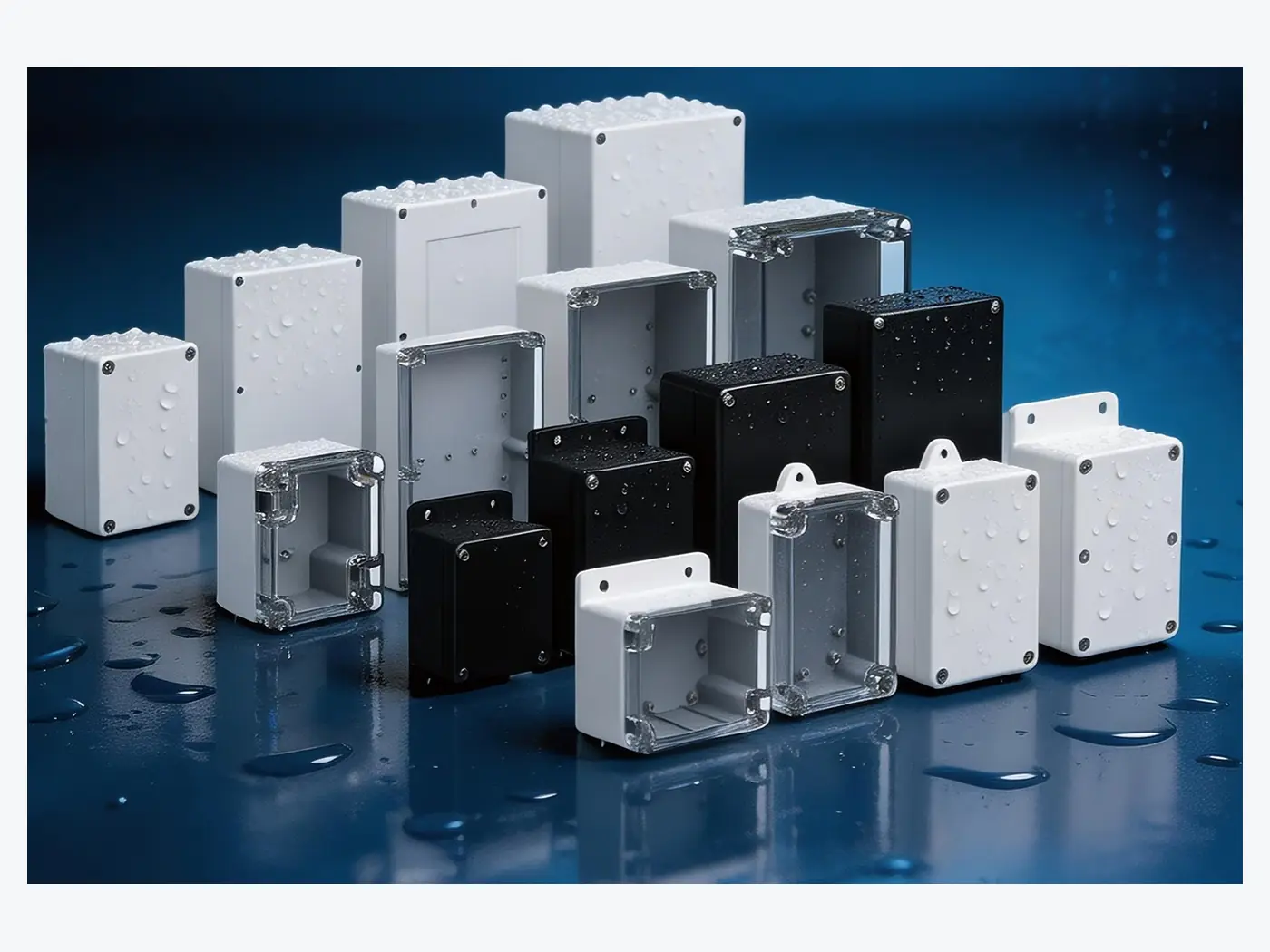
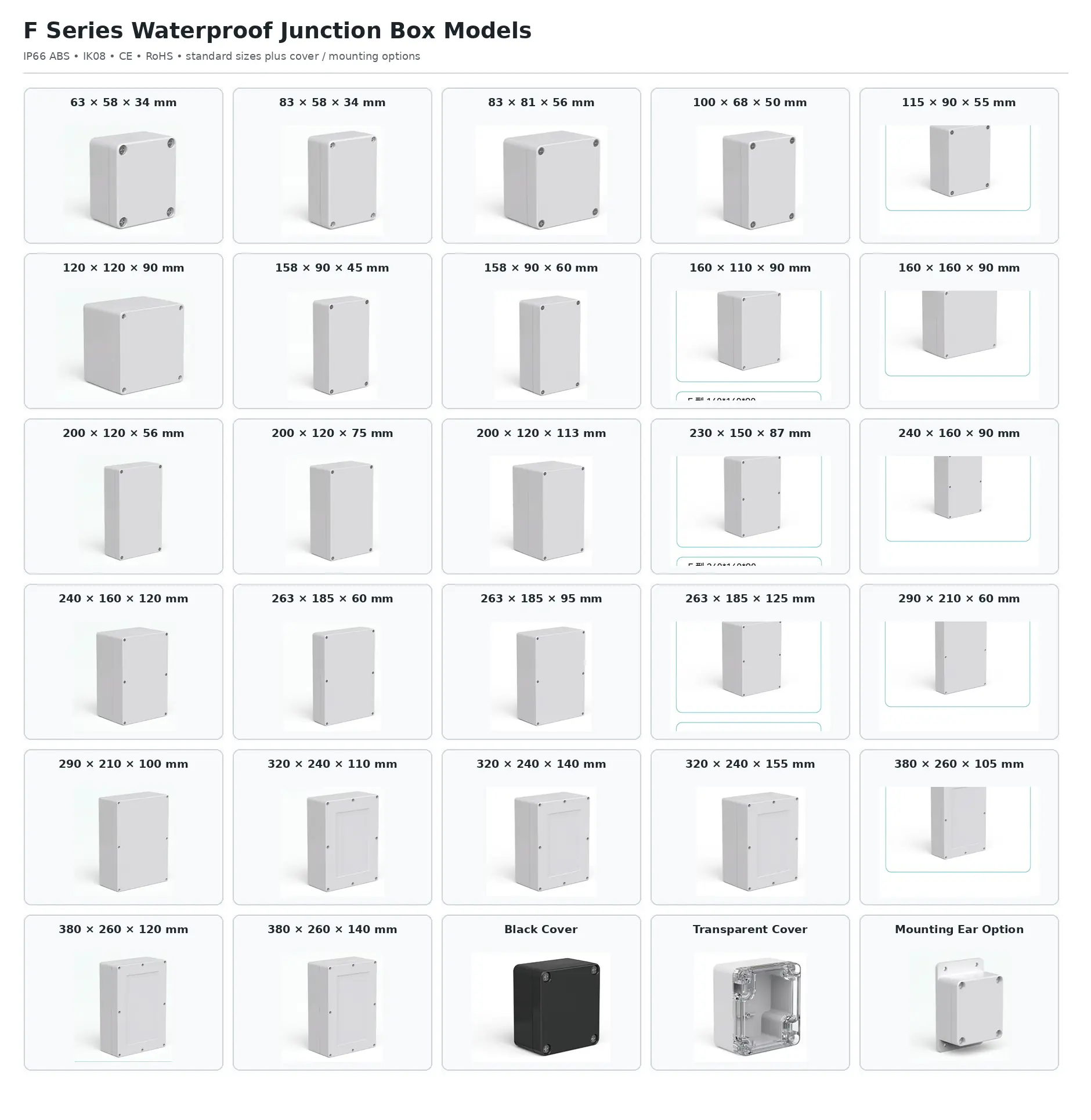
BOWO's IP66 F Series Waterproof Junction Box is specified in the catalogue as ABS, IP66 and IK08, with CE and RoHS information. The series is available in multiple standard dimensions and gray or transparent cover configurations.
For an OEM, the value of starting with a defined waterproof junction box is not that every installation automatically becomes IP66. It is that the enclosure platform has a known specification from which the final cable-entry and installation details can be engineered.
The Main Production Advantage Is Repeatability, Not the Manufacturing Process Itself
It is easy to frame the decision as 3D printing versus injection molding. For most equipment manufacturers, that is not the most useful comparison.
The more important question is whether the enclosure can be ordered six months later with the same model, dimensions, cover arrangement and machining references.
Once the enclosure is part of a machine BOM, variation creates work elsewhere: drawings need revision, cable lengths change, installation instructions change and spare-part references multiply.
That is why standardization normally becomes more valuable as production volume and machine variants increase.
Do Not Eliminate 3D Printing From the Development Process
Moving to a production enclosure does not mean 3D printing has stopped being useful.
It can remain valuable for validating a new connector position, checking component clearance, testing a revised bracket or evaluating a future machine variant before changing the production enclosure drawing.
In our view, the best workflow is not “print first, then stop printing.” It is to use 3D printing where design uncertainty is high and use a standardized enclosure platform where repeatability matters.
What Should Be Frozen Before Sending the Project to an Electrical Enclosure Manufacturer?
Before requesting a production quotation, the OEM should be able to provide the enclosure supplier with a controlled set of requirements:
- required usable internal dimensions;
- component and terminal layout;
- installation environment;
- required protection level;
- cable quantity, diameter and gland specification;
- opening coordinates and tolerances;
- mounting method;
- cover configuration;
- drawing revision;
- prototype quantity and expected production volume.
This information allows an electrical enclosure manufacturer to determine whether an existing enclosure can be adapted, whether another standard size is more suitable, or whether a more extensive custom solution is justified.
The Better Question Is When the Enclosure Should Become a Controlled Production Part
A 3D-printed enclosure can remain the right answer when geometry is still changing or the application is genuinely one-off. The transition point appears when the project starts demanding controlled dimensions, documented protection requirements, repeat purchasing and stable machine documentation.
At that point, the enclosure should be treated as a production component rather than a prototype shell.
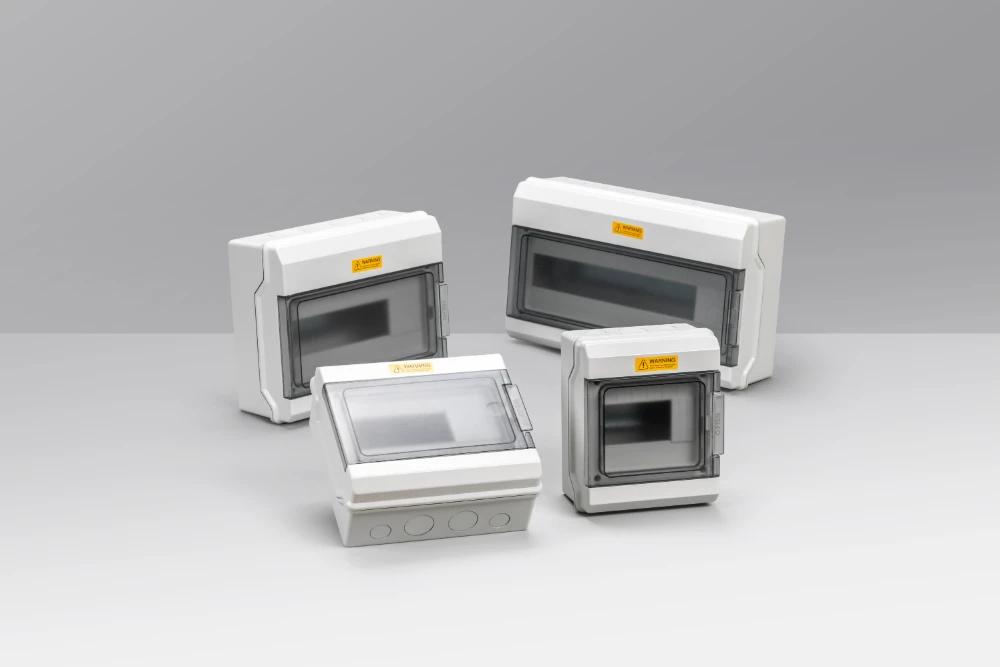
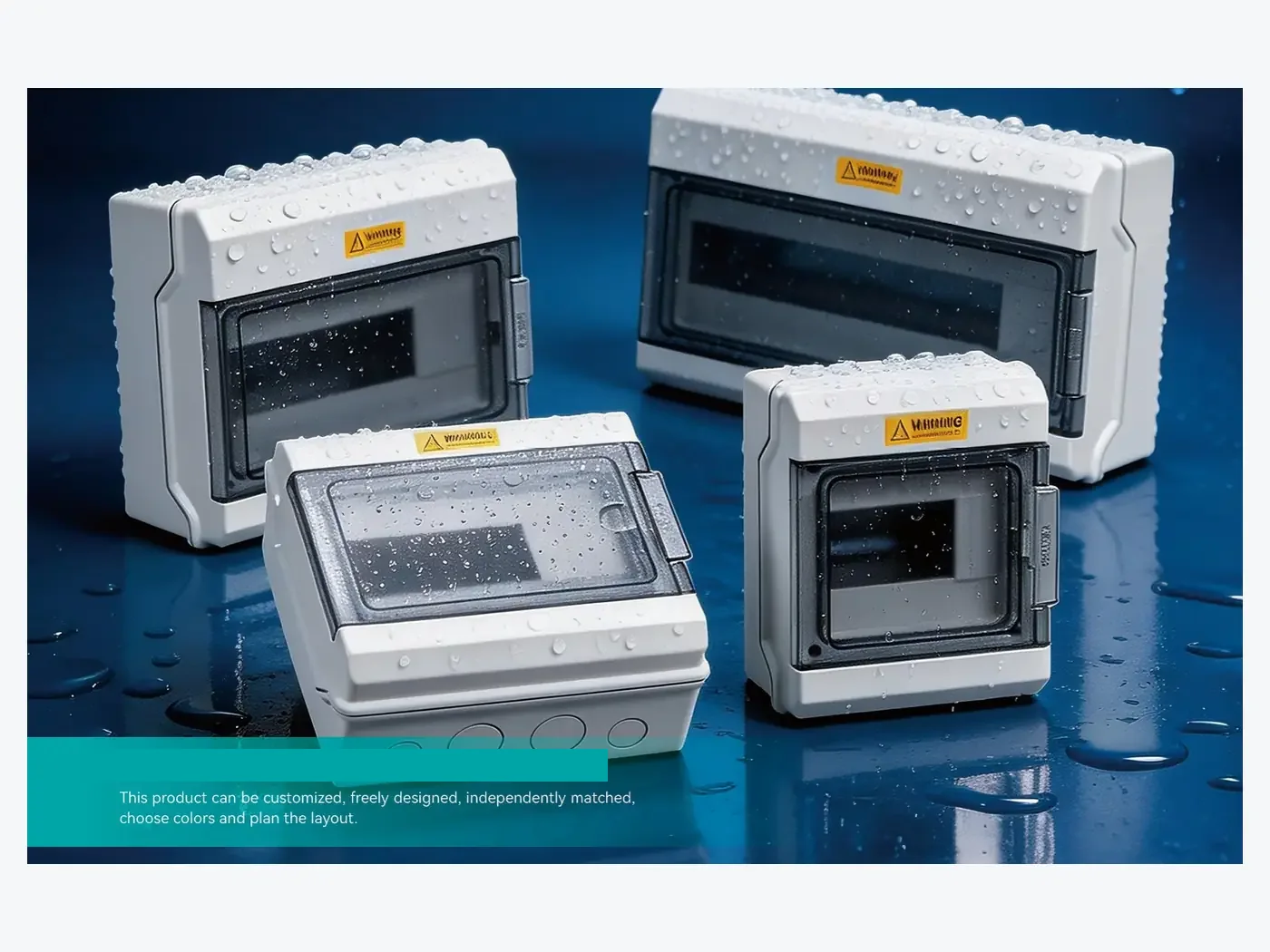
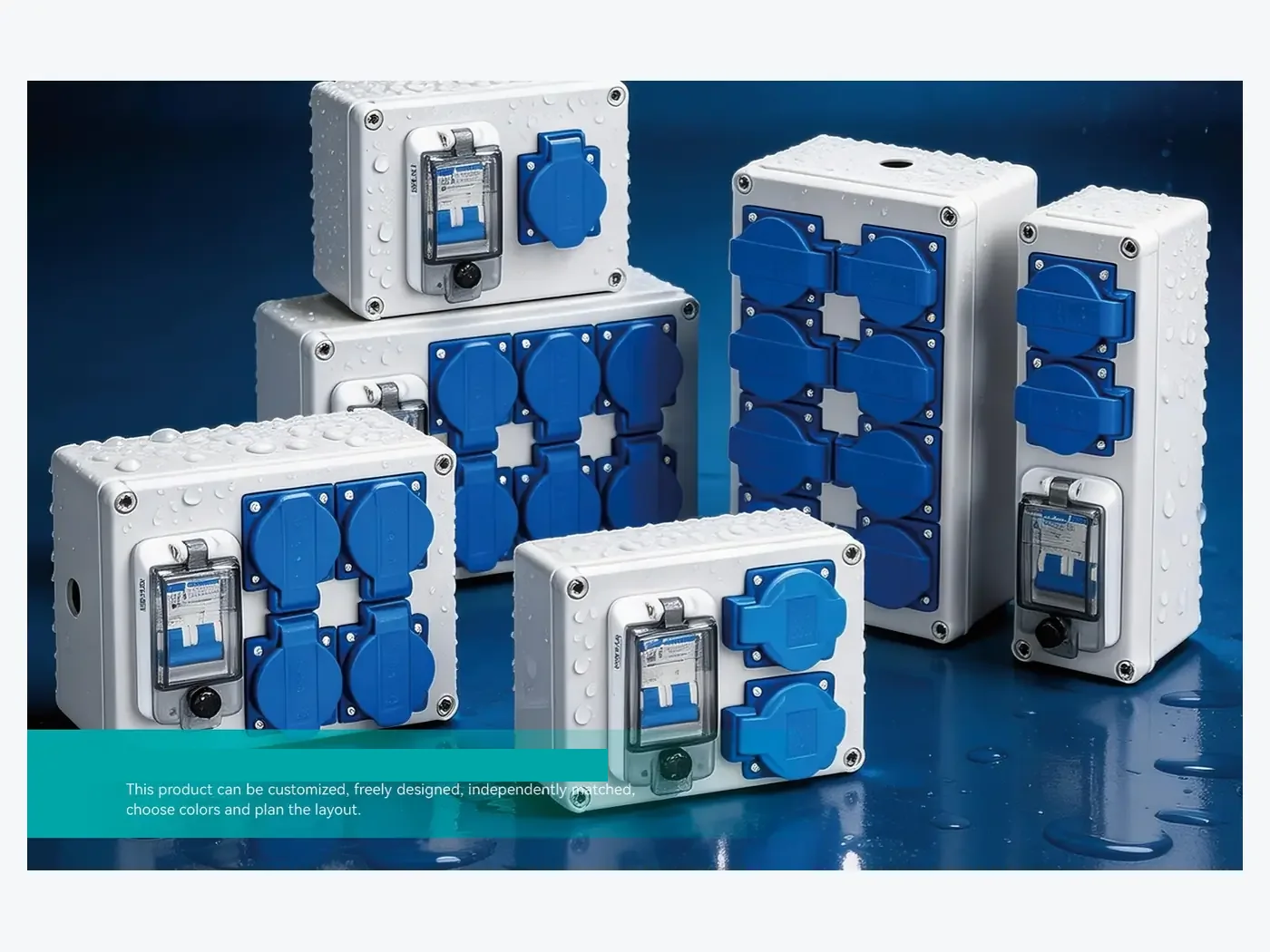
BOWO's IP66 F Series Waterproof Junction Box provides a standardized ABS platform with multiple dimensions, gray or transparent covers and custom opening support for equipment projects.
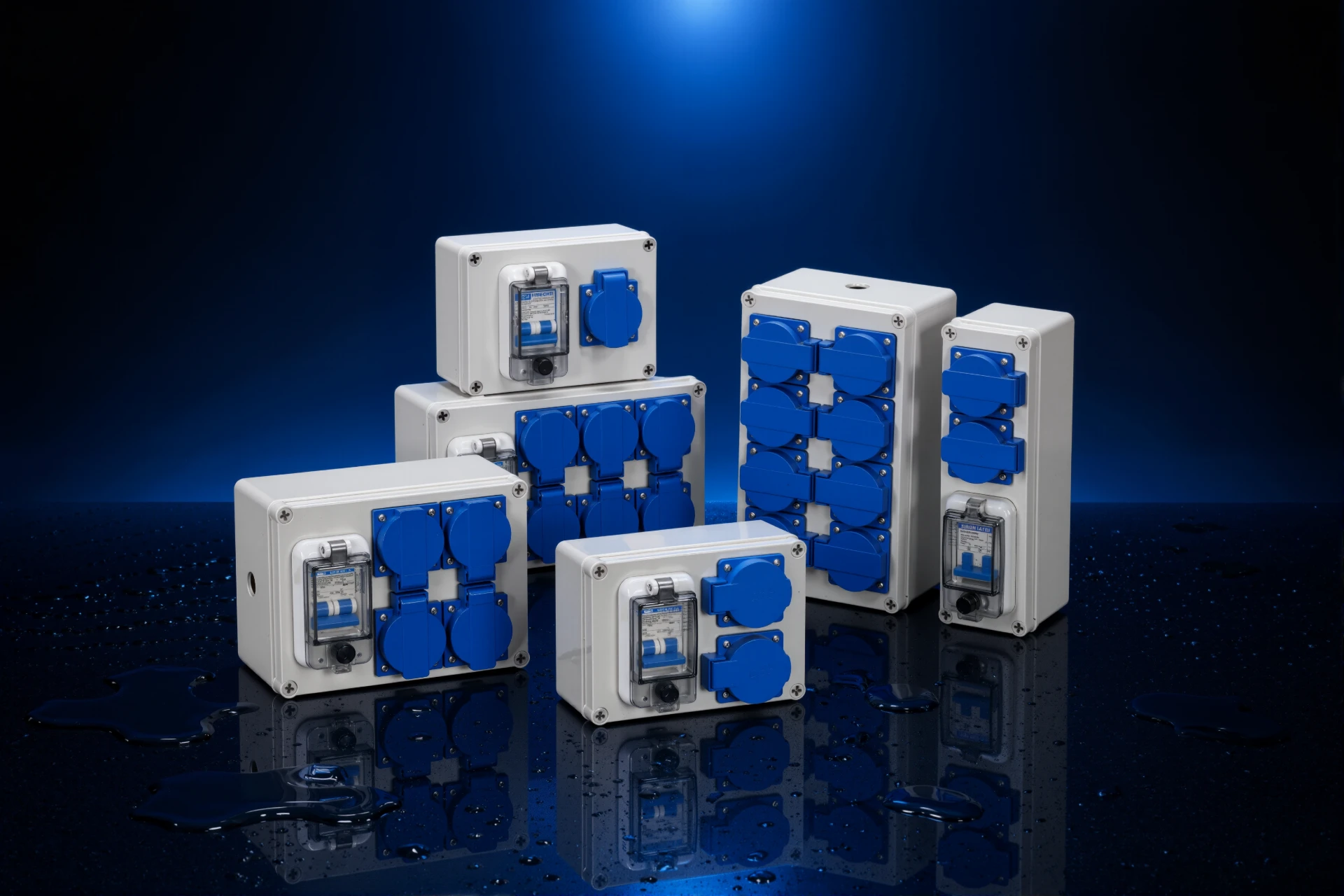
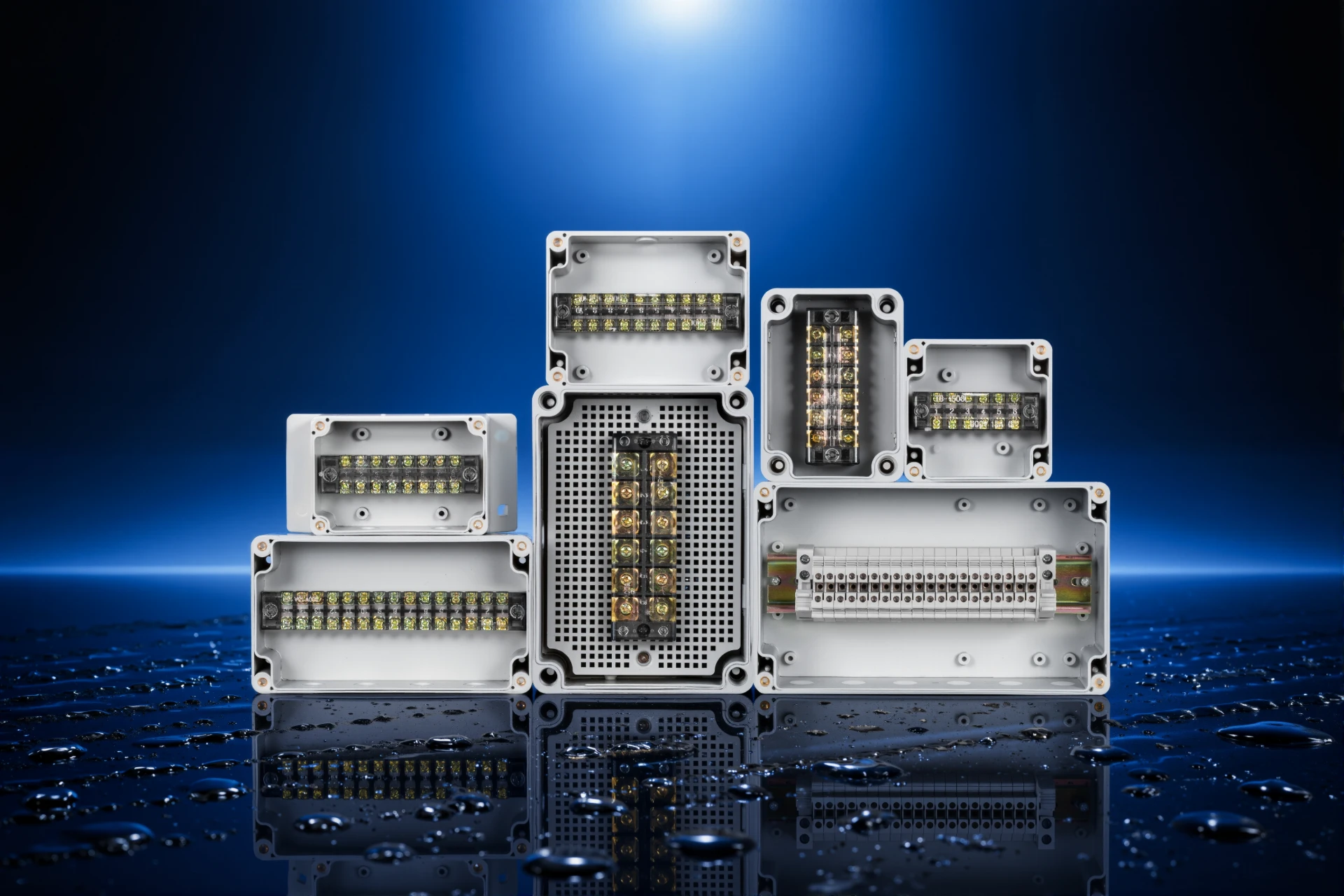
For other enclosure formats, see BOWO's waterproof electrical enclosure and junction box range.