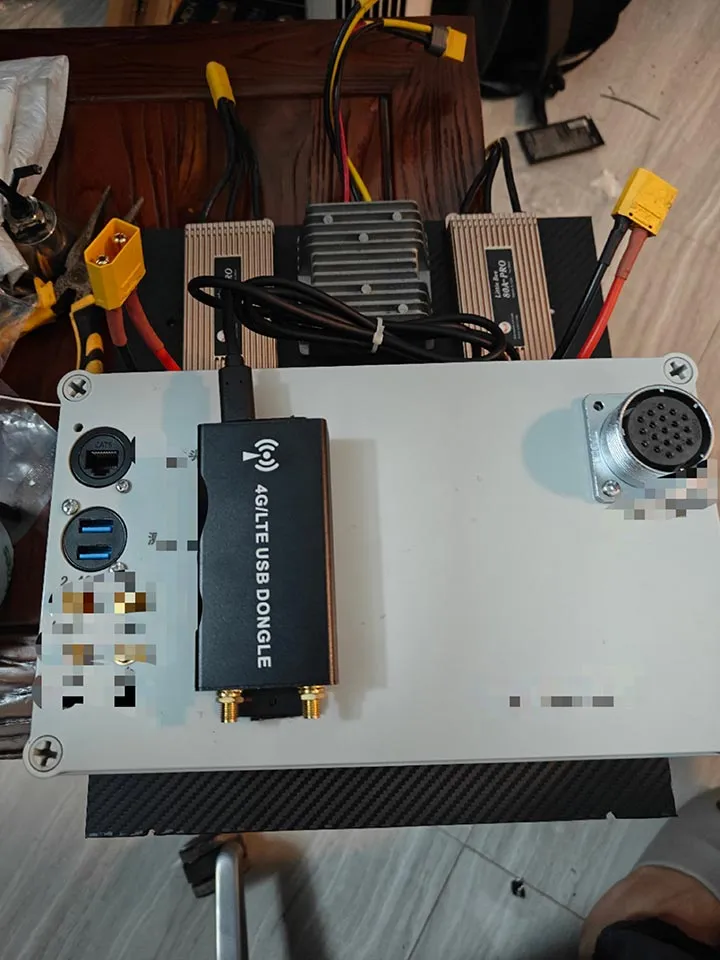
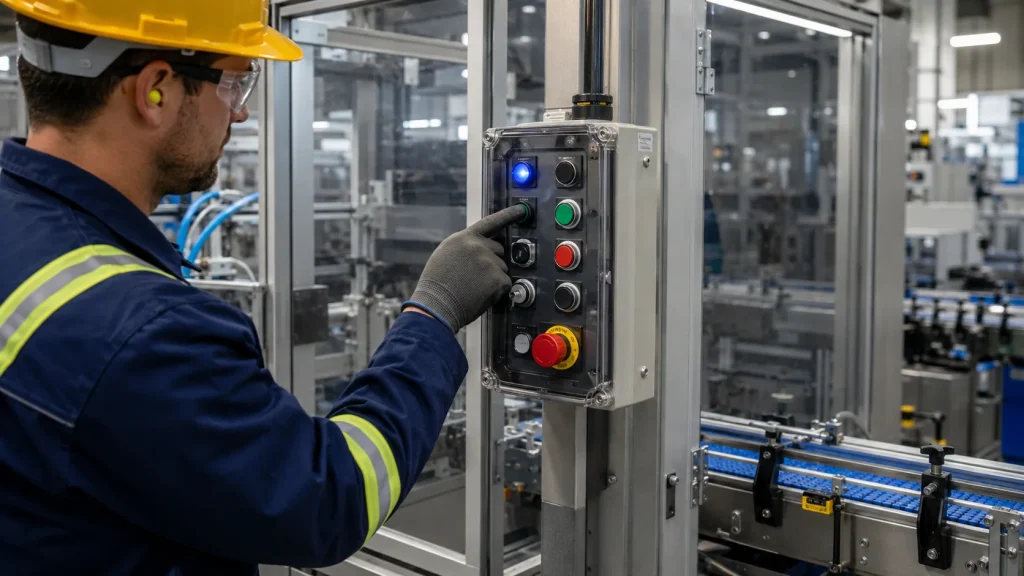
Industrial automation does not stop at the main PLC cabinet. Sensors, motors, conveyors, actuators and operator stations create dozens of smaller electrical connection and control points around a machine or production line.
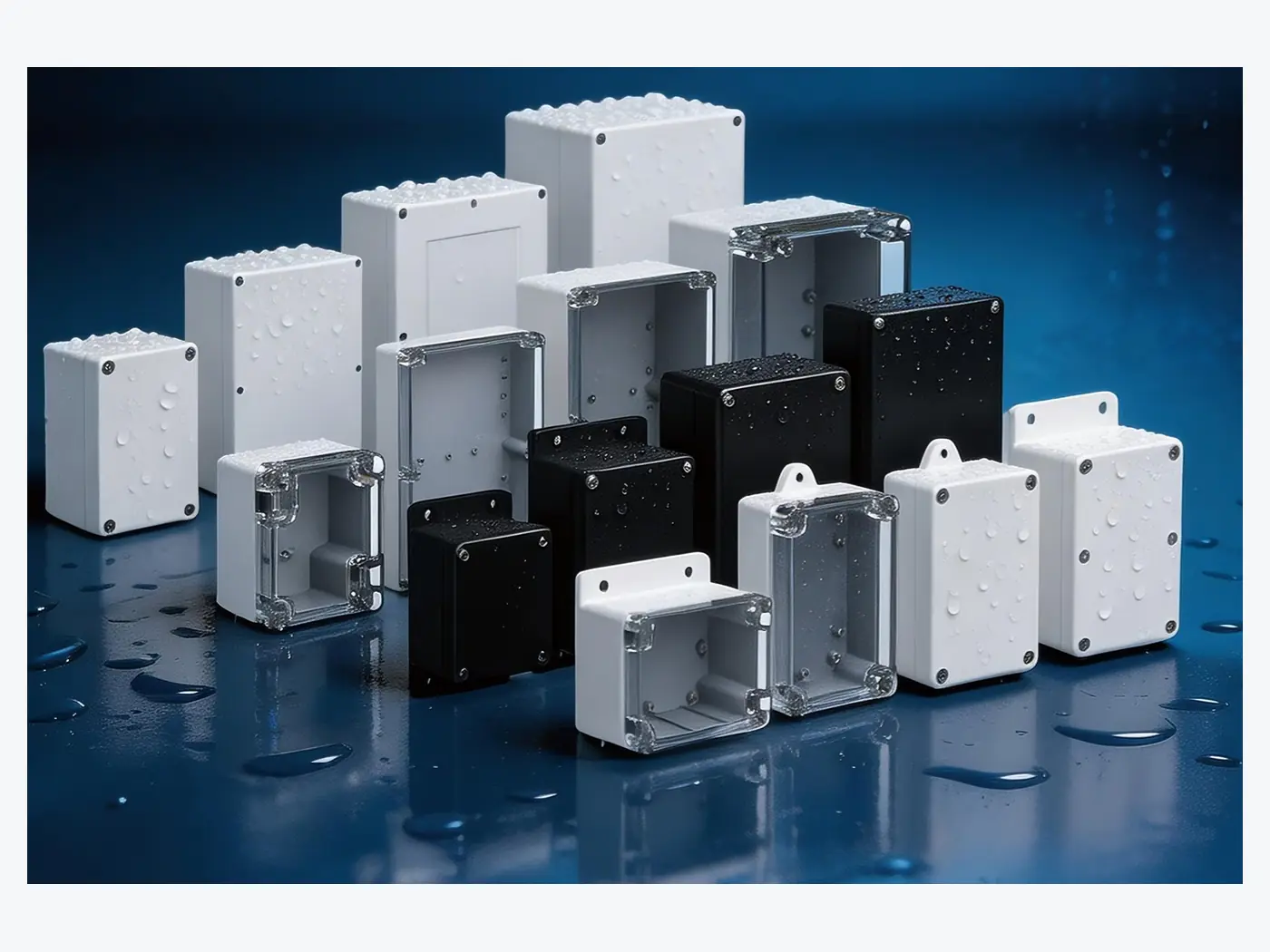
BOWO Electric supplies waterproof electrical enclosures for industrial automation and machinery, with products for local operator control, field wiring, terminal connections, circuit protection and supporting equipment power.
For OEM machinery and factory projects, enclosure selection should begin with the function at each installation point: what goes inside the box, where it will be mounted, how the cables enter and how often operators or maintenance technicians need access.
Where Are Electrical Enclosures Used on Automated Machinery?
A centralized HMI can manage the overall production process, but machine-side wiring and local operating functions still need suitable enclosures close to the equipment.
| Machine Position | Electrical Function | Typical Enclosure |
|---|---|---|
| Operator station | Start, stop, reset, mode selection, indication and emergency stop | Pushbutton control station |
| Sensor, motor or actuator area | Field-wire termination and circuit transition | Terminal block junction box |
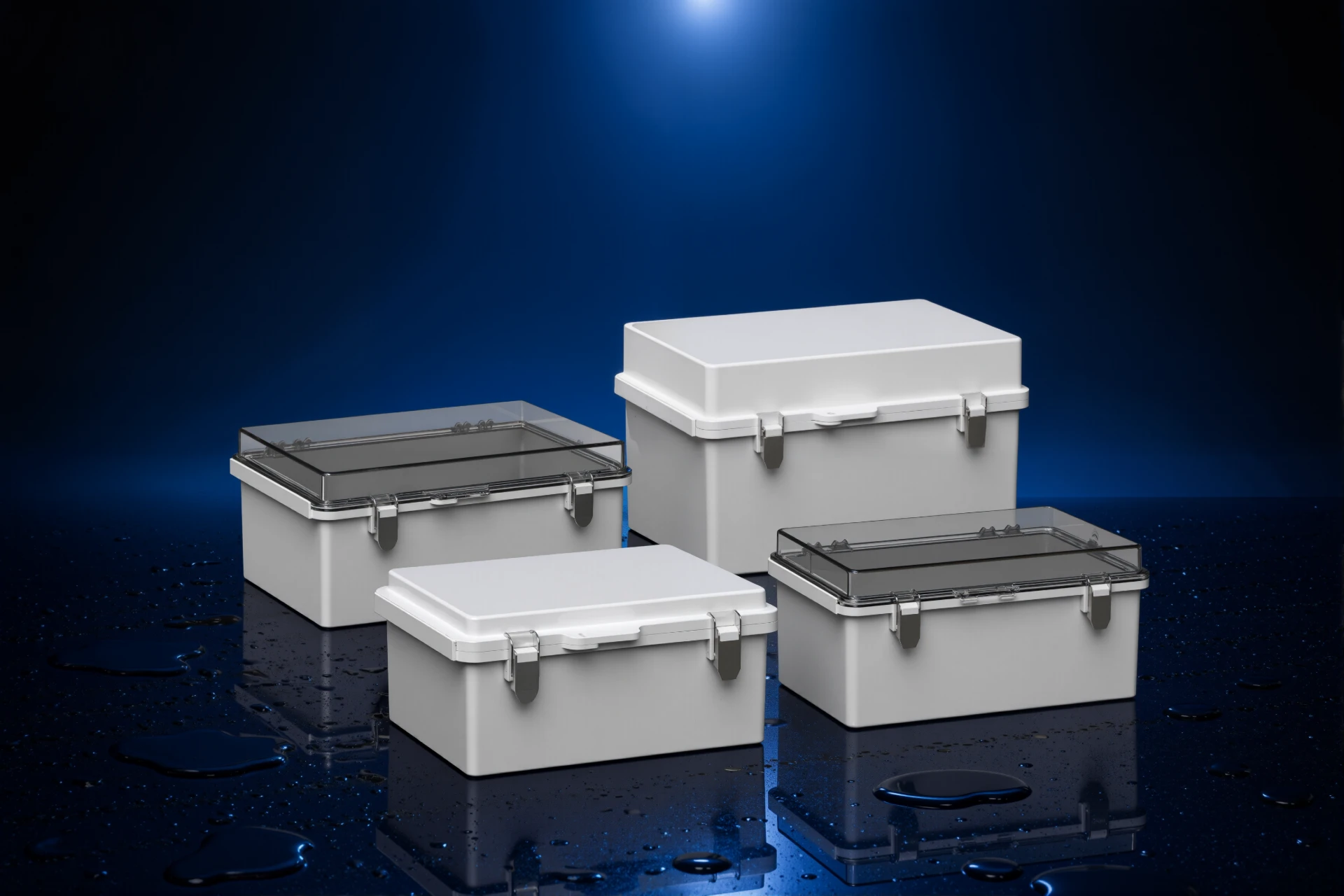
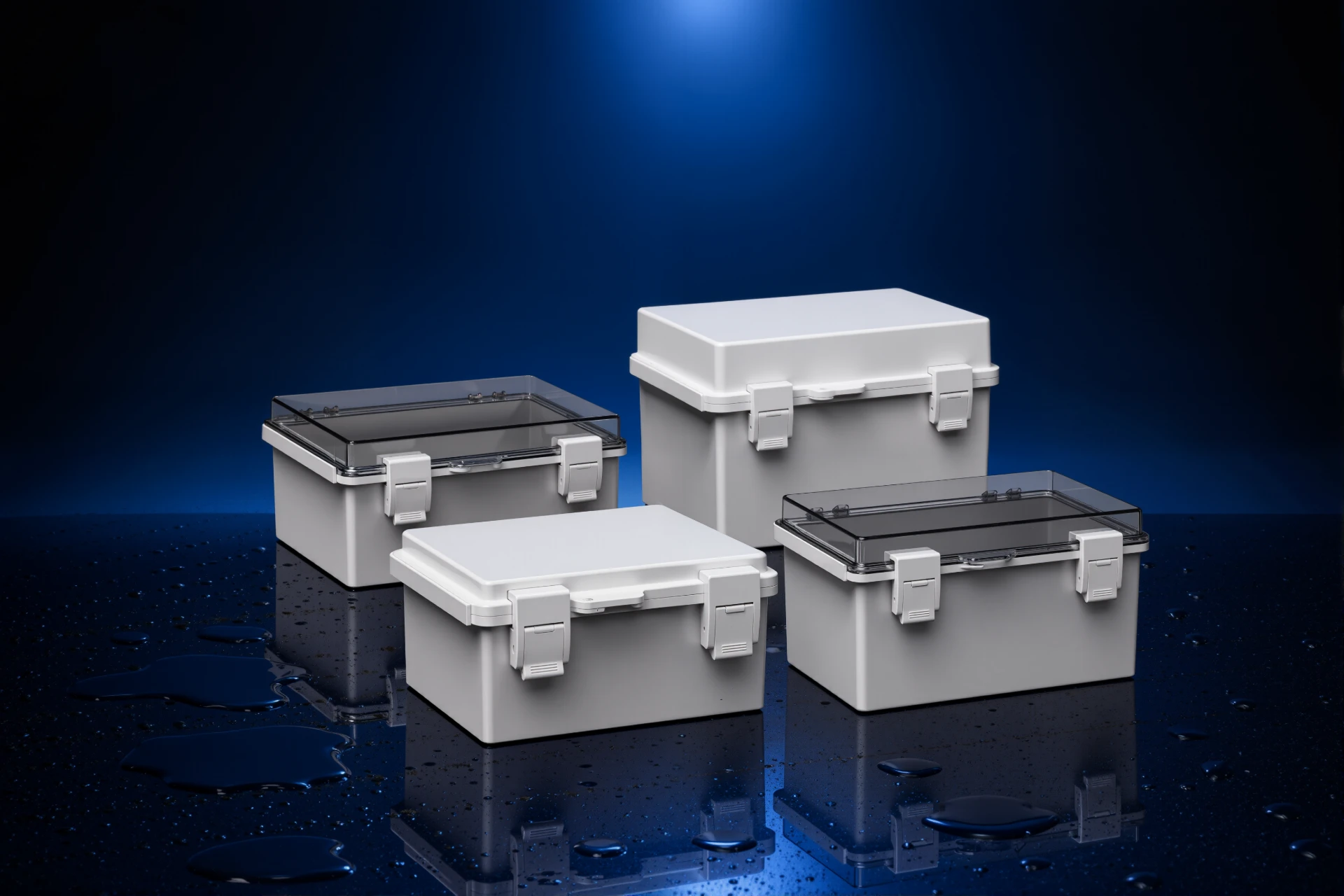
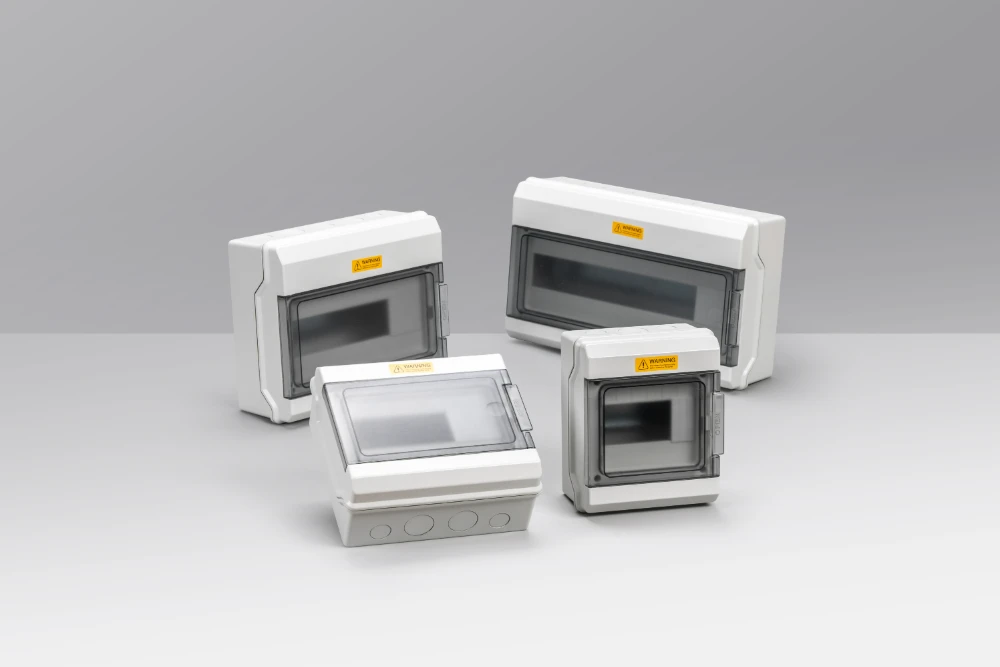
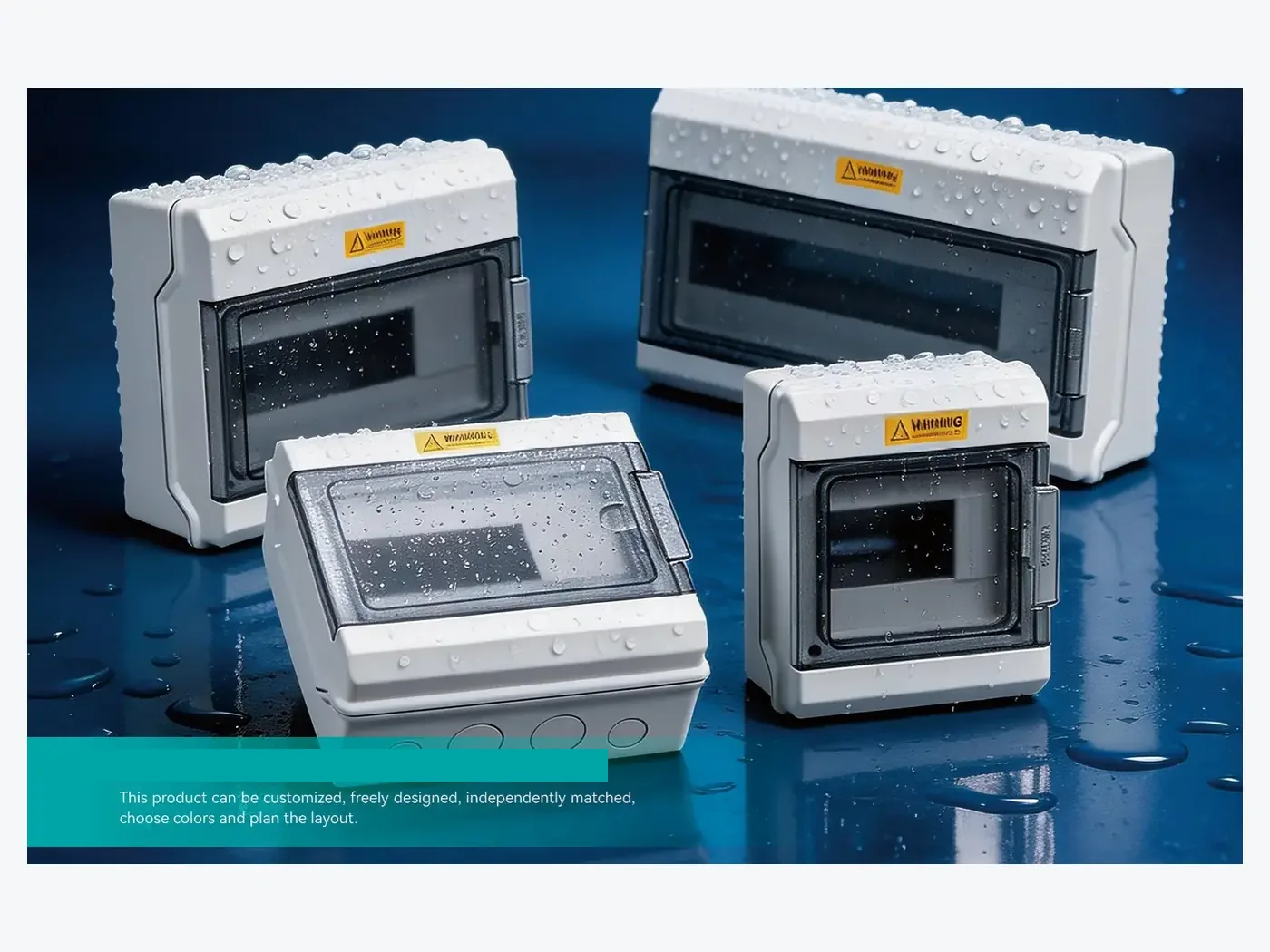
| Frequently serviced electrical point | Terminals, relays, communication and auxiliary components | Hinged waterproof enclosure |
| Machine-side cable branch | Power or control cable connection | Waterproof junction box |
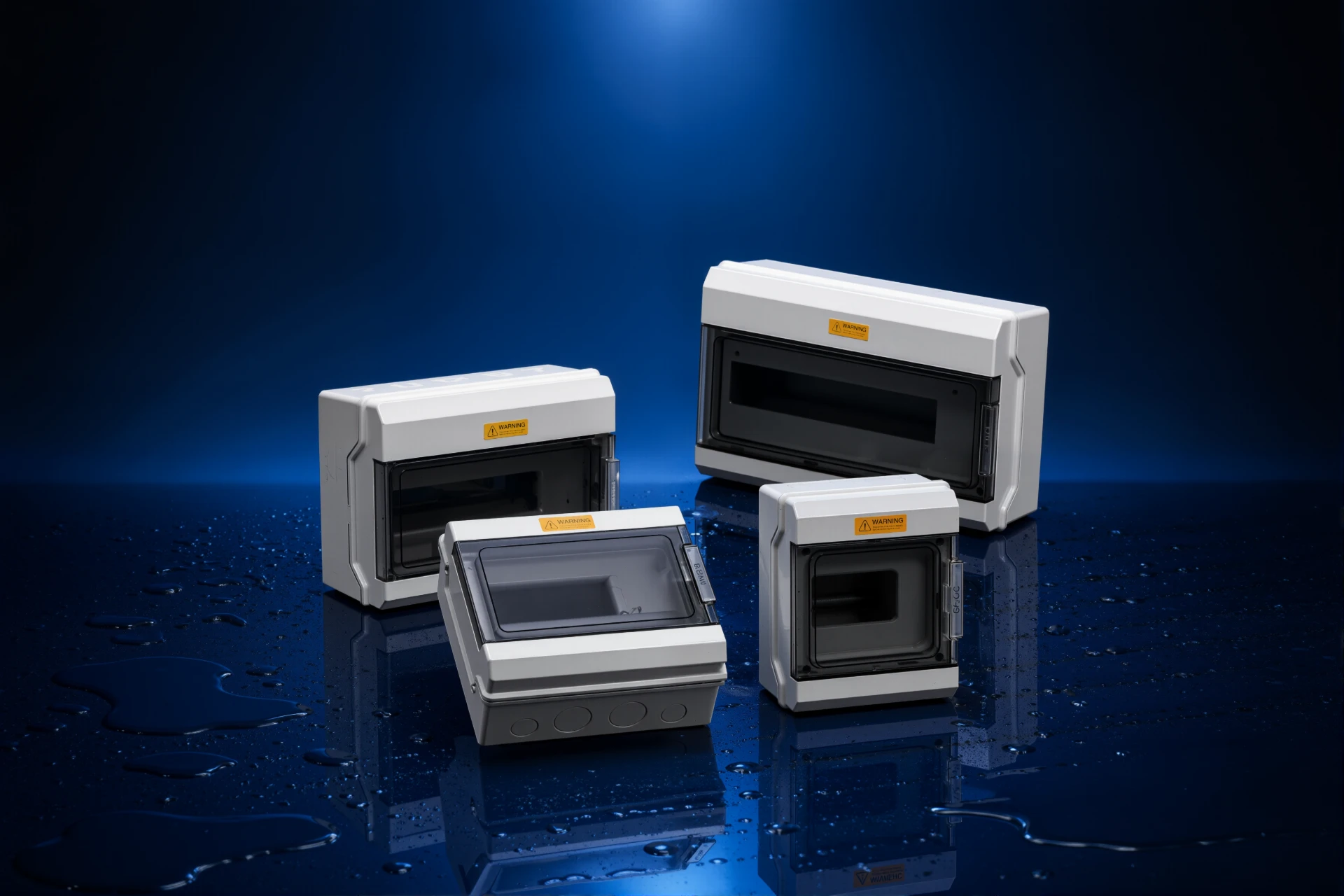
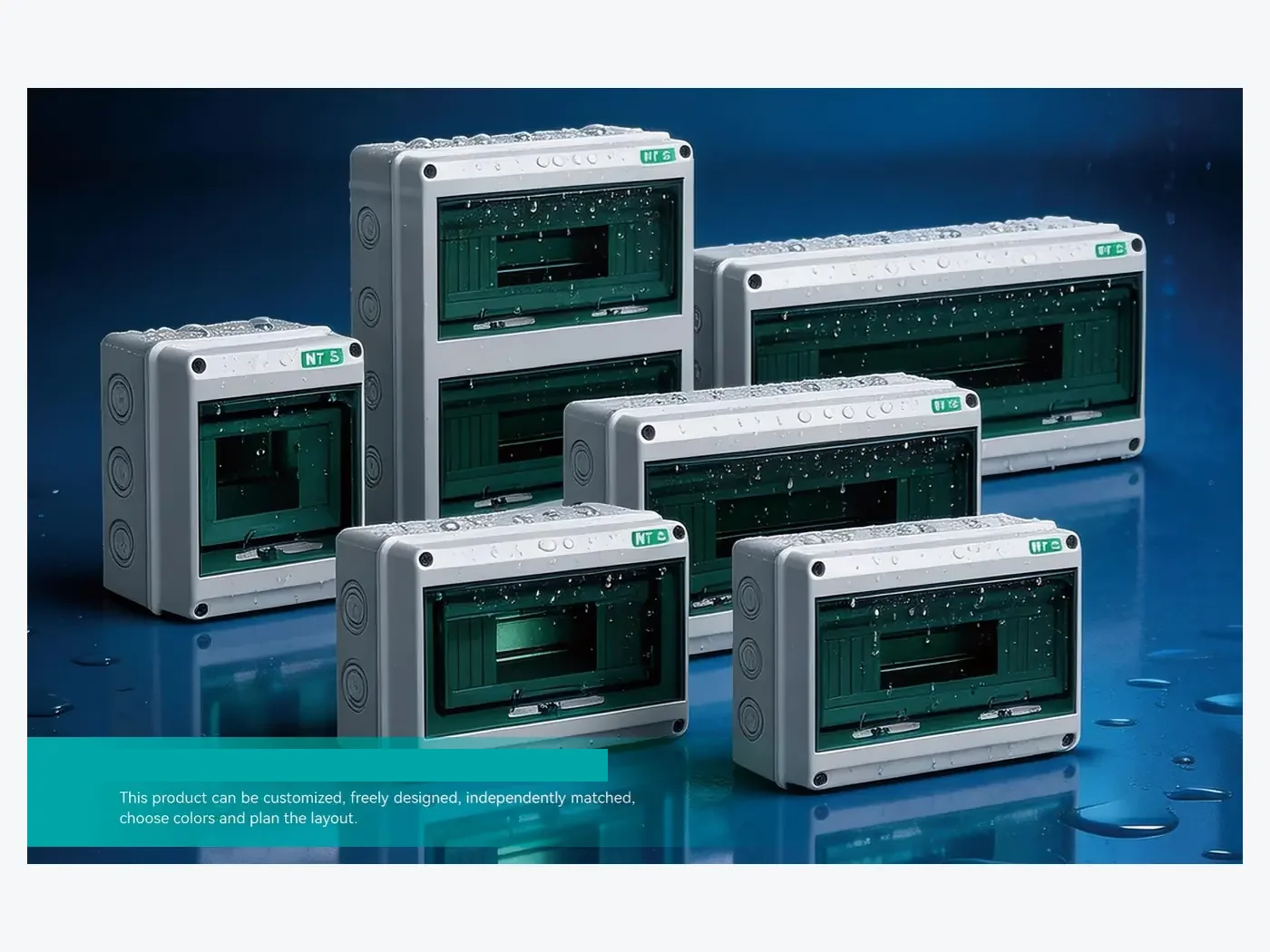
| Local protection point | DIN-rail breakers and auxiliary circuits | Distribution box |
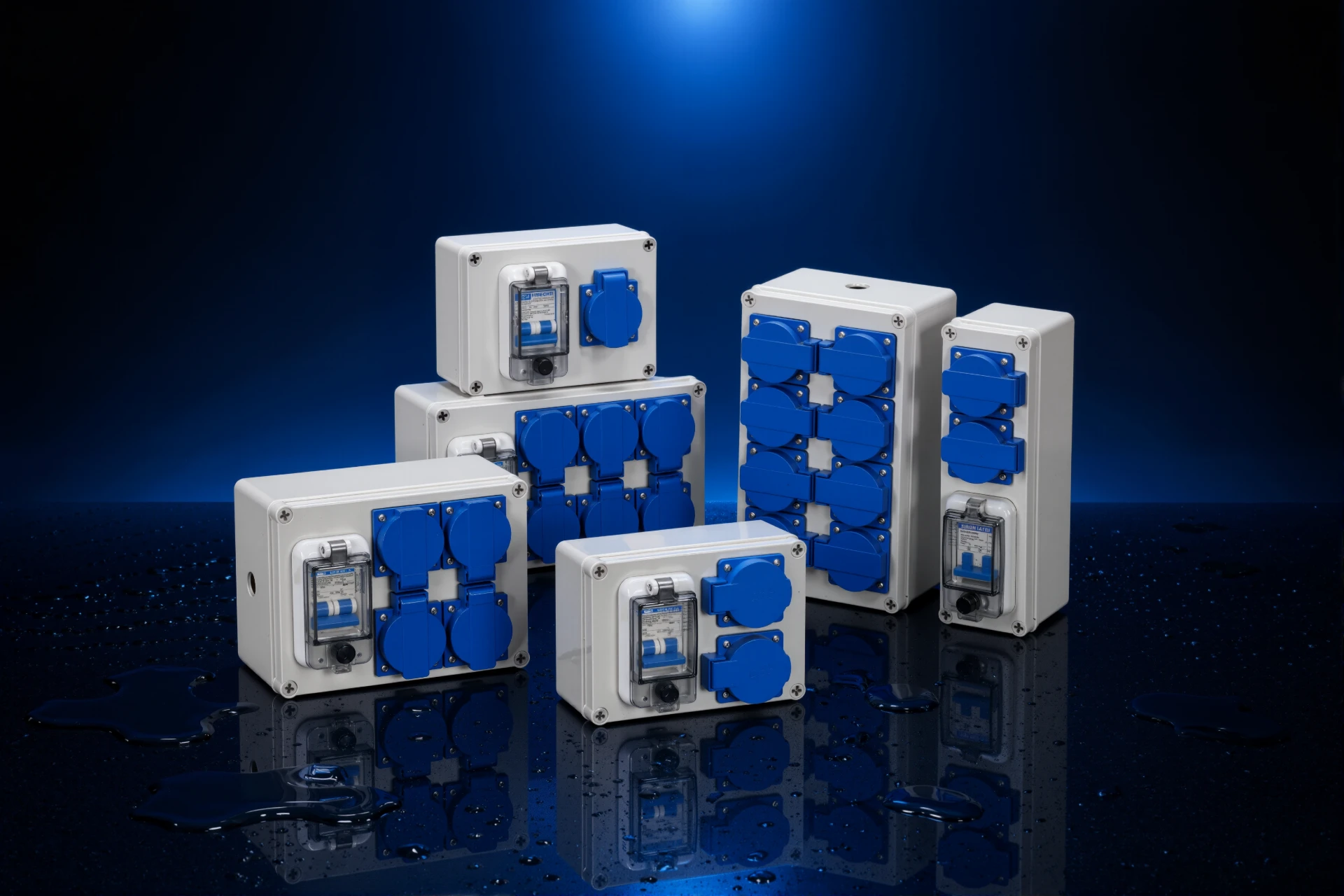
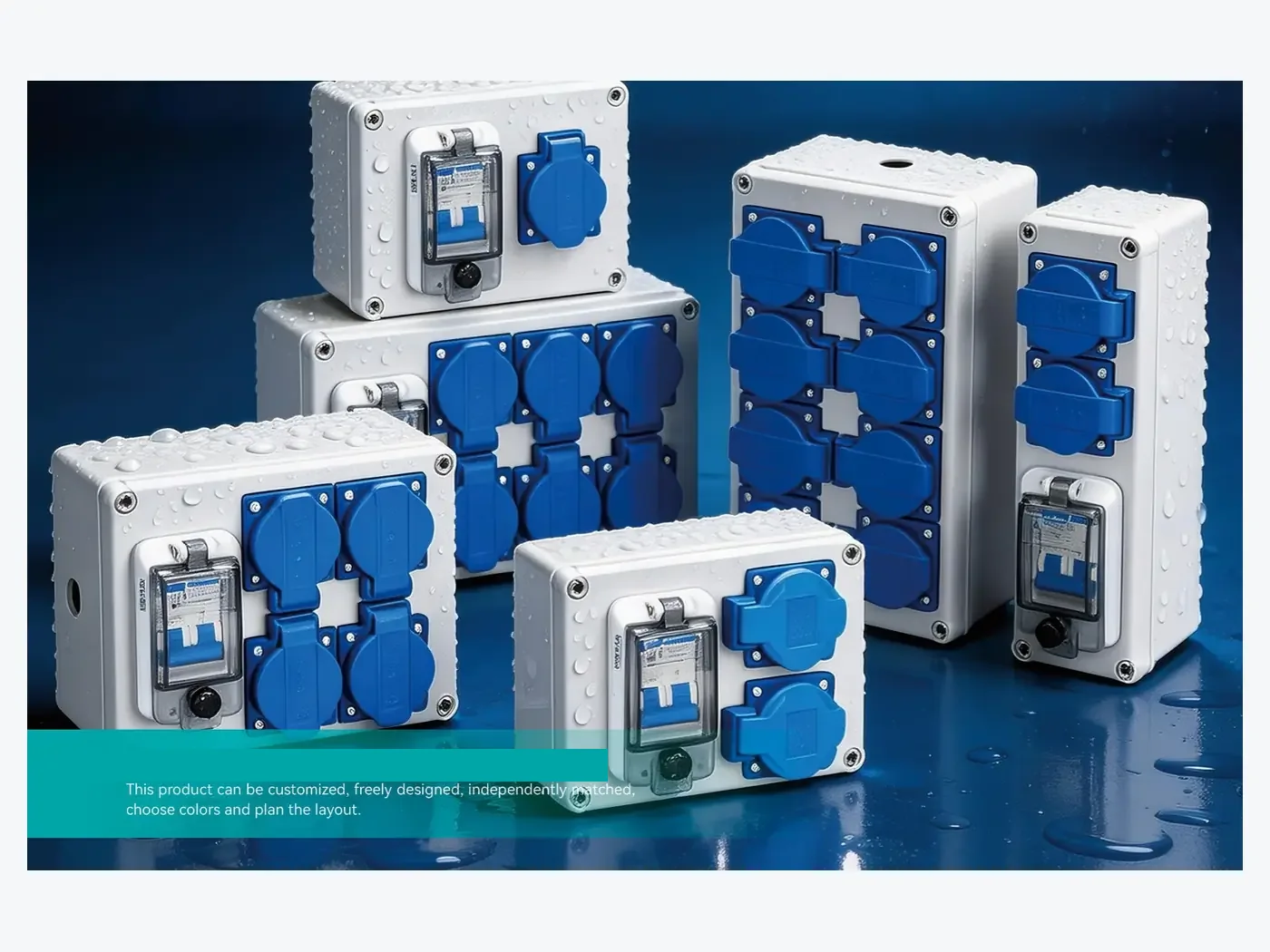
| Equipment power point | Socket connection and local circuit protection | Industrial socket distribution box |
Core Enclosure Solutions for Industrial Automation
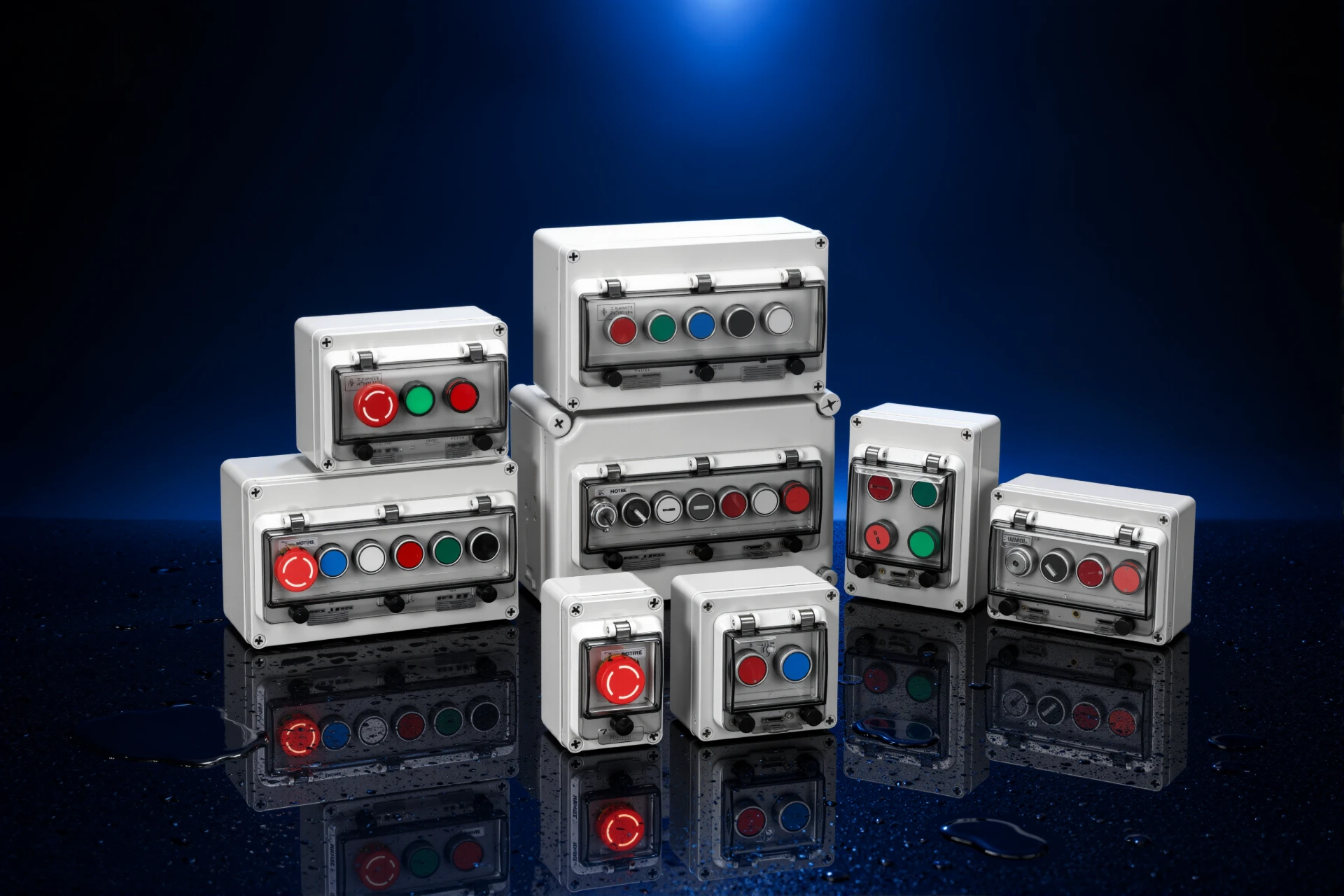
Pushbutton Control Stations for Local Machine Operation
Operators often need to control equipment while standing beside the mechanism they are observing. Returning to a remote HMI for every reset, manual movement or mode change is not always practical during setup, maintenance or fault recovery.
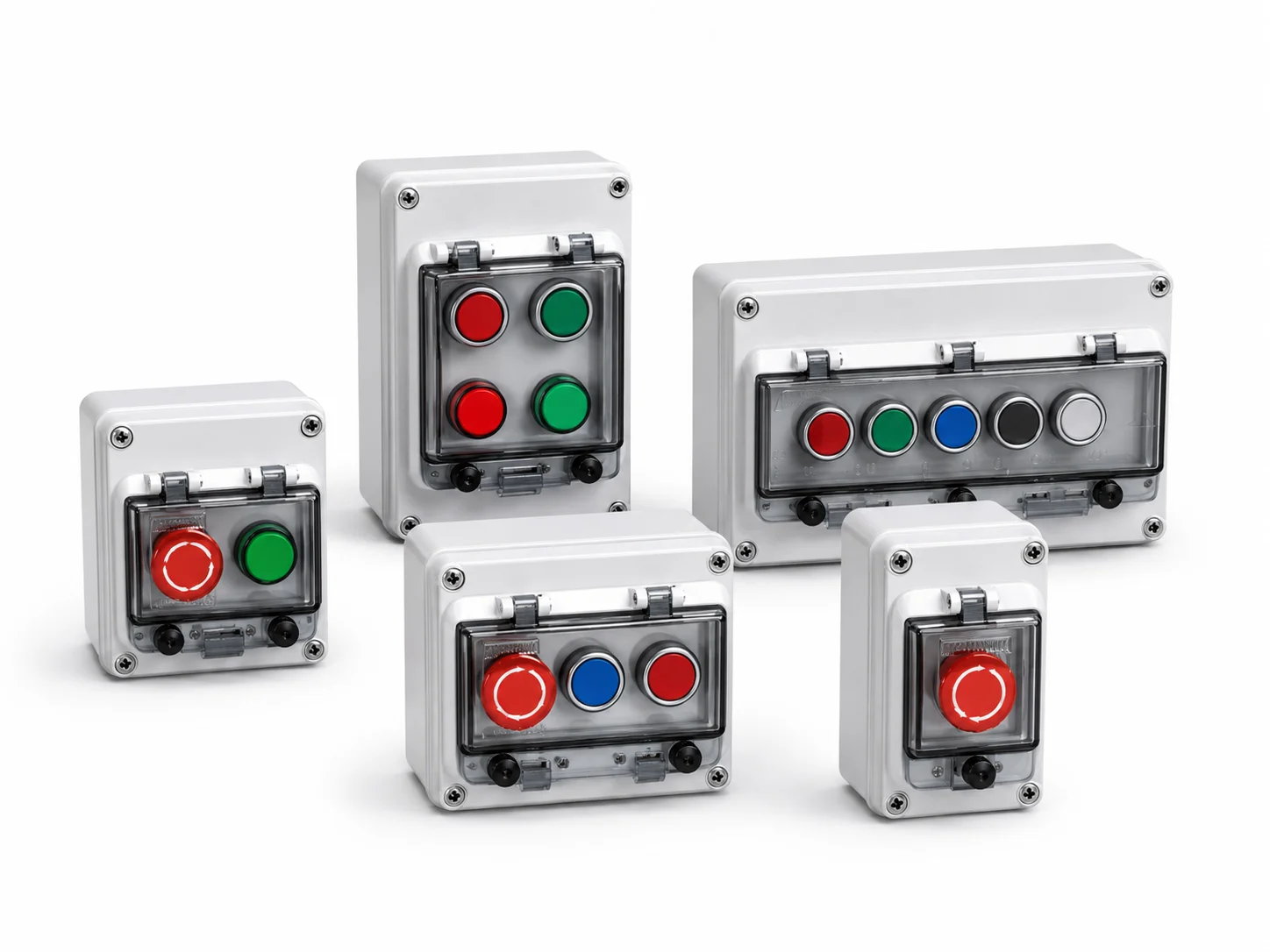
The IP67 Pushbutton Control Station Box provides a compact enclosure platform for common industrial control operators.
Typical configurations can include:
- Pushbuttons
- Selector switches
- Pilot lights
- Emergency-stop devices
Common installation positions include conveyor sections, production machines, pumps, material-handling equipment, operator stations and maintenance access points.
Rather than using one fixed panel layout throughout a factory, the operator quantity and arrangement can be matched to the function of each machine section. A simple station may only need start and stop, while another position may require manual/automatic selection, reset, movement controls, indication and emergency stopping.
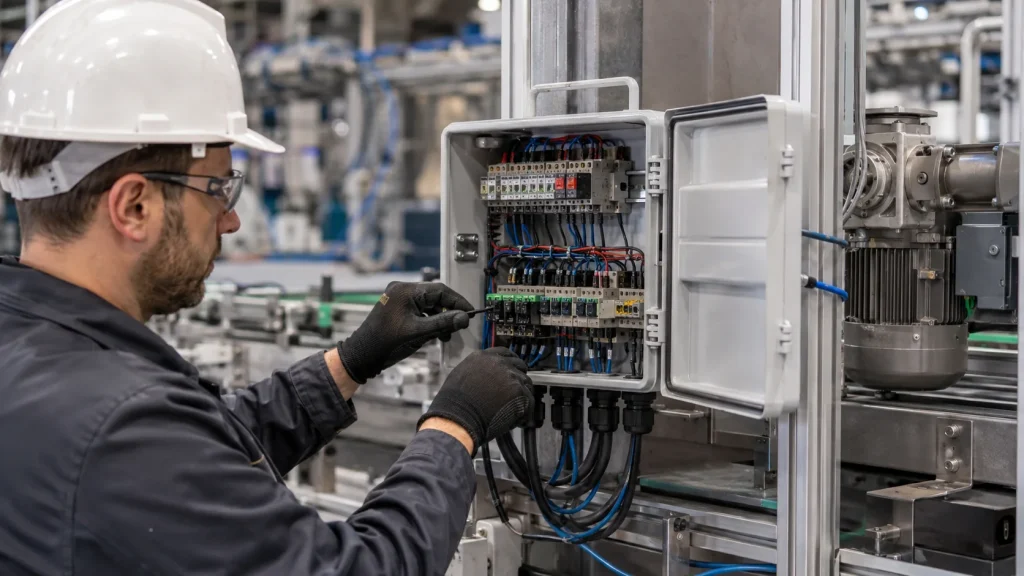
Terminal Boxes for Sensors, Motors and Field Wiring
Automated machinery can generate a large number of field connections between the main control system and equipment installed around the production line.
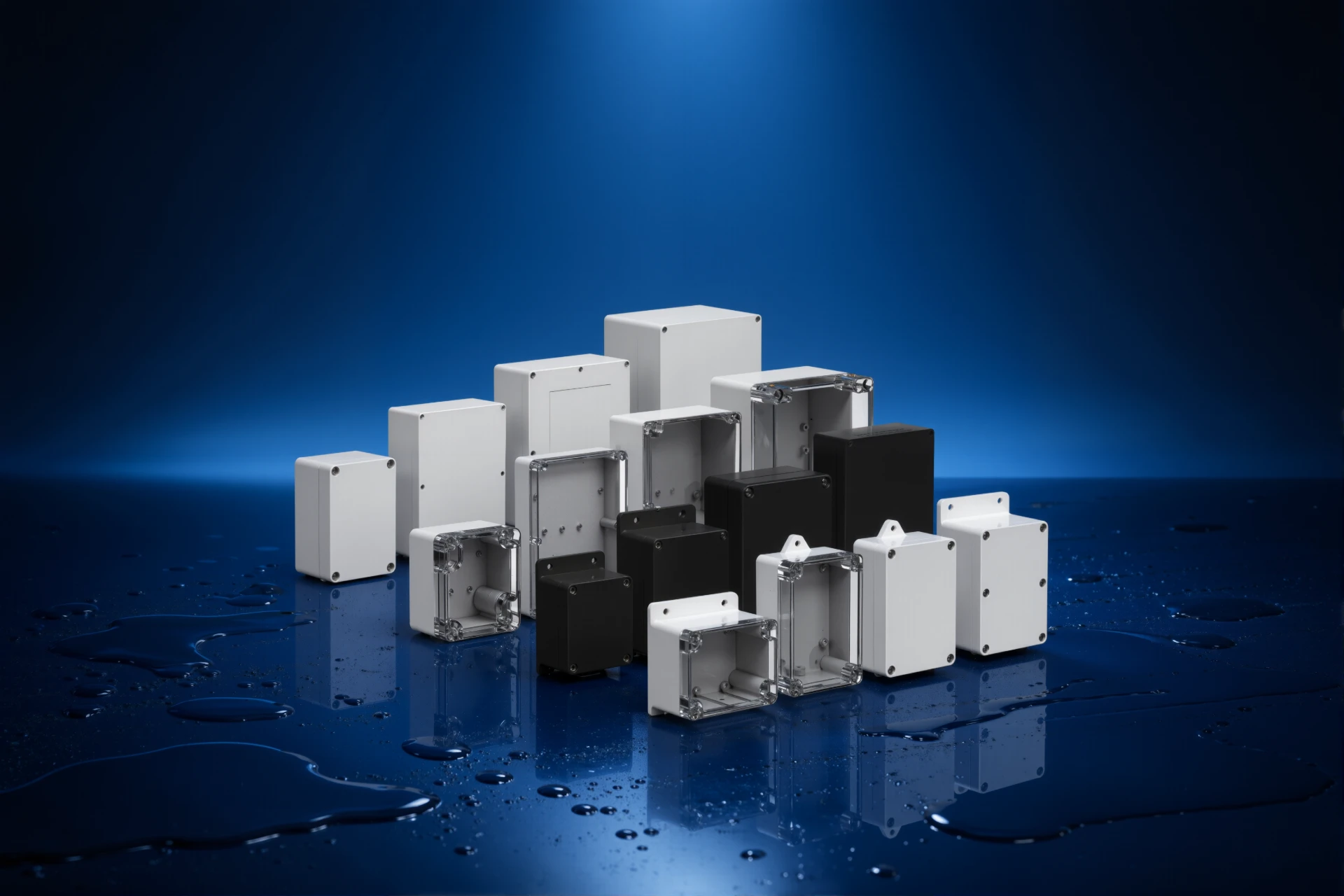
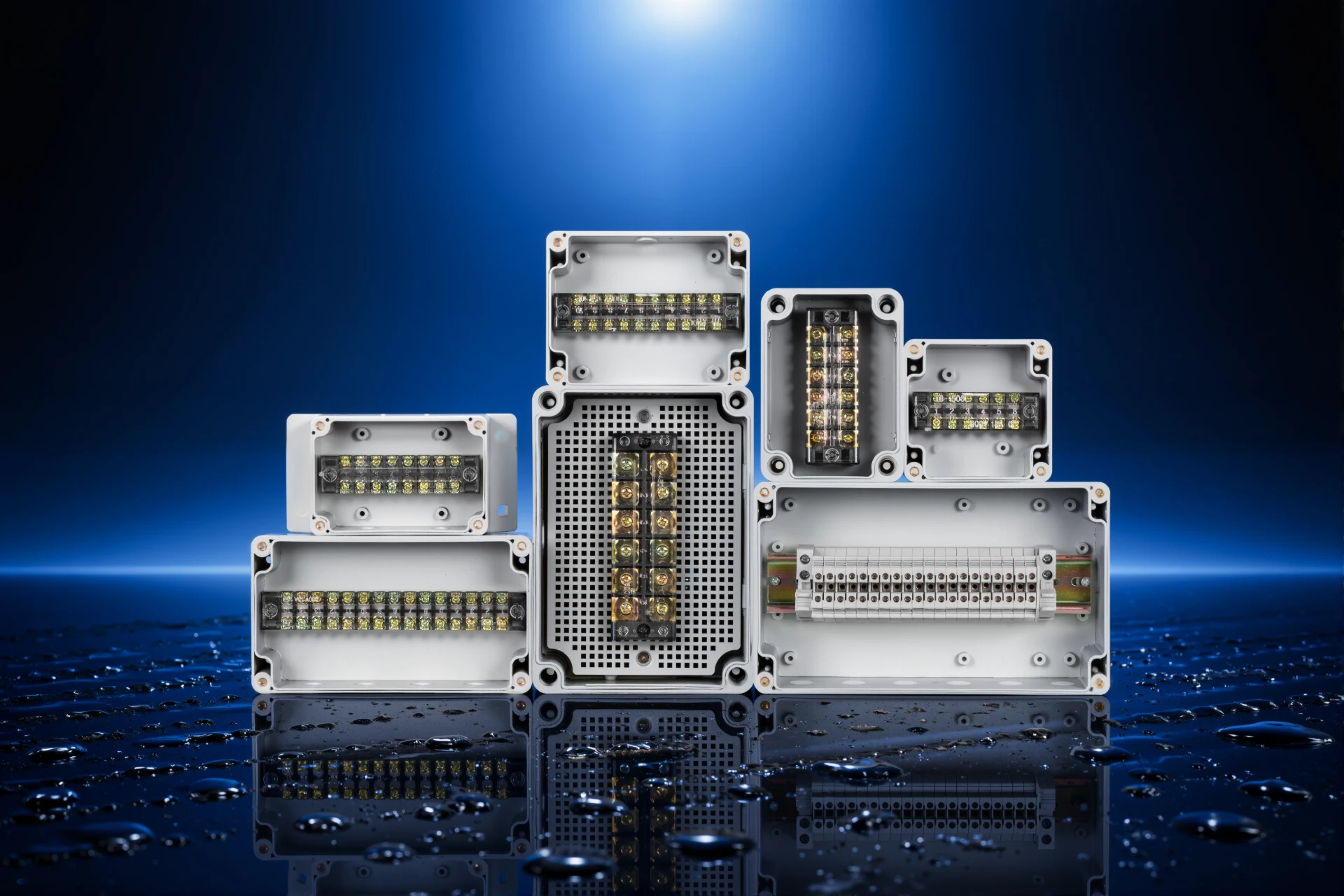
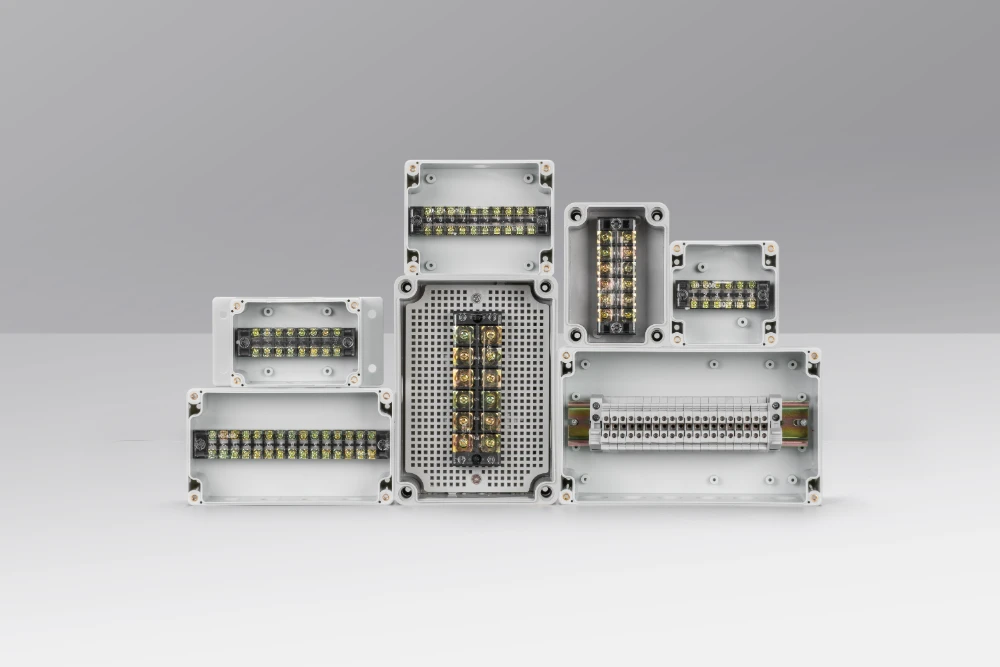
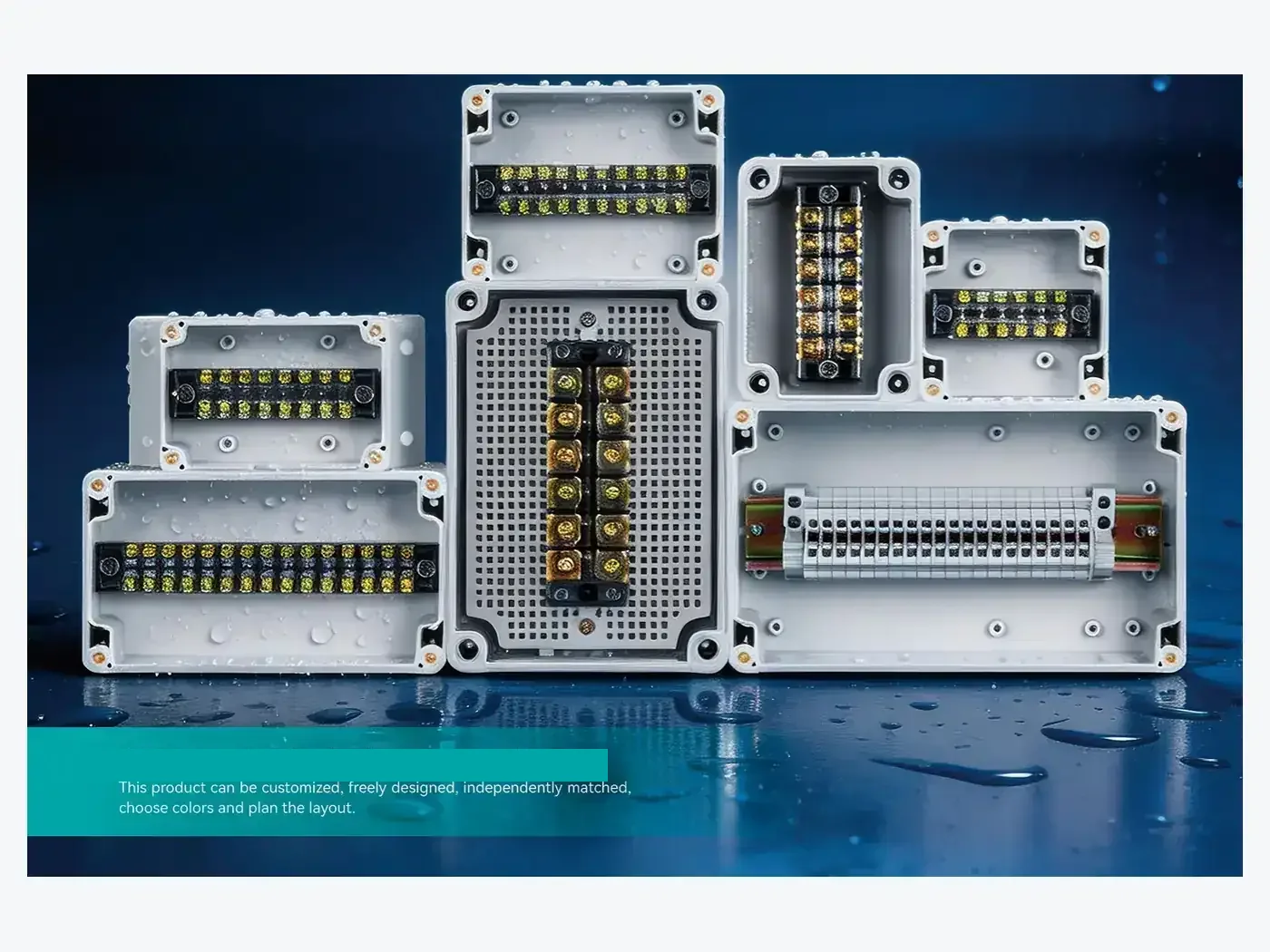
The Waterproof Terminal Block Junction Box provides an organized point for terminating or transitioning conductors close to the equipment.
Typical uses include:
- Motor connections
- Proximity and photoelectric sensors
- Limit switches
- Solenoid valves and actuators
- Control-system wiring
- Production-line field terminals
- Auxiliary machine circuits
For terminal-box selection, internal space matters as much as the outside dimensions. The enclosure needs room for the terminal arrangement, conductor bending, cable glands and access for installation or troubleshooting.
A box that physically fits the terminal blocks but leaves little working space around them can make production wiring and later maintenance unnecessarily difficult.
Hinged Enclosures for Electrical Points That Need Regular Access
Some connection boxes remain closed after commissioning. Others are opened repeatedly for inspection, testing, adjustments or component replacement.
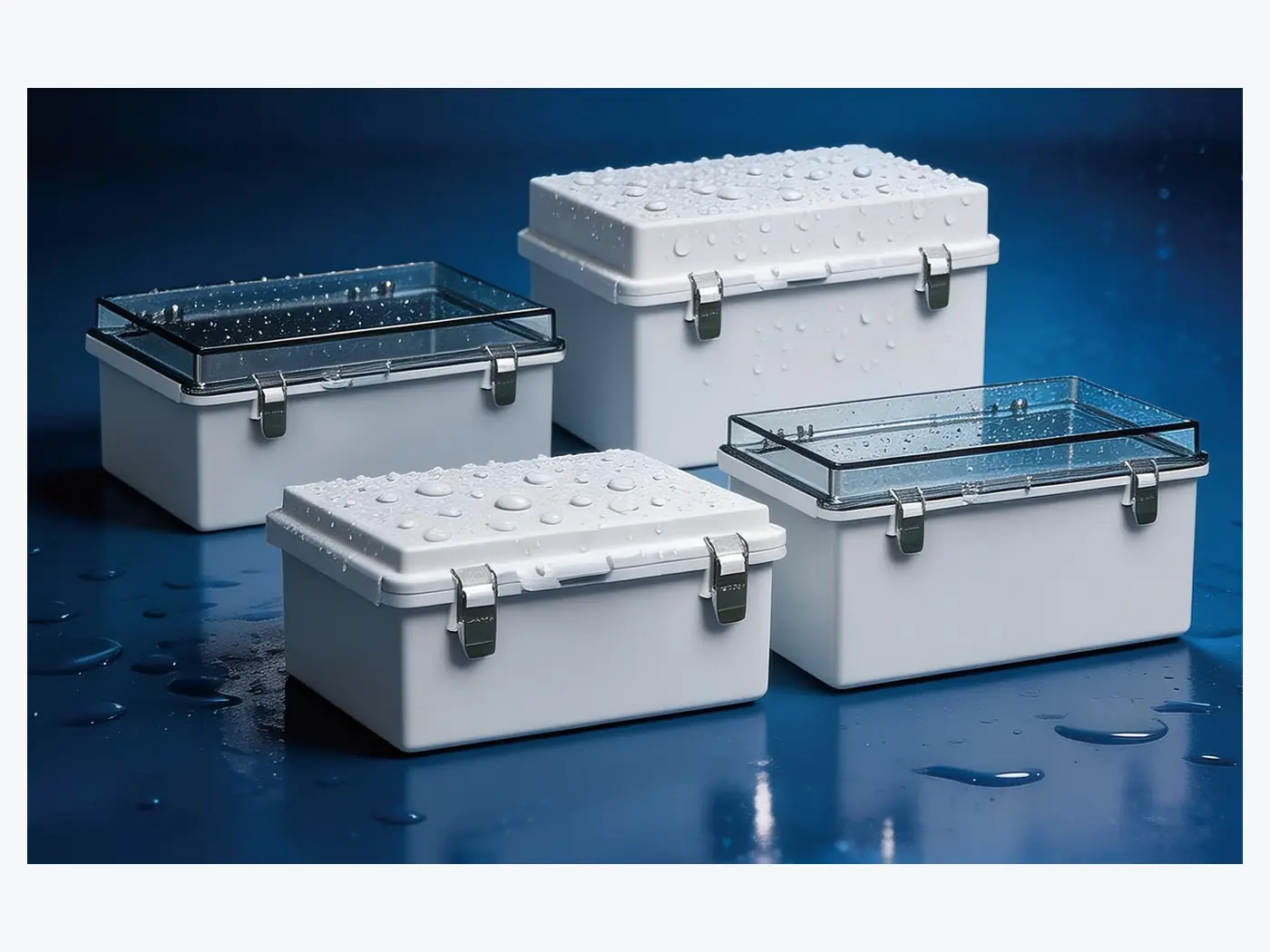
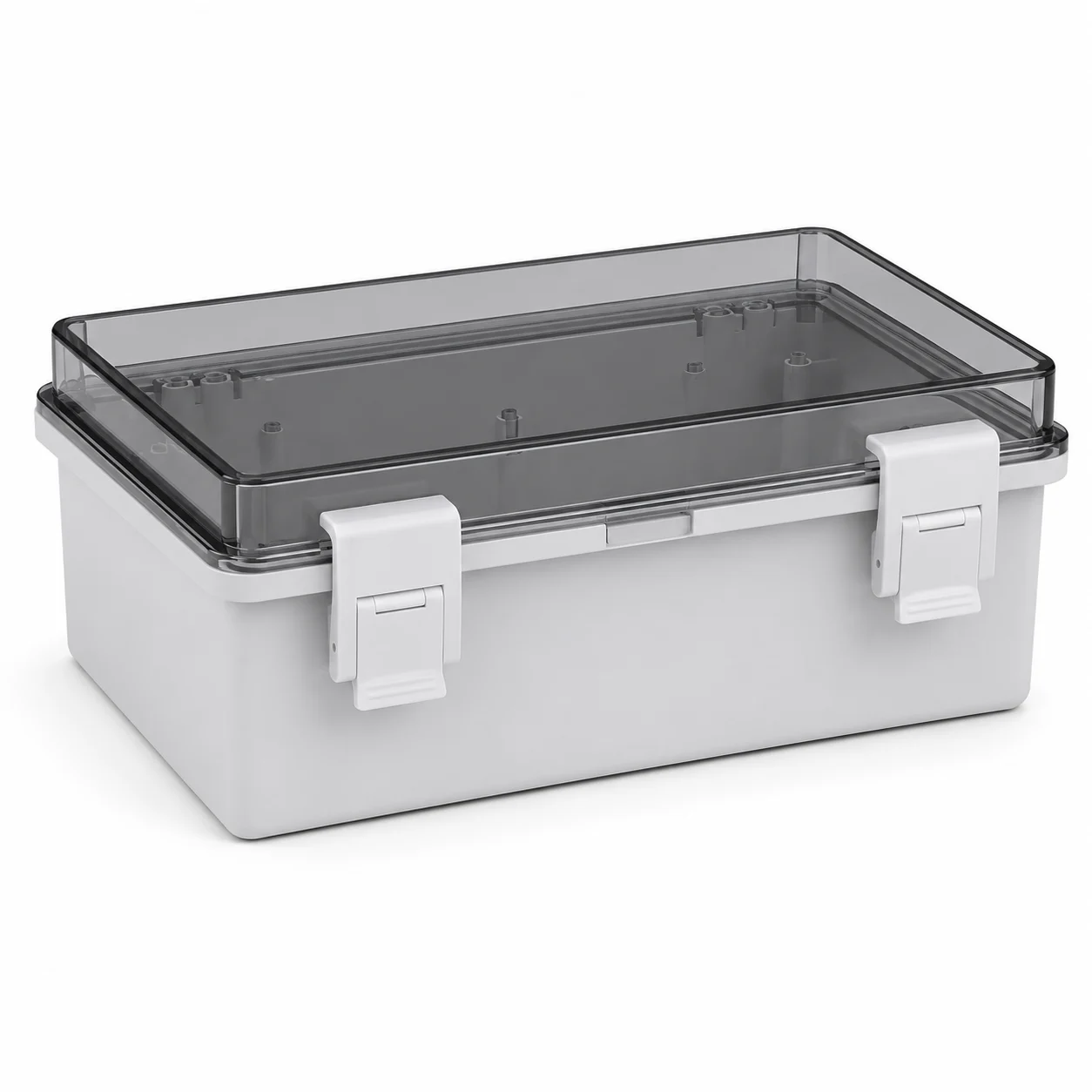
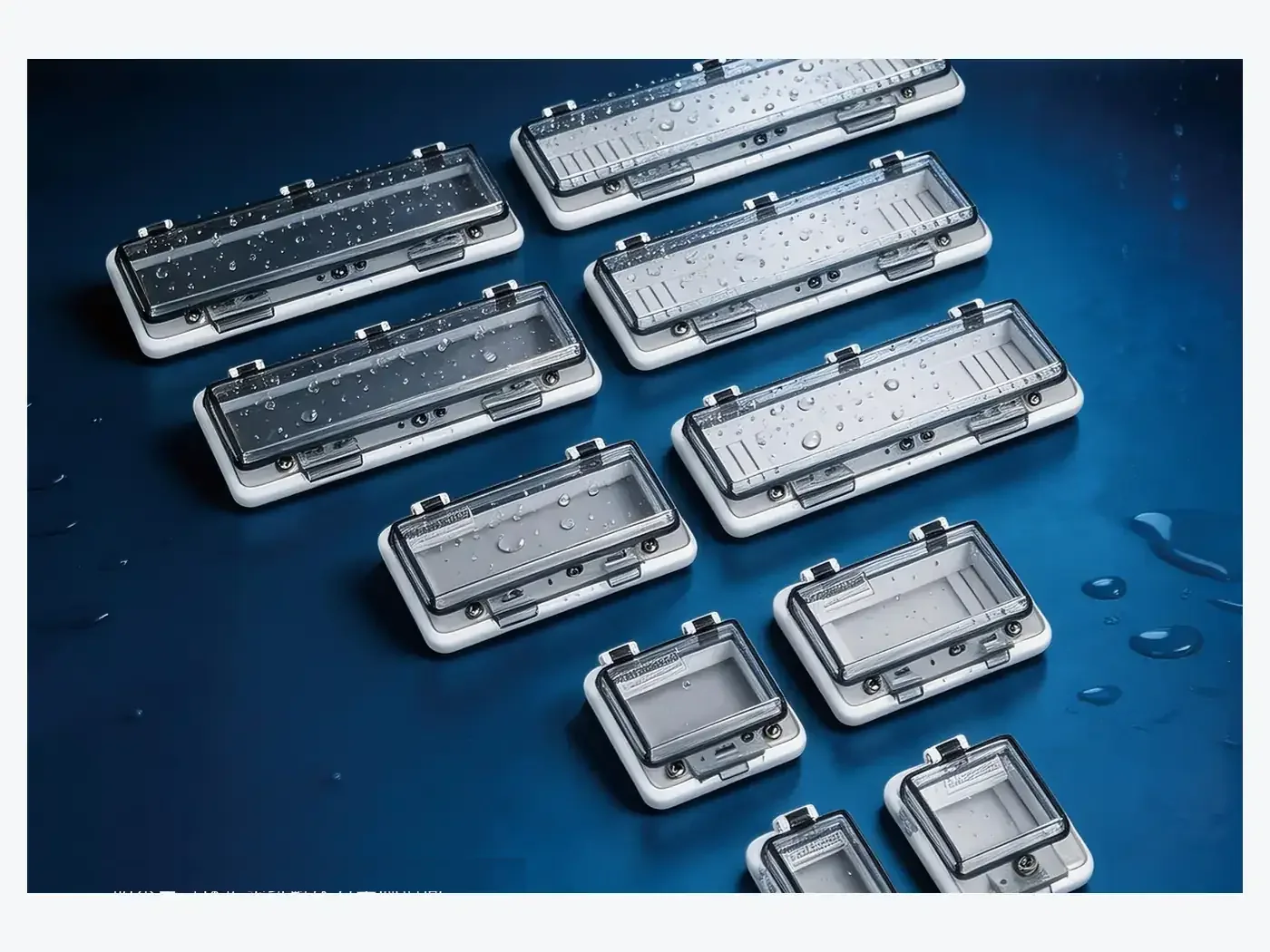
The Industrial IP66 Hinged Waterproof Enclosure is better suited to applications where regular access is part of the maintenance routine.
Possible machine-side uses include:
- Relay and terminal assemblies
- Communication modules
- Auxiliary control components
- Service connections
- Frequently inspected wiring
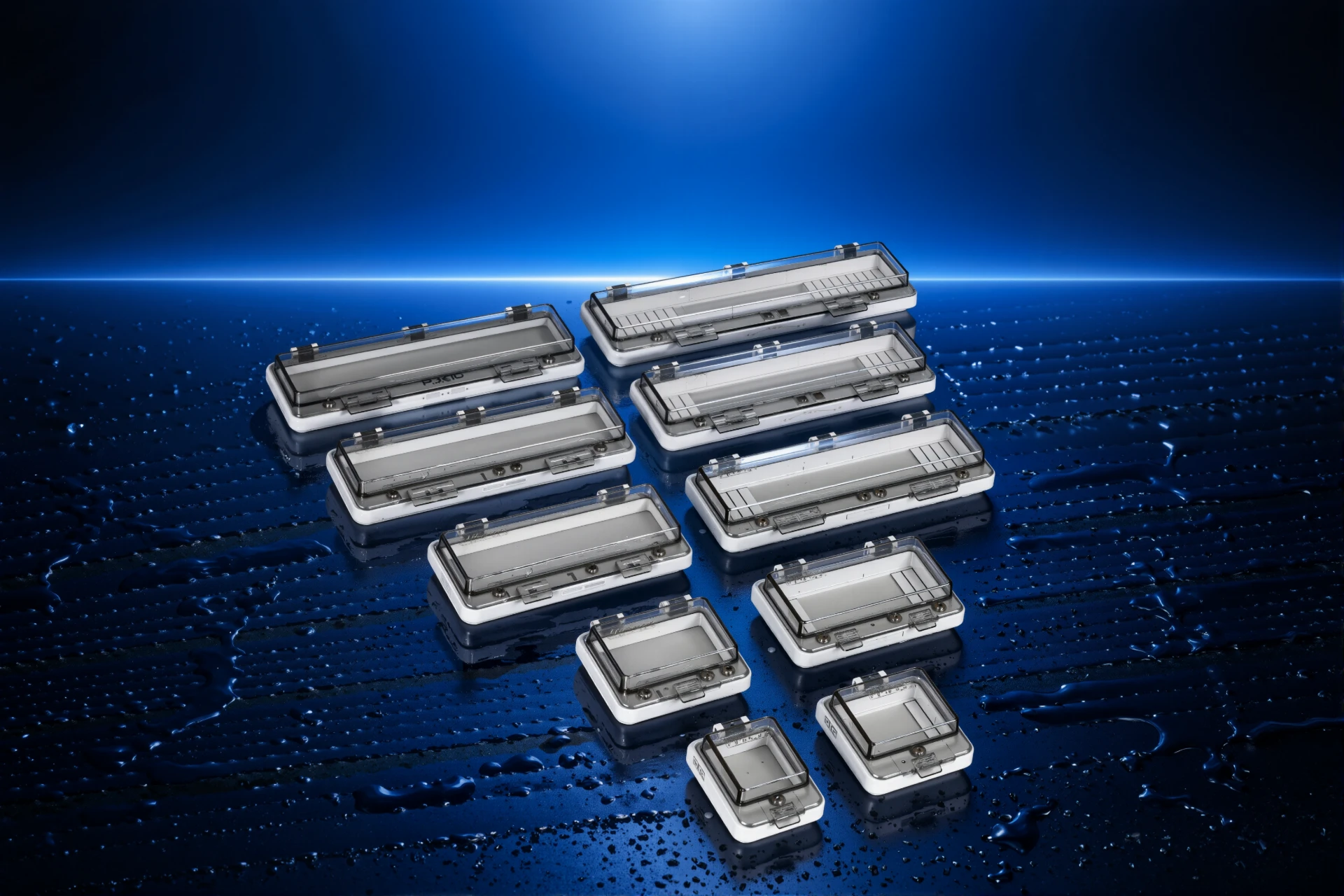
The hinged cover stays attached while the enclosure is open, leaving technicians free to inspect or work on the internal components without handling a separate lid.
Supporting Enclosures for the Rest of the Machine
Pushbutton stations, terminal boxes and hinged enclosures cover many machine-side functions, but other positions may require simpler cable protection, DIN-rail devices or local equipment power.
| Product | Best Fit in an Automation Project | Key Point to Confirm |
|---|---|---|
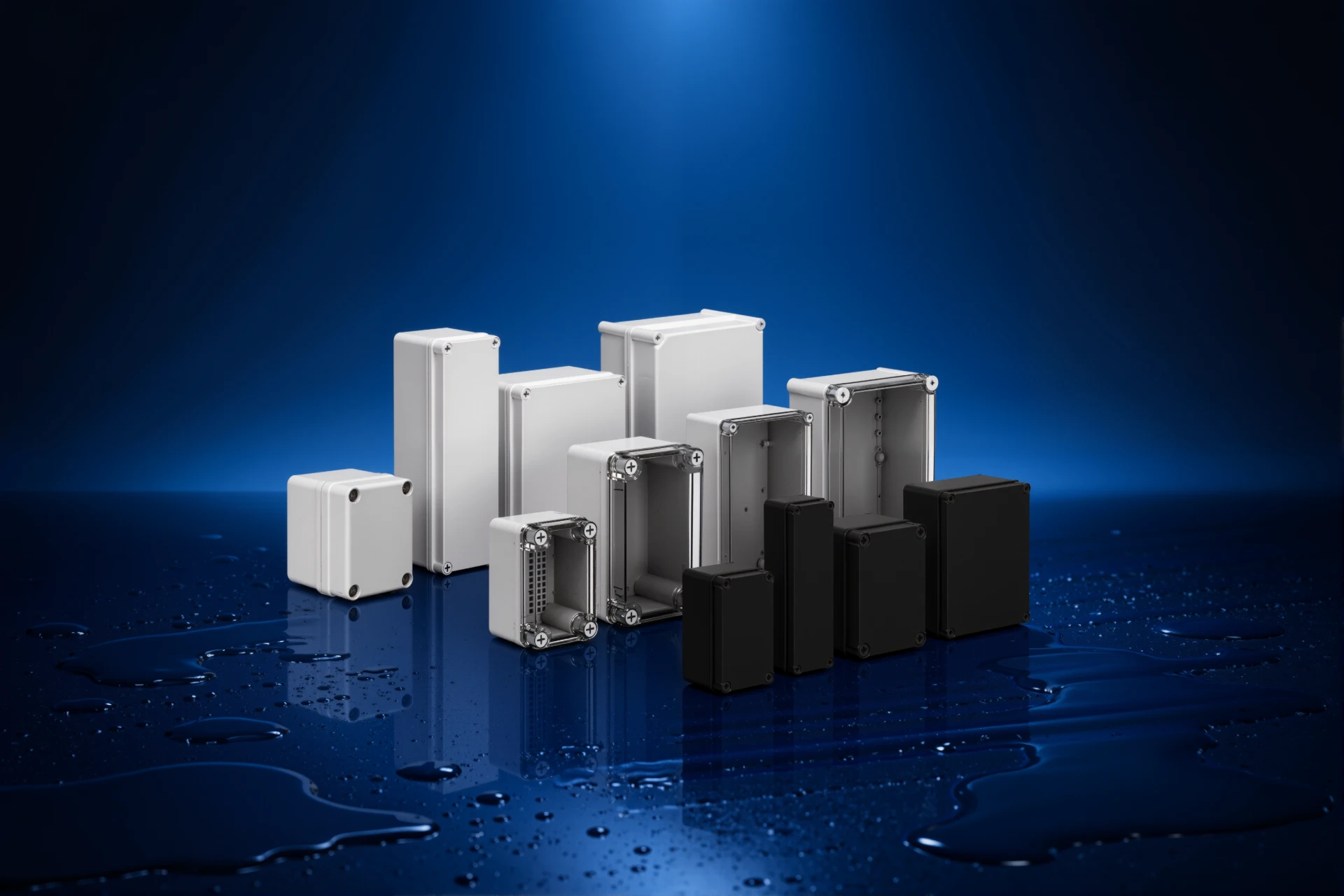
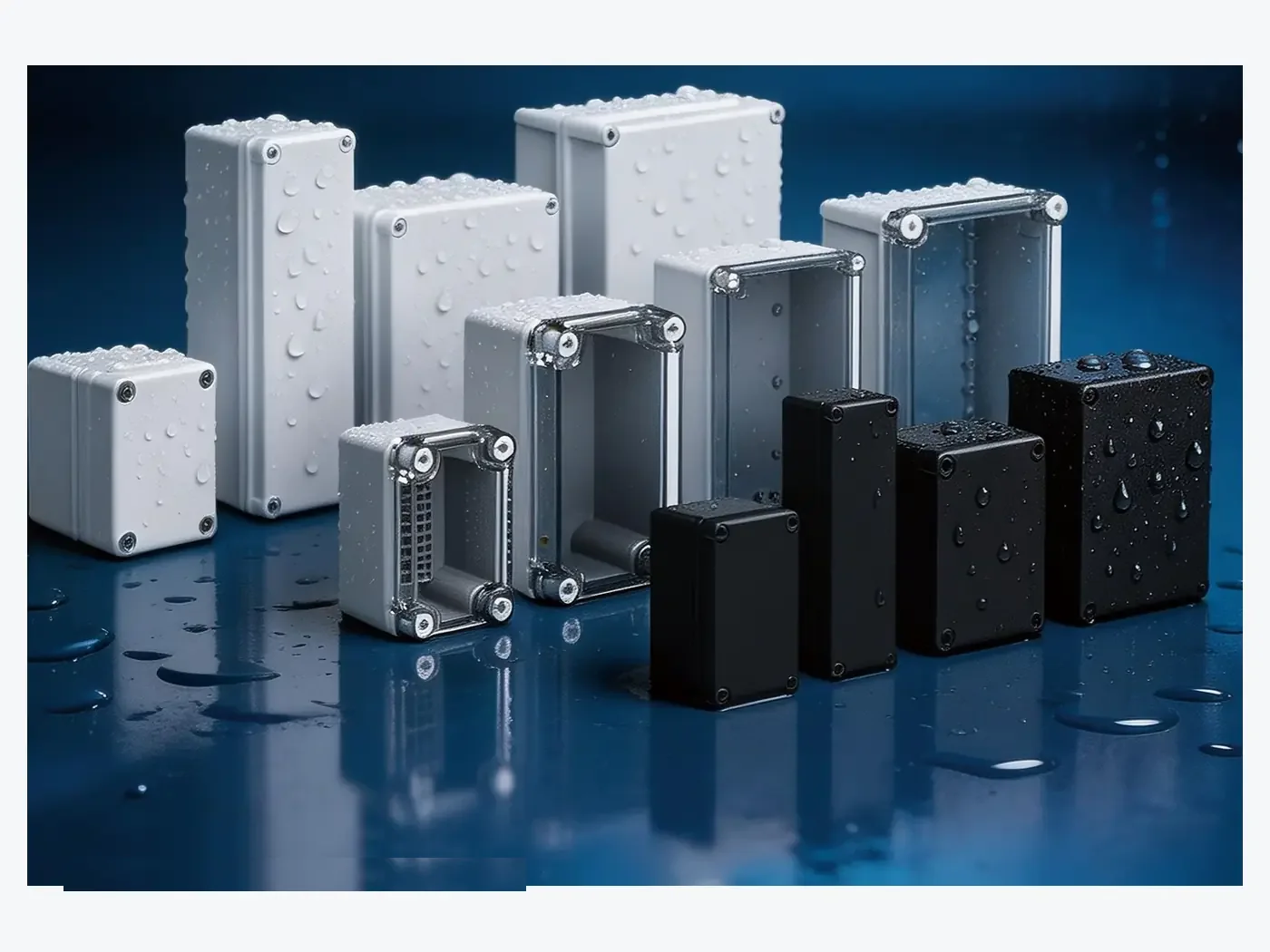
| IP67 Waterproof Junction Box | Machine-side cable joining, branching and control-wire transitions | Cable quantity, gland size, entry direction and internal wiring space |
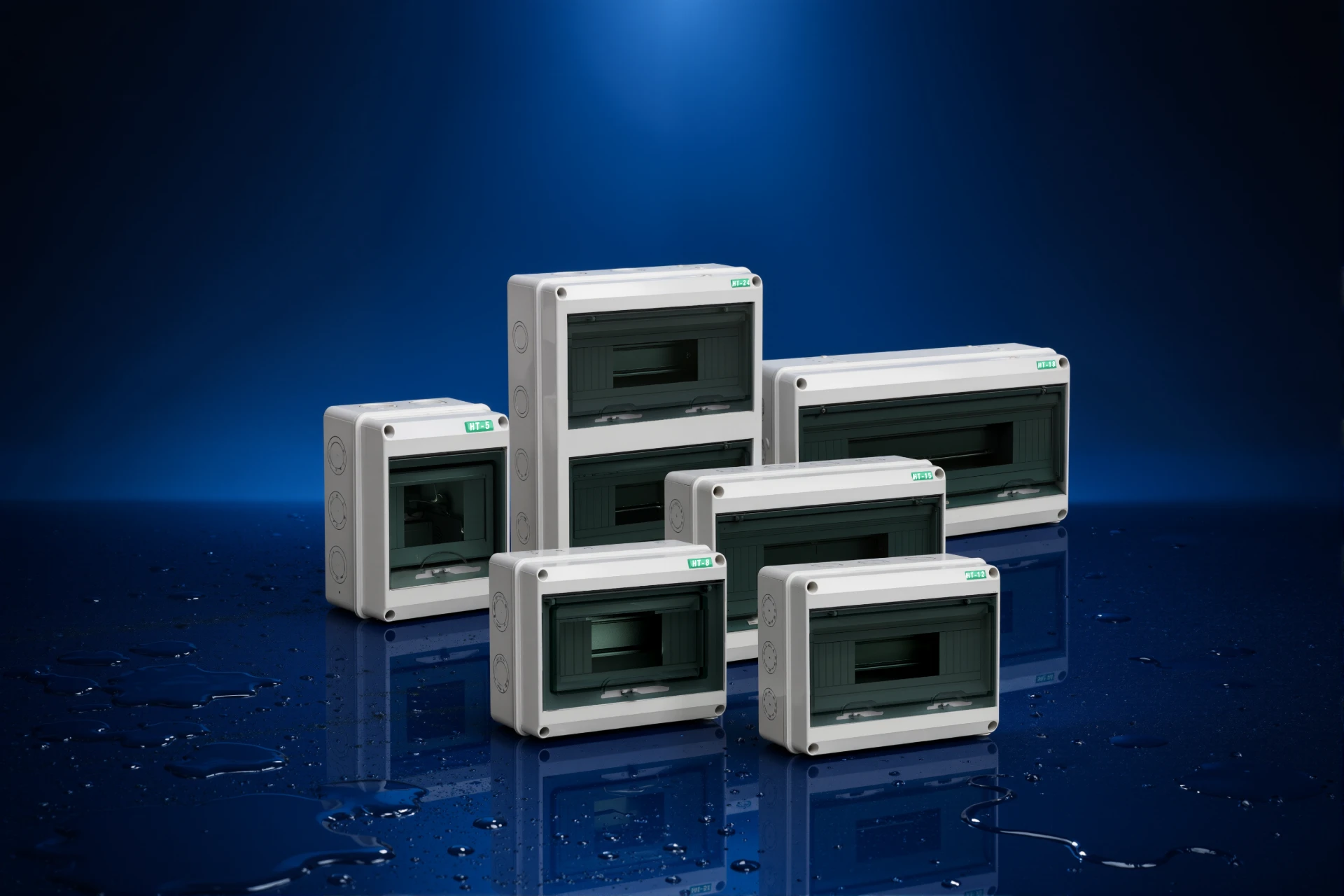
| IP65 DIN-Rail Distribution Box | Local breakers, modular protection devices and small auxiliary circuits | DIN-rail module quantity, internal depth and cable clearance |
| Industrial Plug & Socket Distribution Box | Maintenance tools, portable equipment and local industrial power connections | Socket configuration, electrical rating and required circuit protection |
Using one enclosure format across an entire machine can simplify purchasing, but it often creates compromises in wiring, operator access or maintenance. Standardization works best when locations with the same electrical function share a common enclosure rather than forcing unrelated functions into the same box.
Engineering Details to Confirm Before Production
For OEM machinery, a component layout or machine drawing is usually more useful than an enclosure size alone.
Internal Layout
Check the actual space required by components such as:
- Terminal blocks
- Pushbutton contact blocks
- DIN rails and breakers
- Relays
- Power supplies
- Communication modules
- Connectors
- Internal wiring
Allow working clearance for cable bending, terminal access, labels and future component replacement. Selecting the smallest enclosure that can physically contain the components is not always the most practical choice for assembly or service.
Cable Entry
Machine-side enclosures can receive cables from several directions, so entry positions should be planned before holes are machined.
Confirm:
- Cable and conduit quantity
- Cable outside diameter
- Gland or conduit size
- Required entry side
- Spacing between openings
- Clearance from internal components
For repeated machinery production, using a standardized hole pattern for the same enclosure configuration can simplify assembly, inspection and spare-parts replacement.
Operator Layout and Access
For a control station, the front panel should follow the operator's task rather than simply filling all available positions.
A straightforward machine may need only start and stop controls. A service position could require manual mode, reset and jog commands. More complex equipment may combine selectors, movement controls, indication and emergency stopping.
Emergency-stop devices form part of the complete machinery safety system. Their location, electrical circuit and safety function must be determined by the machine design and risk assessment rather than by the enclosure alone.
Real Application: Plant-Wide Pushbutton Stations in an Automated Factory
In 2026, an automated manufacturing and material-handling facility in Jiangsu, China installed multiple customized local pushbutton control stations across production areas.
The factory already used centralized PLC control, HMIs and main electrical cabinets. Local stations were added where operators and maintenance personnel needed to issue commands while directly observing the corresponding machinery.
Applications included:
- Automated conveyors and transfer sections
- Lifting and material-handling equipment
- Automated storage systems
- Guarded machine cells
- Inspection and positioning stations
- Maintenance and manual-control points
- Emergency-stop access locations
The plant did not use one identical button-box configuration everywhere. Compact stations were used for simple local commands, while larger stations combined selectors, pushbuttons, indicators and emergency-stop devices where the operating sequence required more functions.
Once installed, operators could perform manual movements, mode selection, resets and status checks beside the relevant equipment instead of relying only on the central HMI. Maintenance personnel could test individual functions while observing machine response directly during setup, sensor adjustment and fault recovery.
At the same time, common enclosure structures, labeling methods and cable-entry arrangements helped the factory maintain a consistent control-station format across different production areas.
View the Automated Factory Pushbutton Control Station Case →
OEM Enclosures for Machinery and Series Production
Machine builders do not necessarily need a new mold for every control or connection point.
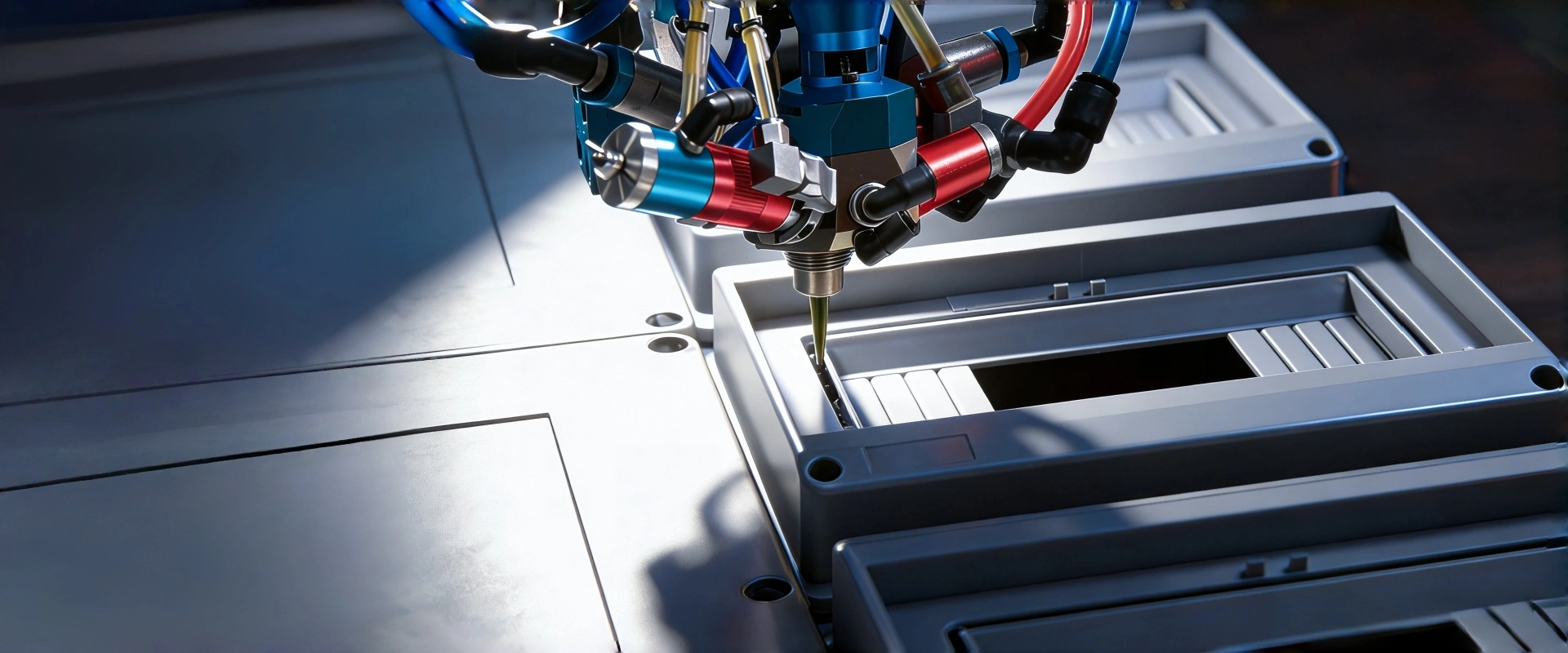
When a standard BOWO enclosure provides suitable dimensions and structure, project-specific preparation can be evaluated around the equipment design.
Typical OEM requirements may include:
- Pushbutton and selector openings
- Cable-gland or conduit holes
- Connector openings
- DIN-rail preparation
- Terminal arrangements
- Internal mounting components
- Printed logos or equipment identification
- Custom colors
- Project-specific packaging
For machinery that will move from prototype to repeated production, enclosure standardization should be considered early. Using the same enclosure size, hole layout and mounting arrangement for machines with the same electrical function can simplify production preparation and future spare-unit planning.
A dedicated structural design can be evaluated when an existing enclosure cannot accommodate the required internal components, front-panel layout or installation space.
What to Send for an Industrial Automation Enclosure Project
For an OEM or factory project, send the information that defines the actual installation:
| Information | What to Provide |
|---|---|
| Machine or equipment | Conveyor, pump, packaging machine, production equipment, material-handling system or other application |
| Enclosure function | Operator control, terminal connection, cable branch, local protection or equipment power |
| Internal components | Terminals, switches, breakers, relays, buttons, indicators or other devices |
| Dimensions | Required enclosure size or internal component layout |
| Cable entry | Cable/conduit quantity, diameter, gland size and entry position |
| Environment | Indoor/outdoor location and exposure to dust, moisture, splash, oil mist or other conditions |
| Operator layout | Button, selector, indicator and emergency-stop positions where applicable |
| Customization | Machining, labels, printing, color, mounting accessories or internal preparation |
| Production quantity | Prototype, trial batch, series-production quantity and spare units |
A dimensioned drawing, control-station layout or photograph of the machine mounting position can often narrow the enclosure choice faster than a model-number enquiry alone.
Frequently Asked Questions
What enclosure is suitable for sensors, motors and machine field wiring?
A terminal block junction box is often a practical option where multiple field conductors need an organized connection or transition point. Terminal quantity, conductor size, cable entry and usable wiring space should be confirmed before choosing the enclosure.
Can a BOWO pushbutton box be used with emergency-stop devices?
The IP67 pushbutton control-station enclosure can accommodate common industrial operators including emergency-stop devices. The complete emergency-stop function, circuit and installation position must still follow the machinery safety design and project requirements.
Can holes for pushbuttons, connectors and cable glands be prepared before delivery?
Selected standard enclosures can be evaluated for customized openings and machining. A dimensioned drawing showing hole diameter, center position, spacing and quantity should be confirmed before production.
Should one enclosure type be standardized across an entire production line?
Standardization is useful when several locations perform the same electrical function. However, operator controls, terminal connections, DIN-rail protection and equipment power have different layout and access requirements. Standardizing by function is usually more practical than forcing one box design into every position.
Does BOWO supply complete PLC automation control cabinets?
BOWO's current product range focuses on waterproof junction boxes, terminal boxes, distribution boxes, pushbutton control-station enclosures and related electrical enclosure products. A complete PLC cabinet or fully engineered automation control system is a different project scope and should not be assumed to be included with these standard enclosure products.
Send Your Machine Drawing or Control-Station Requirement
If you are selecting enclosures for industrial machinery, automated production equipment or series-production OEM projects, send BOWO your machine drawing, component layout or control-station schedule.
Please include:
- Machine application
- Required enclosure function
- Internal component layout
- Front-panel drawing where applicable
- Cable or conduit requirements
- Installation environment
- Required quantity by configuration
- Prototype and series-production plans
BOWO can review whether an existing pushbutton station, terminal box, hinged enclosure, junction box or distribution box provides a practical starting point for the project.