

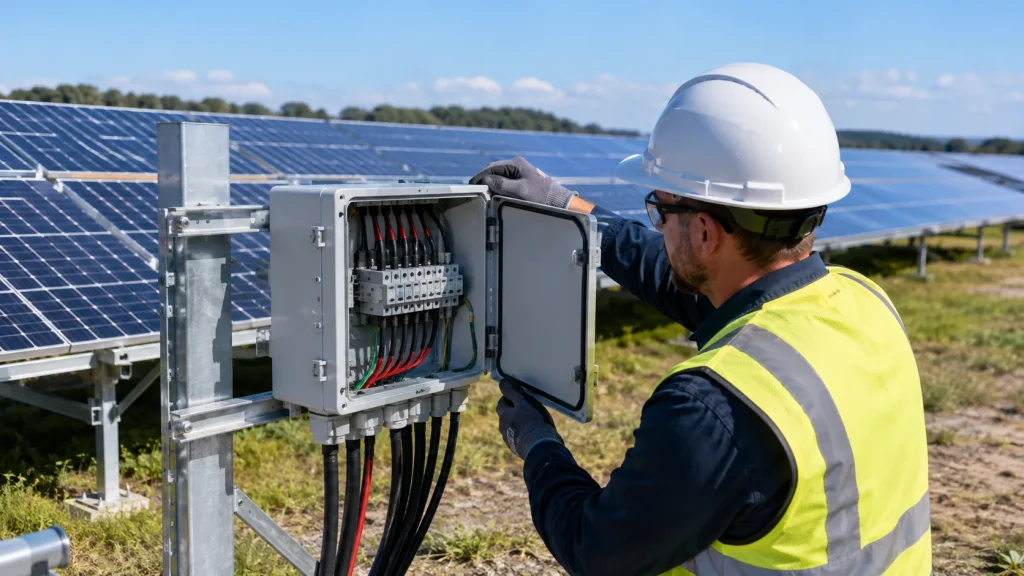
Solar PV and battery energy storage projects often need electrical protection outside the main inverter, battery cabinet or power conversion equipment. Cable connections, DIN-rail protection devices, monitoring circuits, auxiliary power and local DC distribution may all require separate enclosures across the installation.
BOWO Electric supplies waterproof junction boxes, DIN-rail distribution boxes, DC distribution enclosures and hinged electrical boxes for these supporting electrical positions. The enclosure is selected around the actual components, cable entries, mounting position and site exposure rather than the industry name alone.
This application page focuses on supporting electrical enclosures used around solar PV and energy storage equipment. Complete battery cabinets, inverter housings and power conversion systems are outside the scope of the standard enclosure products shown here.
Where Are BOWO Enclosures Used in Solar PV and Energy Storage Systems?
A PV or energy storage site can contain many distributed electrical connection points. Each position has a different function, so one enclosure type does not fit the whole project.
| System Position | Typical Electrical Function | Suitable Enclosure Direction |
|---|---|---|
| PV field or array wiring | Cable connections, branching and terminal protection | IP-rated waterproof junction box |
| Local protection point | MCBs, DIN-rail protection devices and auxiliary circuits | Waterproof DIN-rail distribution box |
| DC distribution area | Selected DC protection and distribution components | DC distribution enclosure |
| Monitoring and communication point | Terminals, communication wiring and small electrical modules | Junction box or hinged enclosure |
| Energy storage equipment perimeter | Auxiliary control, monitoring and supporting electrical circuits | Distribution or hinged electrical enclosure |
| Maintenance-access point | Electrical components requiring repeated inspection | Hinged enclosure with suitable access |
Recommended BOWO Enclosures for Solar Applications
AG Series IP67 Waterproof Junction Box
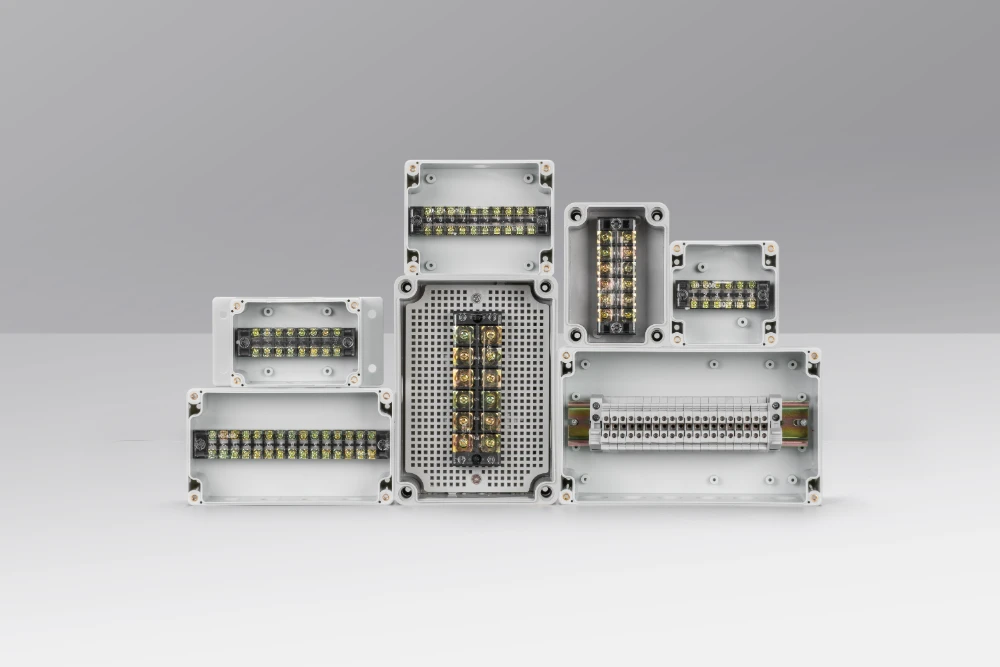
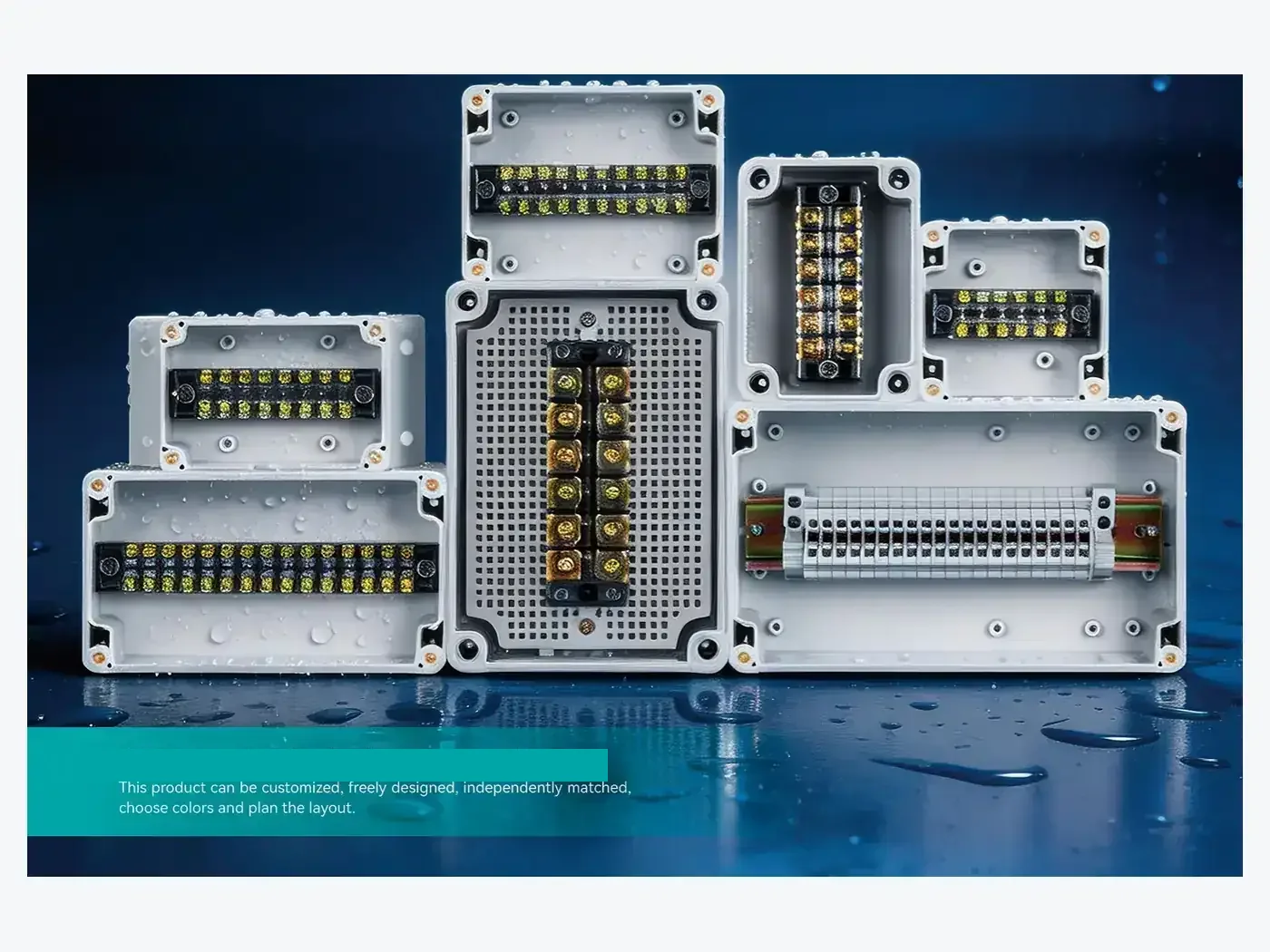
Distributed PV installations often have cable or terminal connections away from the main electrical cabinet. These connection points need an enclosure that can be matched with the required cable glands, wiring direction and mounting position.
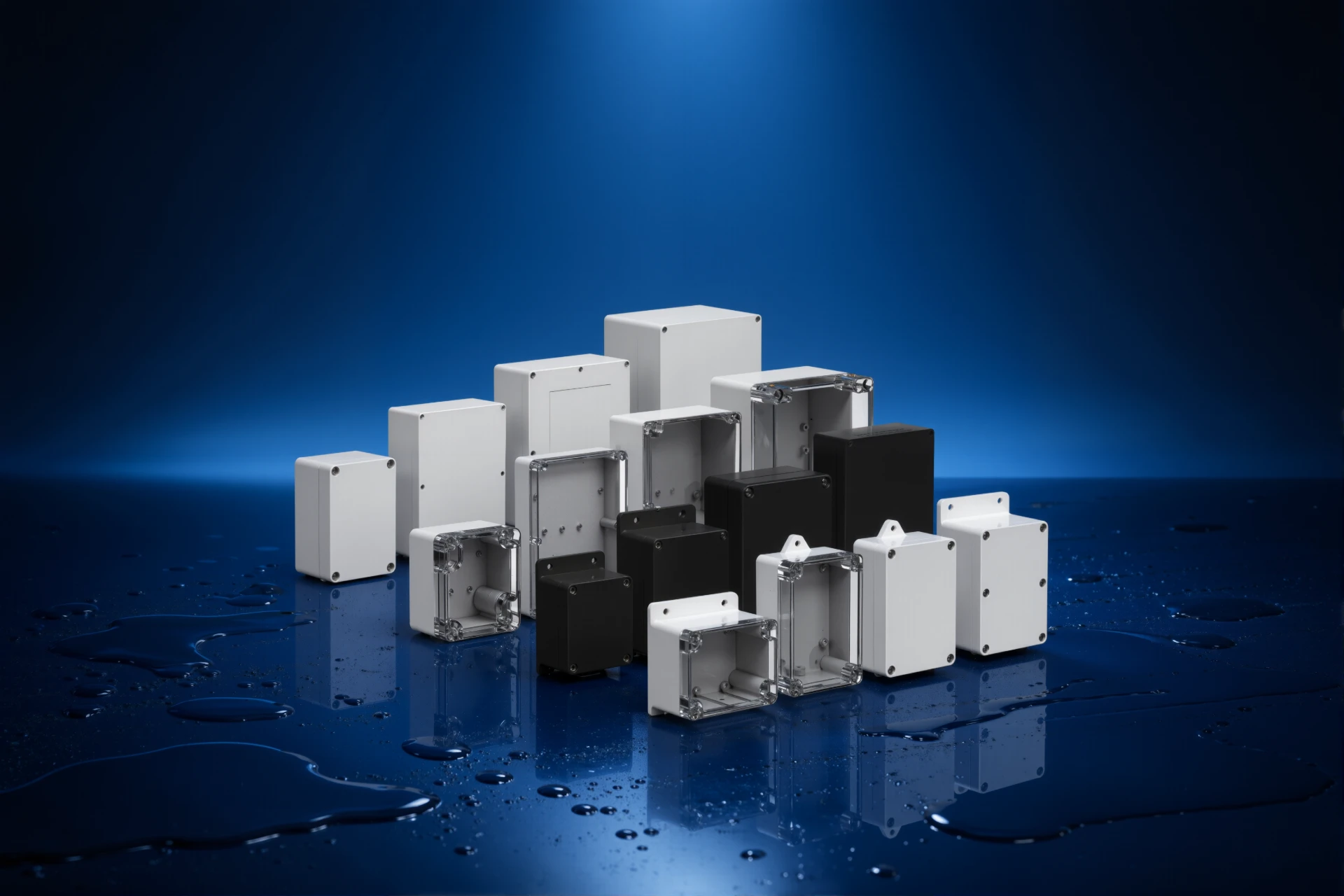
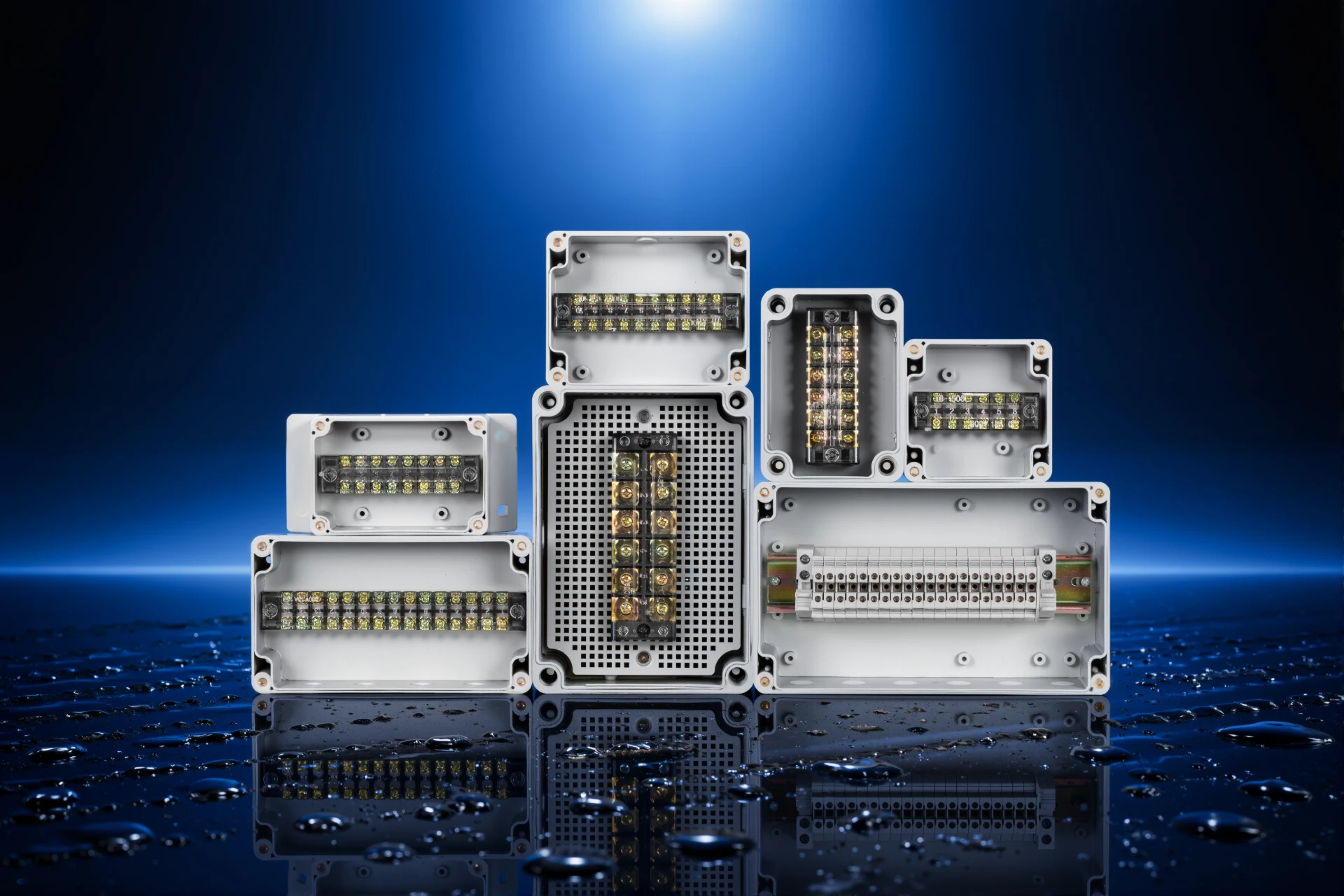
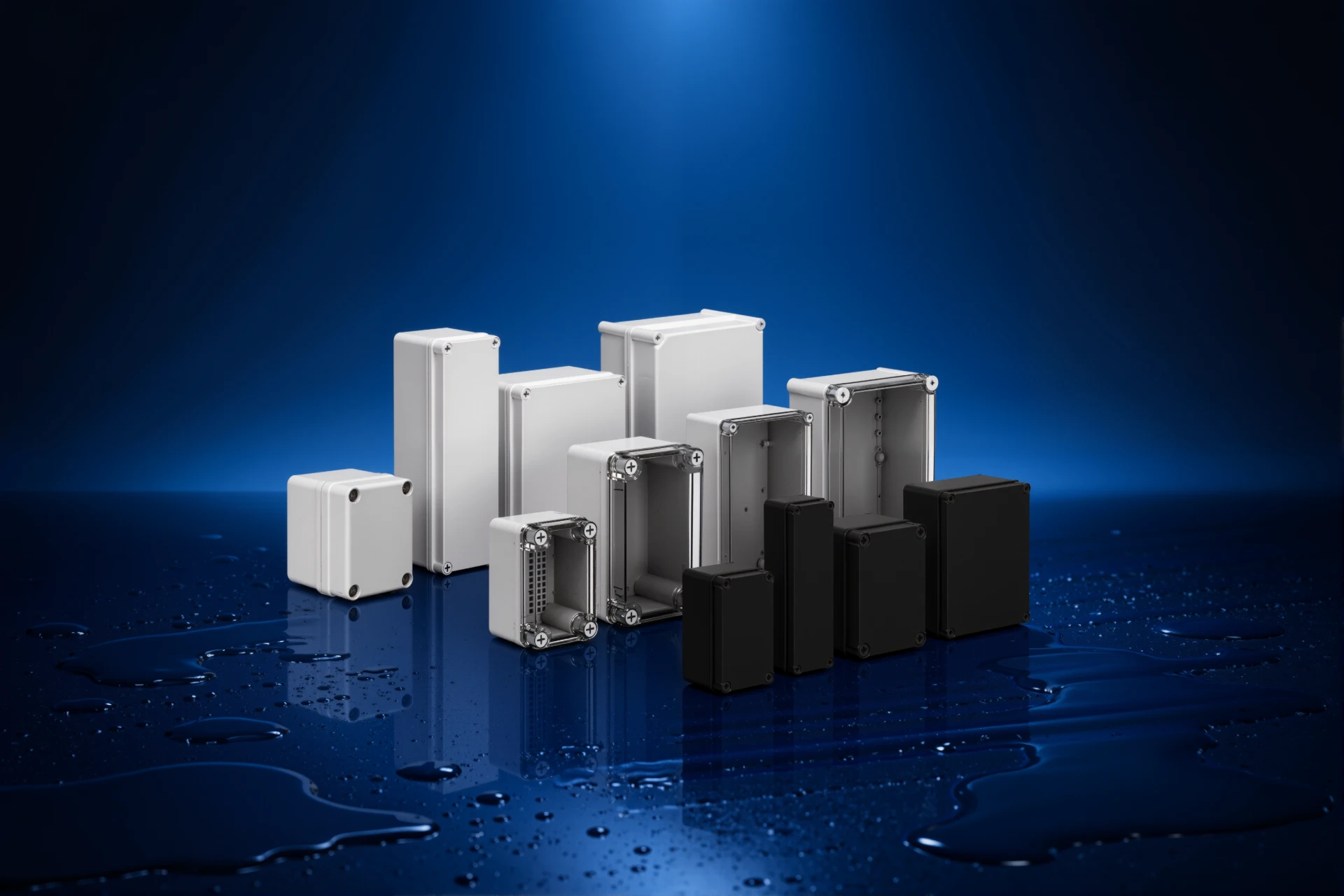
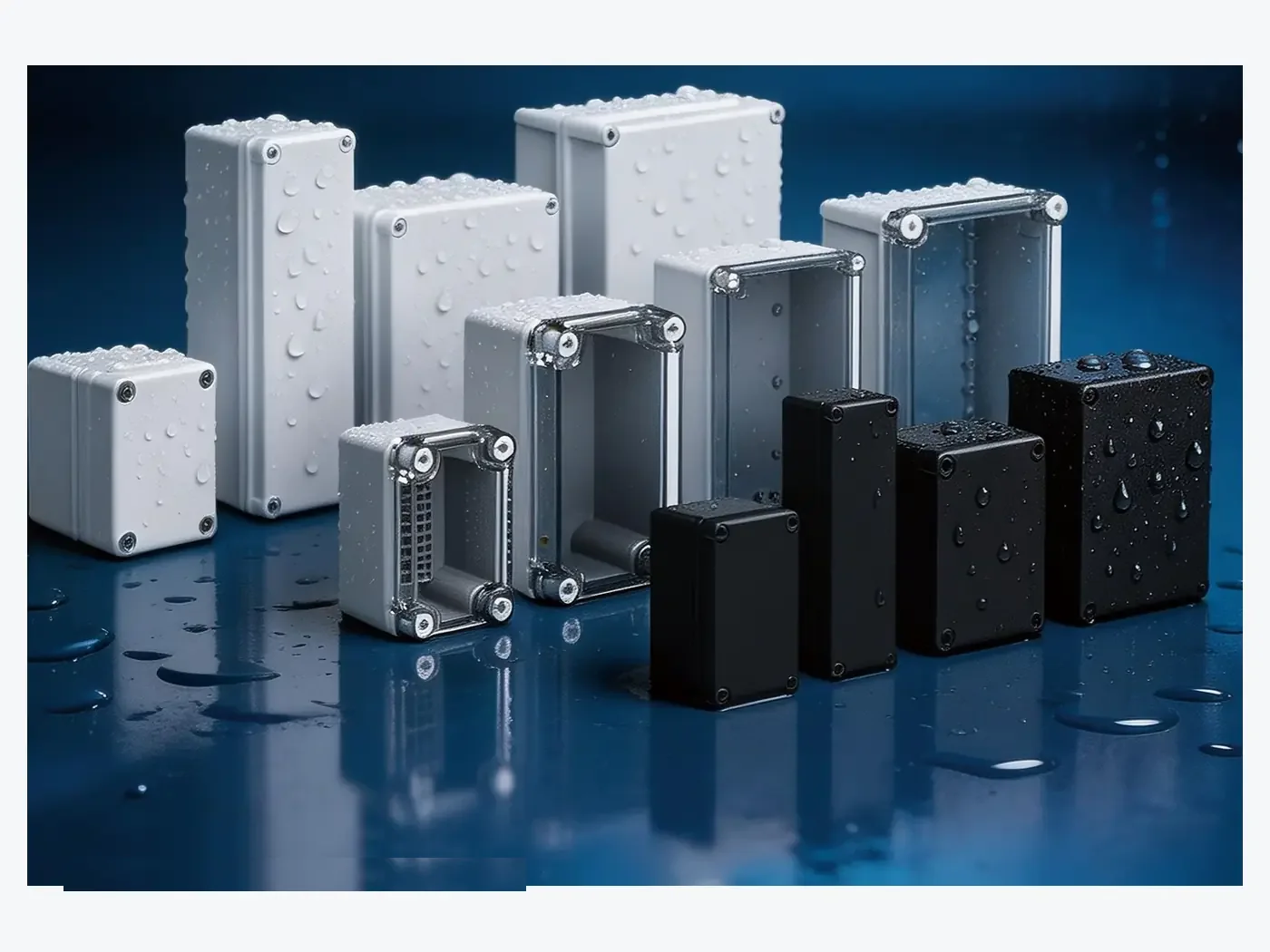
The AG Series IP67 outdoor waterproof junction box provides a compact enclosure platform for selected outdoor cable and electrical connection applications.
Depending on the model and project configuration, it may be considered for:
- PV field cable connections
- Monitoring and sensor wiring
- Auxiliary electrical connections
- Communication cable termination
- Distributed outdoor connection points
Before ordering, confirm the cable quantity, outside diameter, cable-gland specification and required entry positions. The completed installation must maintain the protection required by the project.
HT Series IP65 DIN-Rail Distribution Box
Where a solar installation requires modular electrical protection, the enclosure needs more than cable-connection space. DIN-rail compatibility, usable internal depth and access to circuit-protection devices become more important.
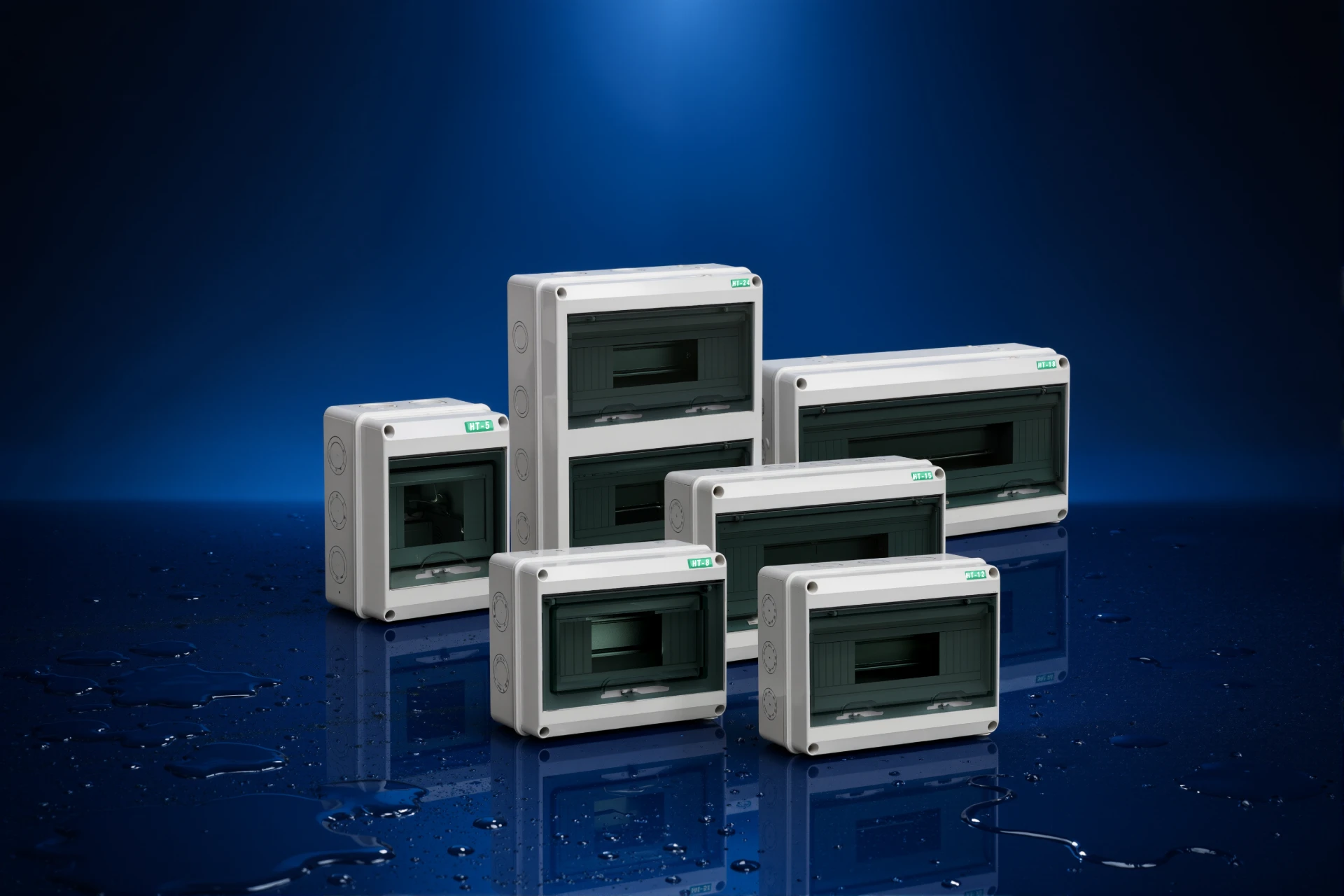
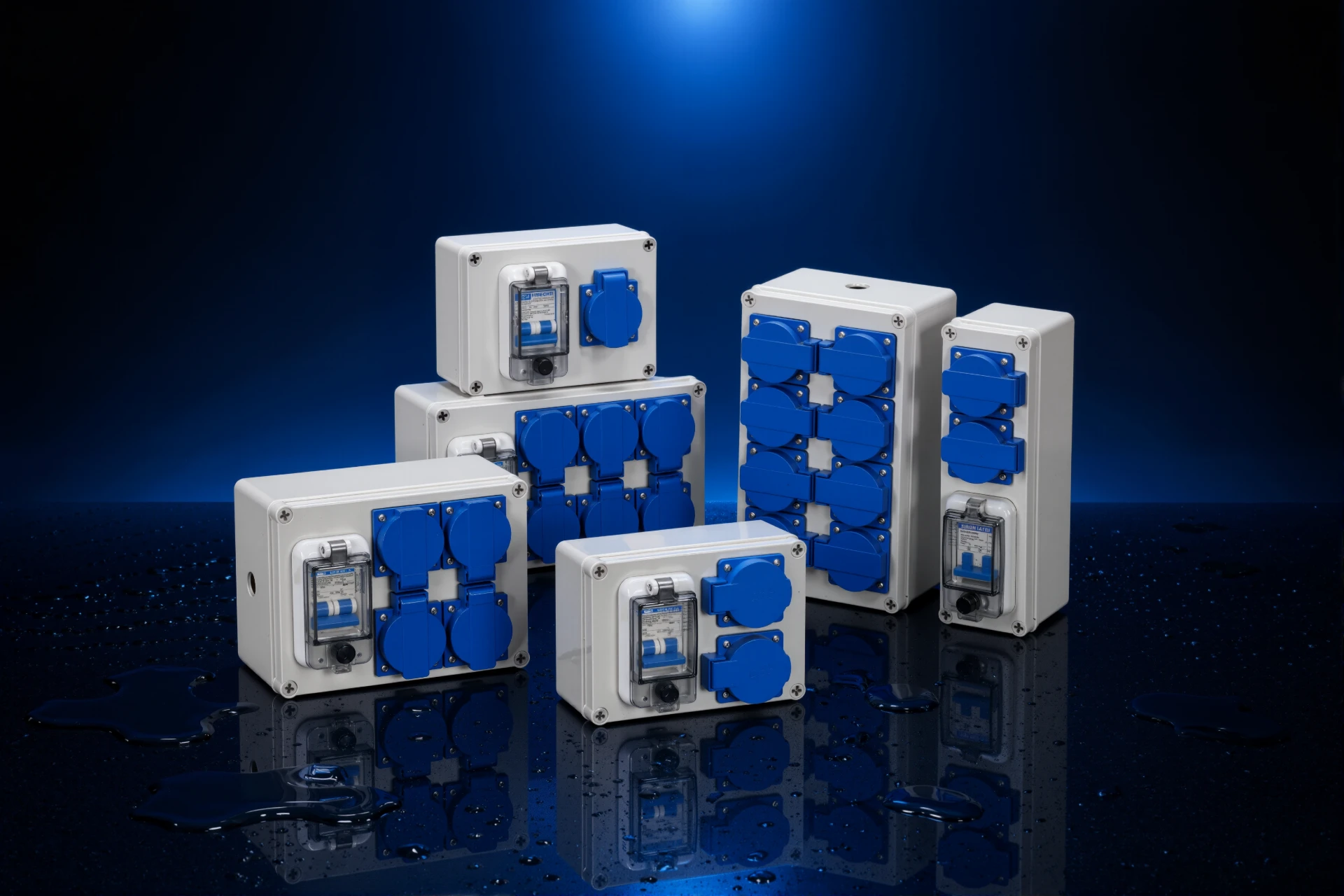
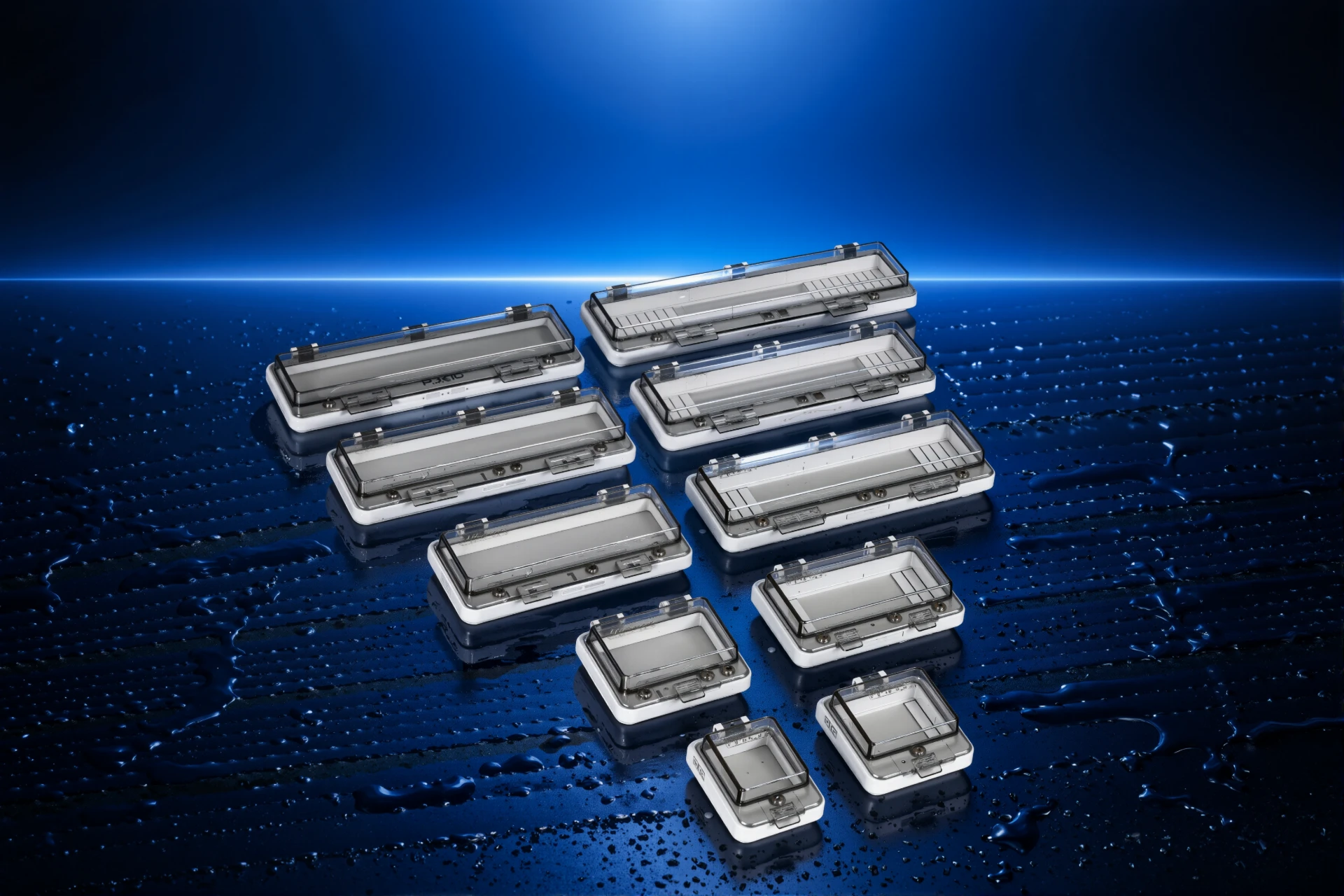
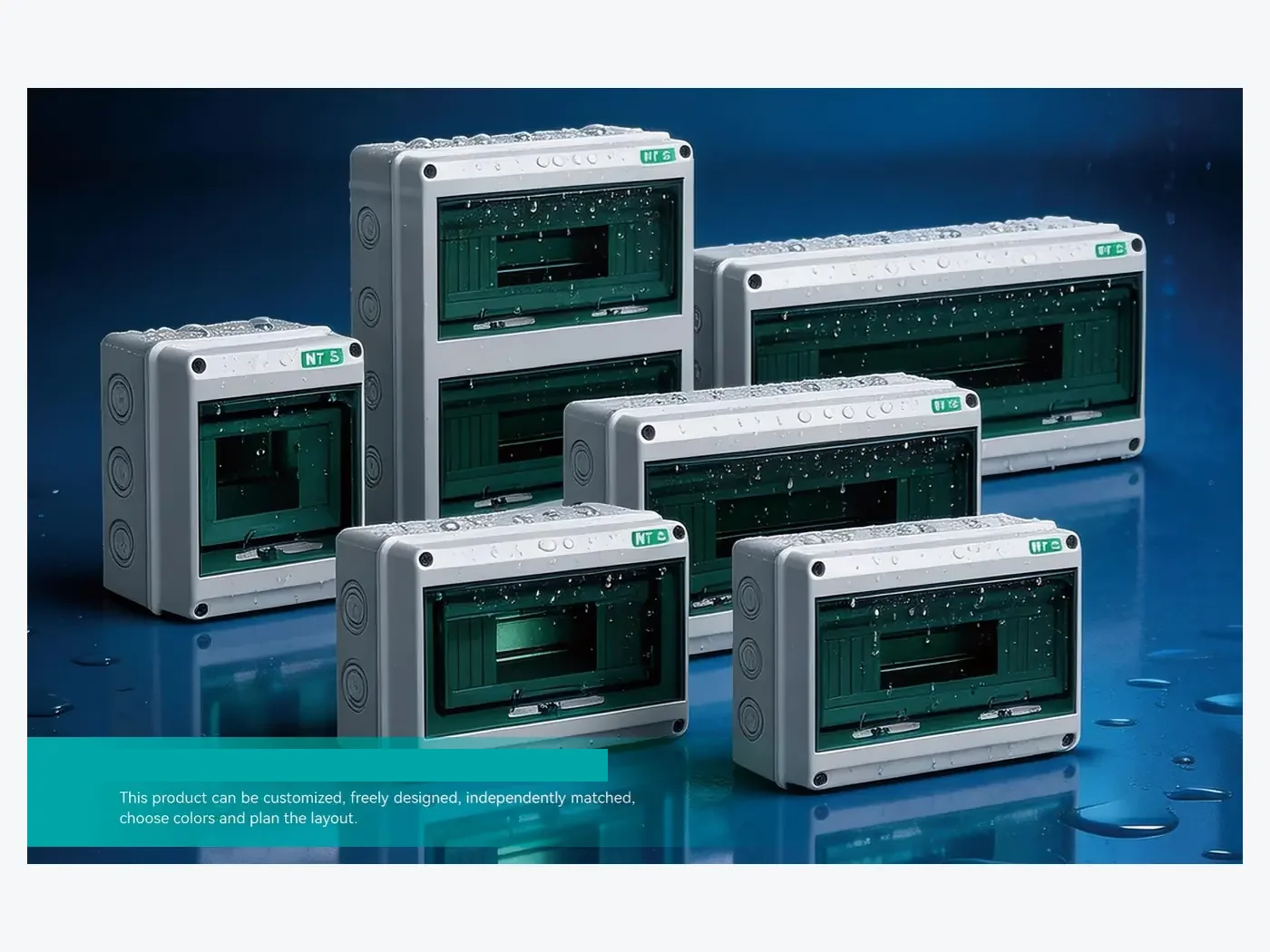
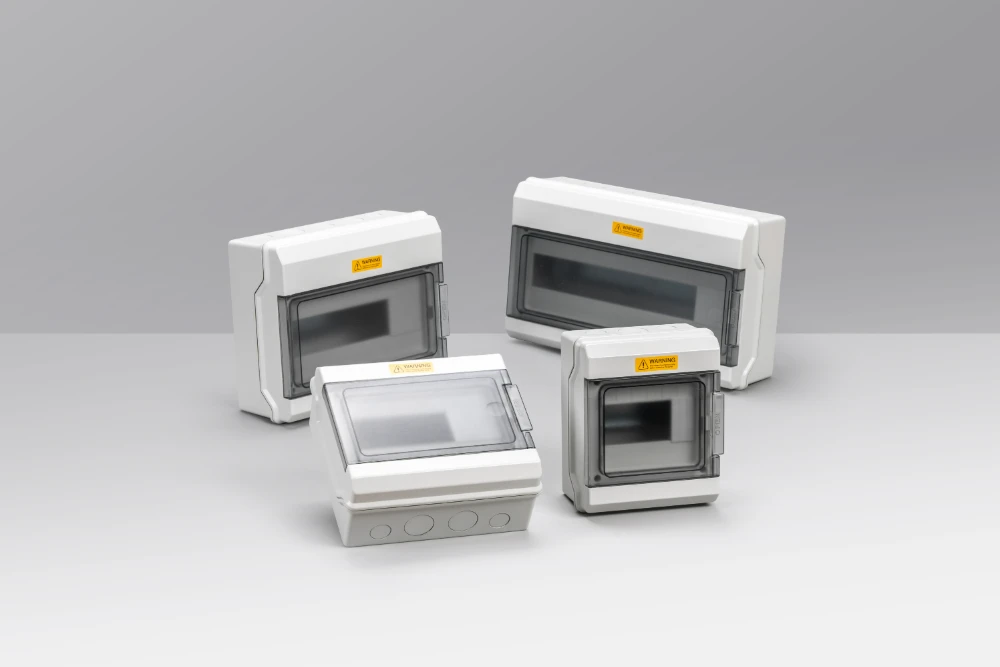
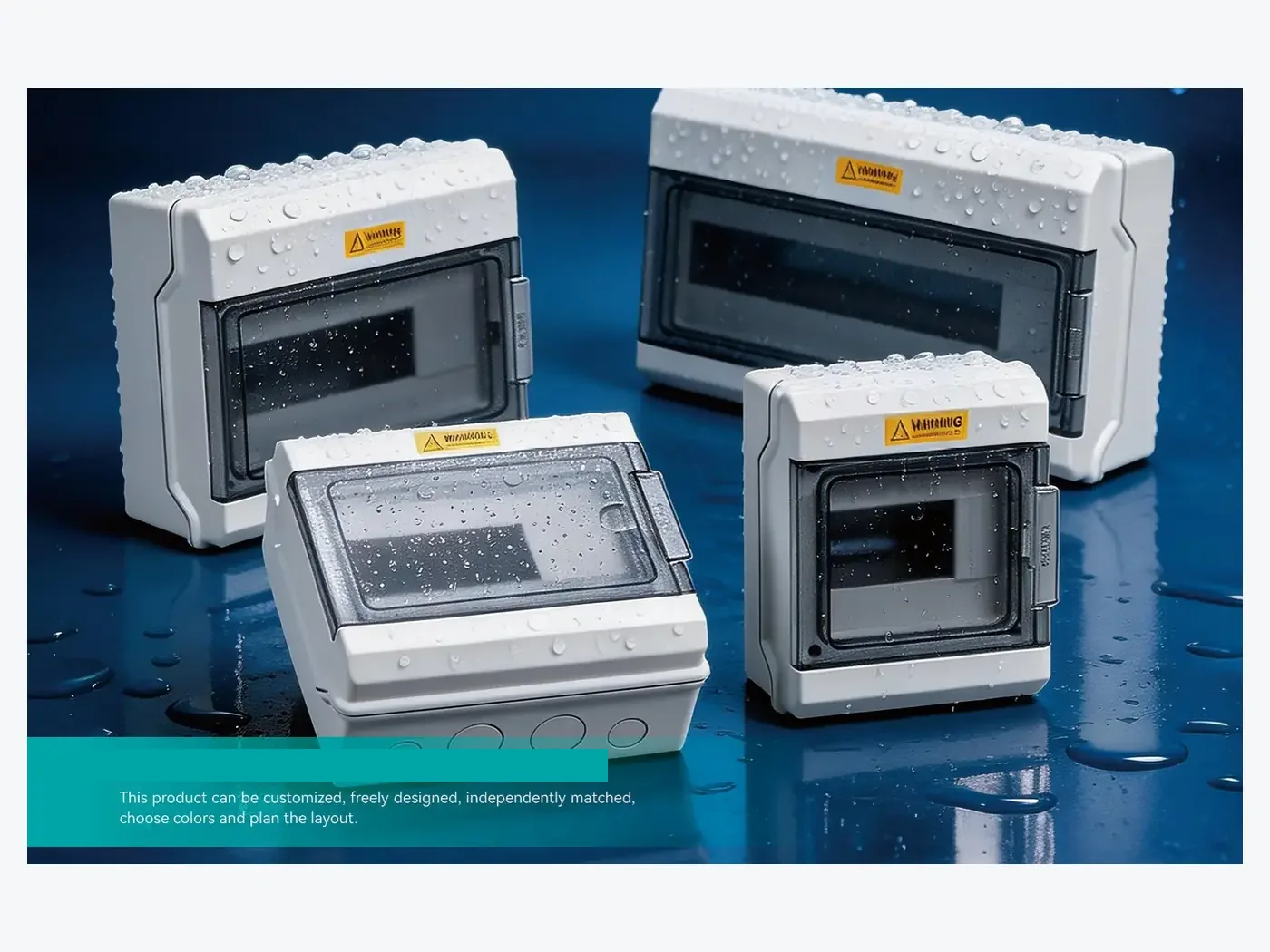
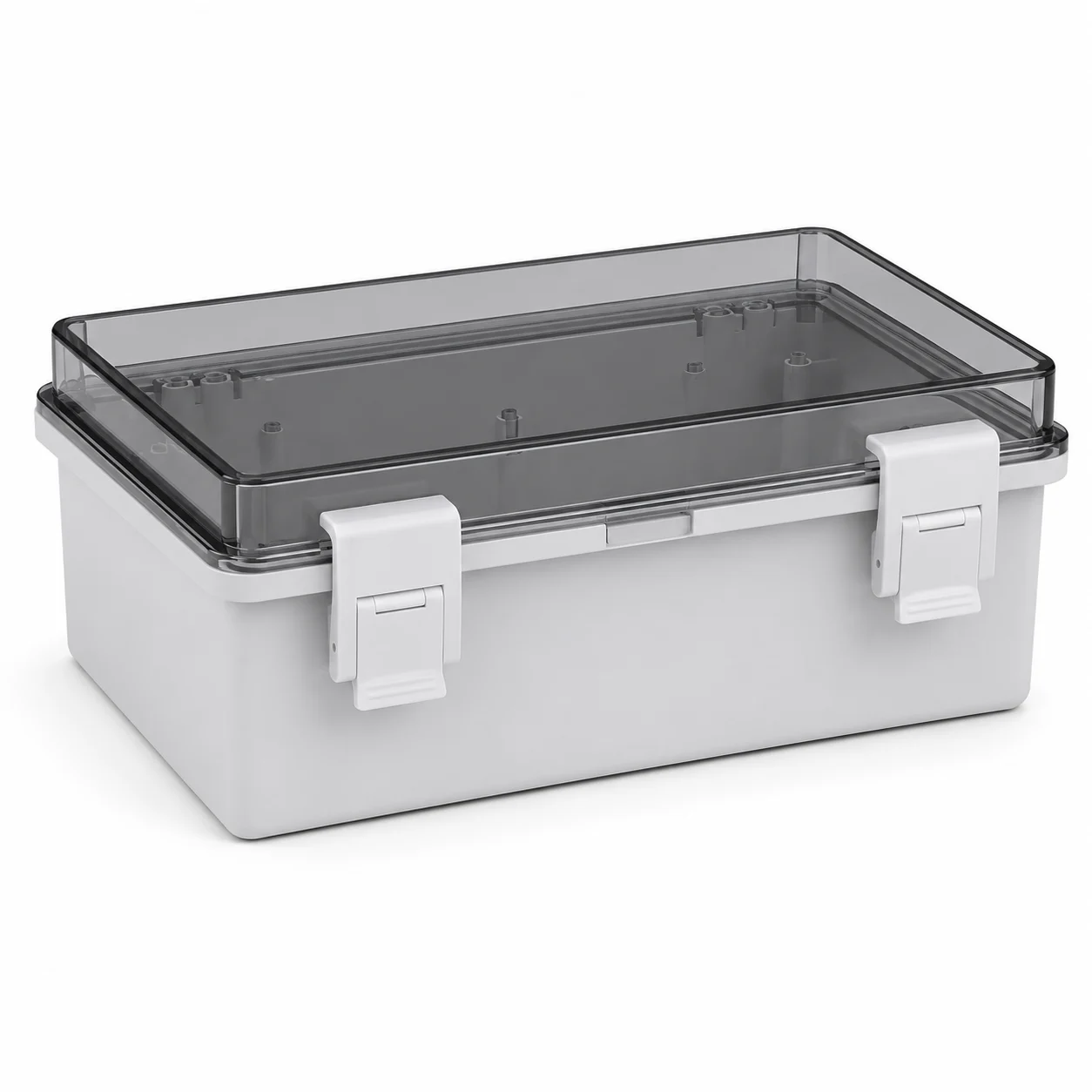
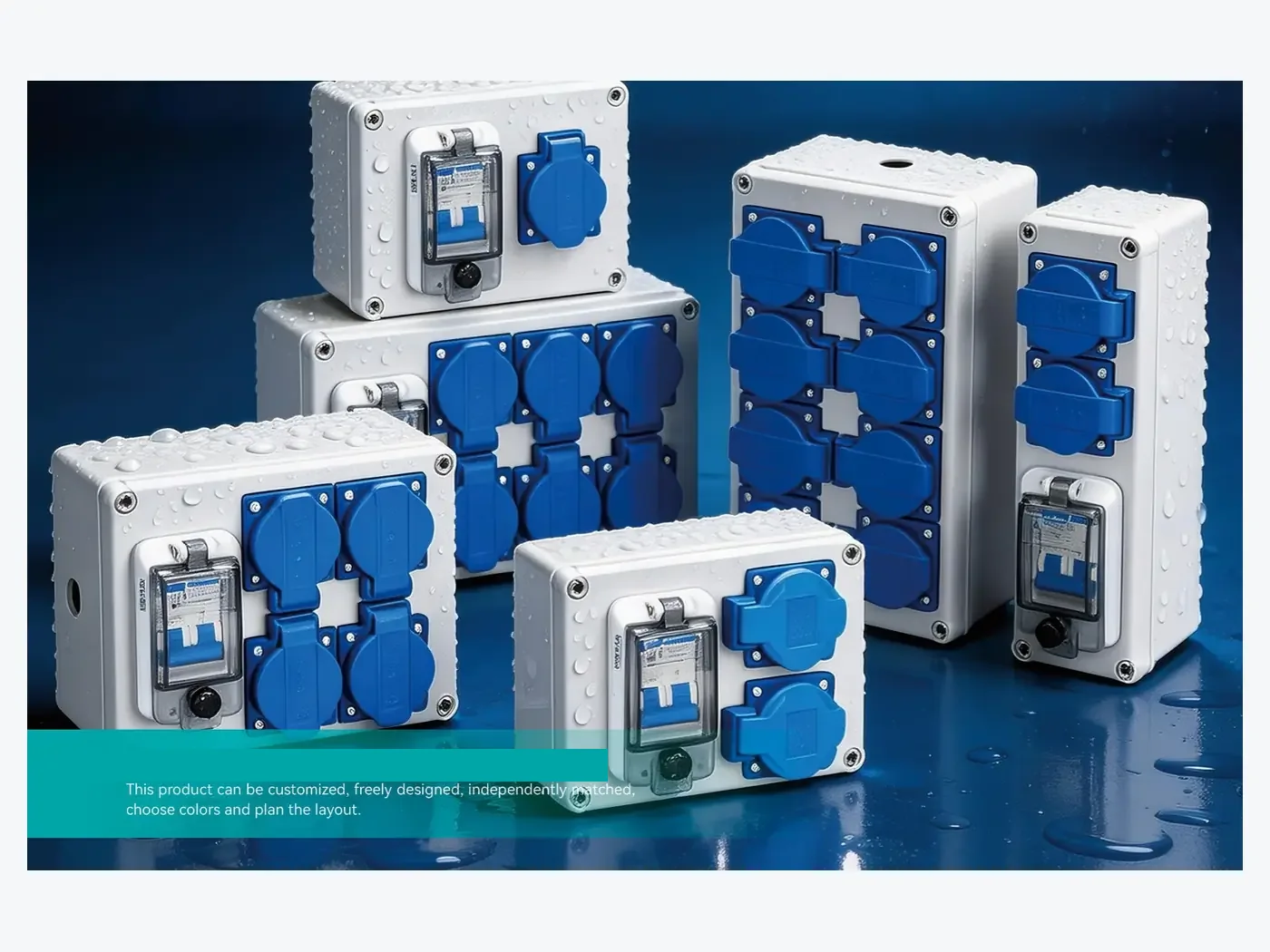
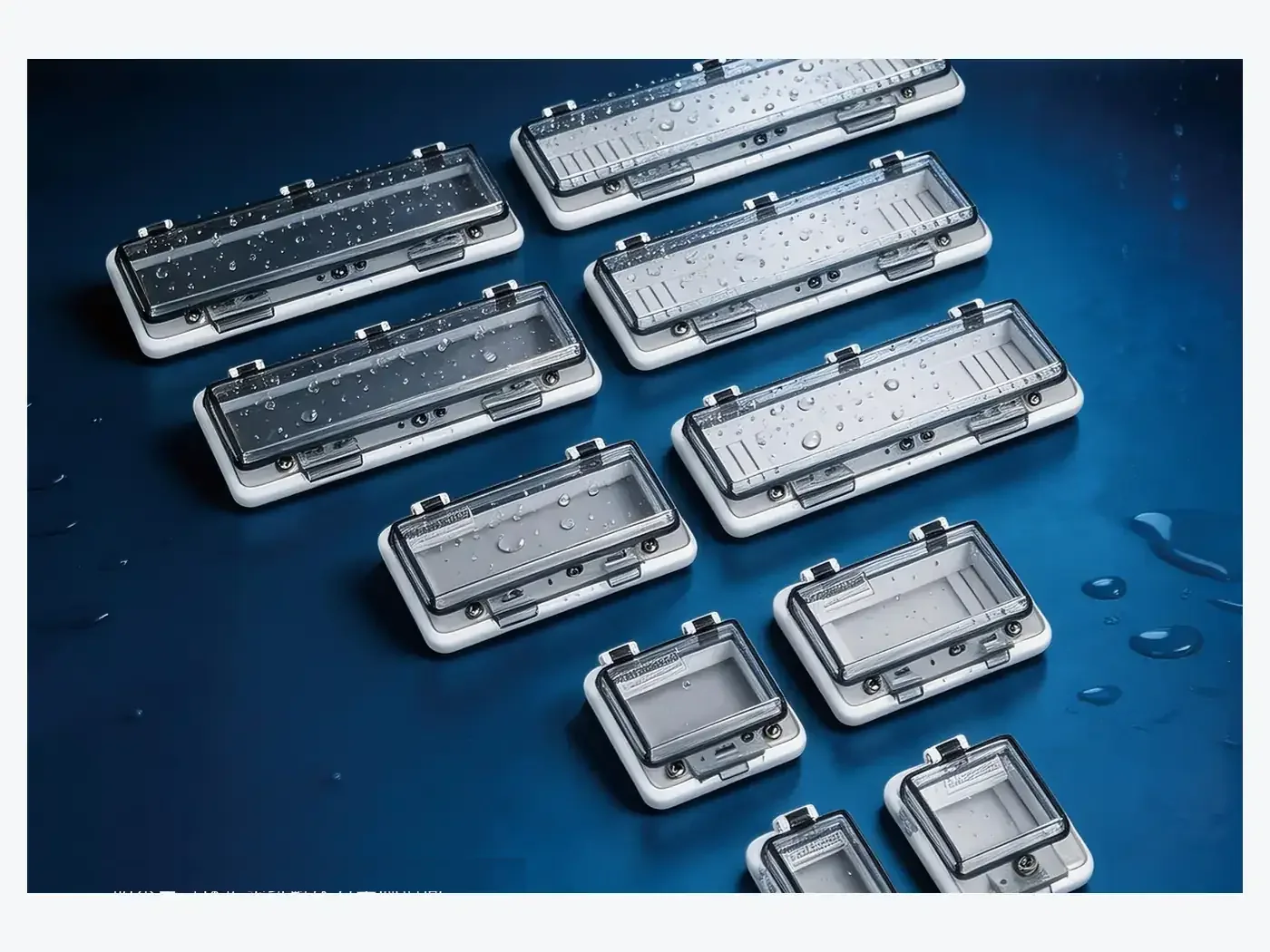
BOWO's IP65 waterproof electrical distribution box is designed around DIN-rail electrical systems and uses a transparent cover that allows installed components to be viewed without opening the enclosure.
Typical project positions may include:
- Local PV circuit protection
- Auxiliary power distribution
- Small DIN-rail electrical assemblies
- Monitoring-system protection circuits
- Supporting electrical distribution around solar equipment
The number and type of installed devices should be confirmed before selecting the enclosure size. Space is also required for cable bending, termination and maintenance.
HTC Series IP65 DC Distribution Box
Some PV and energy storage projects require a compact enclosure platform for selected DC-side electrical assemblies.
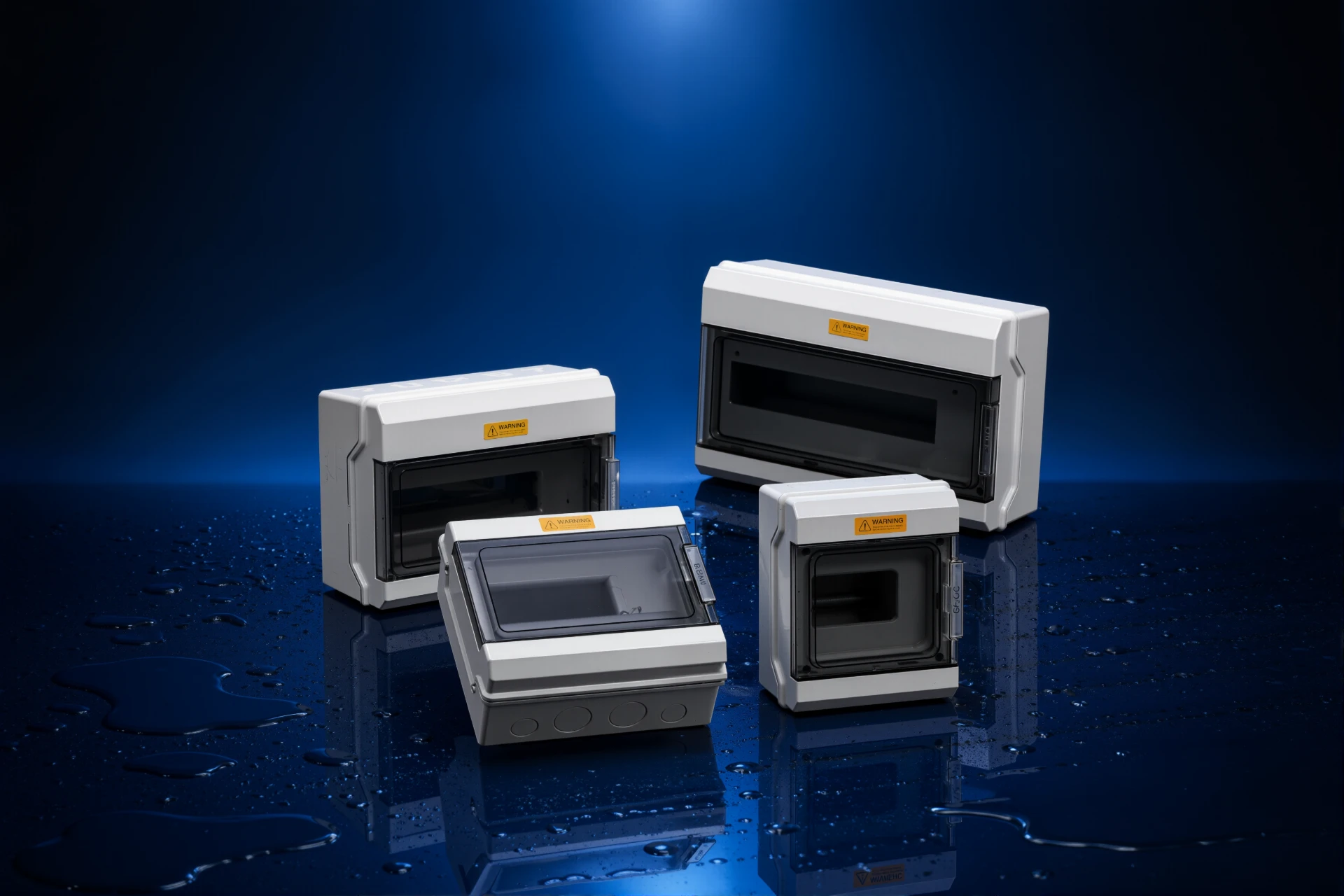
The HTC Series IP65 side-open DC distribution box includes an internal guide-rail arrangement, grounding terminals, side cable-entry provisions and a transparent inspection area.
This configuration can be evaluated for applications where the project requires:
- DIN-rail-mounted DC components
- Local DC protection or distribution
- Organized incoming and outgoing cable routing
- Visual inspection of installed components
- Wall-mounted auxiliary electrical protection
The HTC enclosure should not be treated as a complete PV combiner or battery-energy-storage distribution system by default. The internal components, ratings, circuit design and required documentation must be confirmed separately for each project.
IP66 Hinged Waterproof Enclosure
Not every enclosure in a solar installation is opened only during initial installation. Monitoring equipment, communication wiring and auxiliary controls may require periodic inspection or modification.
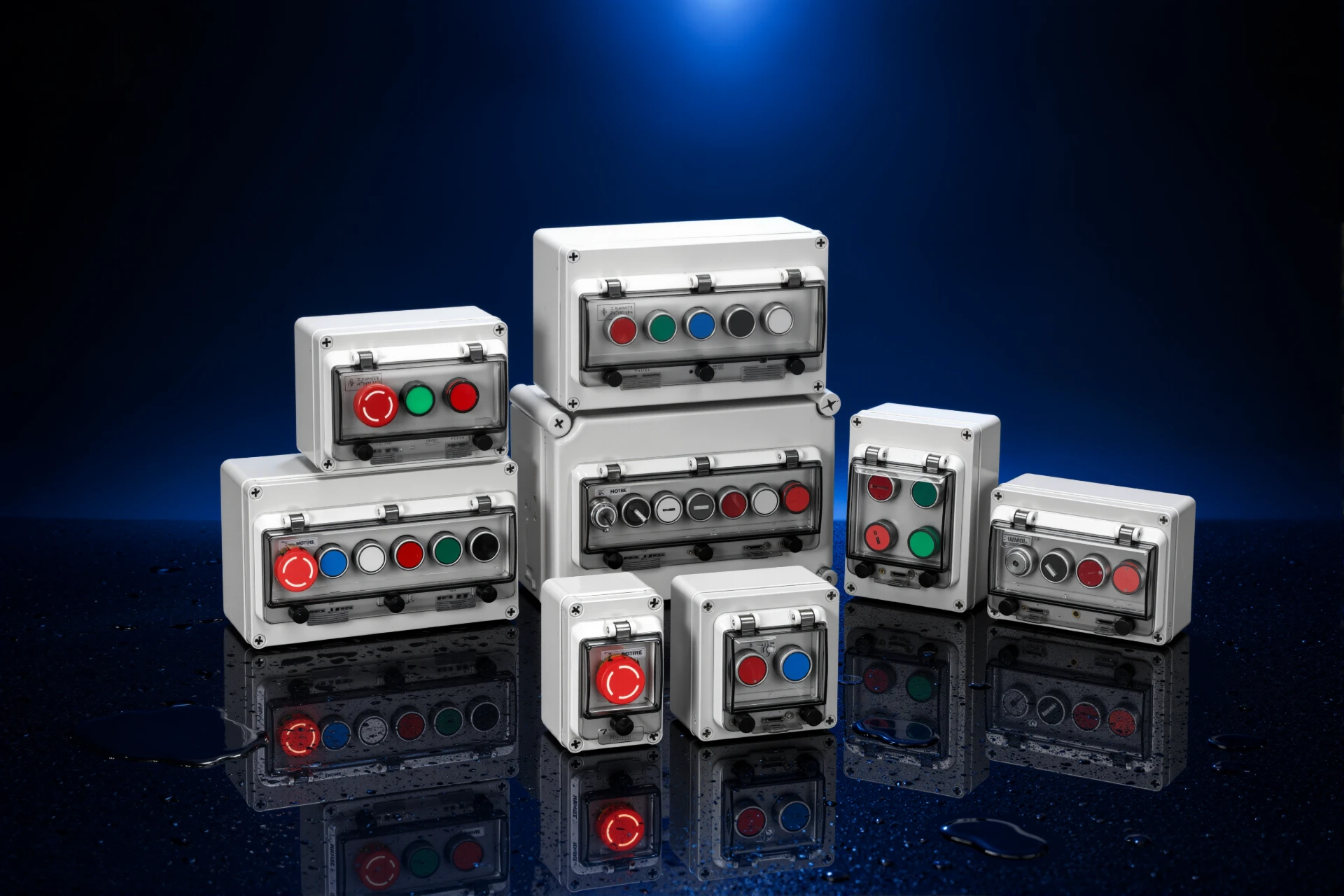
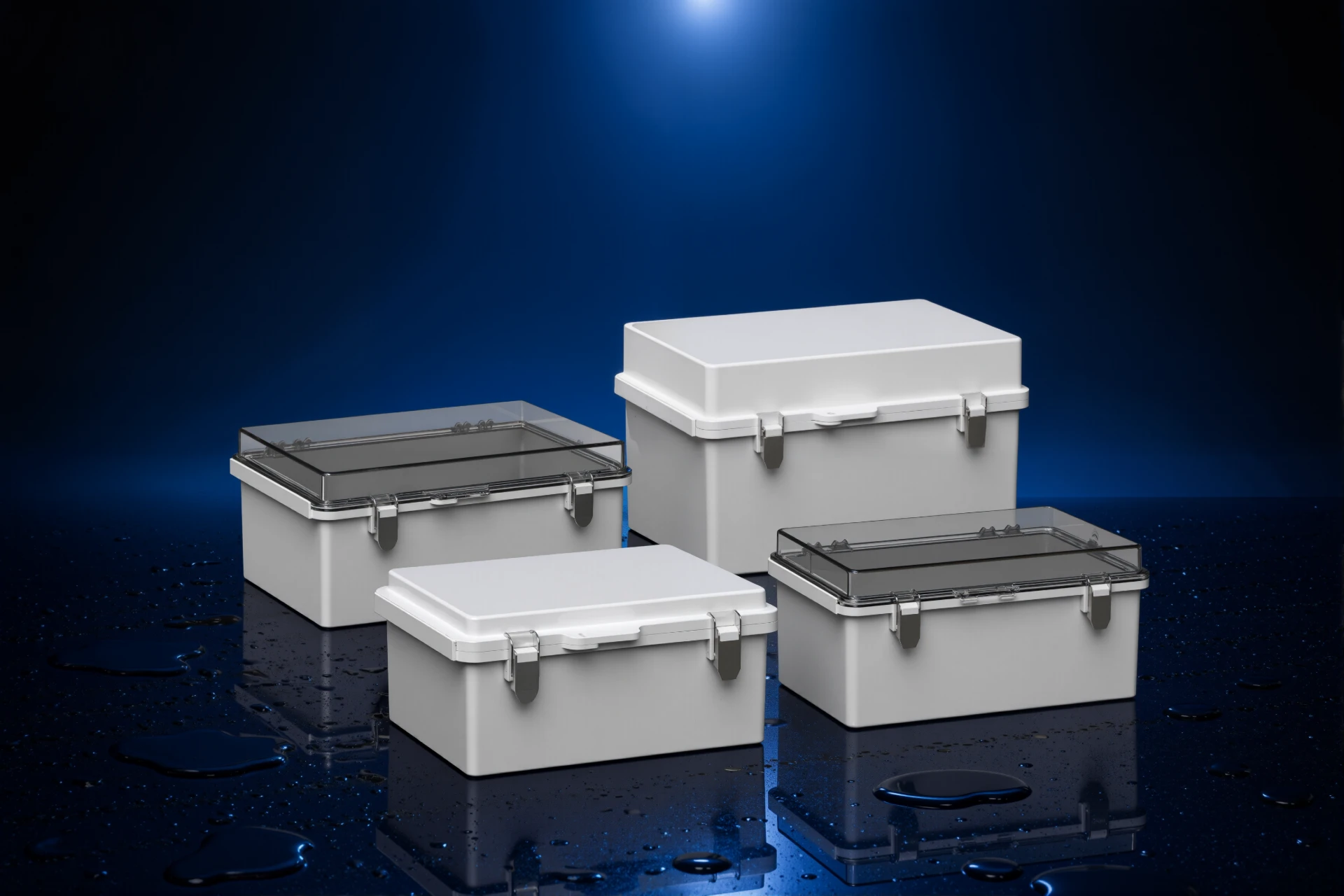
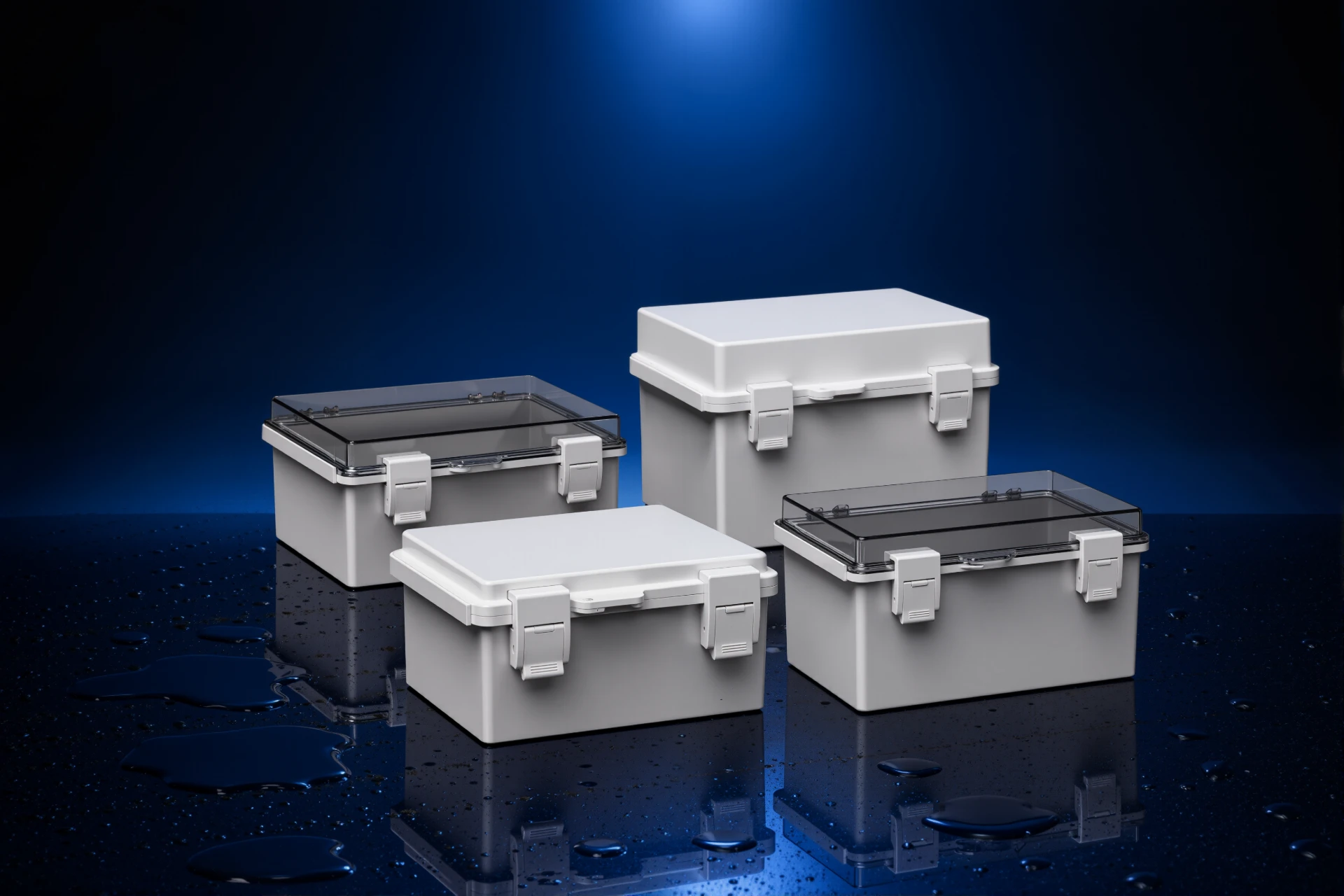
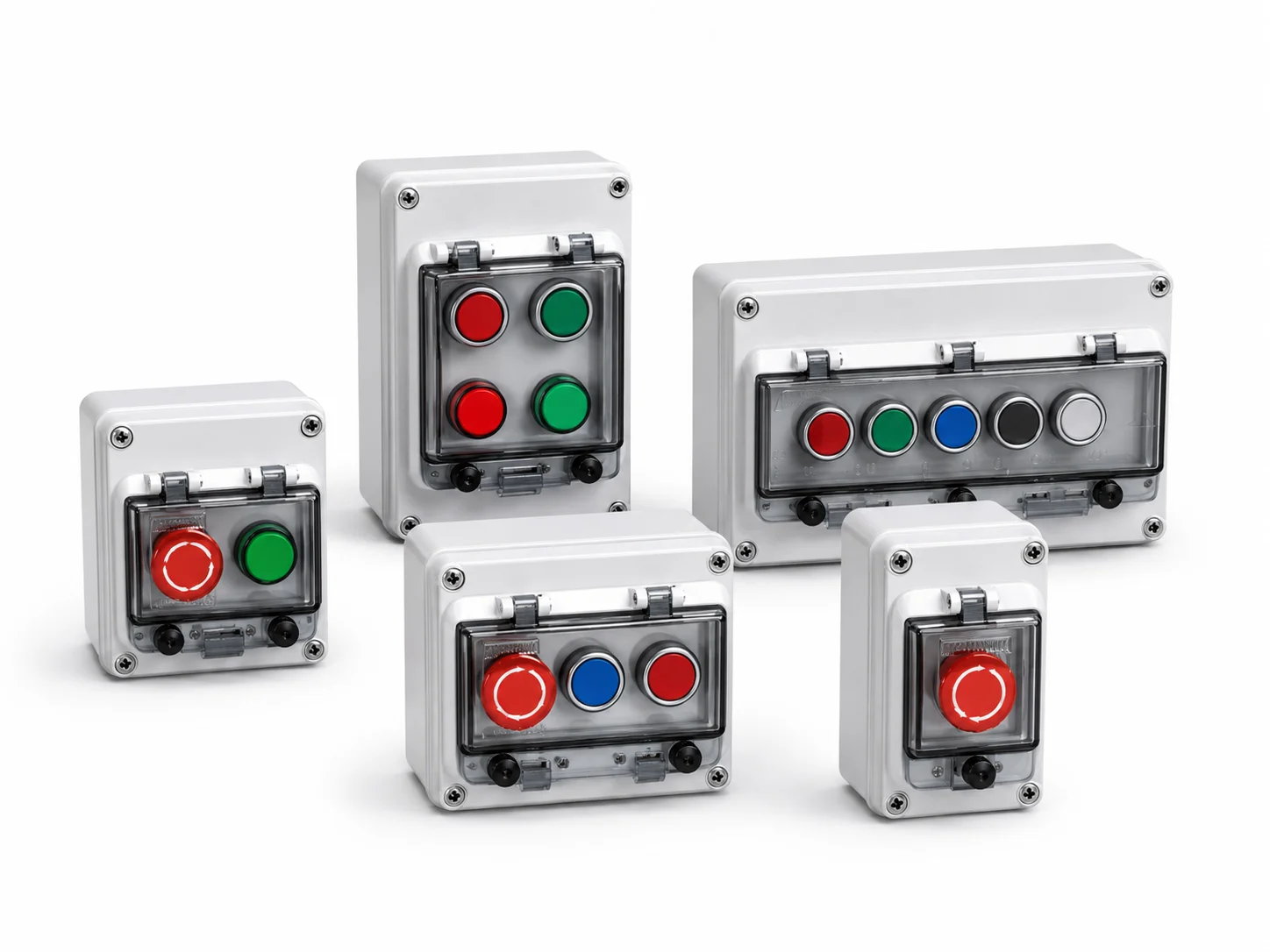
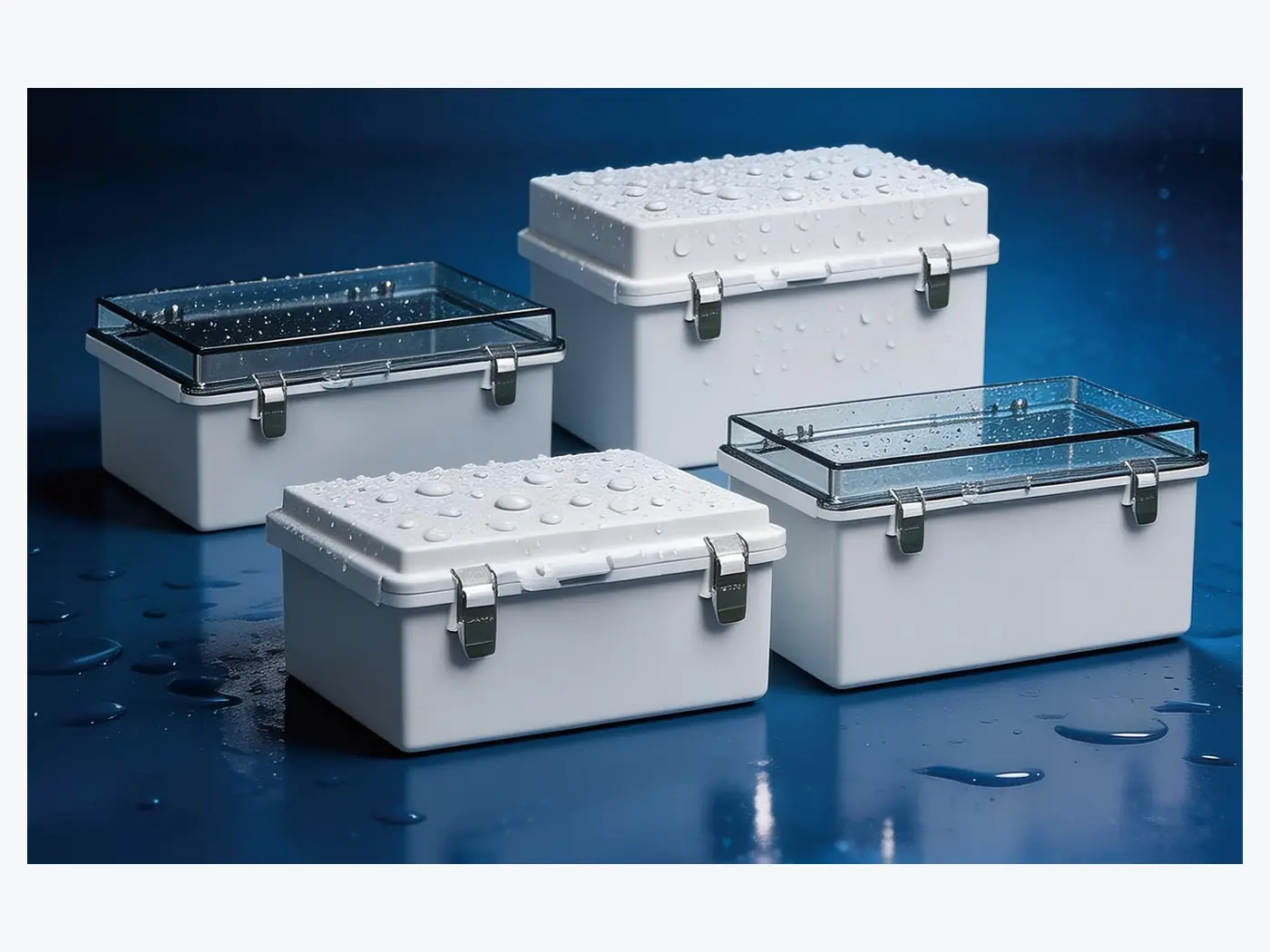
For these positions, BOWO's IP66 hinged waterproof electrical enclosure provides easier access than a cover secured by multiple individual screws.
It can be considered where the enclosure needs to house:
- Electrical terminals and wiring
- Monitoring components
- Communication equipment
- Auxiliary control components
- Frequently inspected electrical connections
The final configuration should be selected according to internal component dimensions, cable entries, access frequency and site conditions.
PV Field Connections and Distribution Require Different Enclosures
A common purchasing mistake is to use the same enclosure specification for every position in a solar project.
A compact connection point beside a PV array may only need space for cables and terminals. A local protection point may instead require DIN rails, breakers and additional wiring clearance. Equipment that technicians inspect regularly may benefit from a hinged enclosure, while a simple field connection may be better served by a screw-fixed box.
For this reason, enclosure selection should begin with the electrical function at each installation position.
| Requirement | What to Check |
|---|---|
| Cable connection | Cable quantity, diameter, gland size and bending space |
| DIN-rail installation | Module width, rail position, internal depth and wiring clearance |
| DC distribution | Installed devices, spacing, cable routing and project electrical design |
| Monitoring equipment | Component dimensions, signal wiring and inspection requirements |
| Outdoor mounting | Rain, sunlight, dust, temperature and mounting orientation |
| Regular maintenance | Opening method, visibility and service clearance |
Outdoor Solar Installations Need More Than an IP Rating
An IP rating is important, but the rating on an enclosure does not automatically describe the protection of the finished installation.
In a solar project, cable glands, machined openings, mounting holes, unused entries and cover installation all become part of the completed enclosure system.
Before approving an enclosure, project teams should therefore confirm:
- Whether the box is fully exposed or installed under a canopy
- Direct sunlight and expected outdoor exposure
- Rain, dust, humidity and condensation conditions
- Mounting height and orientation
- Number and diameter of incoming and outgoing cables
- Internal component dimensions
- Required inspection and maintenance frequency
- Applicable project documentation and test requirements
For a deeper technical comparison of IP ratings, materials, cable entry and enclosure layouts, see BOWO's solar PV and energy storage enclosure selection article.
Electrical Enclosures Around Battery Energy Storage Equipment
Battery energy storage installations may contain supporting electrical circuits around the main battery and power-conversion equipment. Depending on the system architecture, separate enclosures may be required for auxiliary power, monitoring, communication, local protection or field wiring.
BOWO's standard plastic electrical enclosures are intended for these supporting electrical positions where the product specification matches the project requirement.
Typical examples include:
- Auxiliary control wiring
- Monitoring and communication terminals
- Local DIN-rail protection devices
- Sensor and signal connections
- Supporting power circuits
- Outdoor cable transition points
They should not automatically be specified as battery cabinets, battery racks, PCS housings or fire-protection cabinets. Those systems involve different structural, thermal, electrical and safety requirements.
Plan Cable Entries Before Enclosure Production
Solar projects often involve multiple DC, AC, signal and communication cables entering distributed enclosures. Hole positions should therefore be planned around the actual cable route instead of being drilled after the enclosure arrives on site whenever project conditions allow.
For customized cable entries, provide:
- Cable outside diameter
- Required cable-gland specification
- Number of entries
- Entry direction
- Hole center positions
- Spacing between adjacent glands
- Unused entries requiring sealing
A dimensioned drawing is especially useful when several glands or connectors must fit on one enclosure wall.
Standard Enclosure or Customized Configuration?
A solar project does not always require a completely new enclosure mold.
Where an existing BOWO enclosure provides suitable dimensions and structure, project requirements may be addressed through selected customization such as:
- CNC-machined cable-entry holes
- Connector or switch openings
- DIN-rail preparation
- Terminal installation arrangements
- Logo or identification printing
- Laser marking
- Custom color requirements
- Mounting accessories
- Project-specific packaging
A new structural design or mold can be evaluated when an existing enclosure cannot accommodate the required internal layout or when the project volume supports dedicated development.
What Should Solar EPCs and Equipment Manufacturers Send for Selection?
The fastest way to narrow the enclosure choice is to send information about the actual assembly instead of asking only for an IP65, IP66 or IP67 box.
For a solar PV or energy storage project, provide:
- Application position: PV field, inverter area, monitoring point, DC distribution or energy storage auxiliary system
- Internal components: breaker, terminal, DIN rail, relay, communication module or other equipment
- Required dimensions: including component clearances where available
- Cable information: quantity, diameter and gland specification
- Installation environment: indoor, sheltered outdoor or fully exposed outdoor
- Required protection: project IP requirement and any other applicable specification
- Access requirement: rarely opened, periodically inspected or frequently serviced
- Customization: holes, printing, color, accessories or internal preparation
- Quantity: sample, trial order or project volume
- Drawing or photograph: component layout or installation location where available
Why Discuss the Application Before Choosing the Box?
Two solar projects can use similar electrical components and still require different enclosures because the mounting position, cable direction, maintenance procedure and environmental exposure are different.
BOWO Electric manufactures waterproof electrical enclosure products and can review standard enclosure options and selected structural customization based on the information provided for the project.
During BOWO's participation in SNEC PV&ES Expo 2026, discussions with PV and energy-storage customers focused heavily on enclosure dimensions, cable-entry configuration, DIN-rail installation, outdoor sealing and customization requirements. These are also the details that should be confirmed before a project enclosure is released for production.
Frequently Asked Questions
What type of waterproof enclosure is suitable for solar PV wiring?
It depends on the electrical function. Cable and terminal connections may use a waterproof junction box, while circuit breakers and DIN-rail devices generally require a distribution enclosure. The installation environment, cable entries and required protection level must also be confirmed.
Can BOWO enclosures be used for outdoor PV installations?
Selected BOWO models are designed for outdoor electrical applications. The exact model, IP rating, material, cable-entry arrangement and mounting method should be checked against the conditions of the specific PV installation.
Does BOWO supply complete solar combiner boxes?
BOWO primarily supplies waterproof enclosure platforms and related structural solutions. If a project requires internal breakers, terminals, isolators or other electrical components, the required configuration should be provided for technical evaluation rather than assuming that a standard empty enclosure is a complete combiner-box assembly.
Can the enclosure be supplied with cable-gland holes already machined?
Selected standard enclosures can be evaluated for CNC machining and customized openings. A dimensioned hole drawing, gland specification and cable information should be confirmed before production.
Which enclosure is suitable for DIN-rail components in a solar project?
The HT waterproof distribution-box series can be considered for selected DIN-rail circuit-breaker and protection-device installations. The module quantity, internal depth and wiring space should be checked before model selection.
Can BOWO enclosures be used around battery energy storage systems?
They may be considered for selected supporting electrical functions such as auxiliary circuits, monitoring connections, terminals and local distribution when the product specification matches the application. Standard BOWO plastic enclosures should not automatically be treated as complete battery cabinets or PCS housings.
Send Your Solar PV or Energy Storage Enclosure Requirement
If you are selecting waterproof electrical enclosures for a PV project, energy storage installation or related equipment, send BOWO your component layout, enclosure dimensions, cable-entry requirements, installation environment and estimated quantity.
A drawing or site photograph can help identify whether an existing junction box, DIN-rail distribution box, DC distribution enclosure or hinged enclosure is suitable before customization is discussed.
Send Your Solar Enclosure Drawing or Project Requirement →