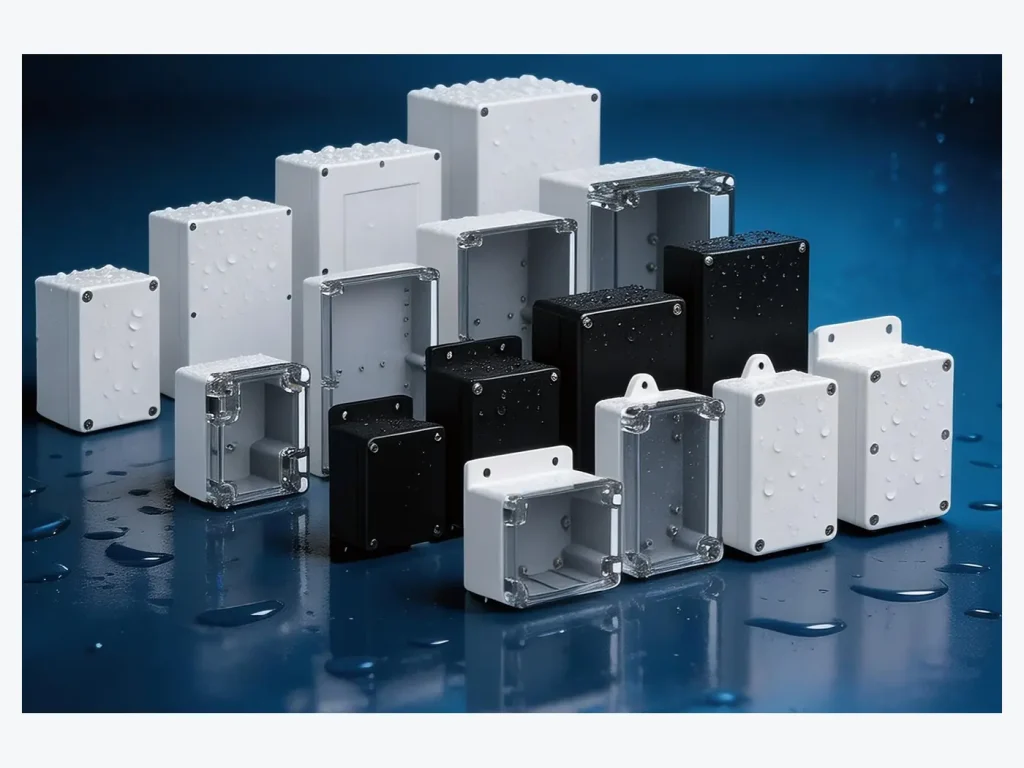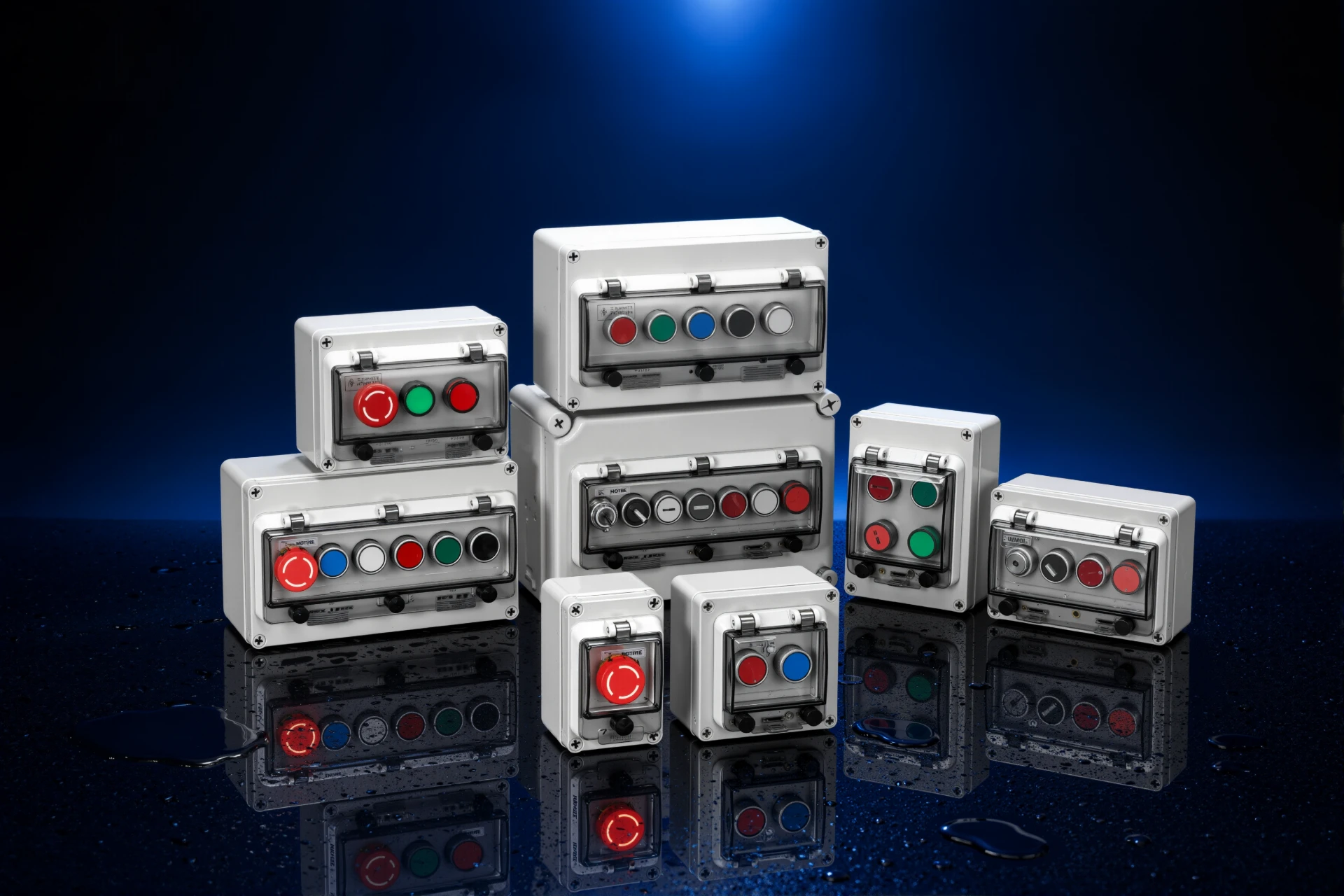
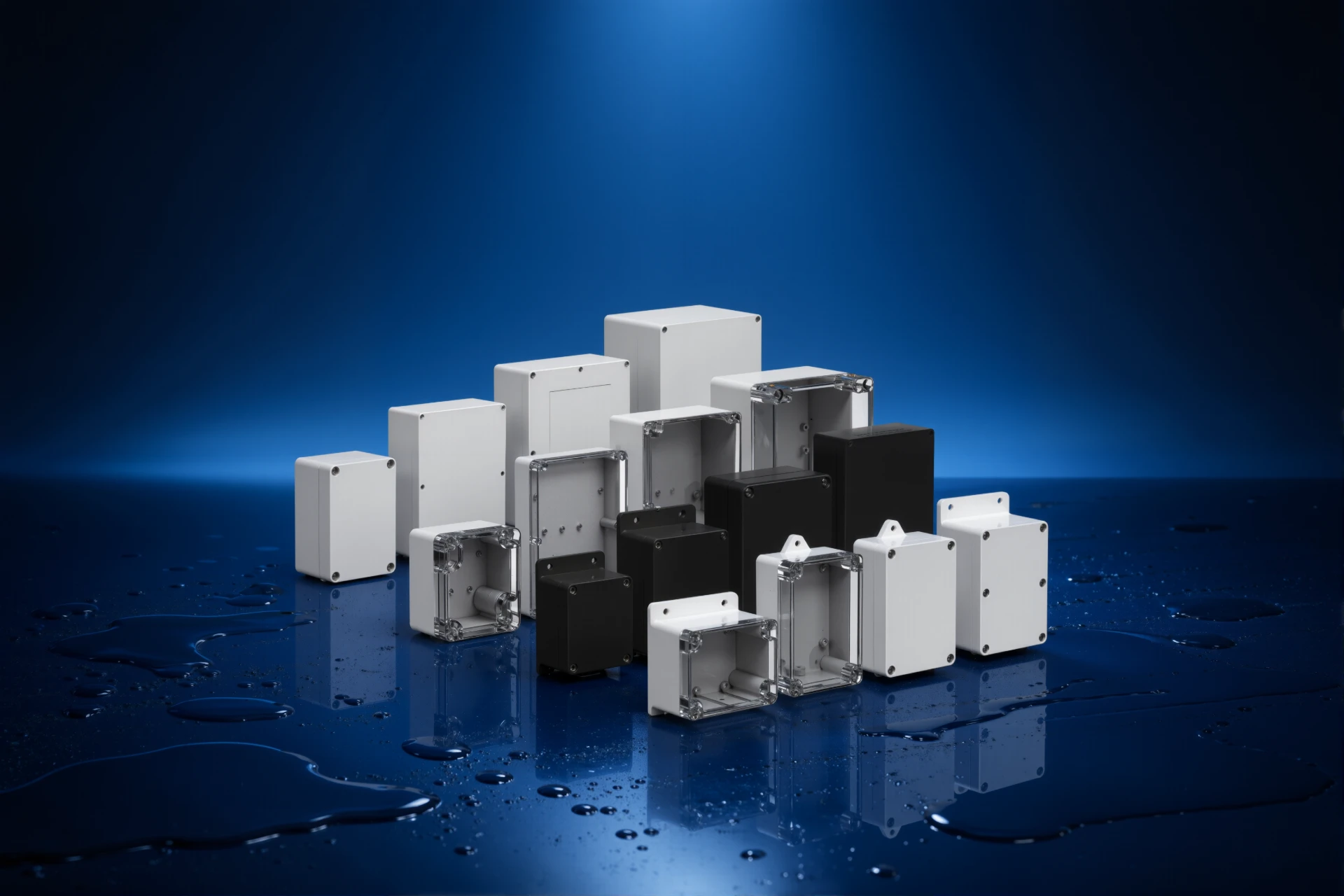
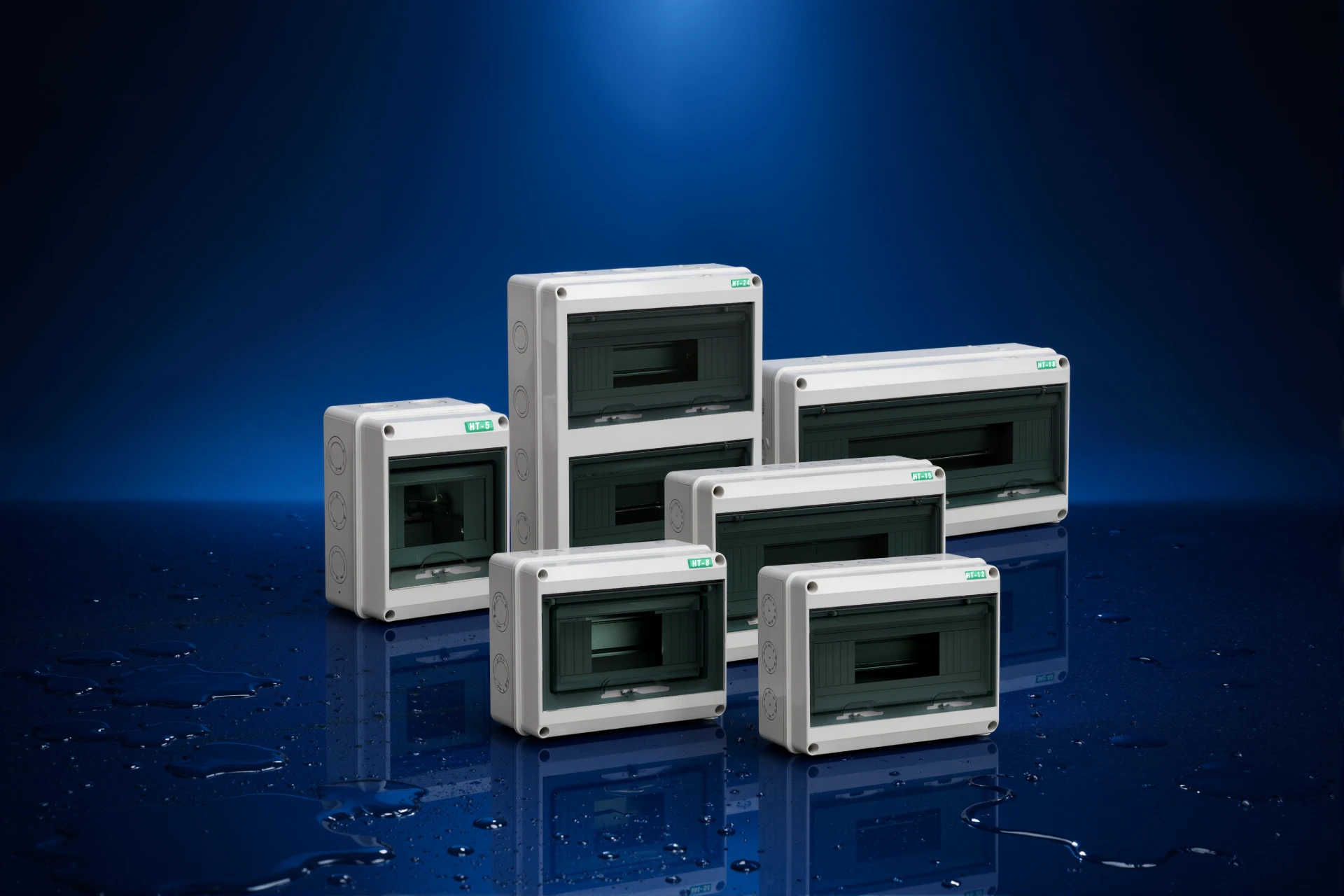

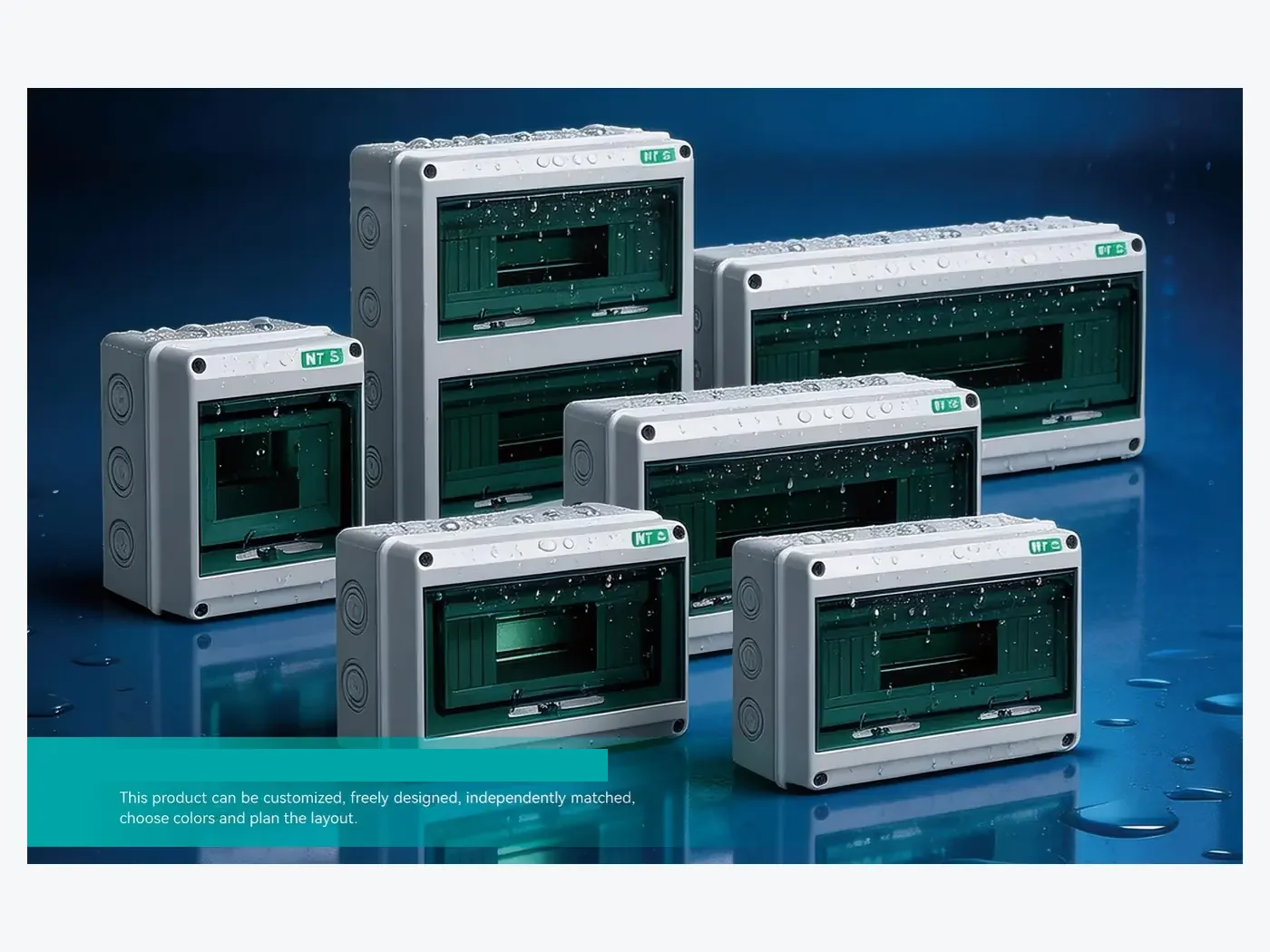

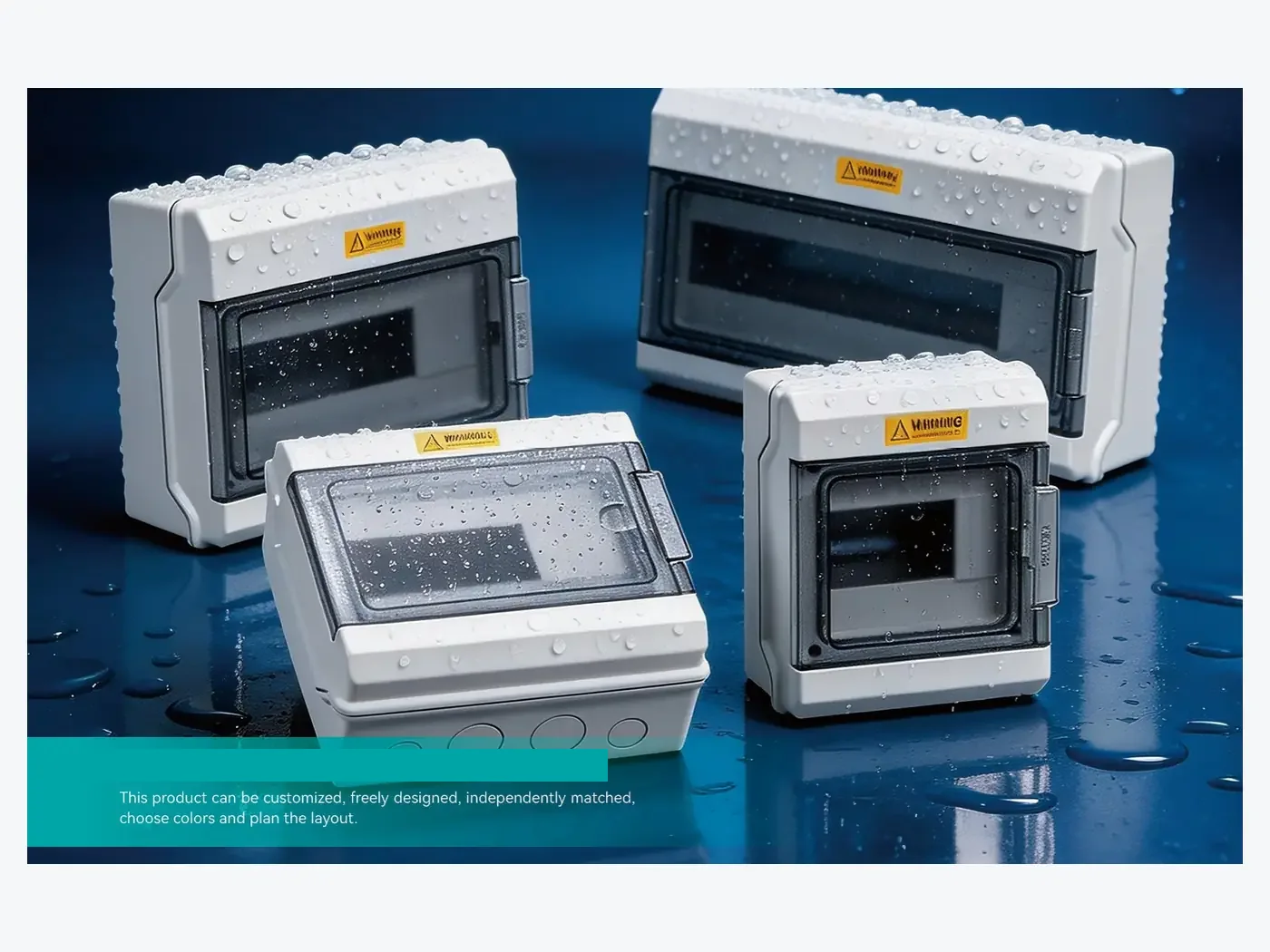
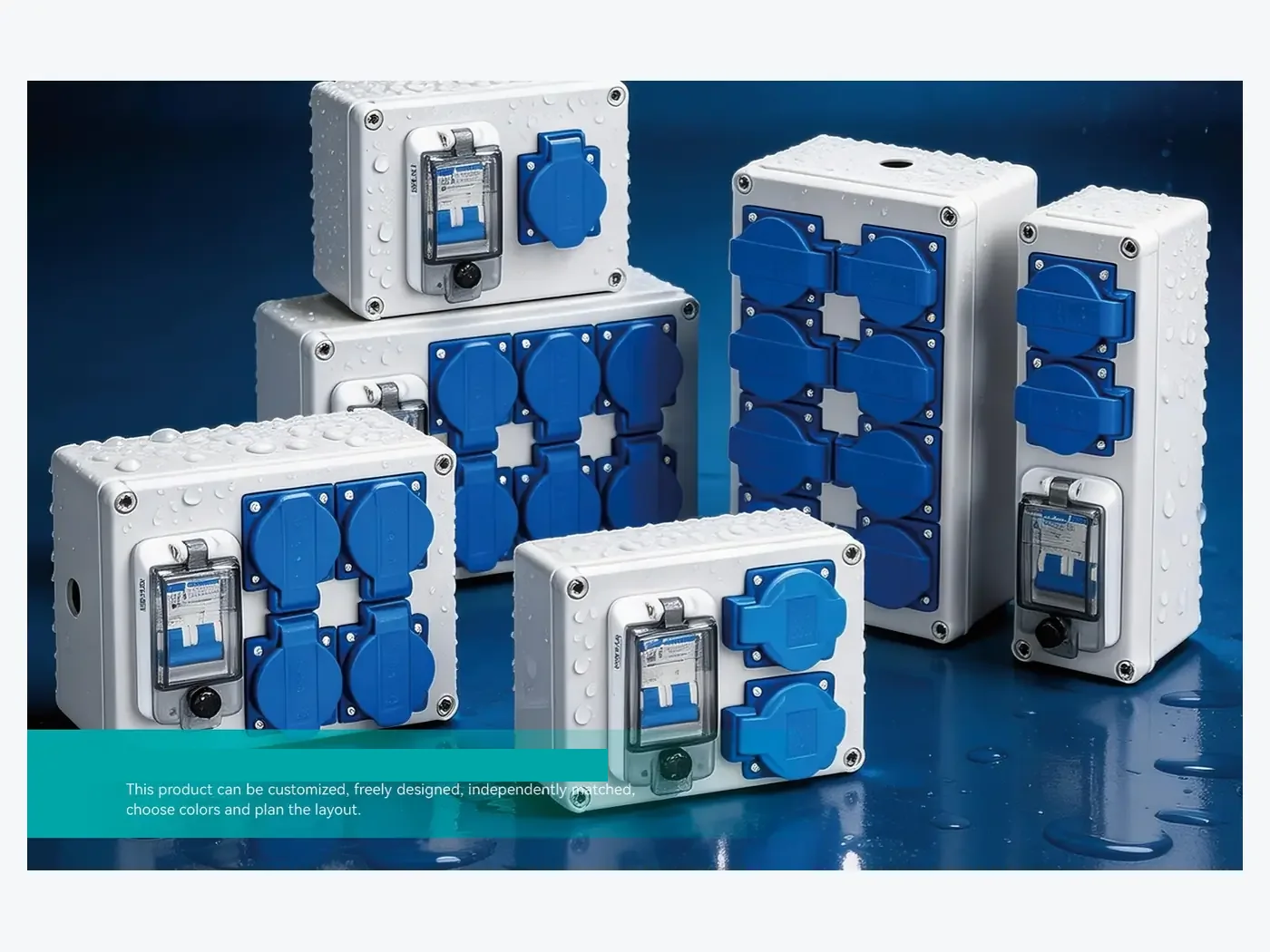
We make IP66 and IP67 waterproof junction boxes at our factory in Yueqing, and two installations give them the most trouble in the field: buried in the ground and fixed to a wall. Most of the time a wet box is not a bad box. It is a box mounted or sealed the wrong way, and we see the same two mistakes come back from customers again and again.
In-Ground Installations
Use IP67, not IP66. IP66 resists strong water jets; IP67 resists temporary immersion. A box at the bottom of a hole can sit in water after heavy rain, so IP67 is the safer call for anything at or below ground level.
Bring the cables in through the bottom face with glands sized to the cable outside diameter. Side entries near ground level are where water finds its way in. If the box is going into the ground, put it in a valve box or on a small pad above the water line rather than burying it directly, unless the model is rated for continuous submersion.
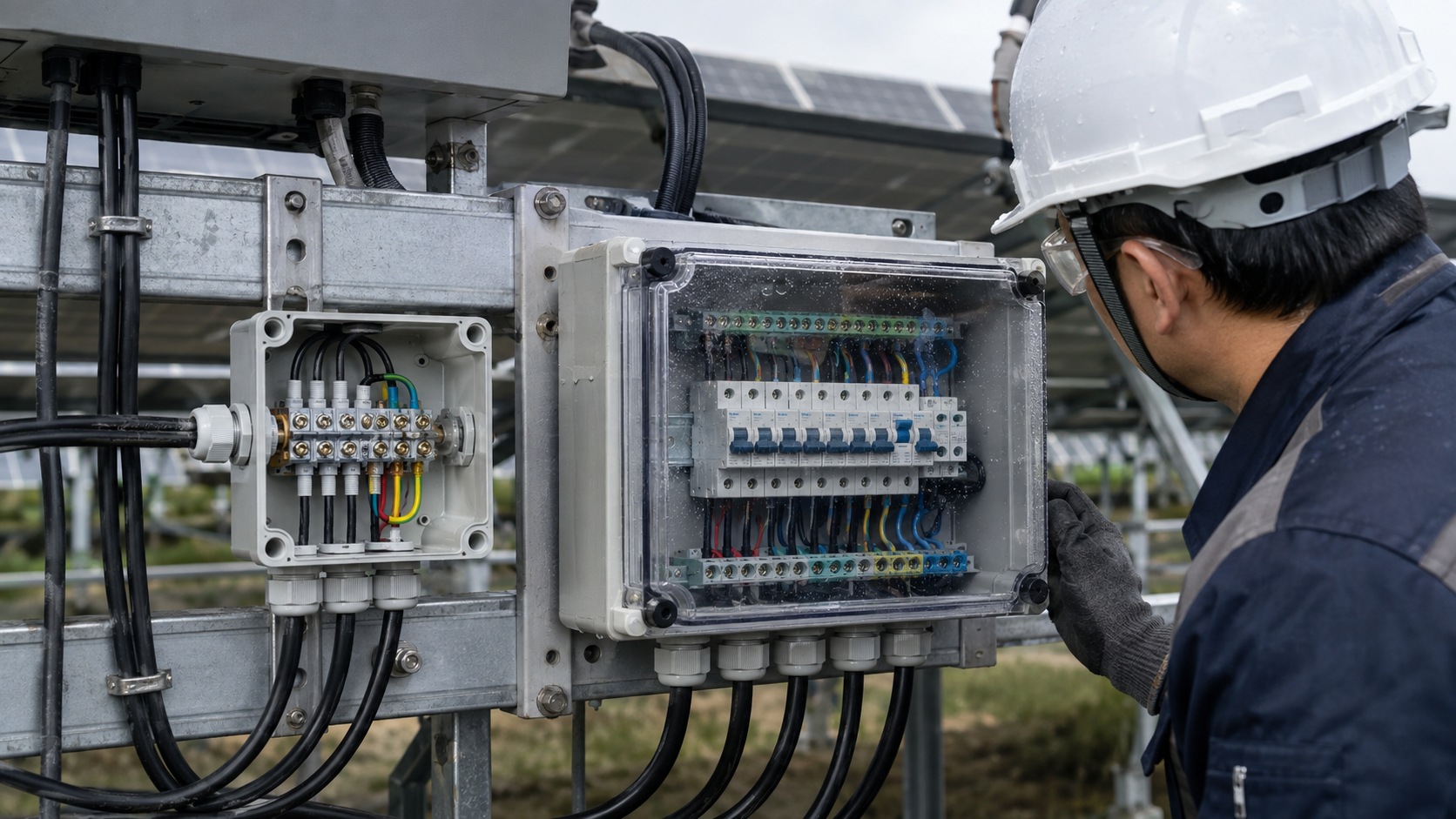
Leave a drip loop in the cable before it enters, and blank and seal every unused hole with a plug and silicone. That is the difference between a box that stays dry for years and one that fails in the first wet season.
Wall-Mount Installations
On a wall, the water comes from above. Stand the box off the wall so rain running down the surface does not collect behind it. Keep entries low or on the bottom; a top entry is the single most common leak we see.
Give every cable a drip loop before the gland so water runs off the cable instead of following it inside. Close the cover fully and make sure the gasket is seated. In direct sun, choose a polycarbonate body and a UV-stable gasket so the seal does not harden and crack over time.
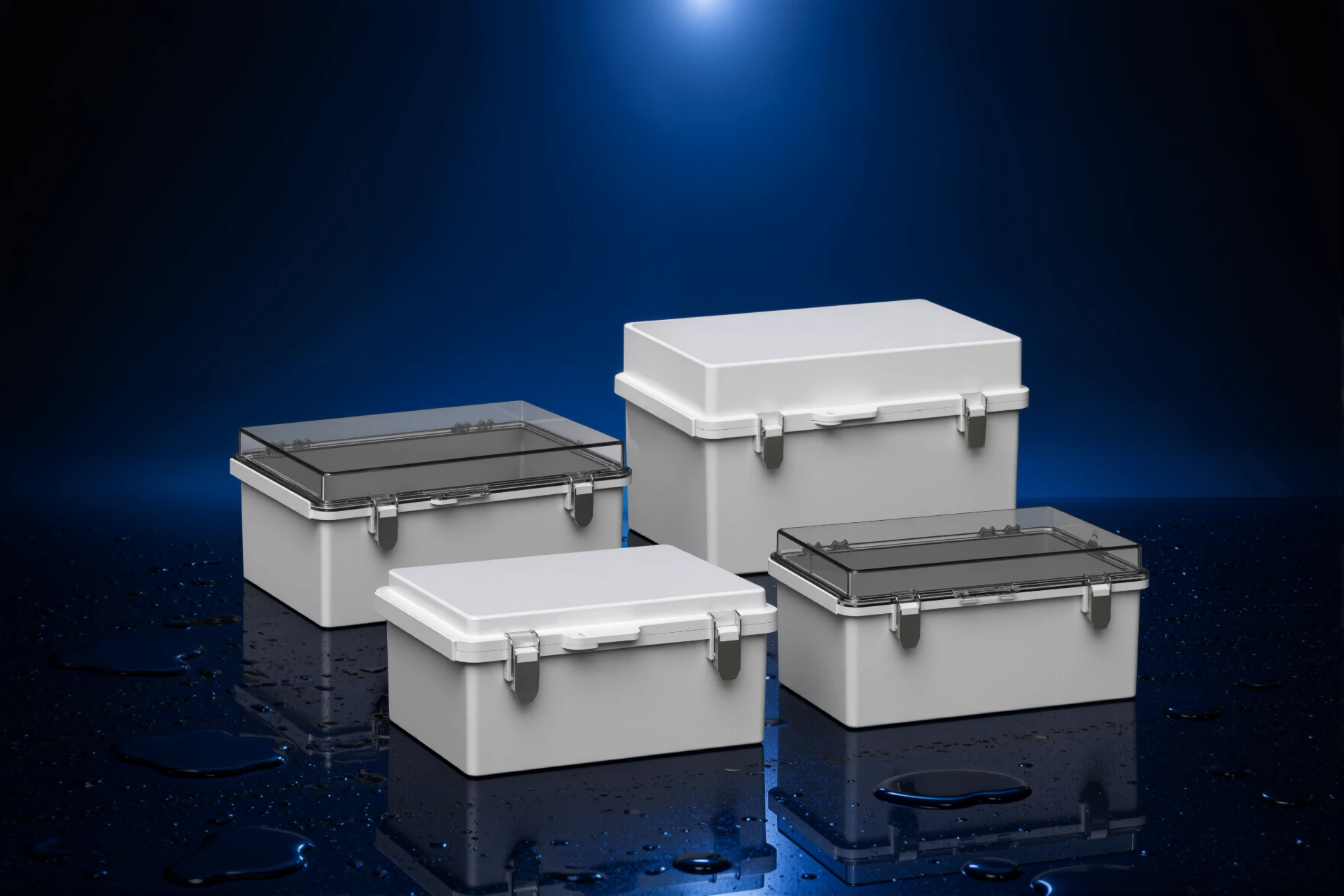
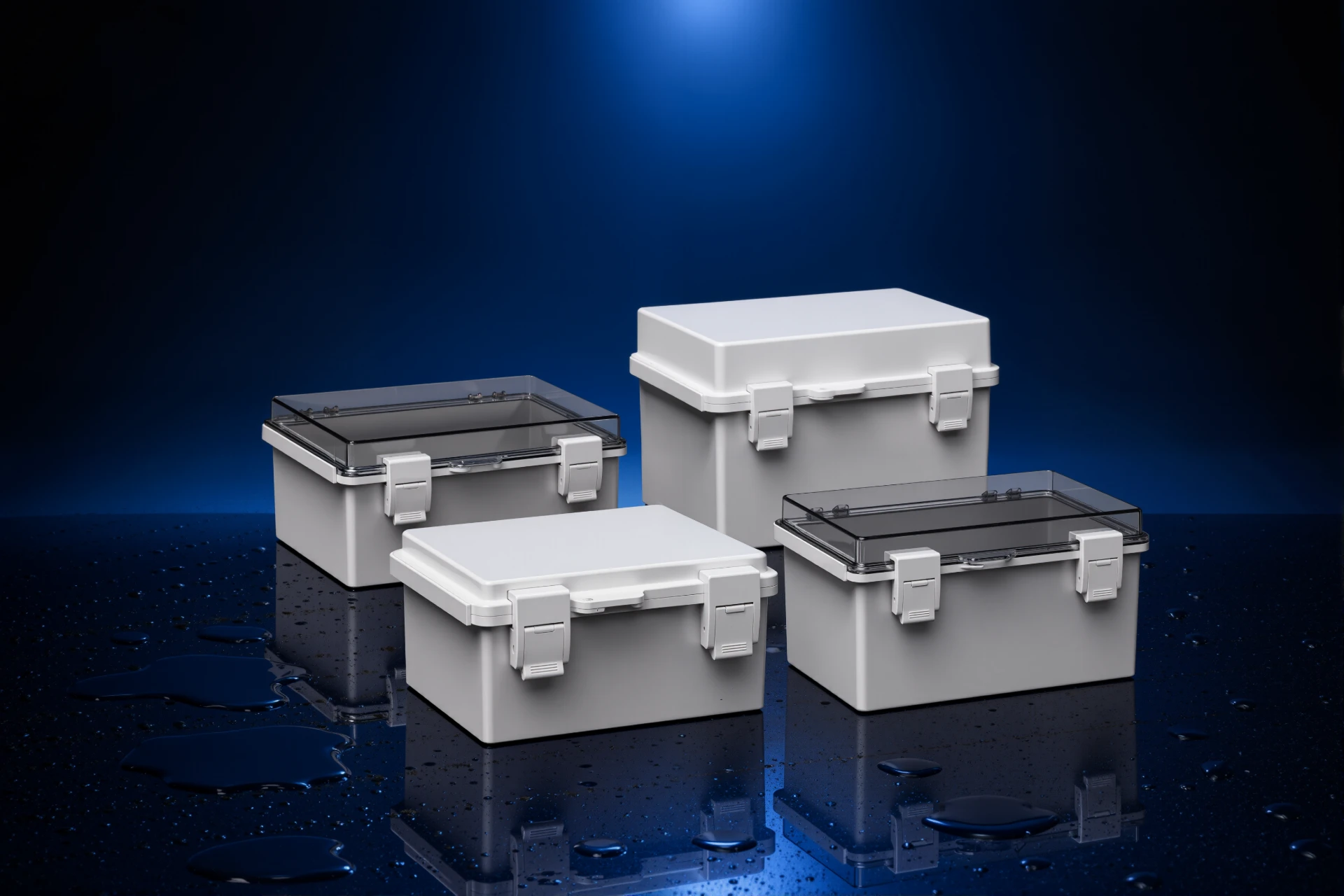
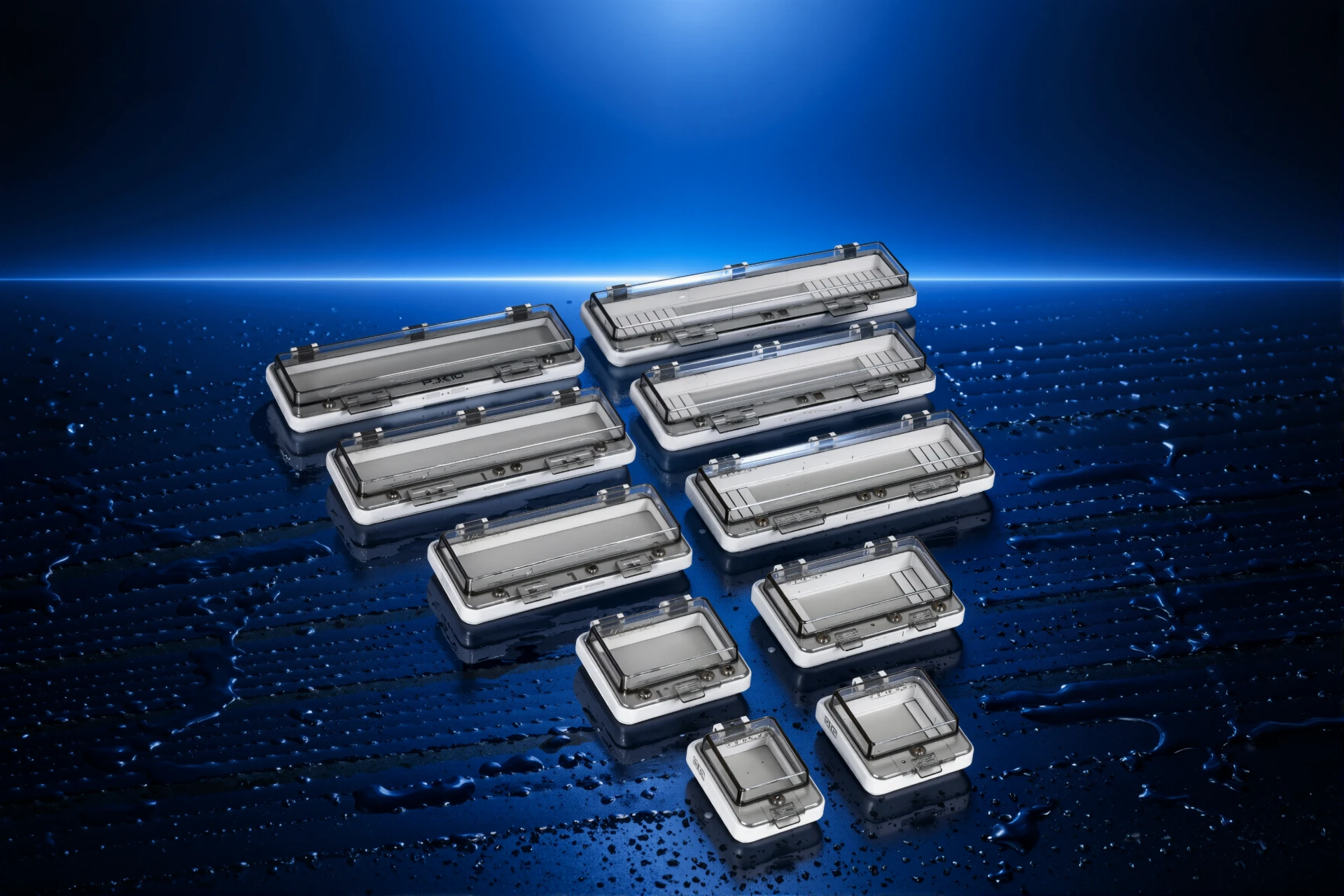
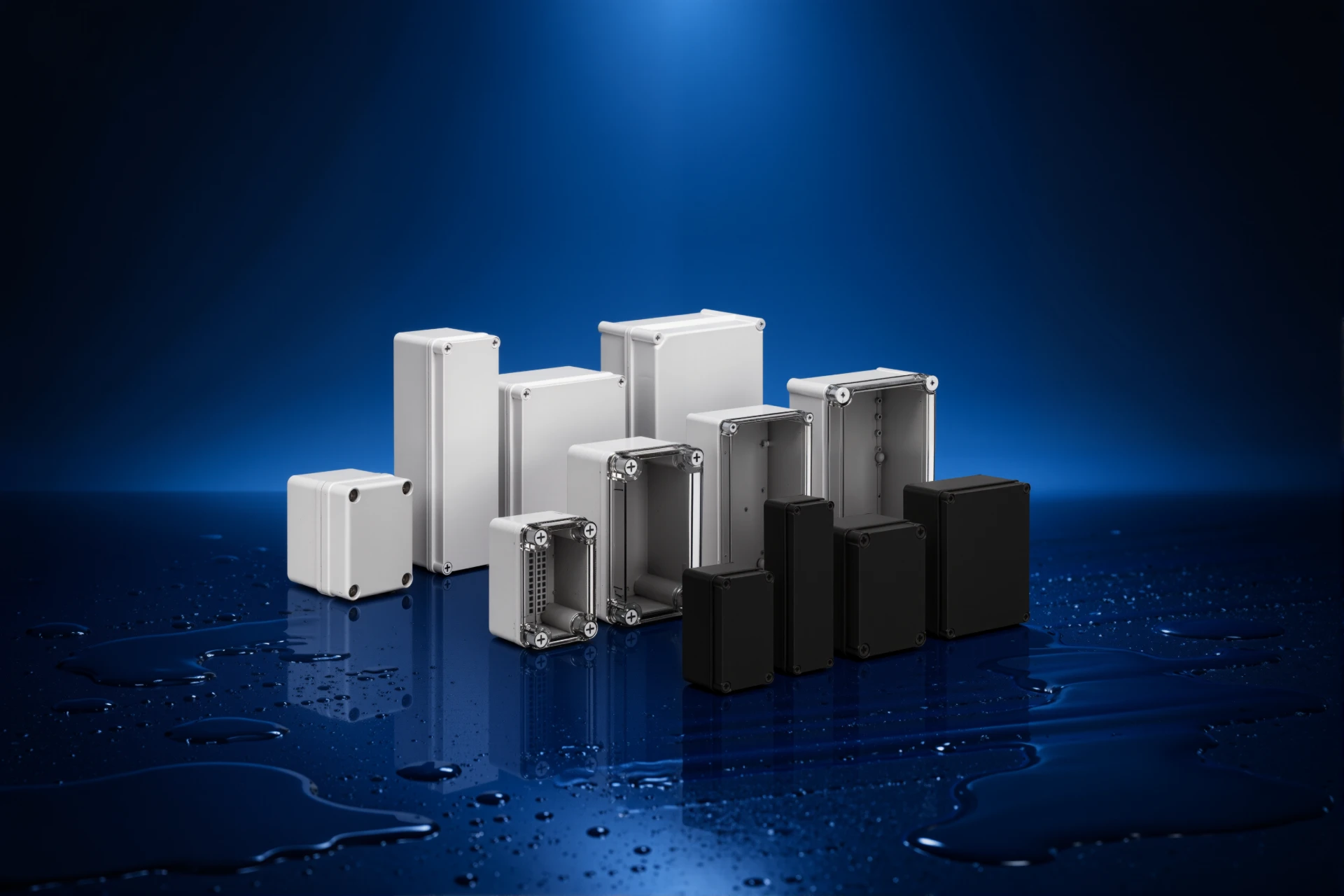
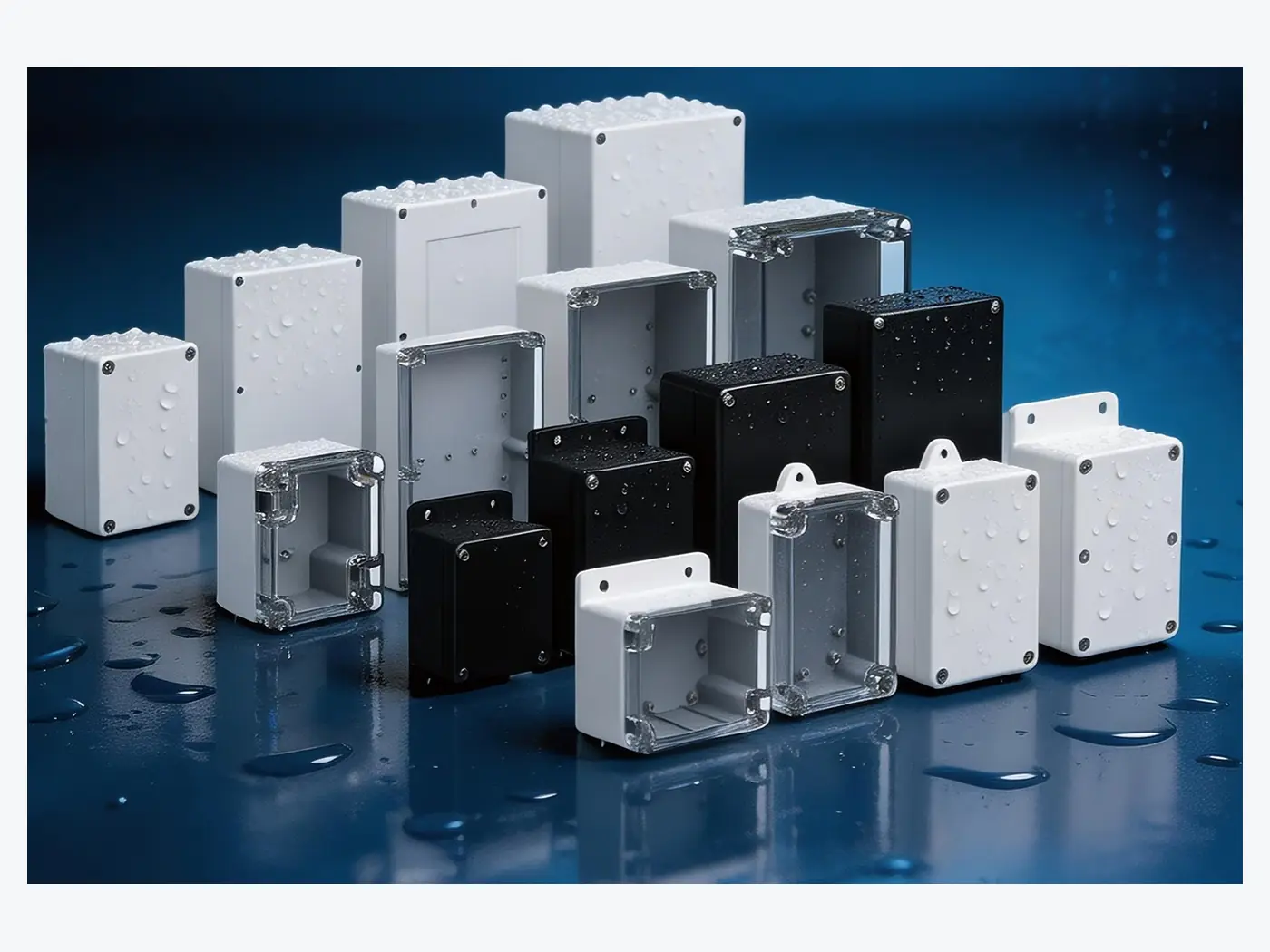
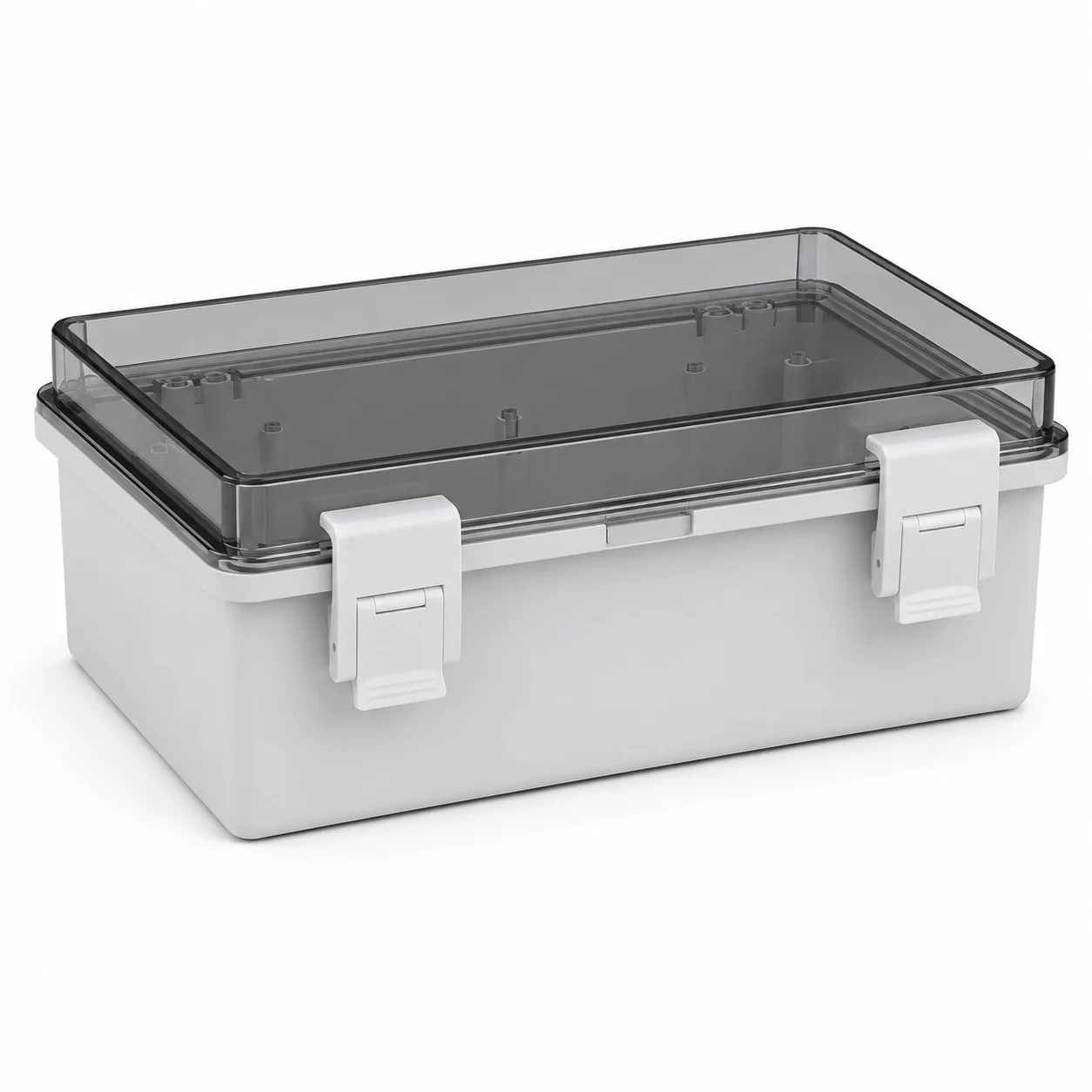
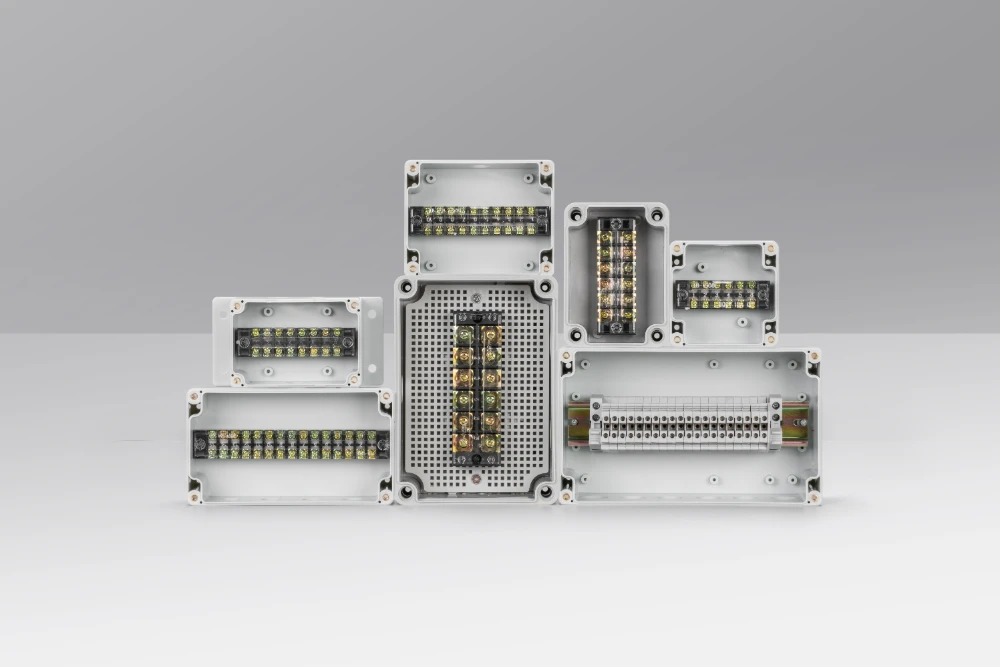
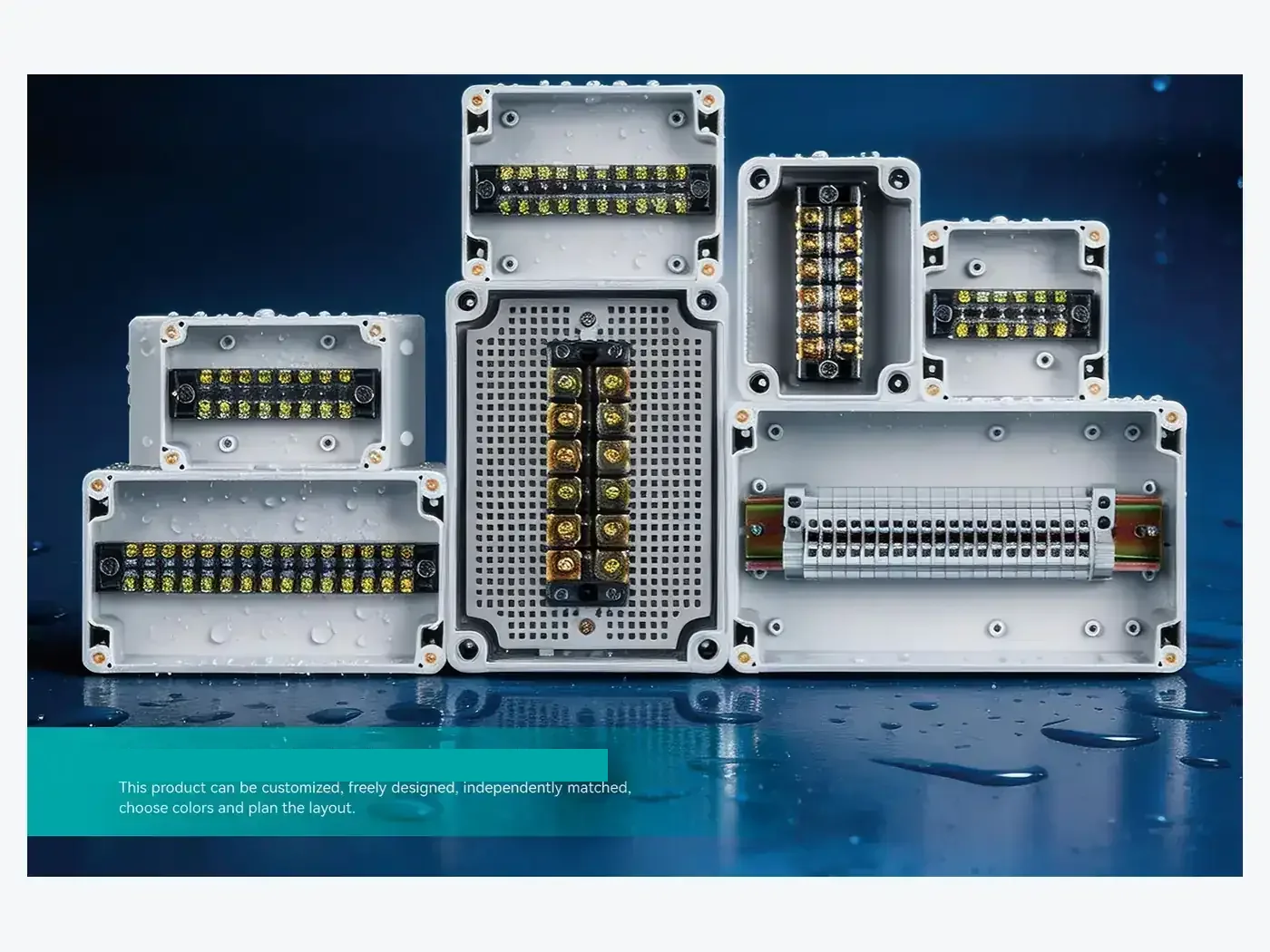
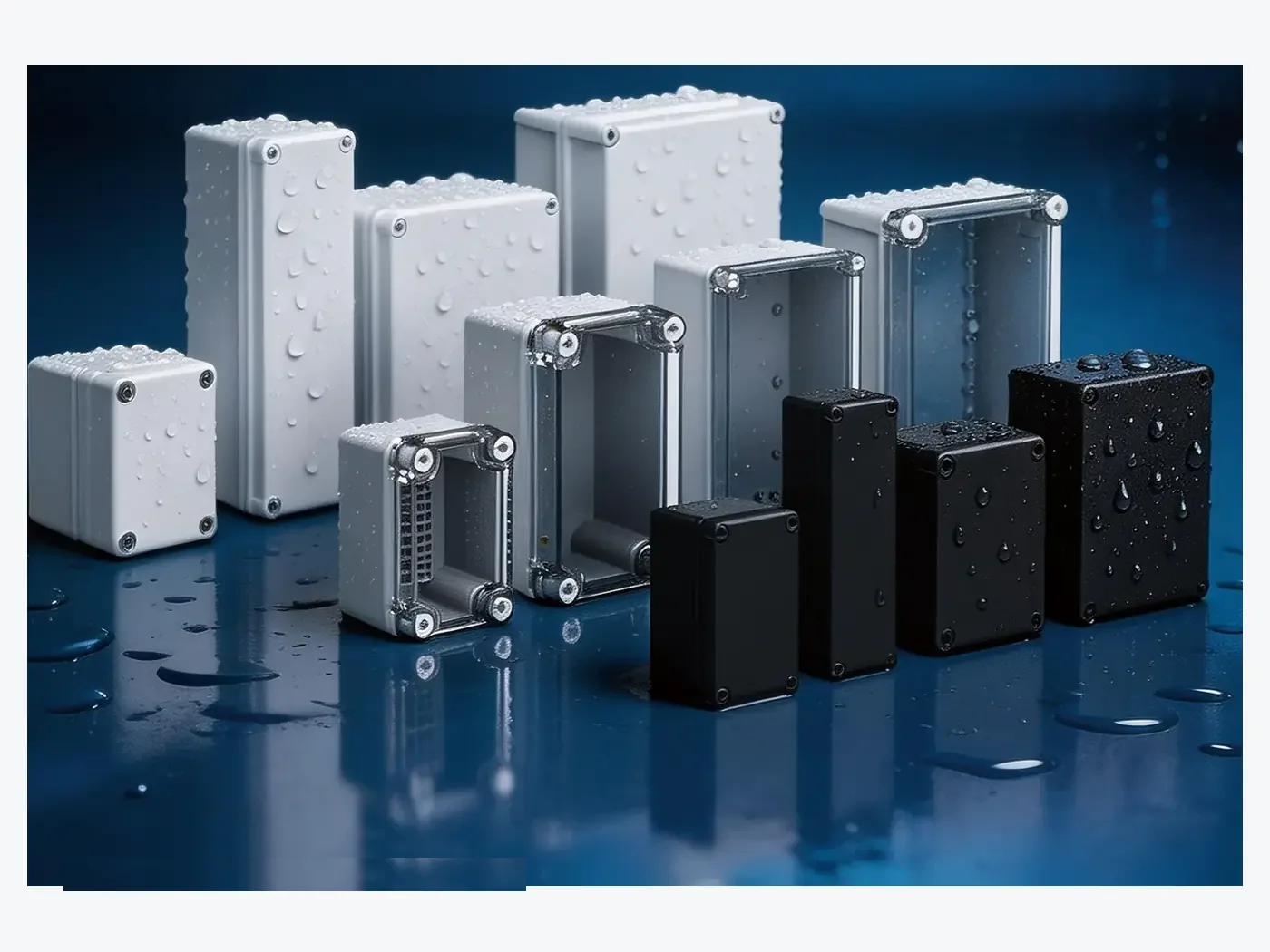
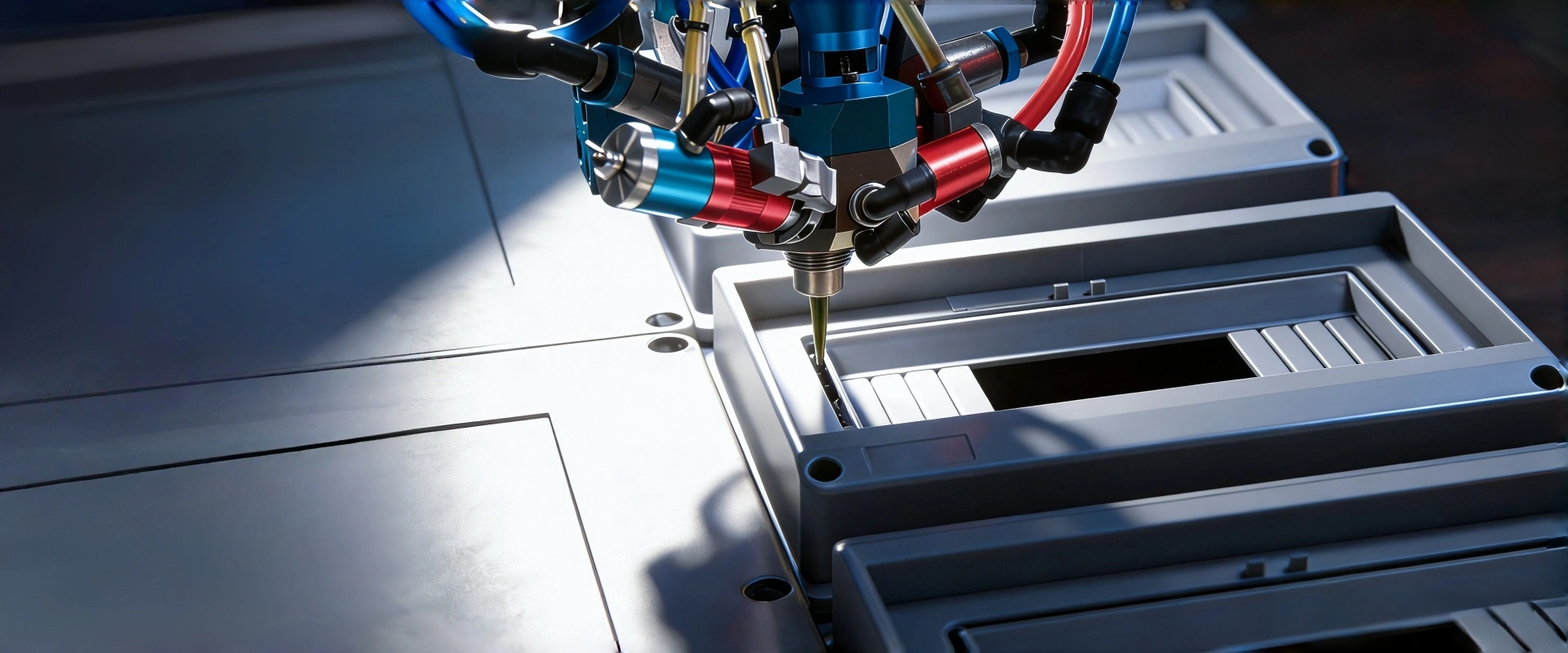
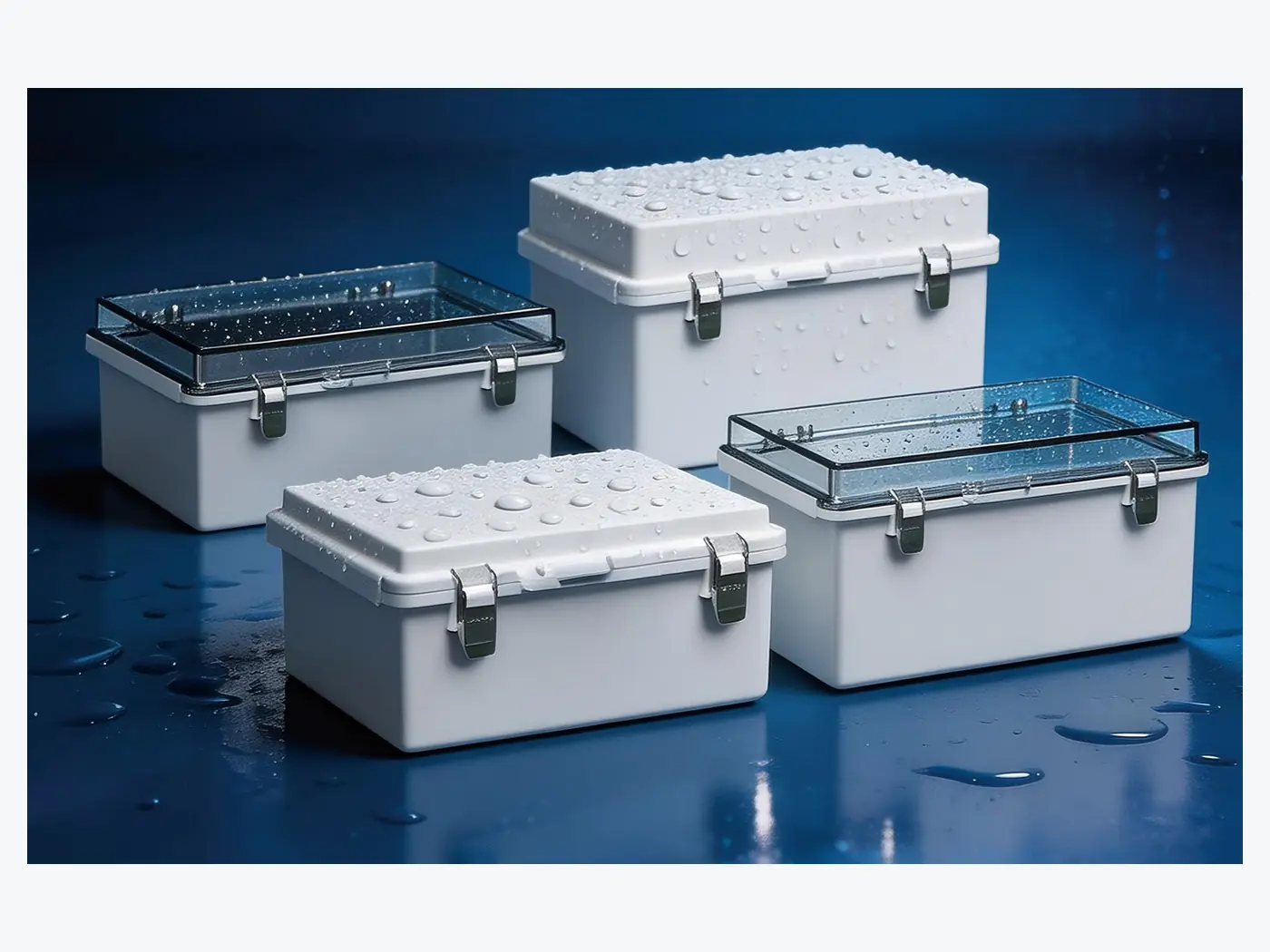
Our IP67 Plastic Latch Waterproof Junction Box and the IP66 F Series are our own standard production. We mold the bodies in ABS or polycarbonate, offer gray or transparent covers with or without mounting ears, and machine the cable entries to your drawing, so every repeat order seals the same way.
Condensation
A sealed box in damp air can still collect condensation on the inside. For a box that will not be submerged, a small drain plug in the bottom lets it out. For a fully sealed install, keep the entry seals tight and add desiccant where the electronics are sensitive.
Checklist Before Installation
- Choose IP67 for in-ground or anywhere water can pool; IP66 is enough for sheltered outdoor spots.
- Bring cables in through the bottom face with correctly sized glands.
- Seal every unused entry with a plug and silicone.
- On walls, stand the box off the surface and keep entries low.
- Add a drip loop to every cable and check the cover gasket before closing.
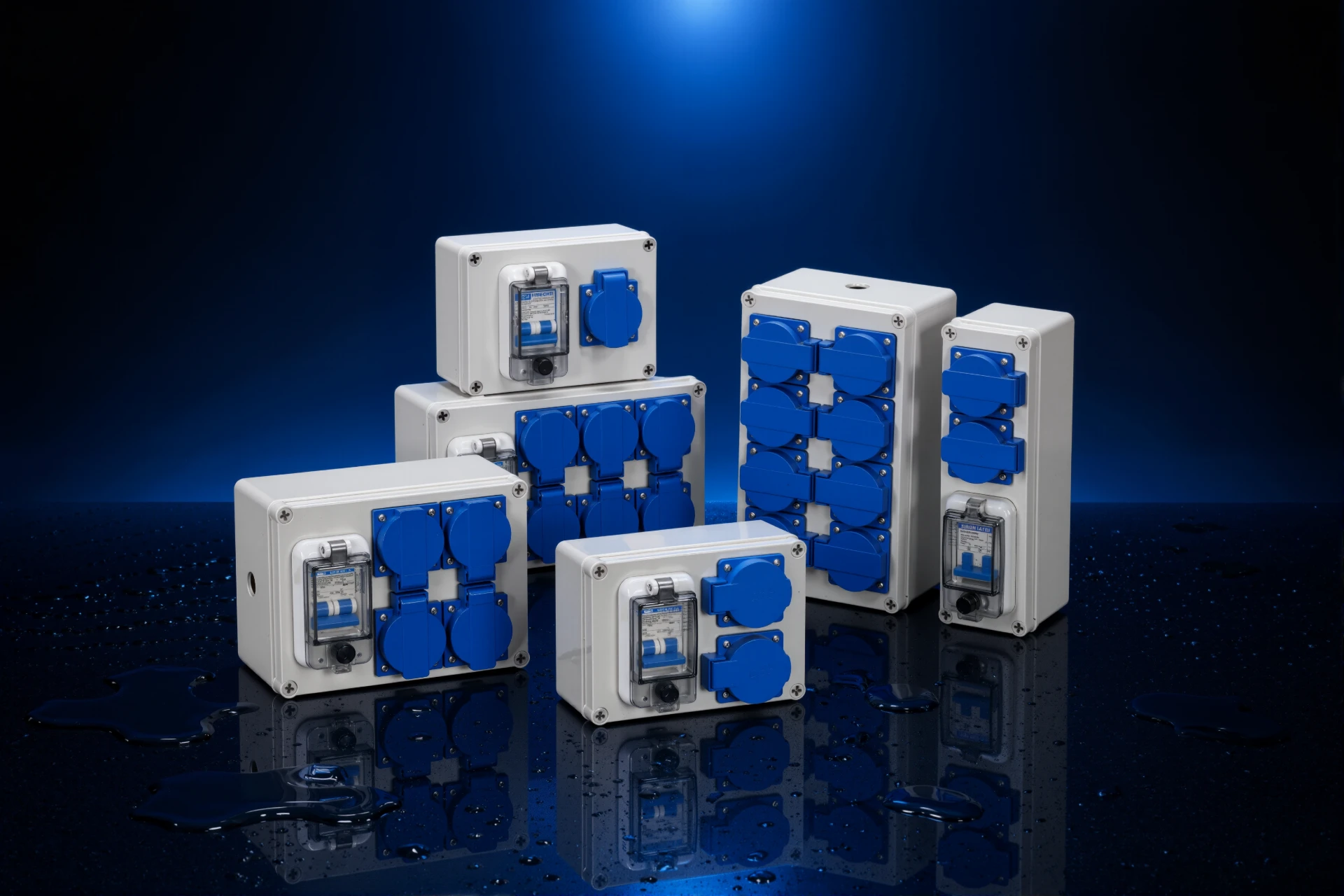
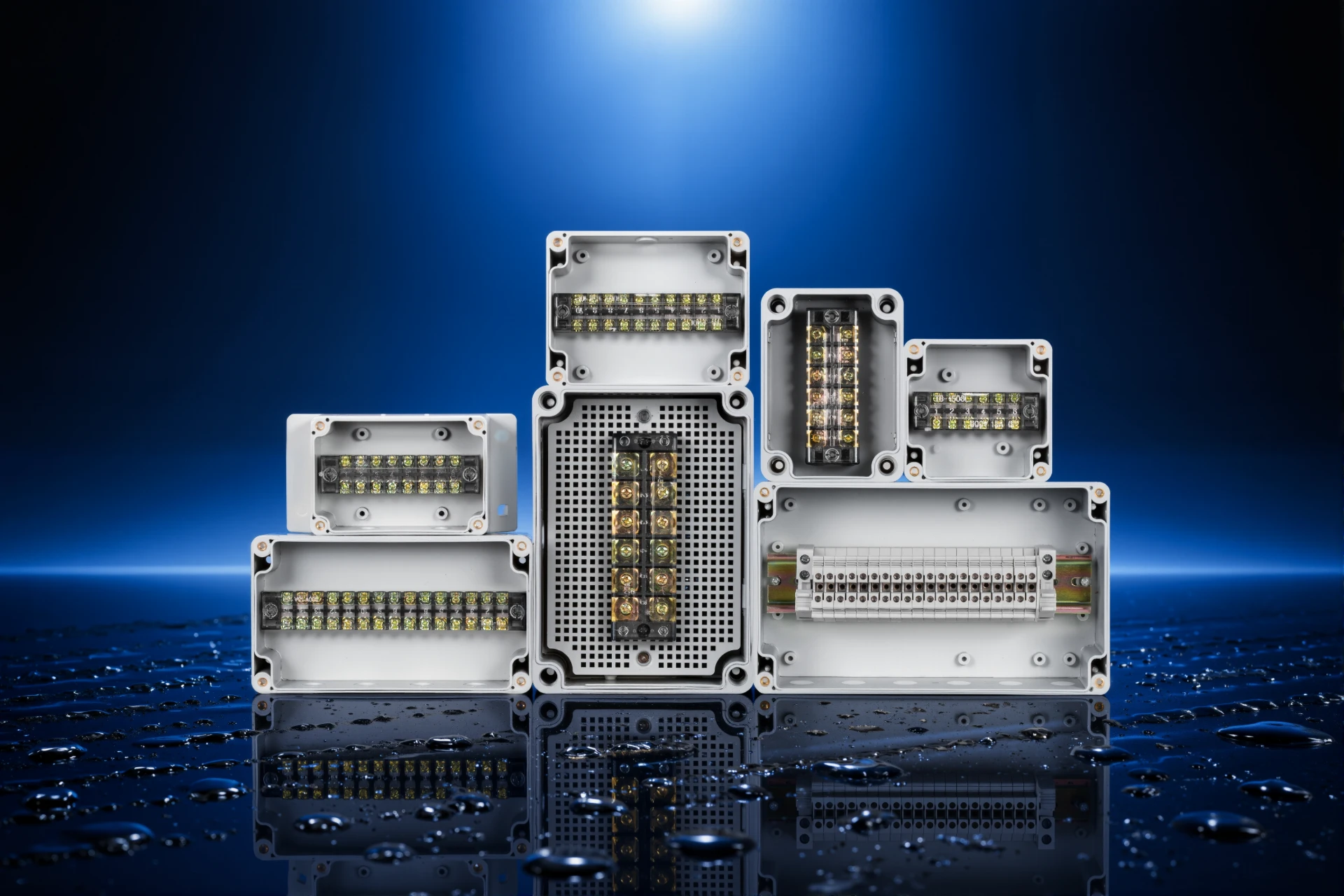
If you are still deciding on the protection level, see our IP-rated junction box selection guide, or browse the waterproof electrical boxes and enclosures range. Tell us whether the box is going in the ground or on a wall, the cable sizes and entry positions, and the IP rating you need. We machine the entries to your drawing and confirm the right model.