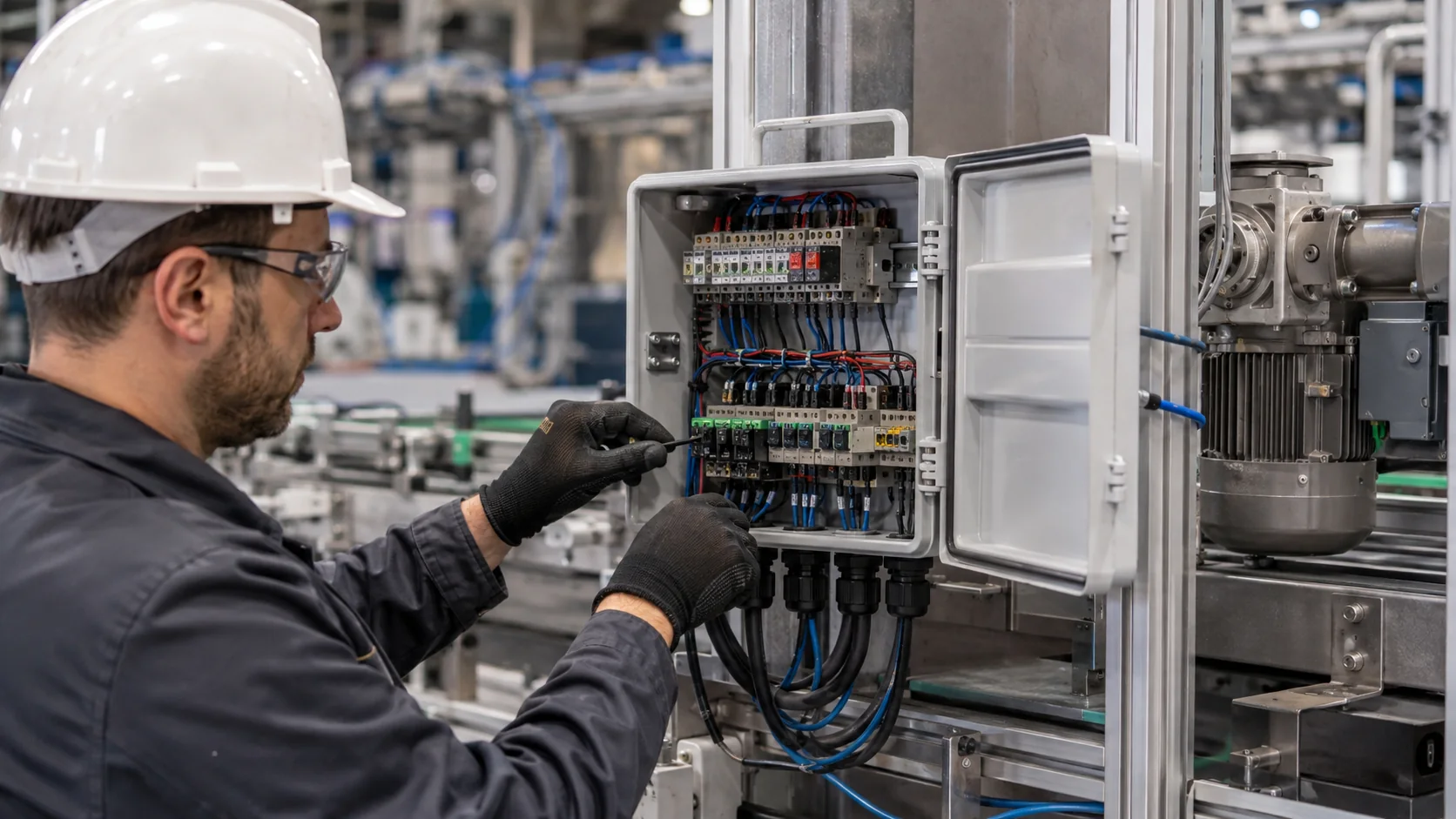
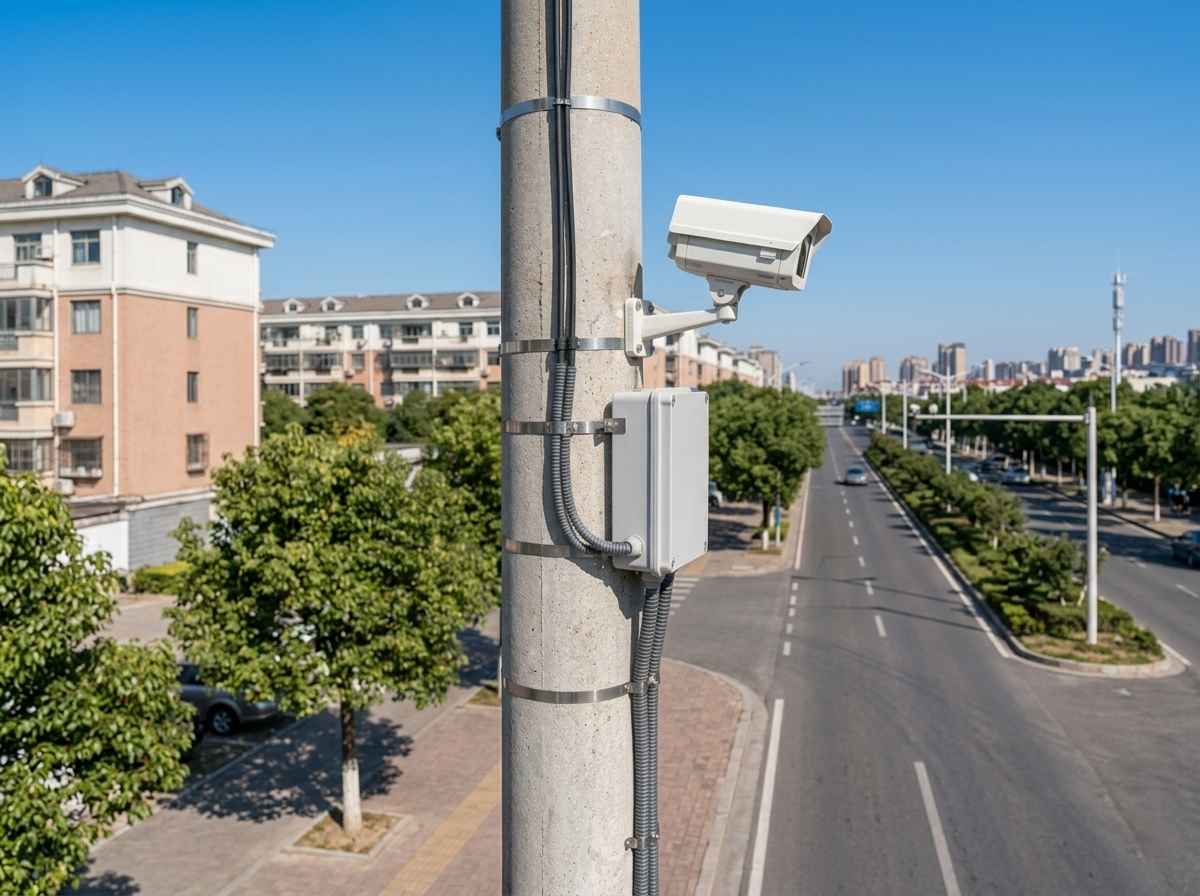
An outdoor CCTV junction box usually becomes a problem for one of three reasons: the cable entry is in the wrong place, the internal wiring has too little usable working space, or the enclosure is difficult to reopen after the camera has been commissioned.
For roadside cameras, parking systems, perimeter monitoring and other outdoor security installations, the enclosure should be selected around the actual cable route and maintenance procedure—not only from the camera size or the IP rating shown in a catalogue.
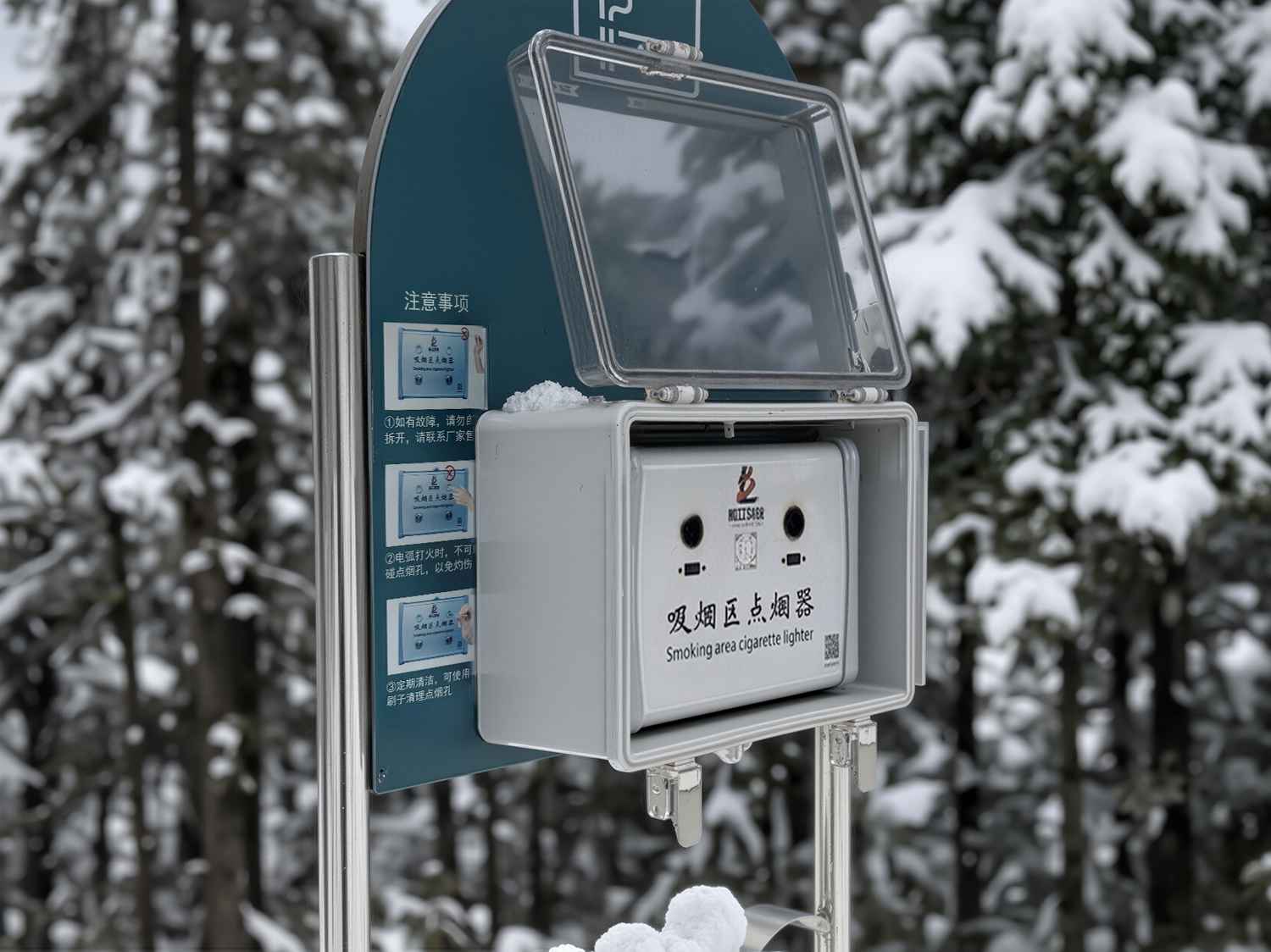
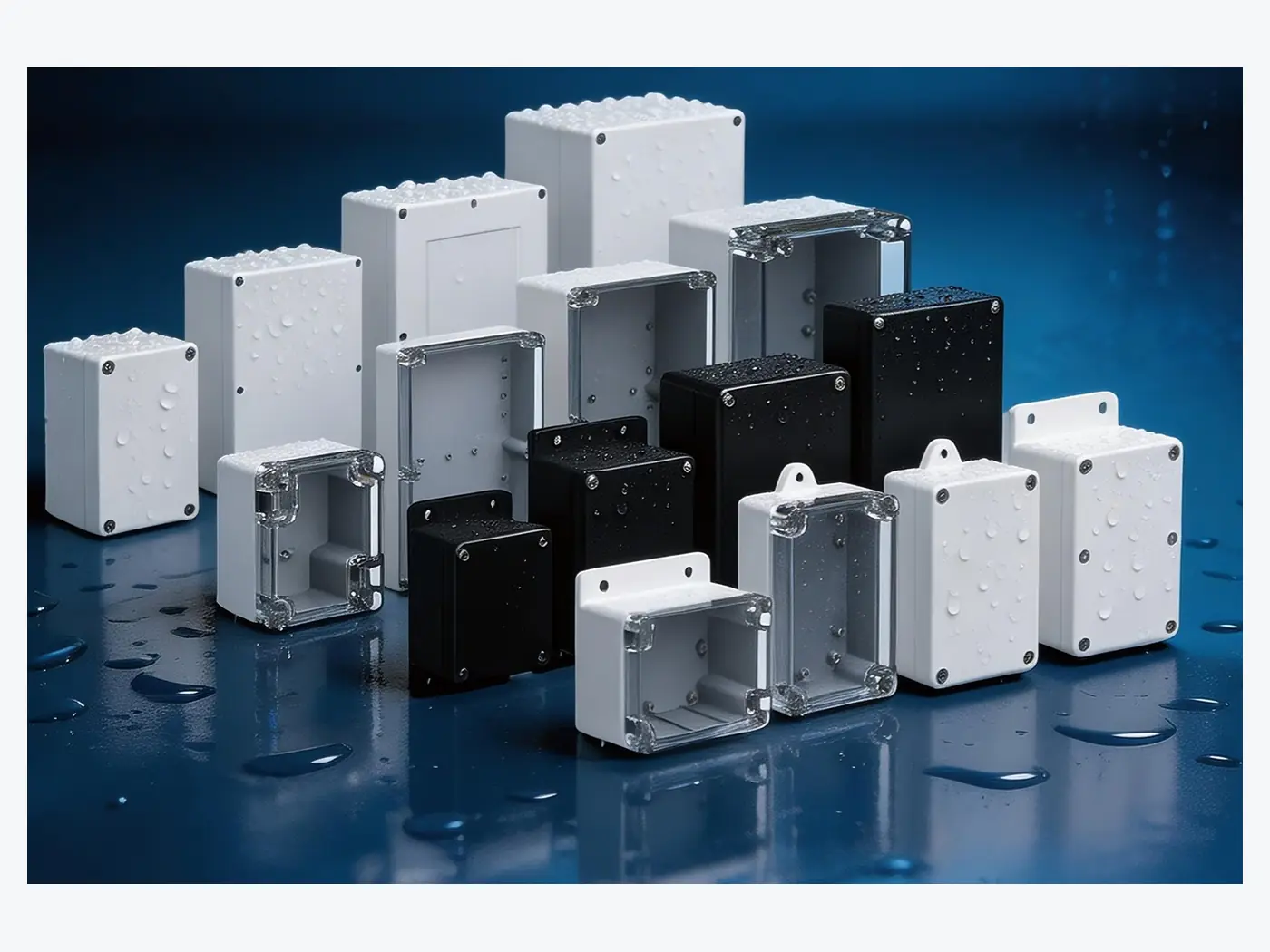
BOWO supplies waterproof electrical enclosures for outdoor wiring and monitoring applications. In CCTV projects, the most important enclosure decisions are usually cable routing, terminal arrangement, mounting position and how often technicians need to reopen the box after commissioning.
Contents
- Start With the Camera Cable Path
- Cable Gland and Terminal Clearance
- When to Use a Terminal Block Junction Box
- Screw-Fixed or Latch Cover?
- When a Transparent Cover Is Useful
- Mounting Position and Cable Entry
- Why a Larger Box Is Not Always Better
- When to Change the Enclosure Structure
- Which BOWO Enclosure Would We Start With?
- Information for an Accurate Quotation
Start With the Camera Cable Path, Not the Box Size
In a CCTV project, the first enclosure decision should be based on how the cables reach the camera.
A typical installation may include power, network, signal or auxiliary conductors entering from a pole, wall, bracket or conduit. If the enclosure is selected first and the cable-entry positions are decided later, the installer may be forced to bend cables sharply or place glands too close to internal components.
Before the opening layout is finalized, we normally want to confirm:
- the number of incoming and outgoing cables;
- cable or gland diameter;
- entry direction;
- camera mounting position;
- available wall, pole or bracket space;
- terminal or connector position inside the enclosure.
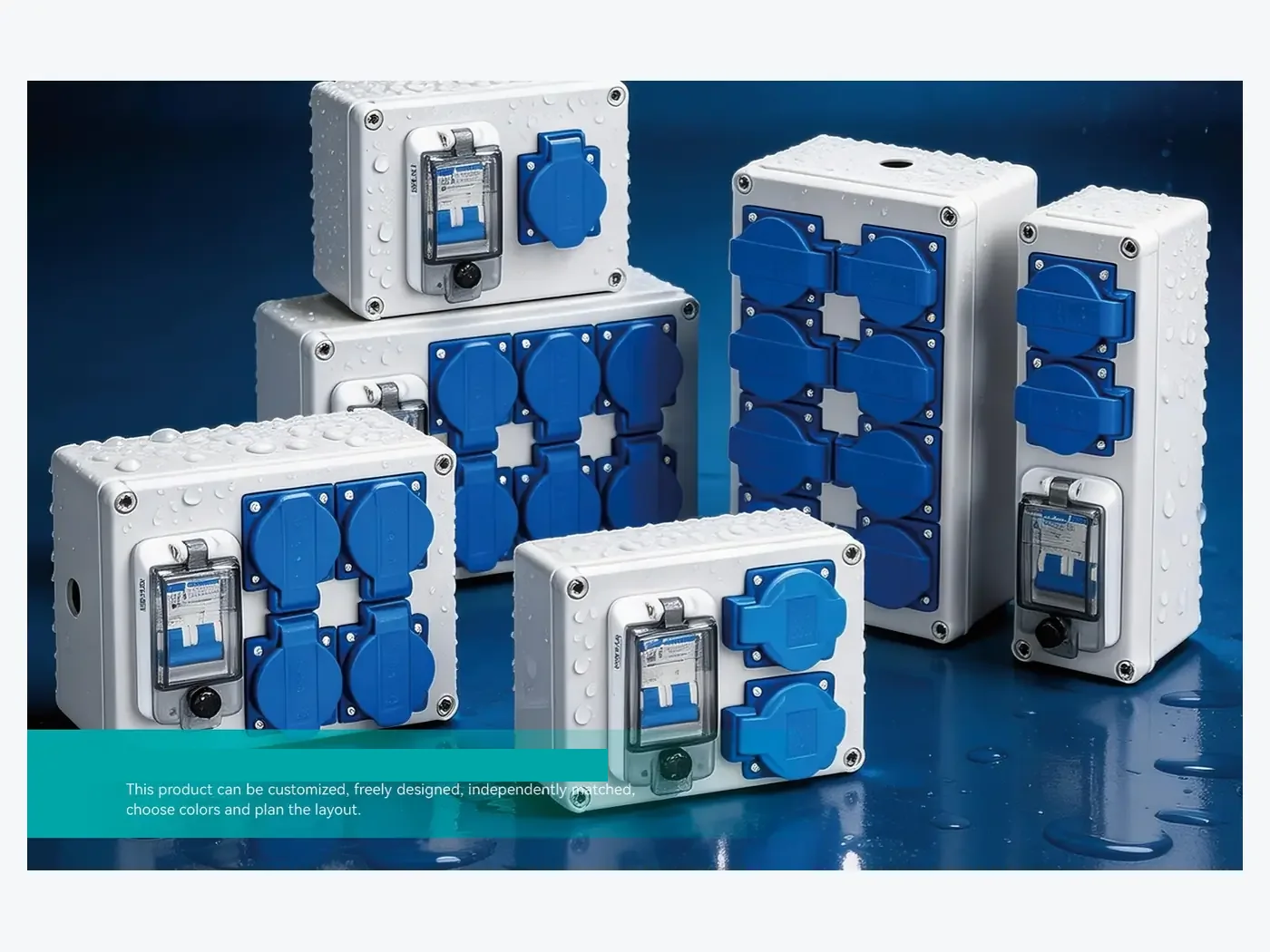
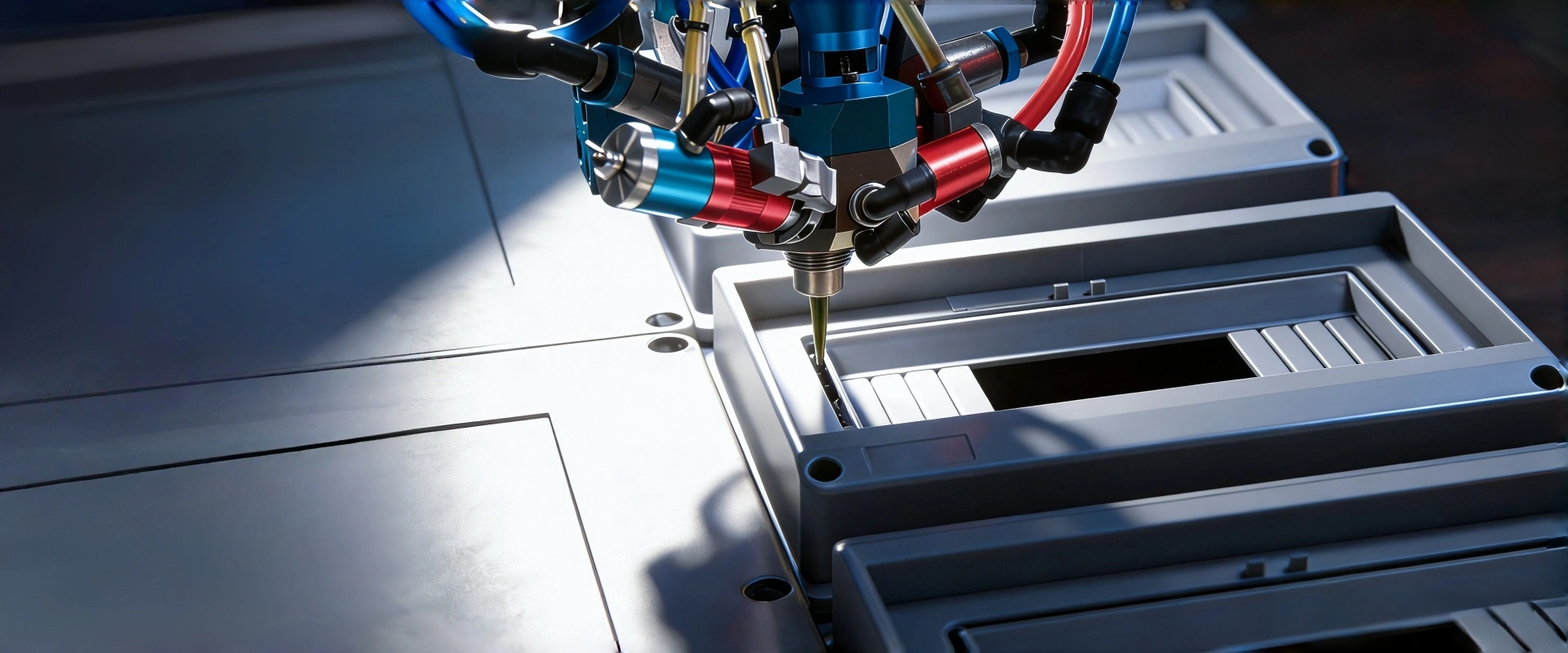
BOWO waterproof enclosure projects can use custom opening positions according to installation and cable-entry requirements. For repeat projects, confirming these positions before production is more practical than using the same opening pattern for every installation.
Do Not Put the Cable Gland Directly Against the Terminal Area
The outside wall may appear to have enough space for another cable opening, but the gland body, locknut, connector and cable bend also occupy internal space.
If a terminal block is mounted directly behind the gland, wiring and later maintenance become more difficult. We therefore prefer to leave enough working space between the cable entry and the internal connection area.
This becomes especially important when multiple cameras, auxiliary power or additional field devices share the same enclosure.
When a Terminal Block Junction Box Is Better Than an Empty Enclosure
Not every CCTV installation needs a dedicated terminal block box. If the enclosure contains only a simple connector or cable joint, a general waterproof junction box may be sufficient.
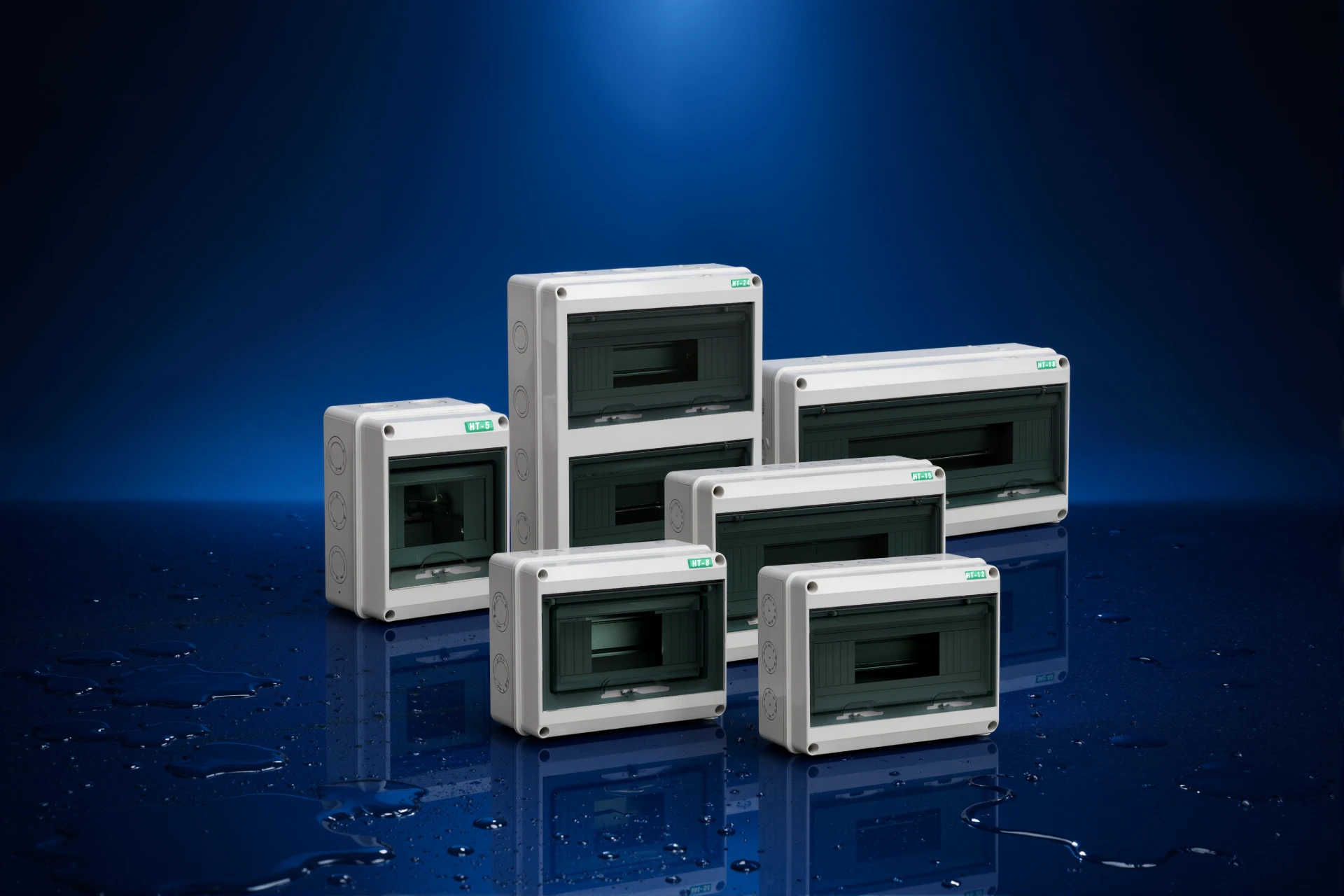
Once the project includes several conductors or branch connections, an organized terminal arrangement can be more useful than loose cable joints.
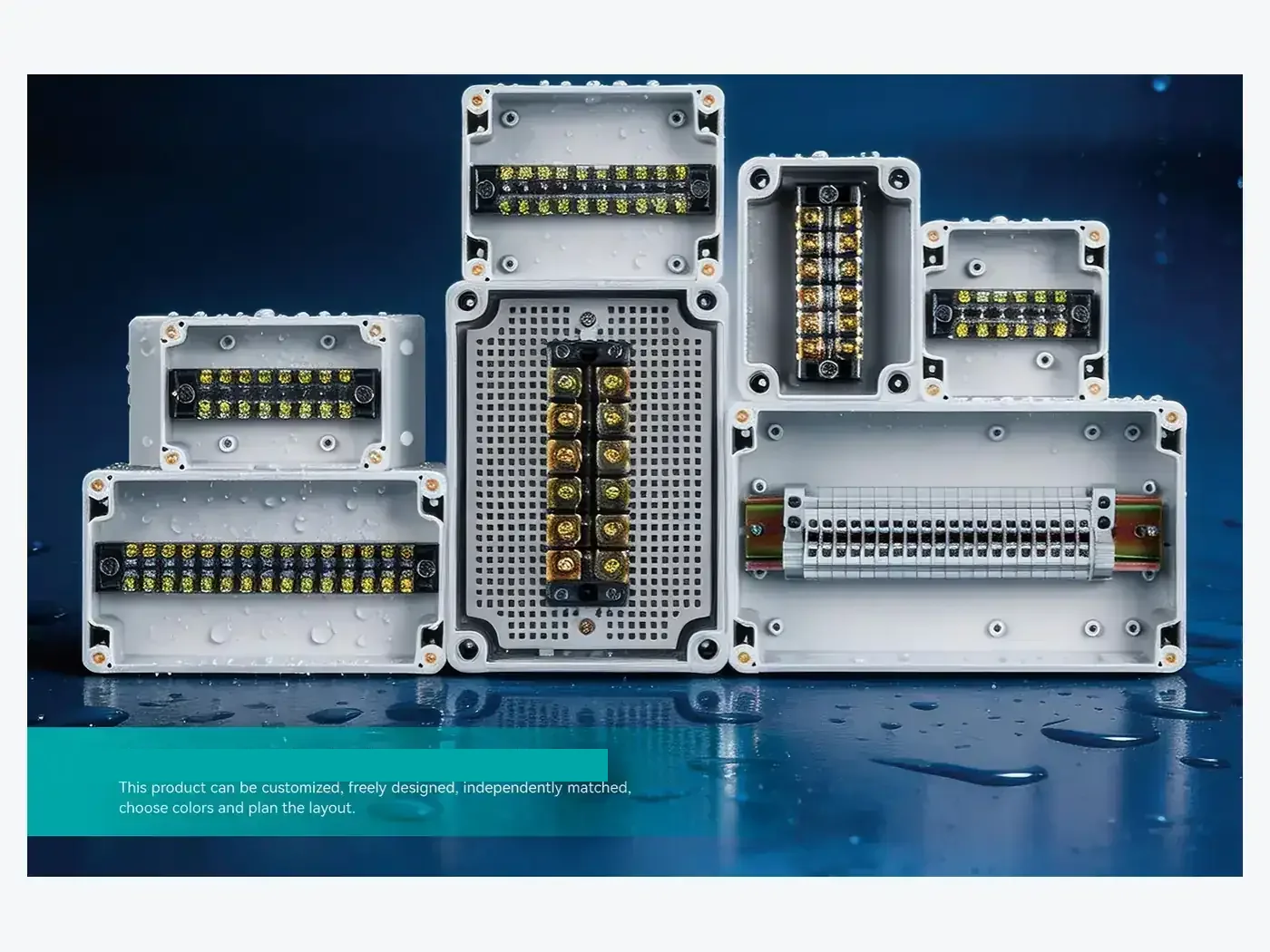
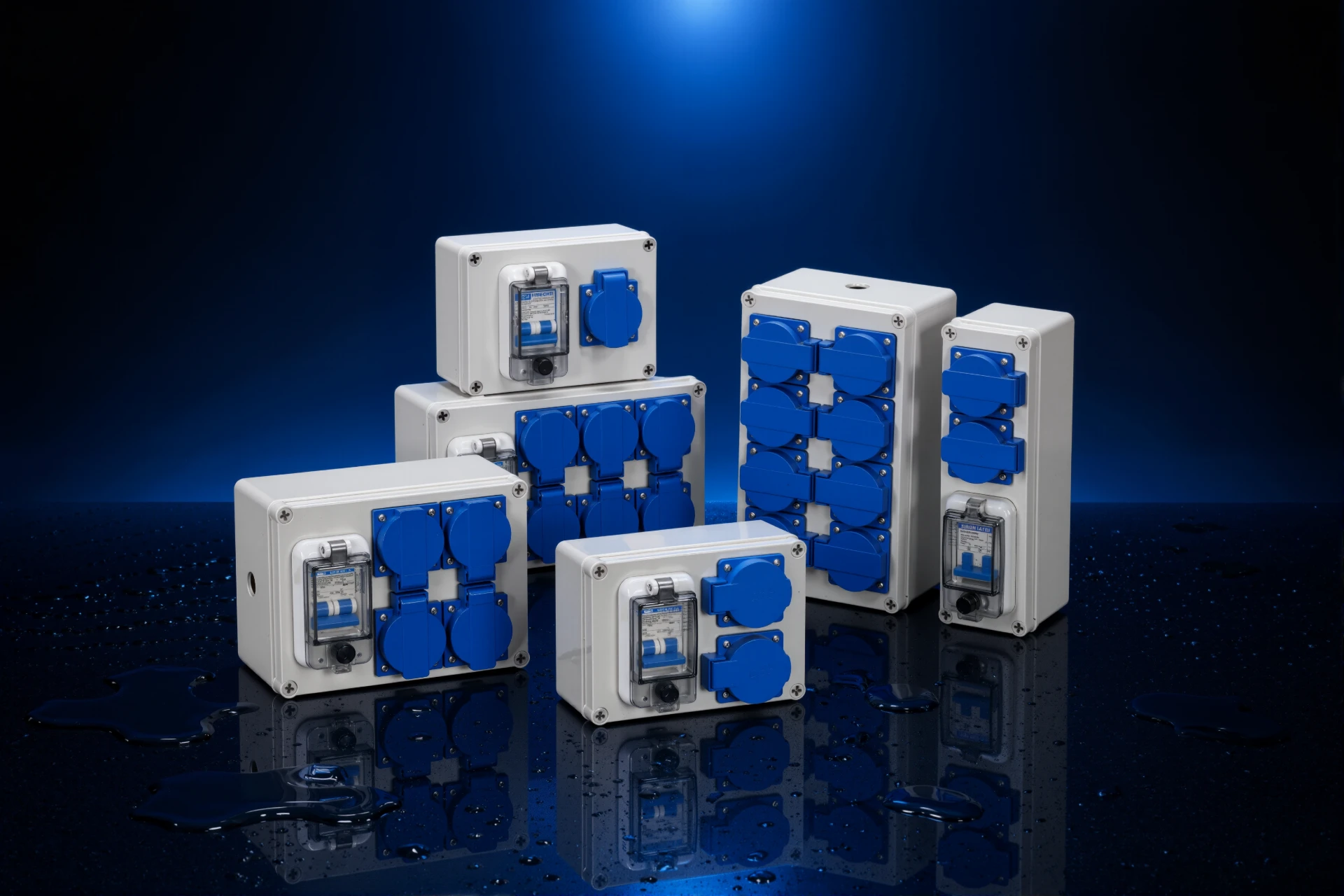
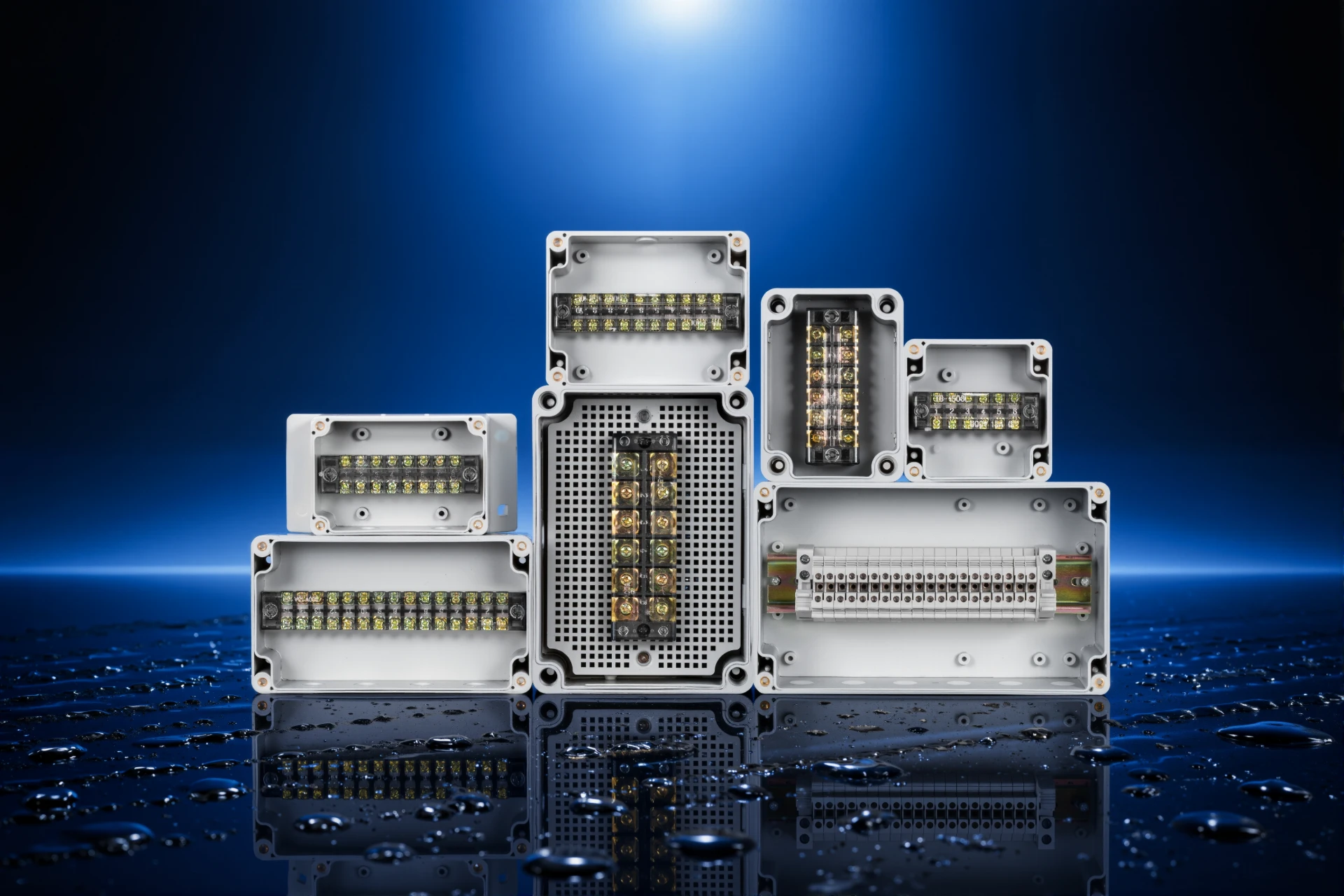
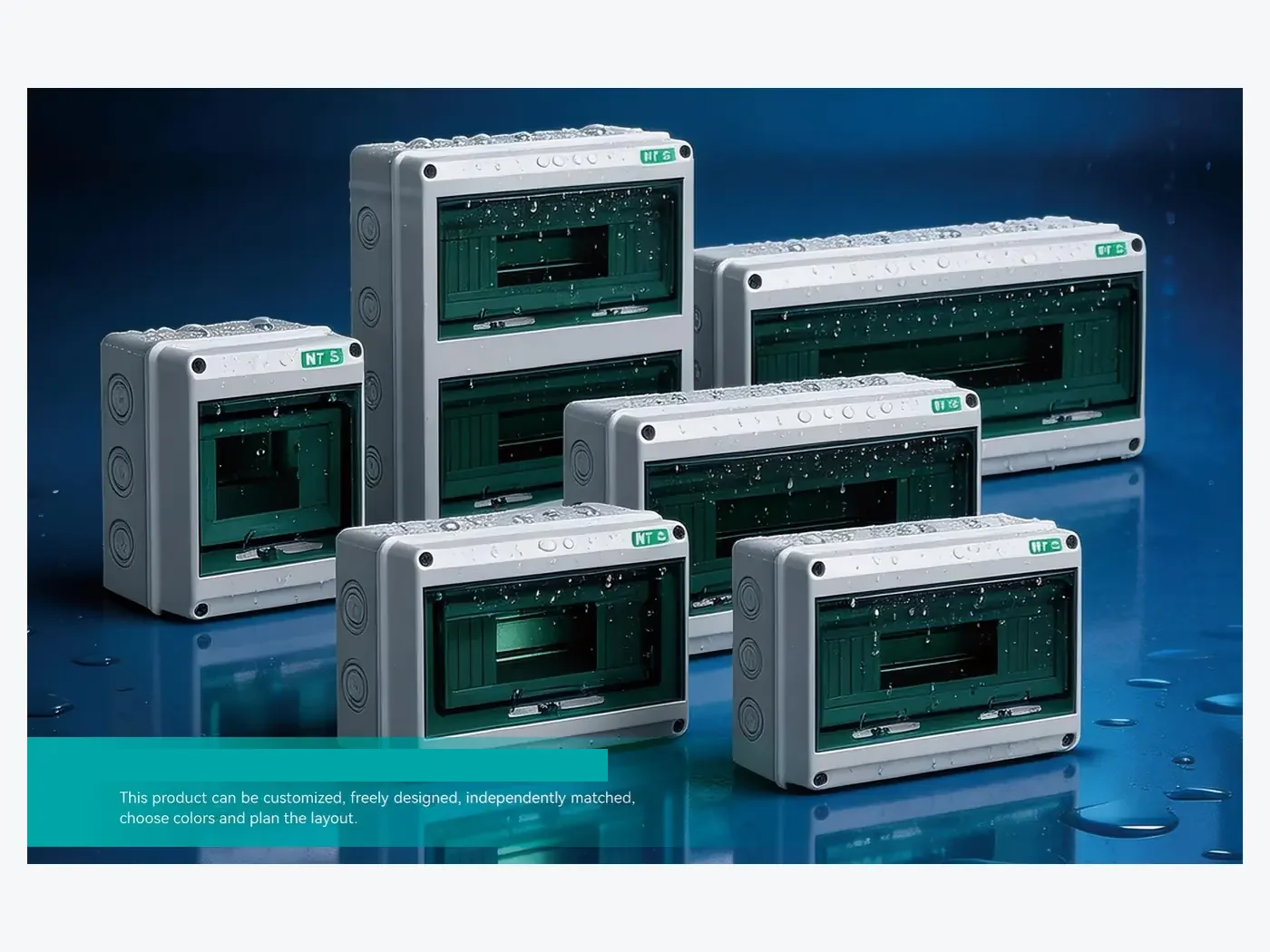
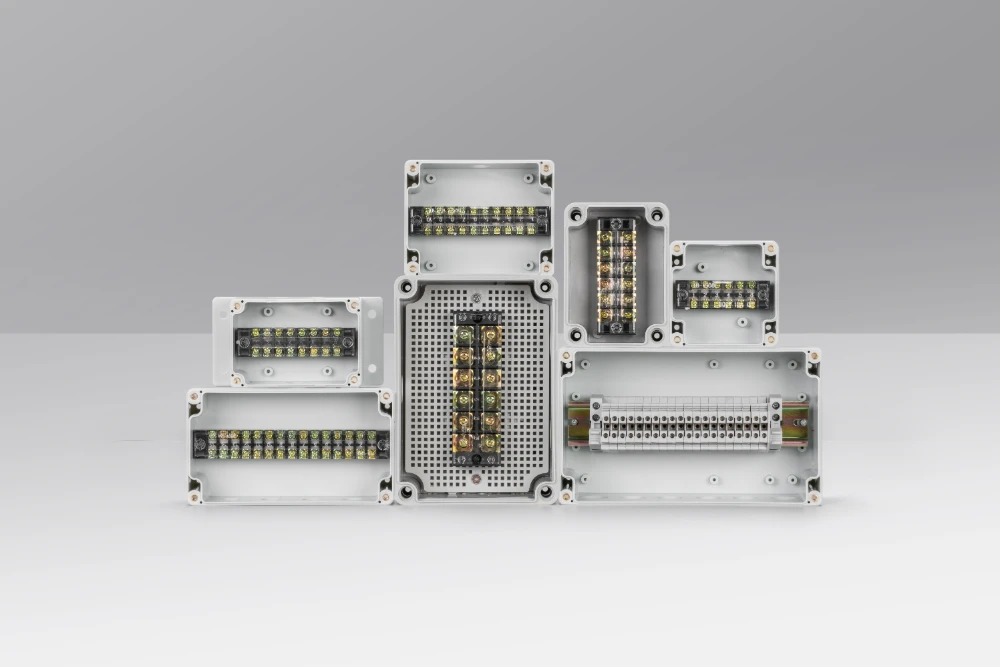
BOWO's waterproof terminal block junction boxes provide a protected connection point for cable connection and branching. For CCTV projects, this structure is more suitable when several incoming or outgoing conductors need to remain organized during commissioning and maintenance.
Screw-Fixed or Latch Cover?
The right closure depends mainly on how often the camera junction box will be reopened.
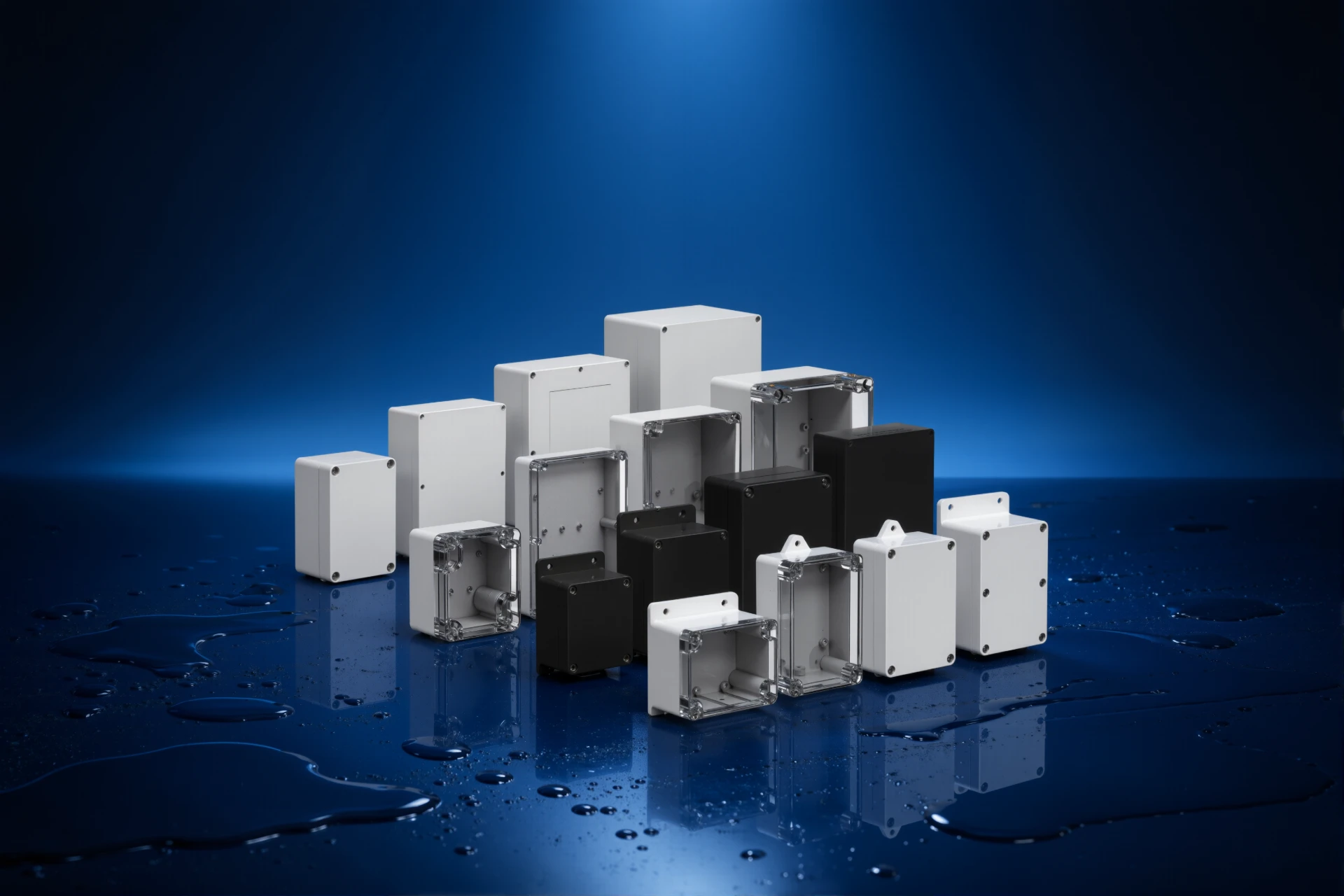
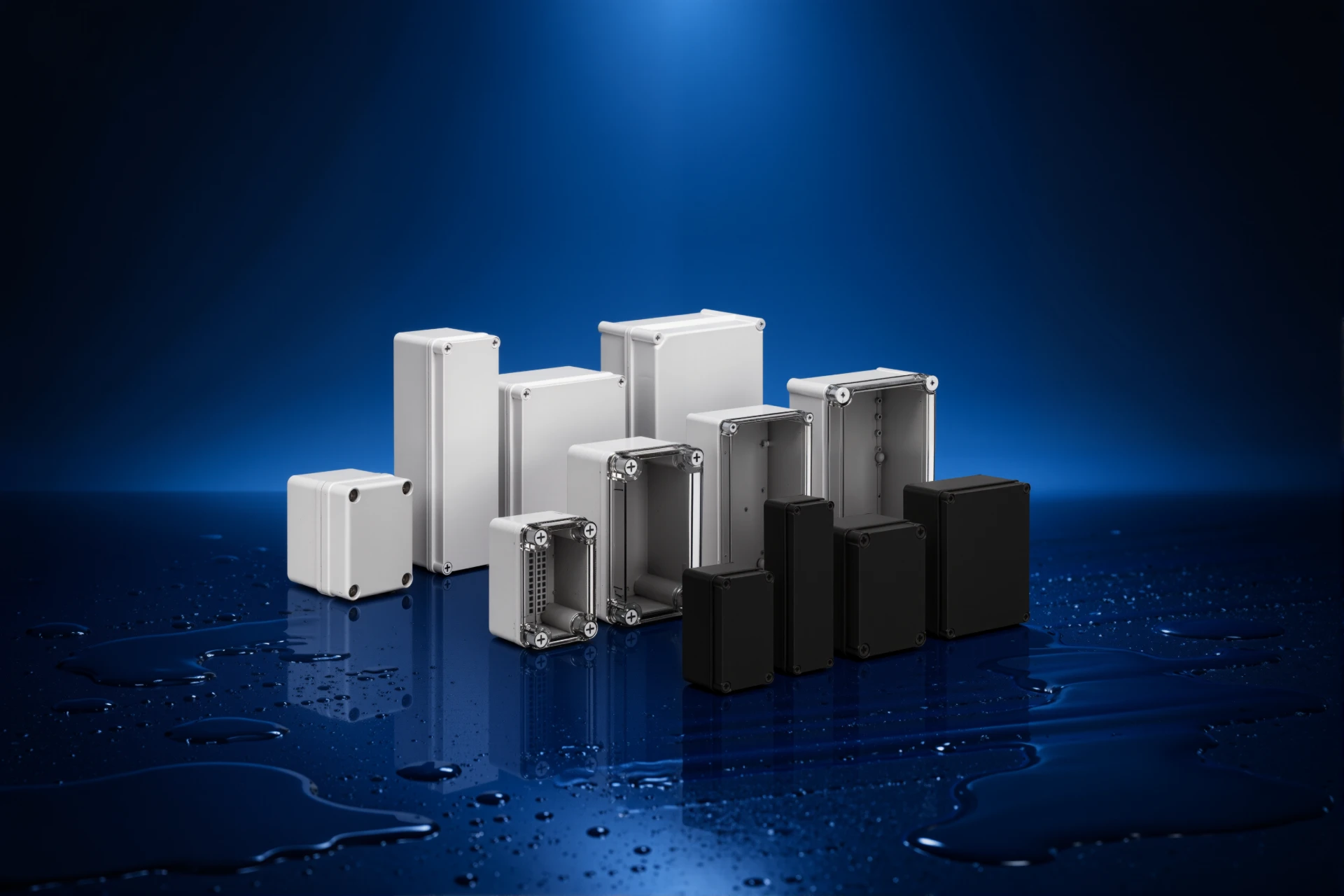
For a fixed roadside camera that is installed, tested and then rarely reopened, a screw-fixed waterproof junction box can be a straightforward solution.
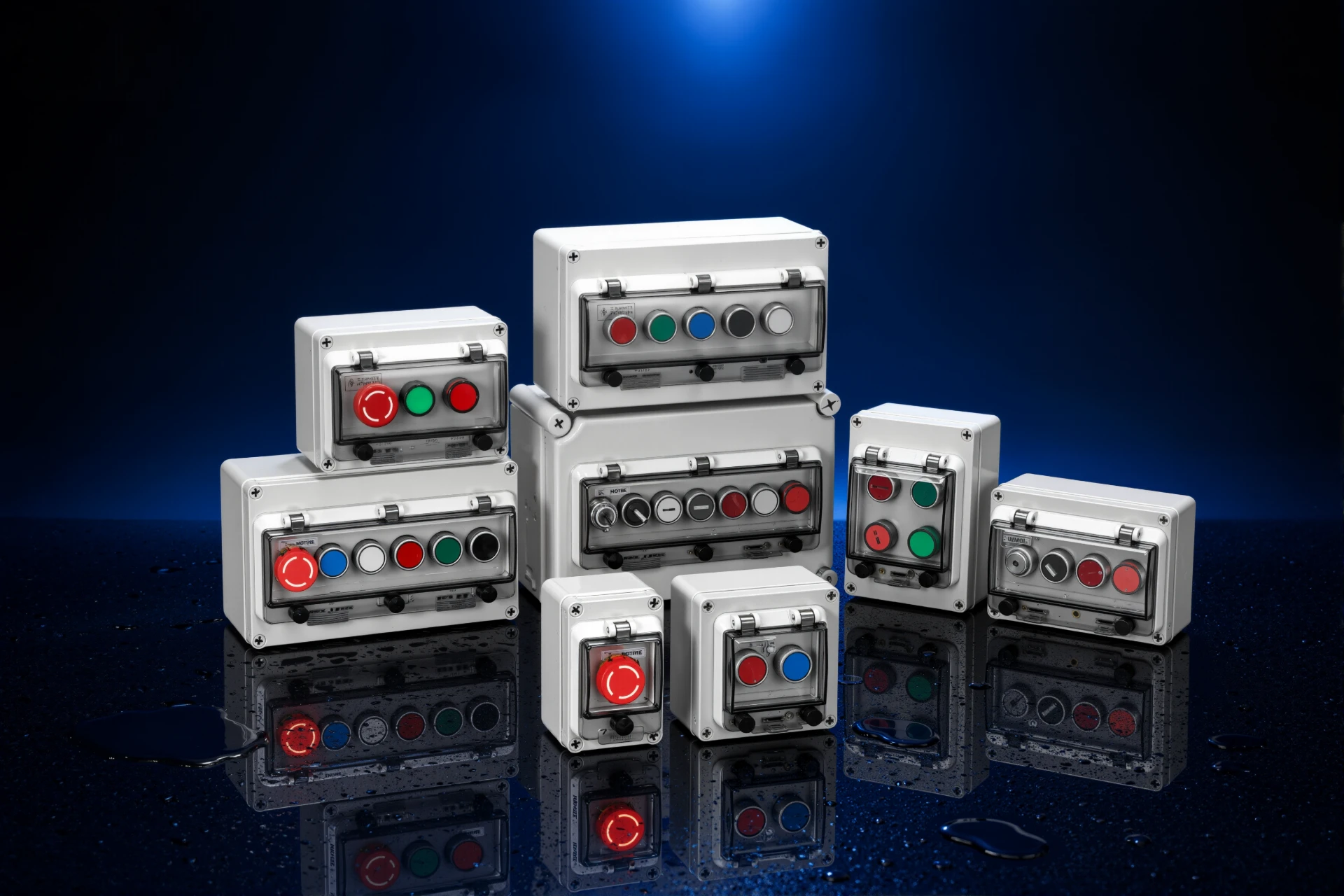
If technicians need regular access for inspection, commissioning or wiring changes, a latch enclosure becomes more practical.
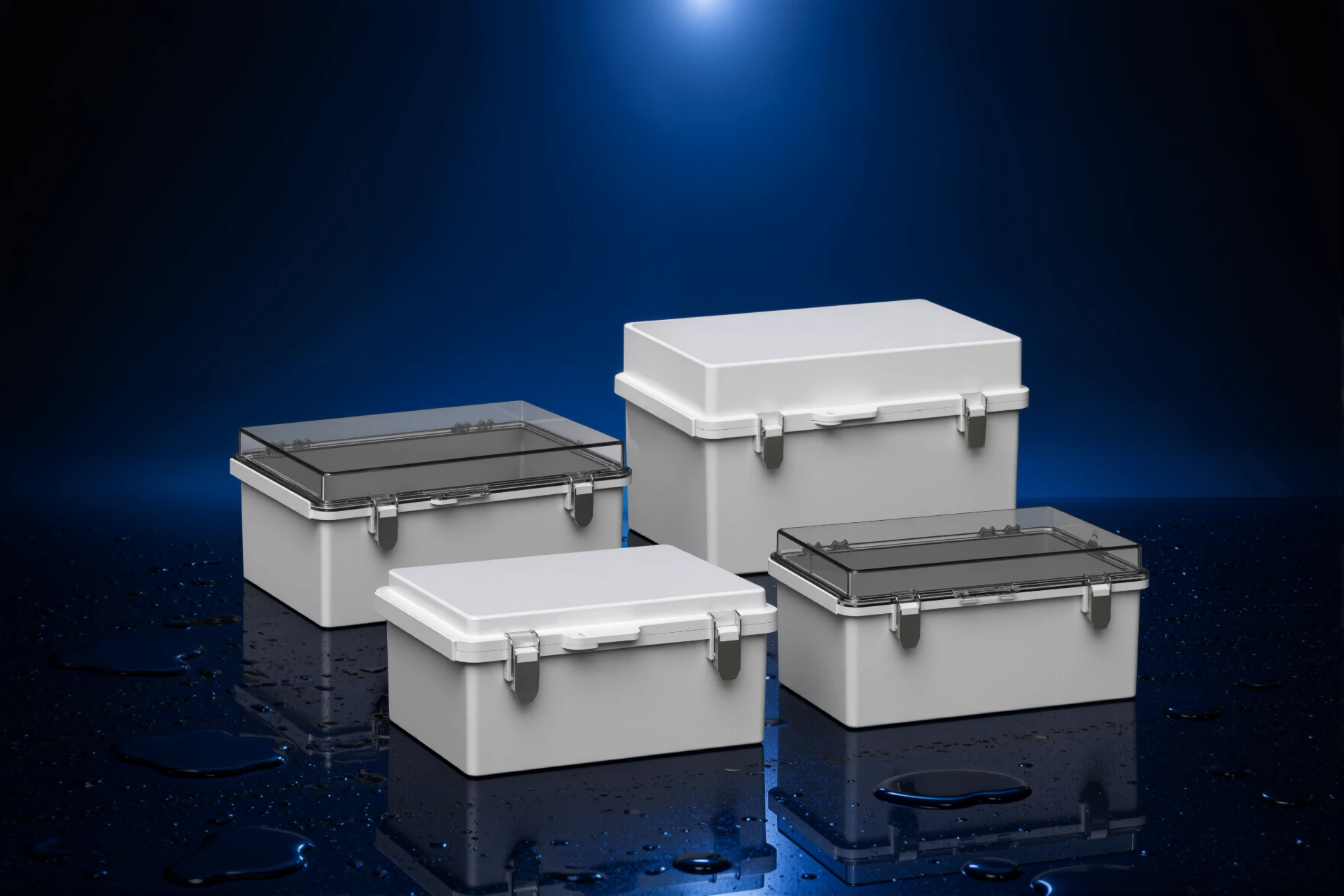
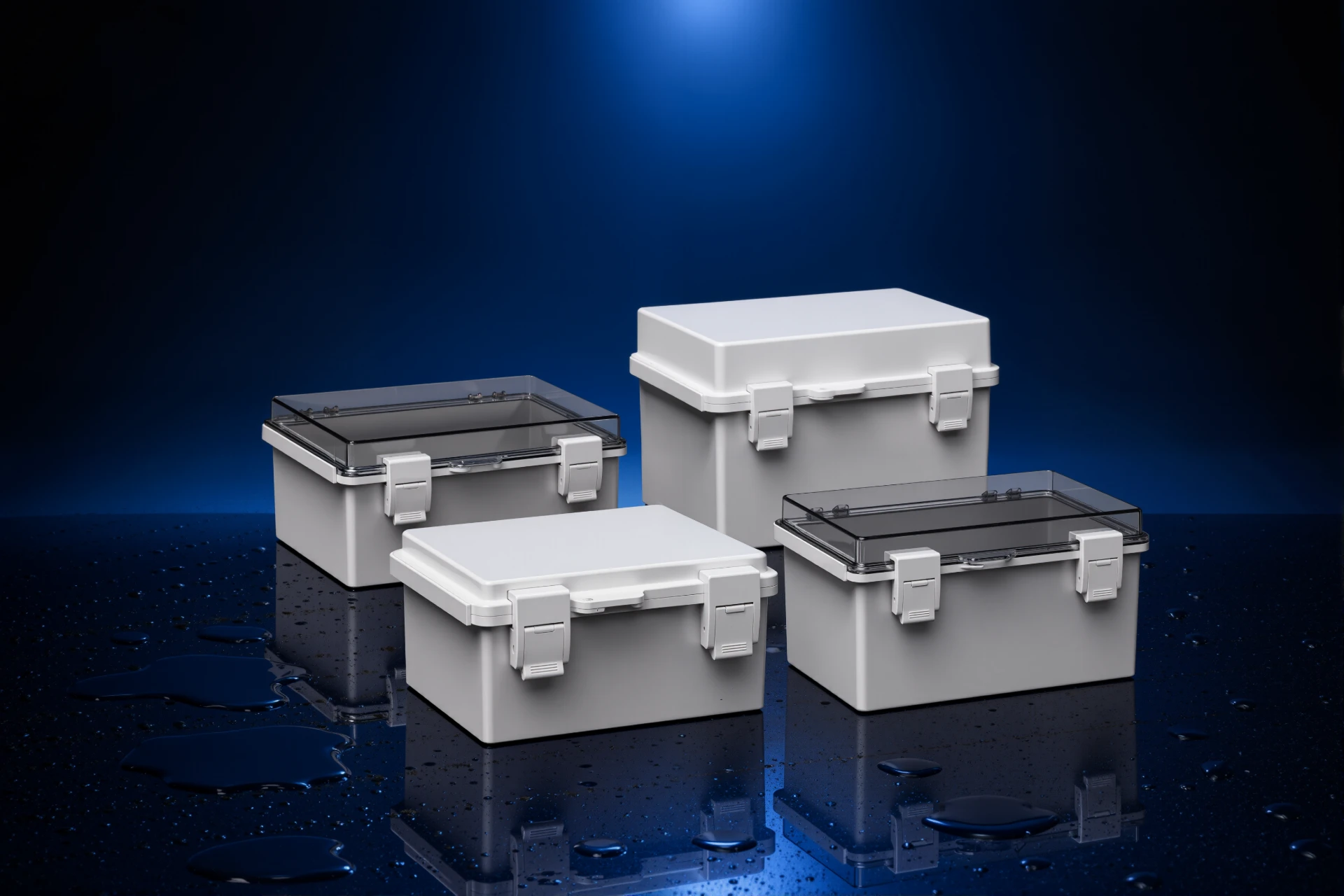
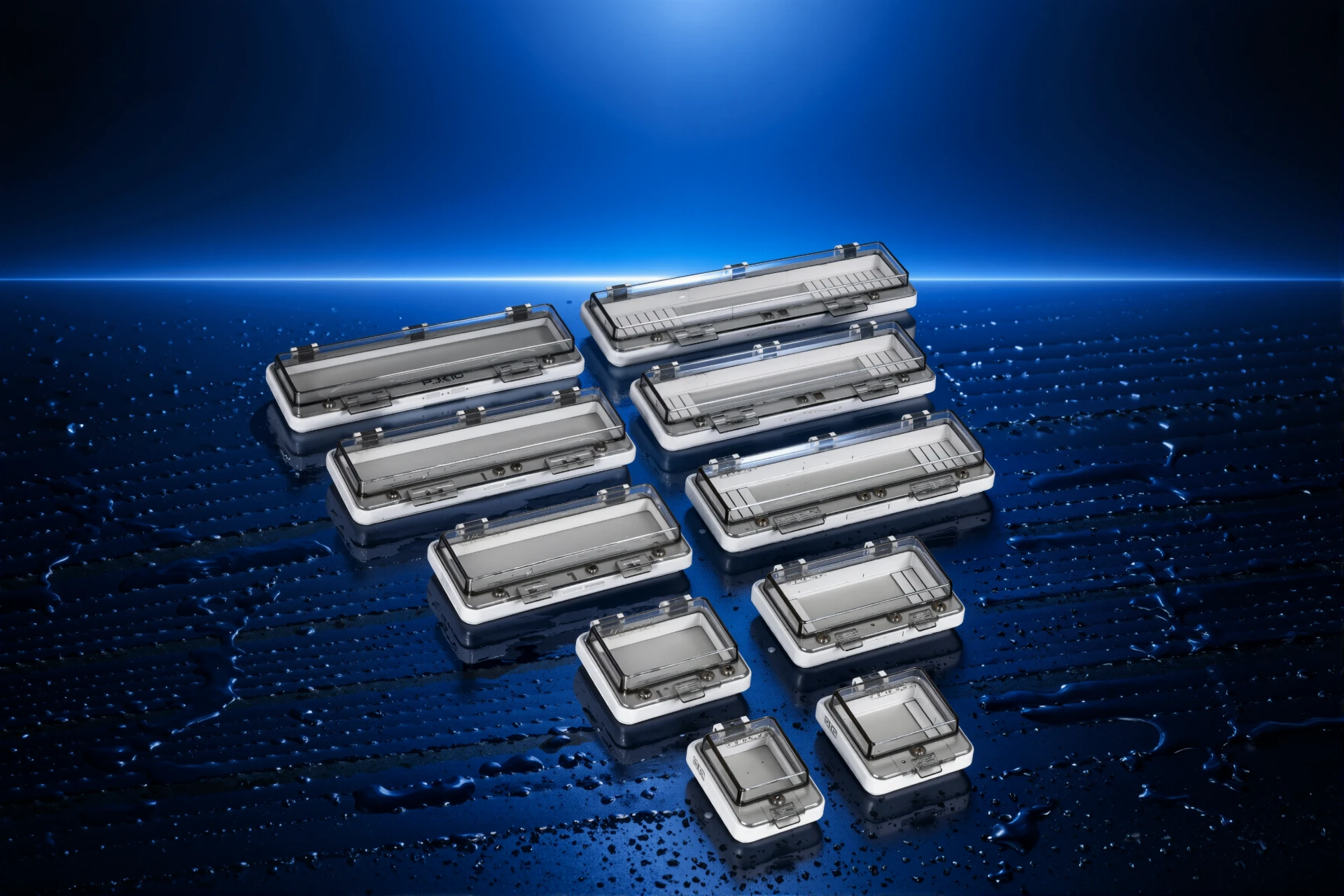
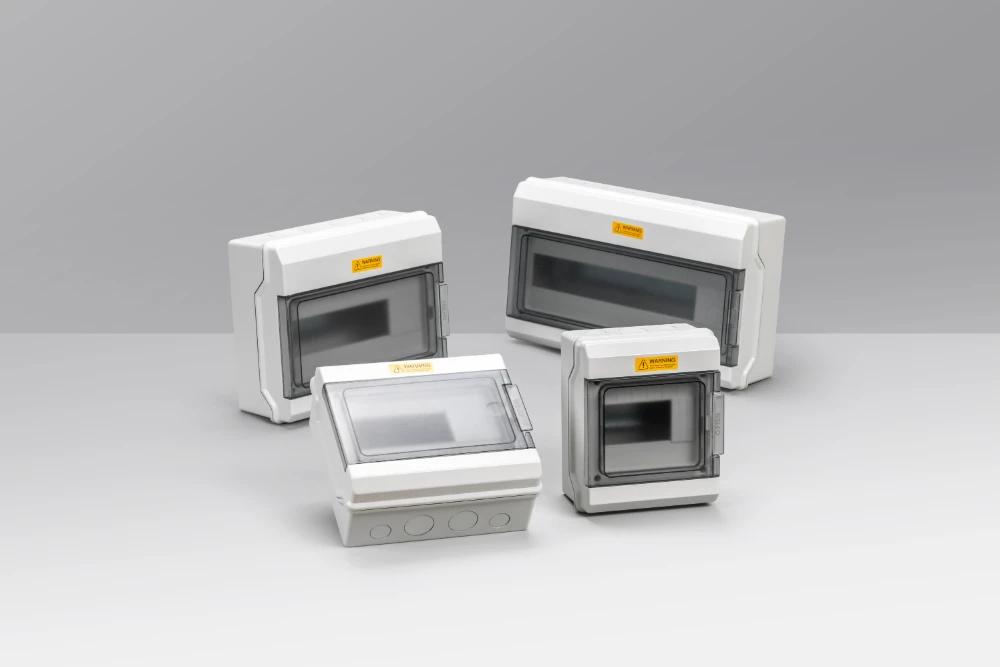
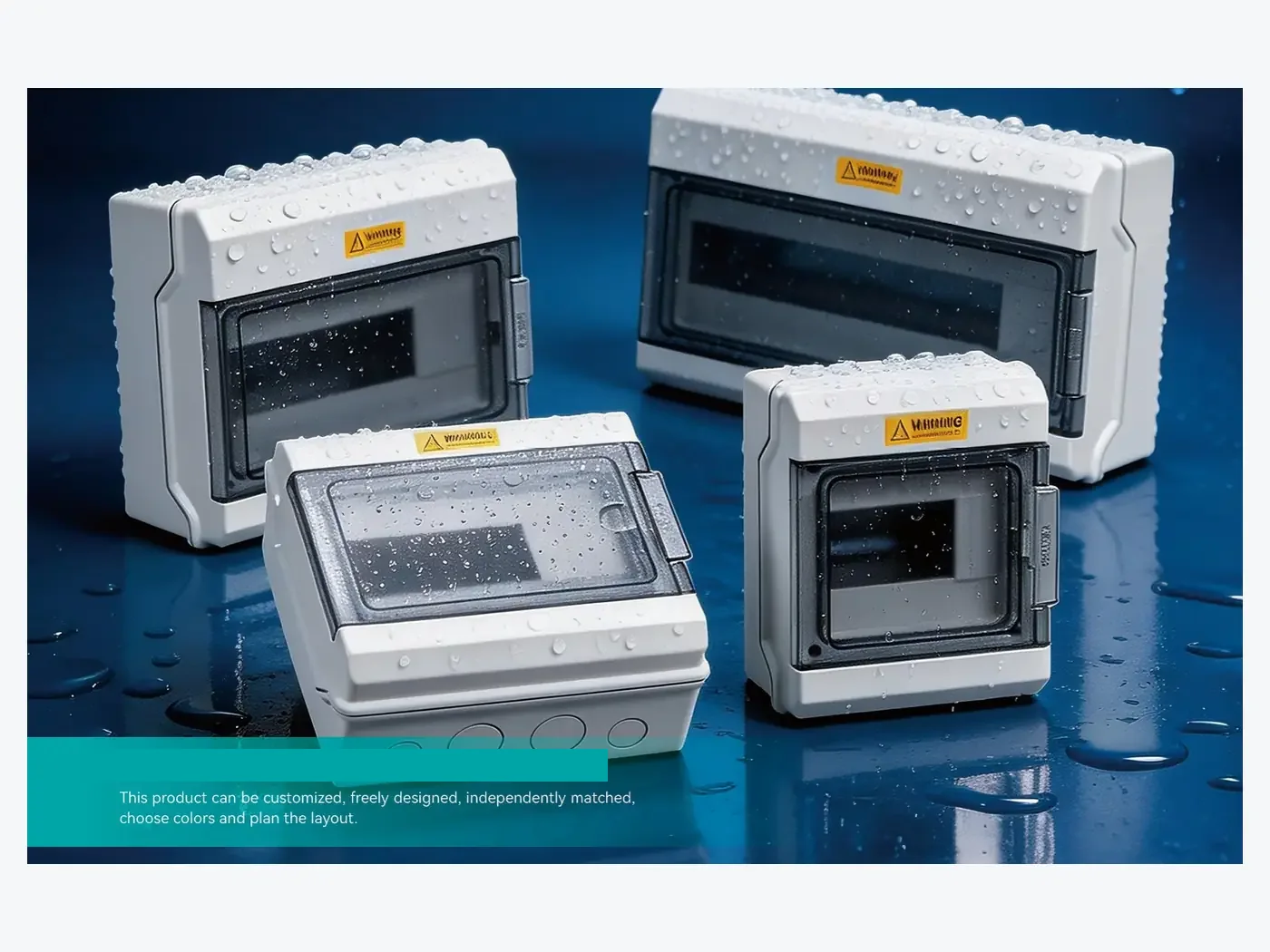
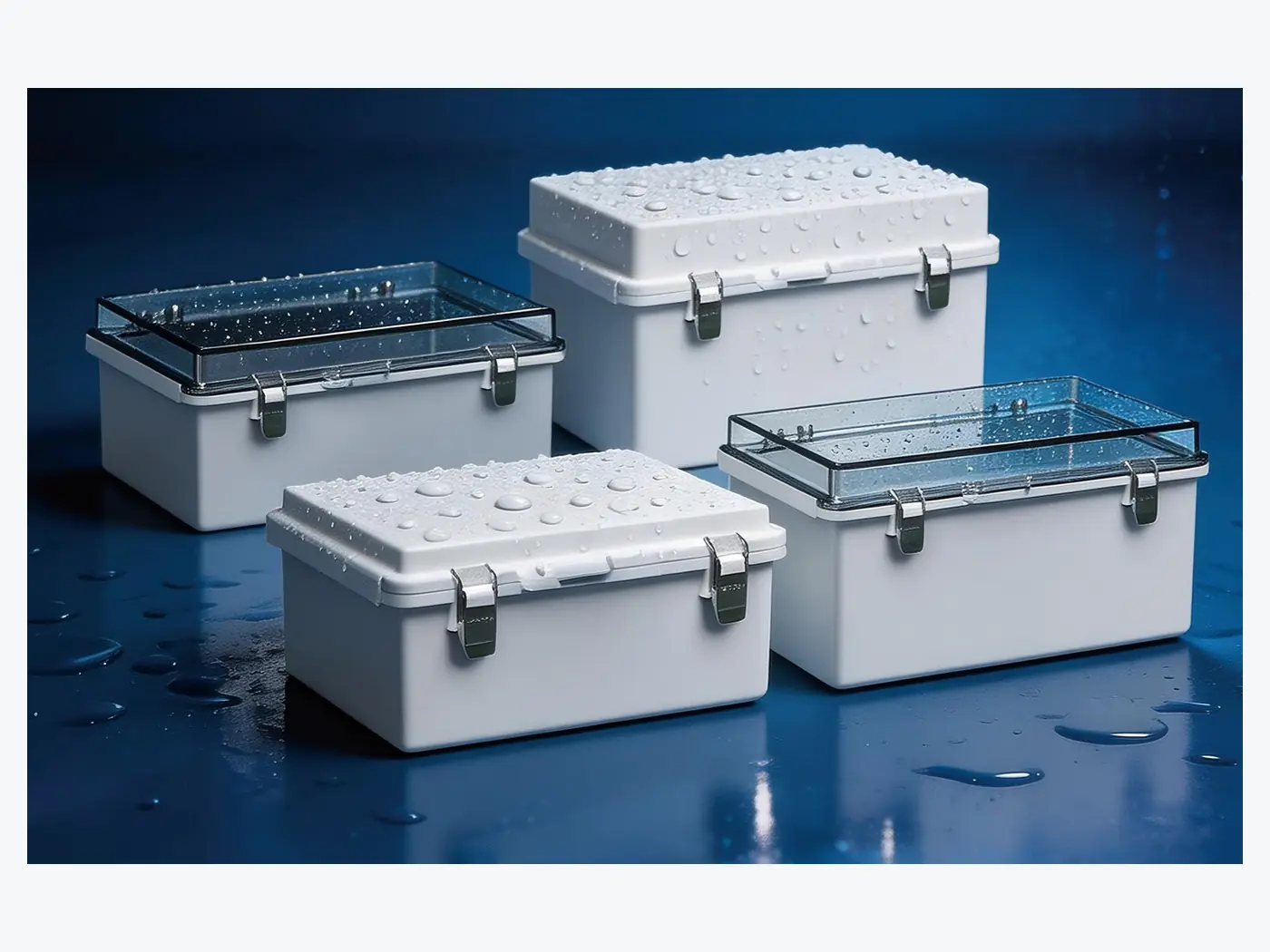
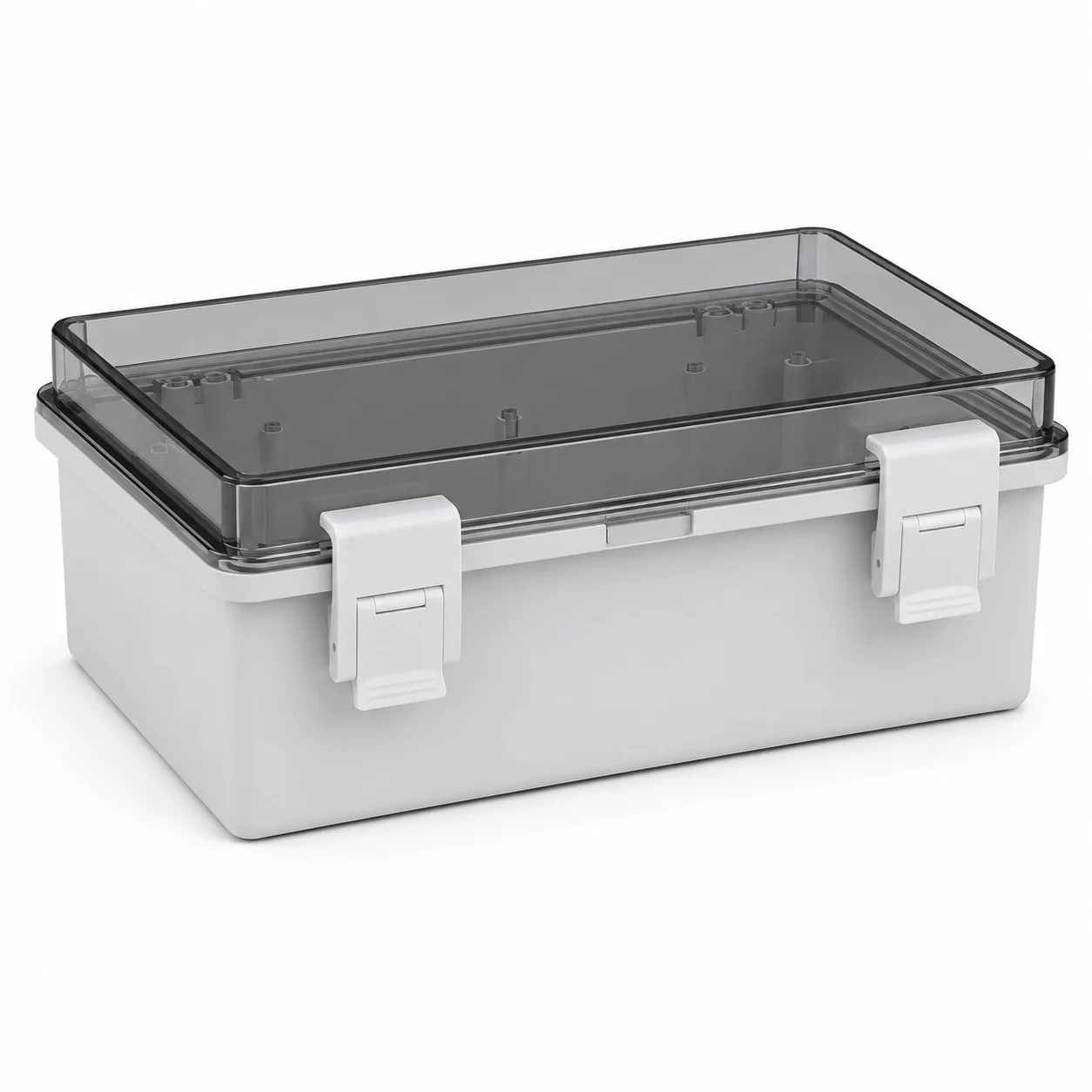
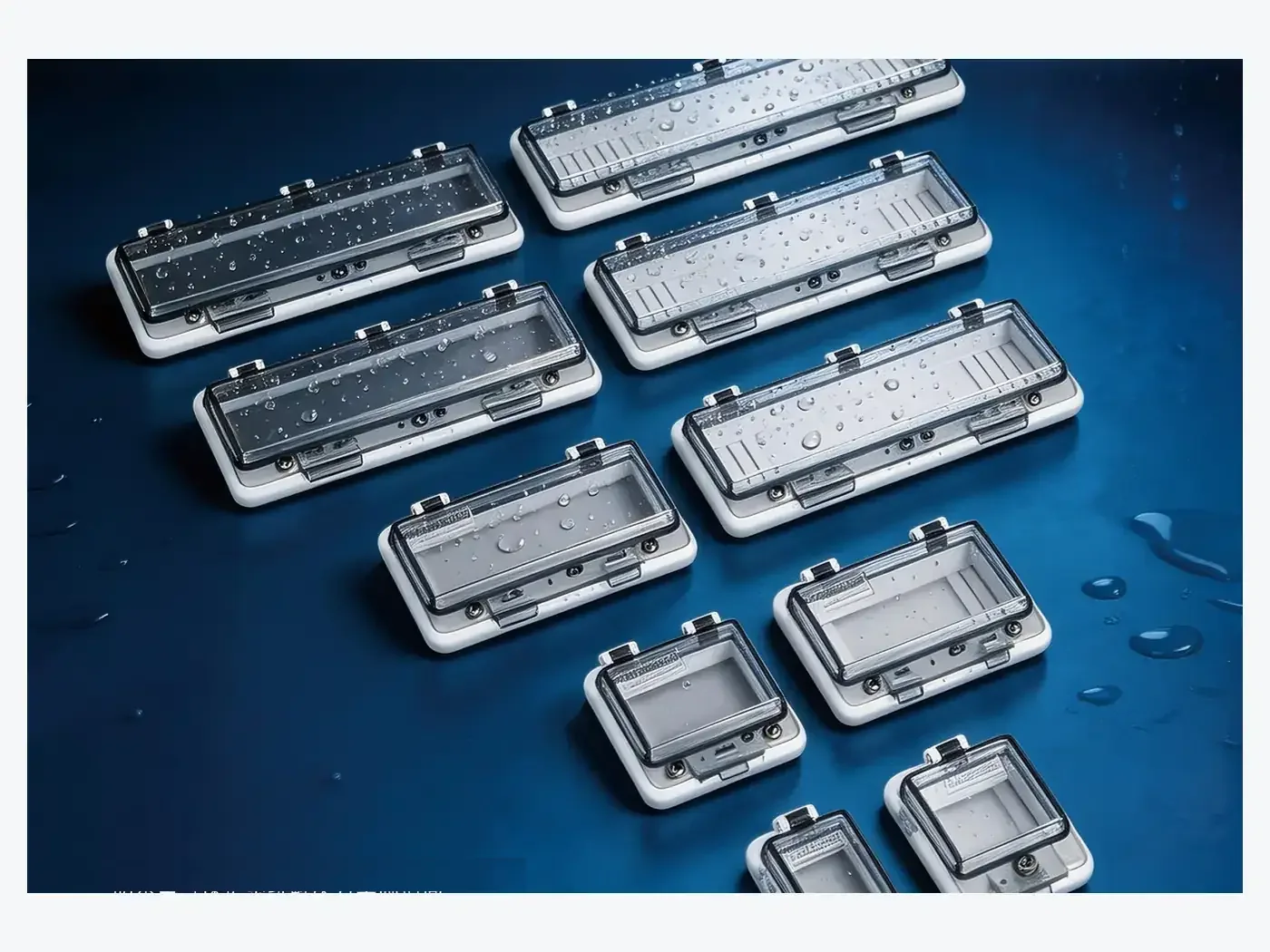
BOWO's IP67 Plastic Latch Waterproof Junction Box uses an ABS enclosure with IP67 and IK08 specifications. The range includes eleven standard sizes, gray and transparent cover options and custom opening positions.
For CCTV installations, the practical advantage is the easier repeated access. The cover can be reopened without removing multiple screws each time.
When a Transparent Cover Is Actually Useful
A transparent cover is useful when there is something inside the enclosure that technicians need to check visually without opening it.
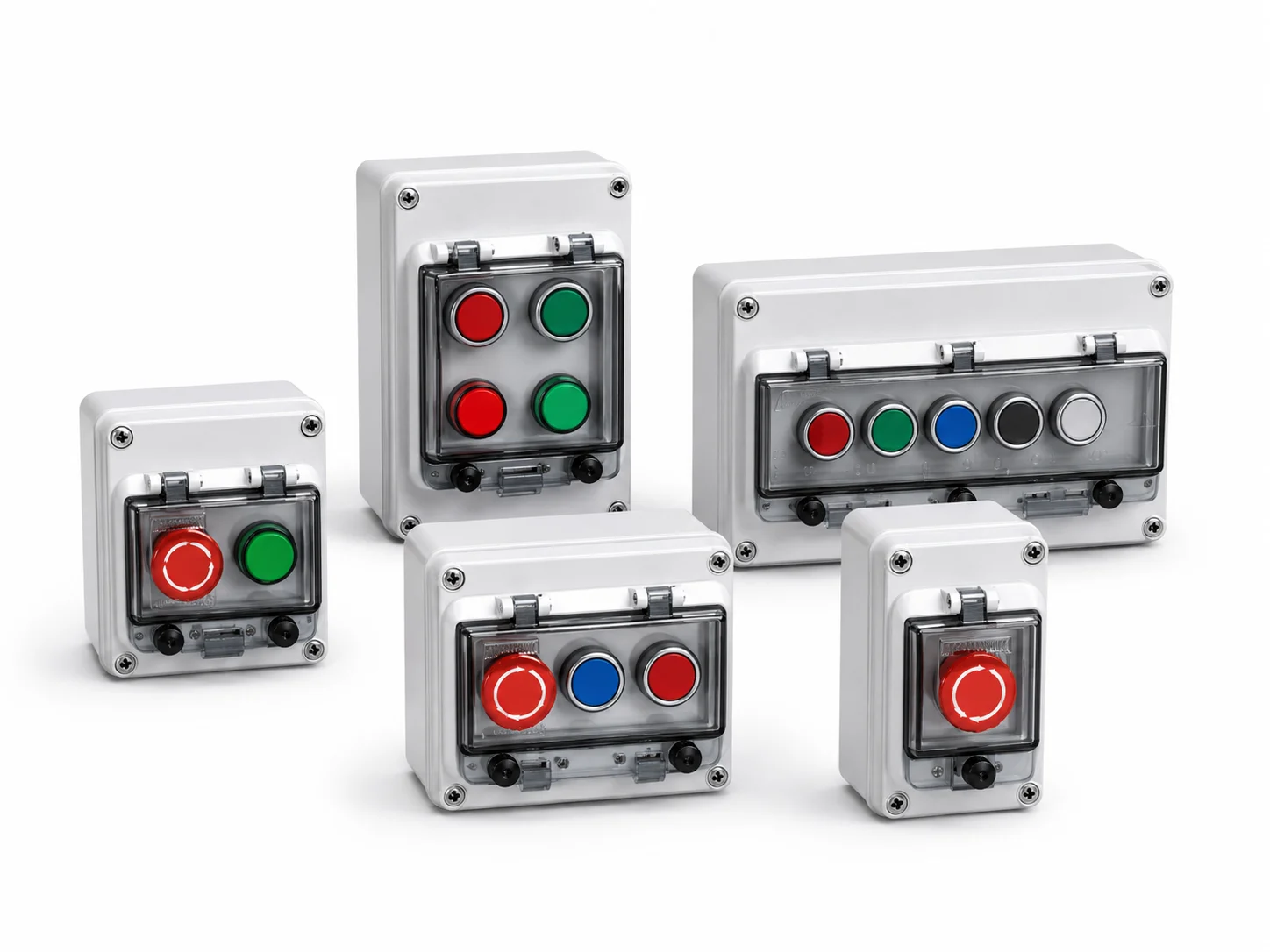
If the box contains indicators, protective devices or visible status components, a transparent cover can reduce unnecessary access. If it only contains cable joints or terminals that still require physical inspection, a gray cover may be equally suitable.
The cover choice should follow the maintenance procedure rather than appearance.
Mounting Position Changes the Cable-Entry Layout
A junction box mounted on a wall, camera pole or equipment frame does not have the same cable-entry requirements.
A pole-mounted camera may require entry from below or from the rear, while a wall-mounted camera may have conduit approaching from the side. The opening layout should follow the actual cable route rather than forcing every installation into the same configuration.
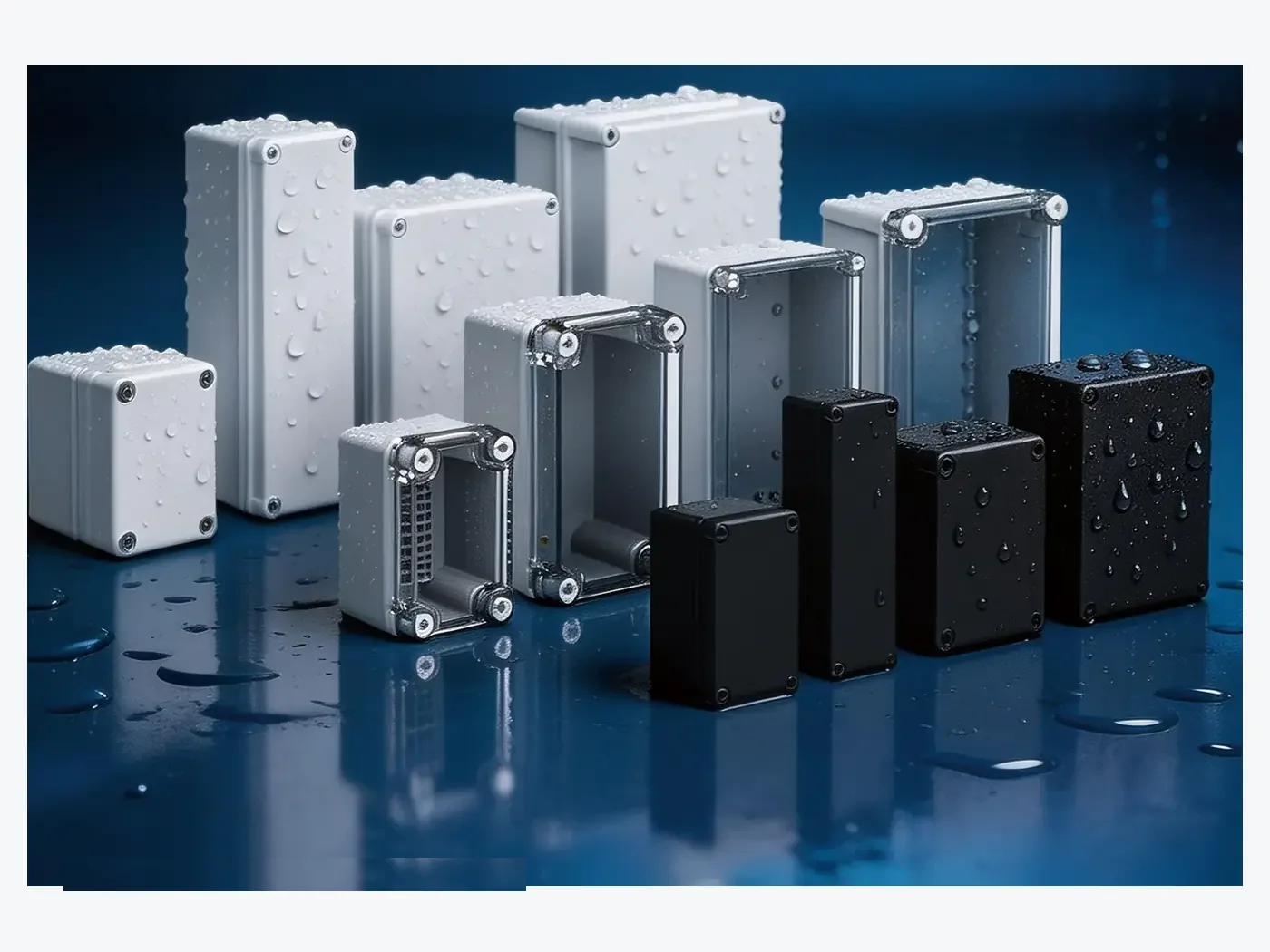
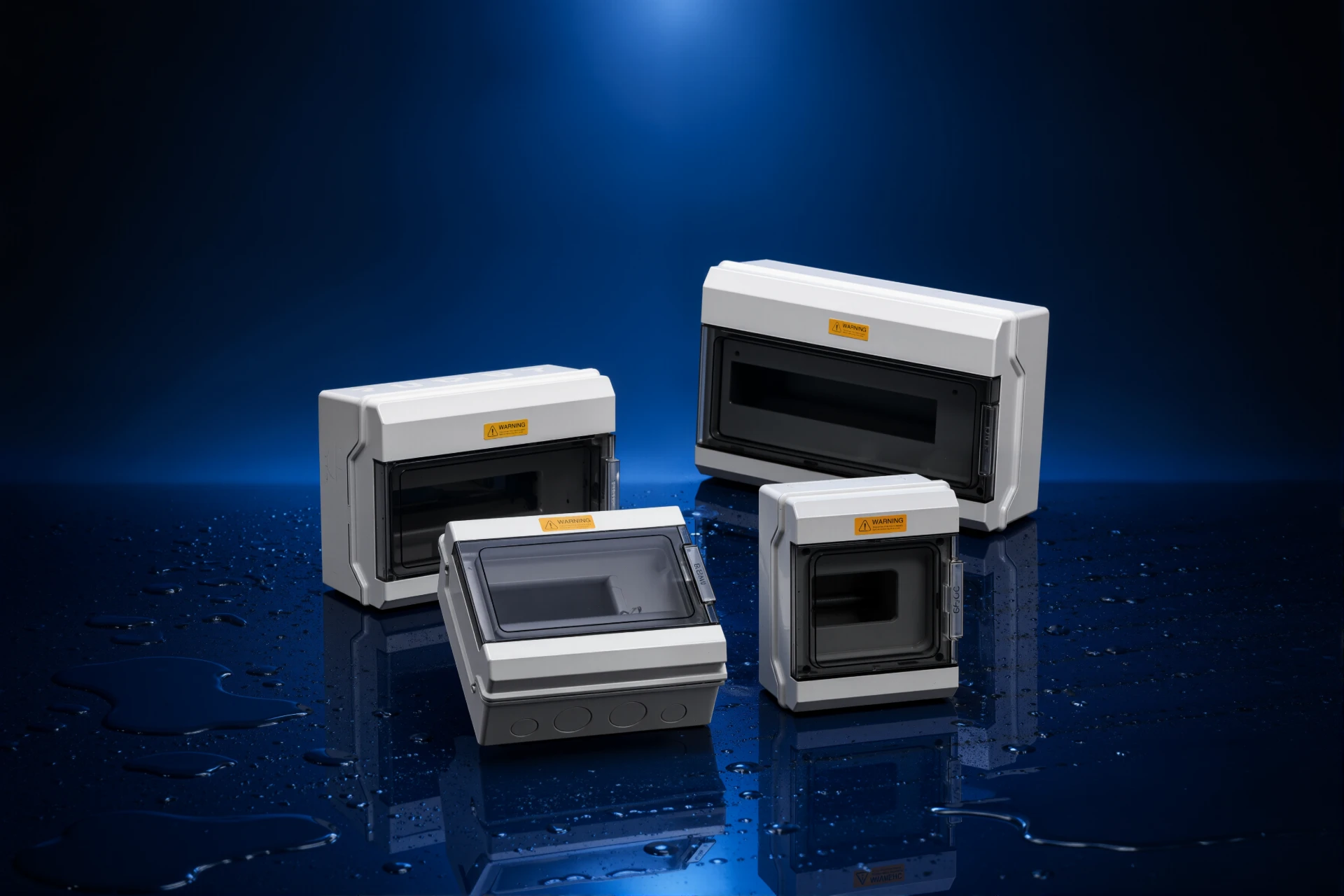
For a general outdoor cable connection where frequent cover access is not the main requirement, an AG Series waterproof electrical box can provide a flexible enclosure platform. The model should be selected according to usable internal space, cable-entry position and mounting constraints.
A Larger Box Does Not Automatically Solve a CCTV Wiring Problem
When a CCTV enclosure feels crowded, choosing the next larger box can provide more space, but it does not correct a poor cable-entry layout.
We check enclosure size together with connector dimensions, gland clearance, cable bend space, mounting points and future access. A smaller enclosure with well-planned cable entry can be easier to install than a larger box with poorly positioned openings.
When We Would Change the Enclosure Structure
We would normally reconsider the original CCTV junction box when:
- additional cameras or field devices increase the cable count;
- new network or power cables require more entry points;
- the existing terminal area becomes crowded;
- technicians need more frequent access;
- the camera moves from a wall installation to a pole or different bracket;
- the project now requires organized terminal branching;
- visual inspection through the cover becomes useful.
At that point, keeping the old enclosure simply because it was used on the previous installation can create more field work than selecting a structure that better matches the revised system.
Which BOWO Enclosure Would We Start With?
For a simple outdoor camera connection that is installed once and rarely reopened, we would first review a screw-fixed waterproof junction box and confirm the cable-entry layout.
For installations requiring repeated access, an IP67 plastic latch enclosure becomes more relevant. If the box becomes a structured field-wiring point with several conductors or branches, a terminal block junction box is usually the better direction.
The enclosure type should follow the wiring and maintenance requirement. The camera itself is only one part of the installation.
Information for an Accurate CCTV Enclosure Quotation
For an outdoor CCTV project, send the installation information together with the enclosure request:
- camera or device quantity;
- number of incoming and outgoing cables;
- cable diameter or gland size;
- internal connectors or terminal arrangement;
- wall, pole or equipment-frame mounting position;
- required enclosure size or available installation space;
- gray or transparent cover preference;
- expected maintenance frequency;
- custom opening drawing, if available;
- order quantity.
With this information, we can review whether the project is better served by a screw-fixed waterproof junction box, a latch enclosure or a terminal block junction box, and prepare the cable-entry layout around the actual CCTV installation.