
Electrical Enclosure Retrofit for Machine Upgrades: What Can Be Reused and What Must Change
Machine upgrades often begin with the controls rather than the enclosure. An older PLC is replaced, more I/O is added, the breaker arrangement changes, additional field devices are connected, or the operator station gains new functions. The existing enclosure may still be mechanically sound, so replacing it immediately can seem unnecessary.
In our experience, the important question is not whether the old enclosure still looks usable. It is whether the upgraded electrical layout can still be installed, wired and maintained inside the same enclosure platform without creating new problems around cable entry, internal clearance, access or protection.
For an OEM or system integrator, retaining an existing enclosure platform can reduce mechanical redesign and simplify repeat production. But once the internal system changes significantly, modifying the old enclosure can become more complicated than moving to a better-matched standard enclosure.
Start With the Upgraded Layout, Not the Existing Box
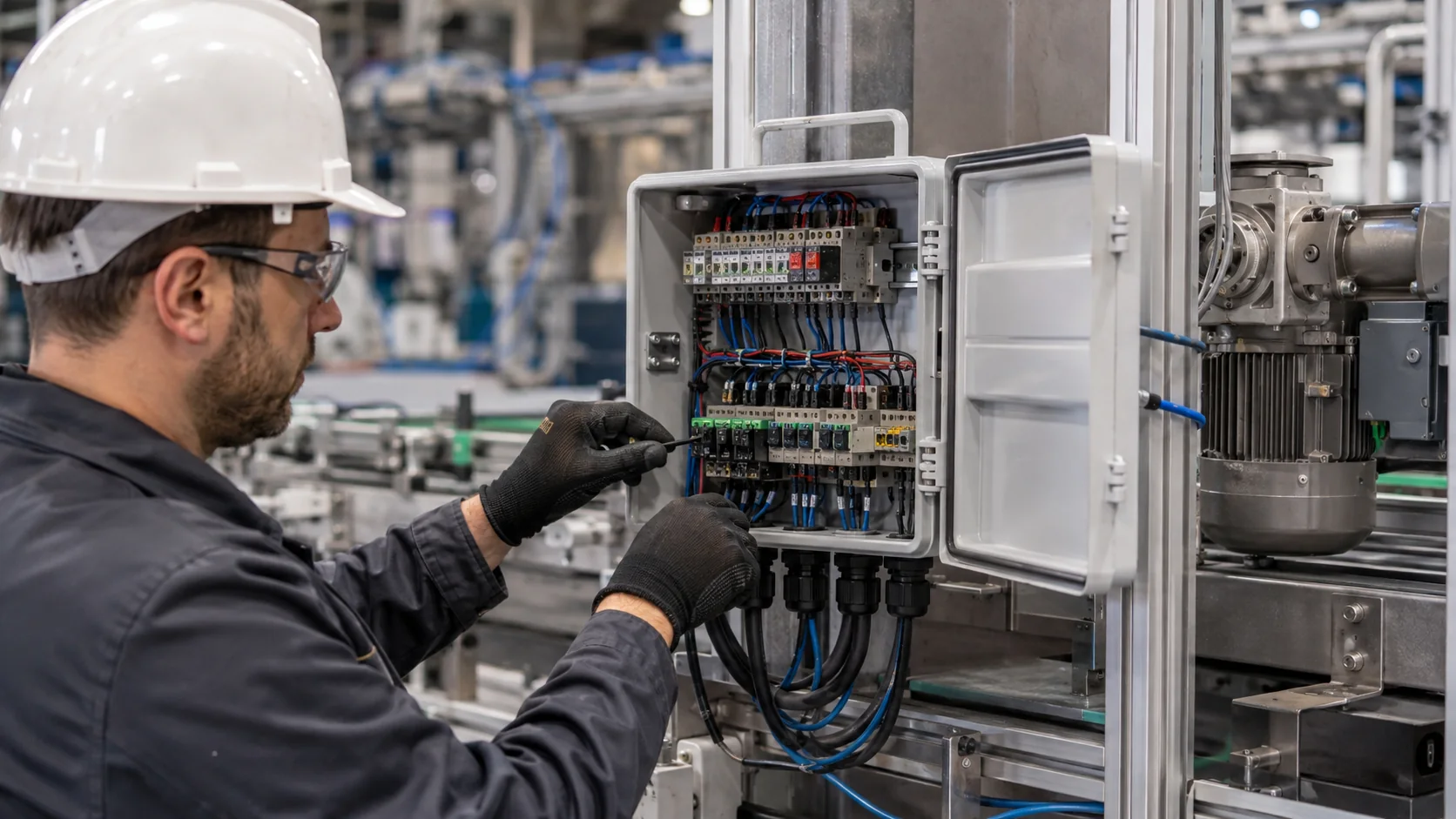
We would not decide an enclosure retrofit from external dimensions alone. The first comparison should be between the existing internal arrangement and the upgraded component layout.
A machine that originally contained a breaker, several relays and a short terminal strip may later require a PLC, additional I/O, a power supply, Ethernet equipment, more terminals and a different field-wiring arrangement. Even when individual replacement components are smaller than the originals, the total wiring system can require more usable space.
Before retaining the enclosure, we would therefore check:
- DIN rail length and component spacing;
- terminal block quantity and branch arrangement;
- wiring duct and conductor routing;
- cable gland and locknut clearance;
- minimum working space around removable components;
- cover, screw or latch interference;
- maintenance access after all conductors are installed.
The important distinction is simple: an enclosure can have enough volume and still have the wrong usable space.
When the Existing Enclosure Platform Is Worth Keeping
Reusing an enclosure platform makes the most sense when the machine structure around it has not changed significantly and the upgraded electrical system remains close to the original layout.
This is particularly relevant for OEM equipment where the enclosure mounting position has already been designed into a machine frame, guard, conveyor section or skid. Changing the enclosure dimensions may then affect mounting holes, nearby mechanical parts, cable routes and the overall machine footprint.
We would normally consider the existing platform reusable when the enclosure body and closure remain suitable, the new internal components can be arranged with adequate wiring space, and the required cable entries can still be accommodated without excessive modification.
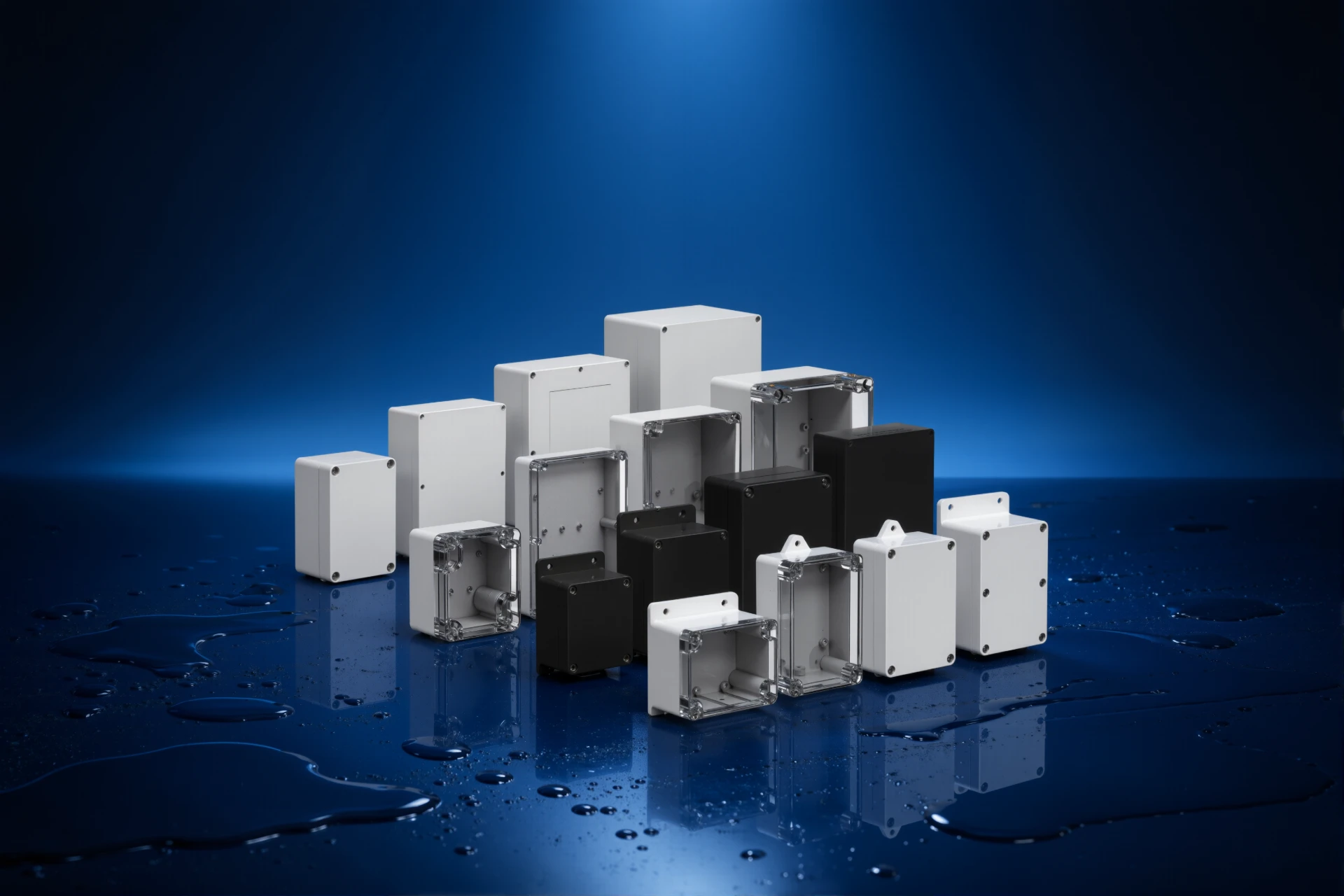
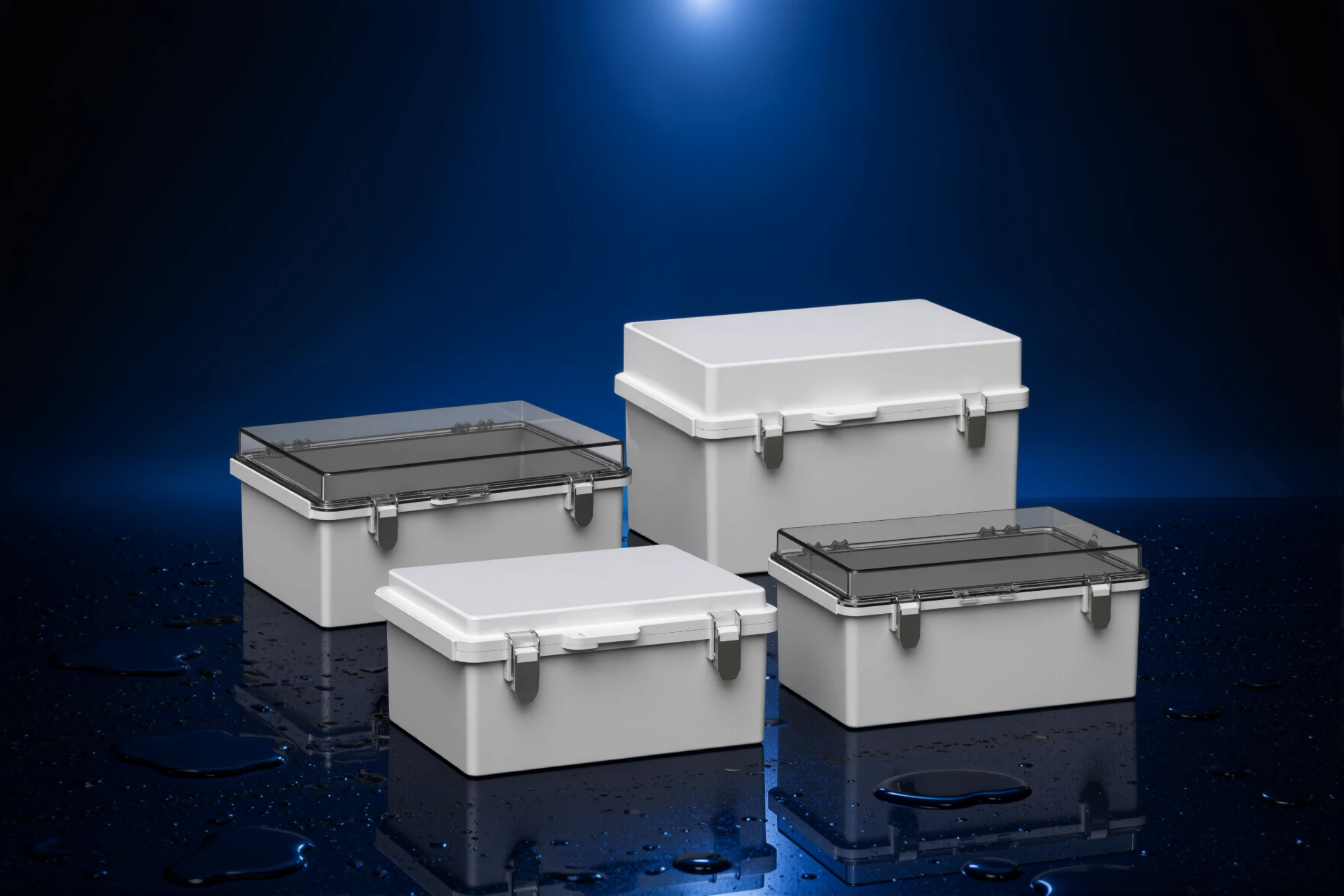
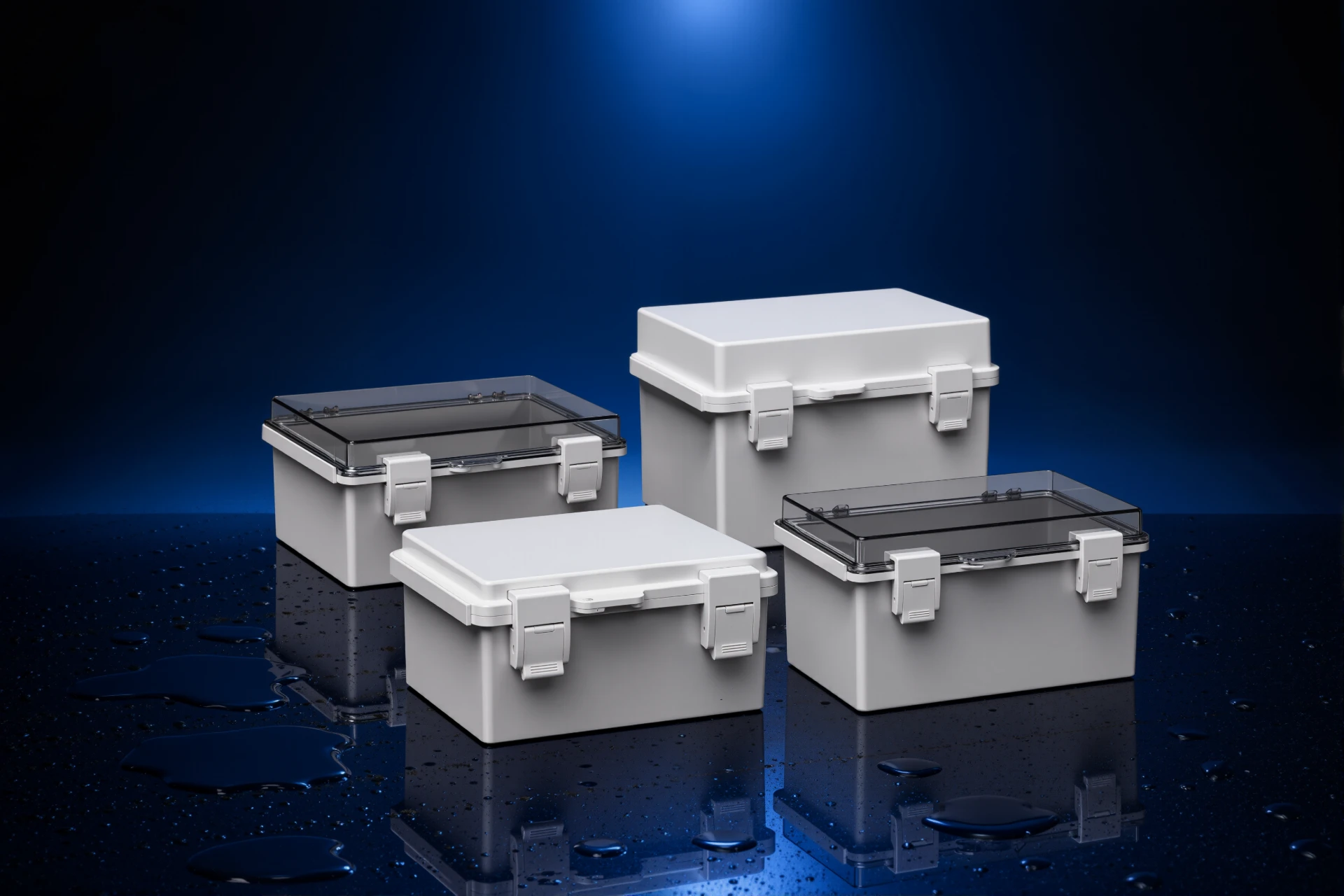
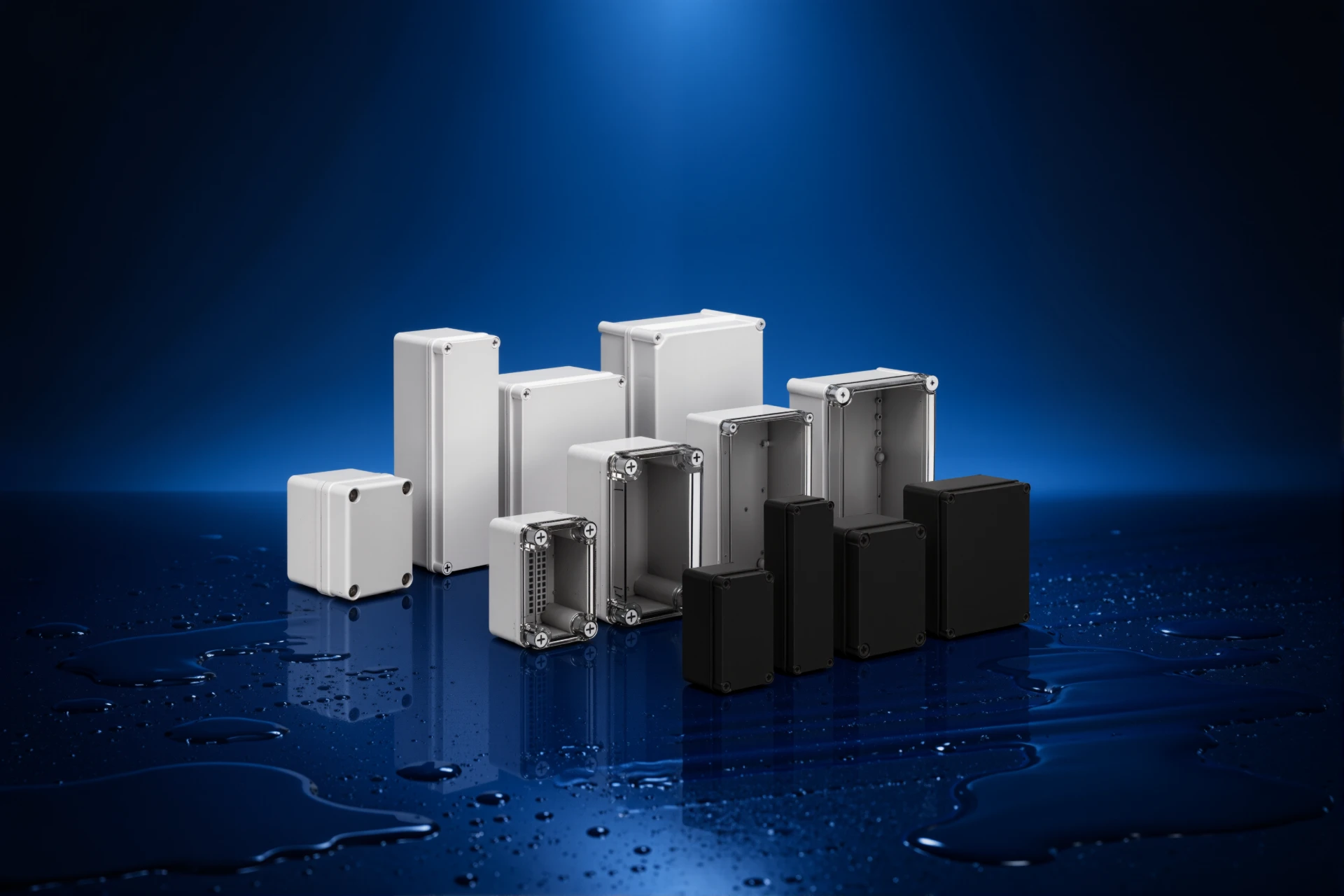
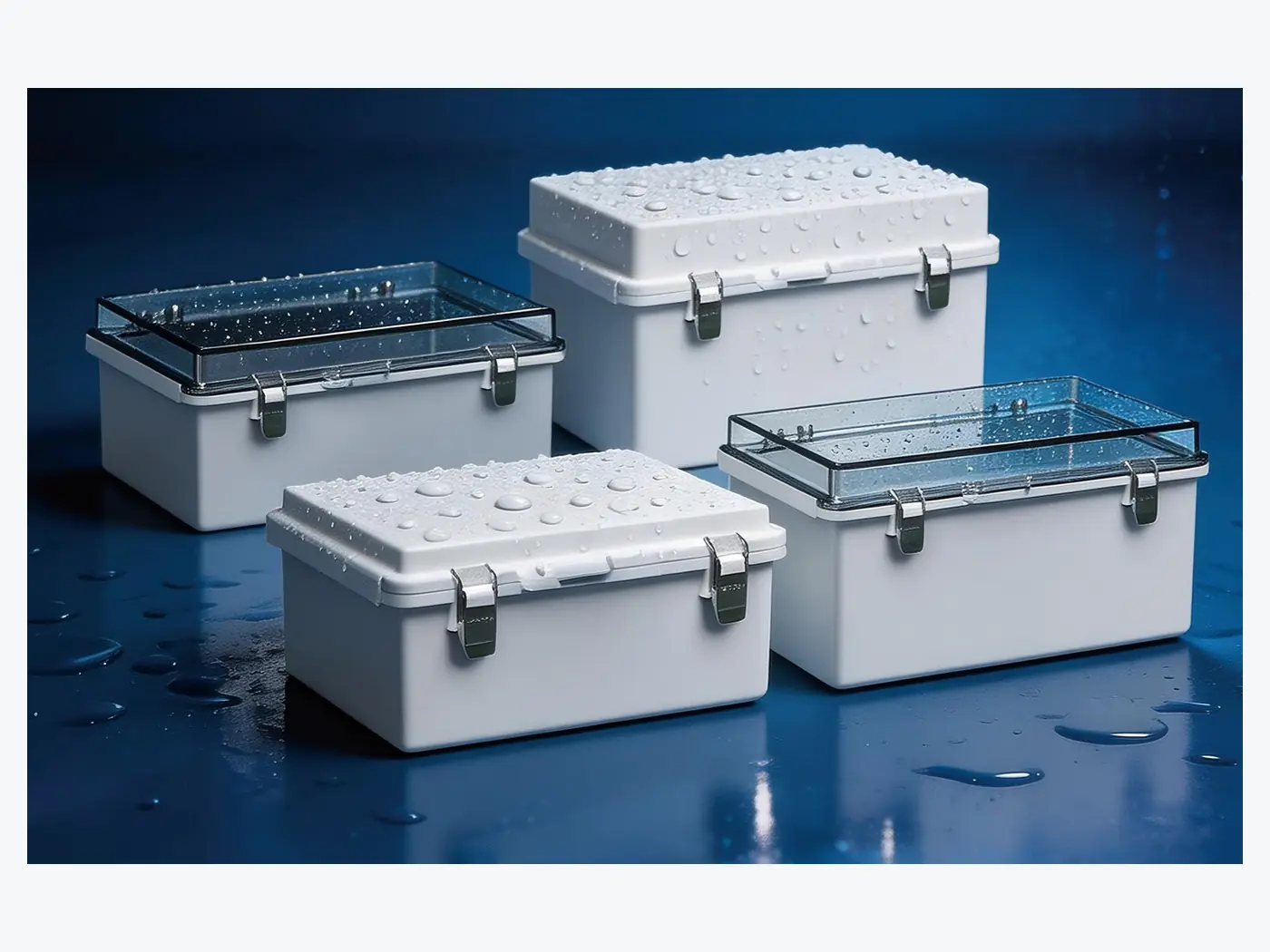
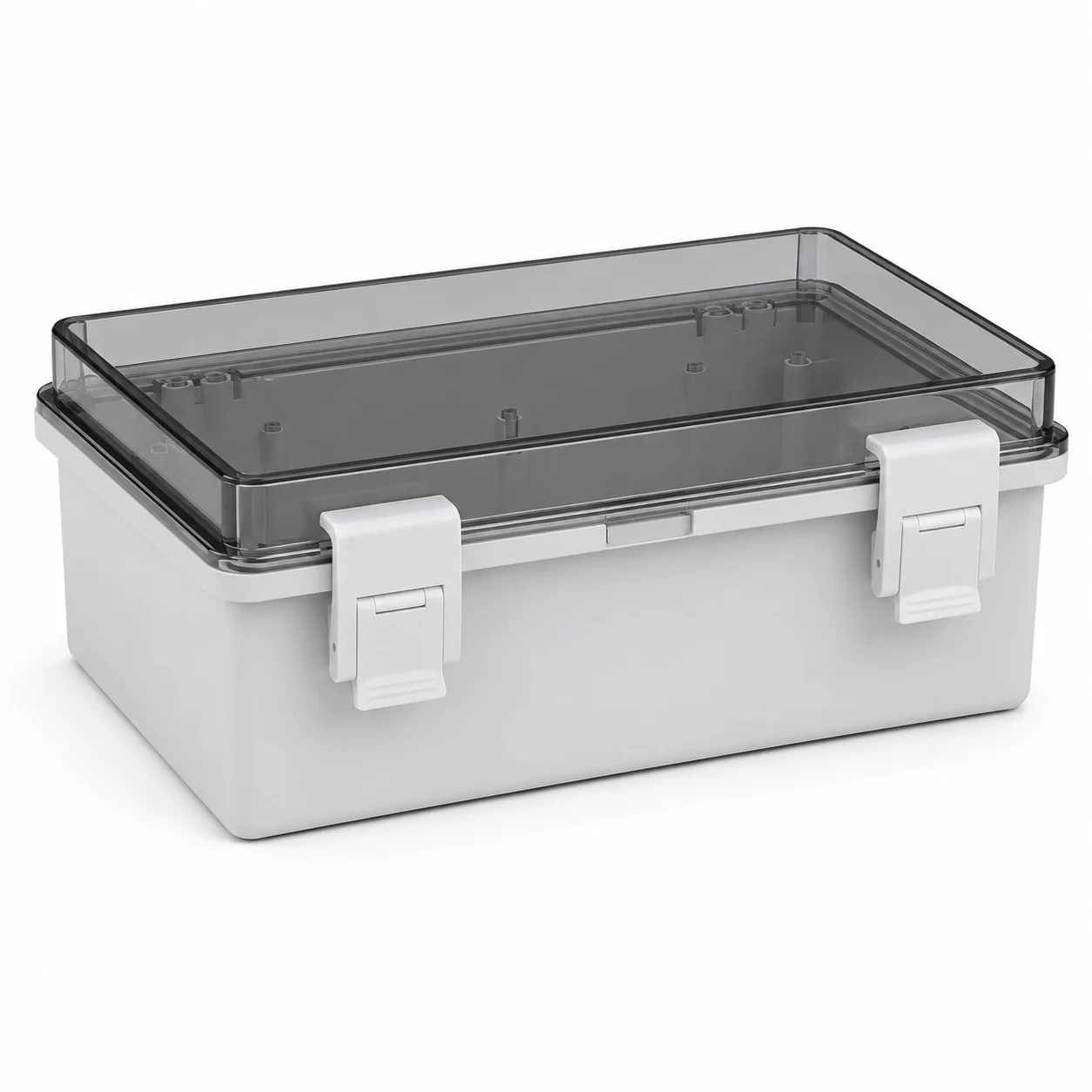
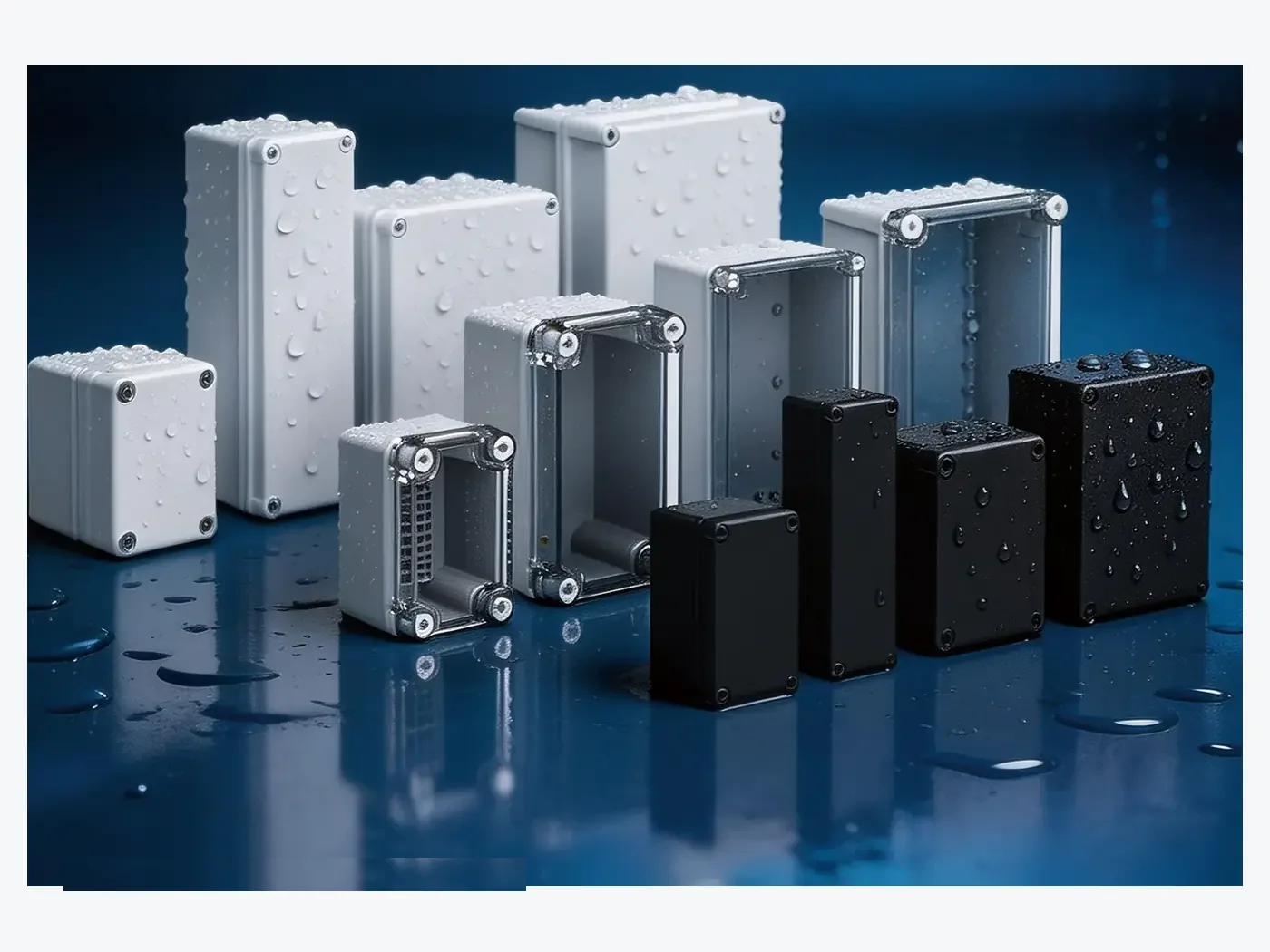
For general equipment wiring where the enclosure does not require frequent operator access, a standard F Series waterproof junction box can provide a repeatable platform around which the internal wiring layout and custom openings are defined. BOWO's current F Series uses ABS enclosures with IP66 and IK08 specifications, gray or transparent cover options, configurations with or without mounting ears, and project-specific opening options.
Cable Entry Is Often the First Retrofit Constraint
Cable entry is one of the first areas we check when a machine has gained new sensors, motors, communication cables or field devices.
An enclosure may still have enough space for the new electronics while the original cable-entry pattern no longer matches the upgraded machine.
For example, an existing enclosure may have four lower cable entries. The upgraded machine could add Ethernet, additional sensor circuits and another motor connection. Adding three more openings may look straightforward on the drawing, but the opening locations must also be checked against the internal gland locknuts, terminal blocks and conductor routing.
A hole that fits on the enclosure wall does not necessarily fit the finished electrical assembly.
For this reason, when we review a custom enclosure modification, we prefer to see the opening drawing together with the internal component arrangement. The relationship between the cable entry and the component it serves is more useful than a list of hole diameters alone.
When New Openings Are Reasonable—and When They Are Not
Retaining the original enclosure and changing the opening layout can be practical when the number of additional entries is limited and sufficient wall and internal clearance remain.
We become more cautious when an upgrade requires several new openings close to corners, cover fasteners, latches, mounting features or existing cable glands. At that point, the issue is no longer whether another opening can physically be machined. The question is whether the revised enclosure remains practical to assemble repeatedly.
This matters especially in OEM production. A prototype technician may be able to route a difficult cable inside one enclosure. Repeating the same arrangement across tens or hundreds of machines is a different requirement.
If the retrofit requires extensive reworking of several enclosure walls, a different standard size from the BOWO electrical enclosure range may provide a cleaner production solution than continuing to modify an enclosure that was selected for the previous machine generation.
DIN Rail Upgrades Should Be Checked as a Wiring System
DIN rail upgrades are another area where the external enclosure size can be misleading.
A project may move from six breaker modules to eight or twelve, or add another device beside the existing protective components. It is tempting to compare only the additional module width. In practice, we also need to consider incoming conductors, outgoing cables, neutral and grounding arrangements, wire bends and the space required to access terminals during installation.
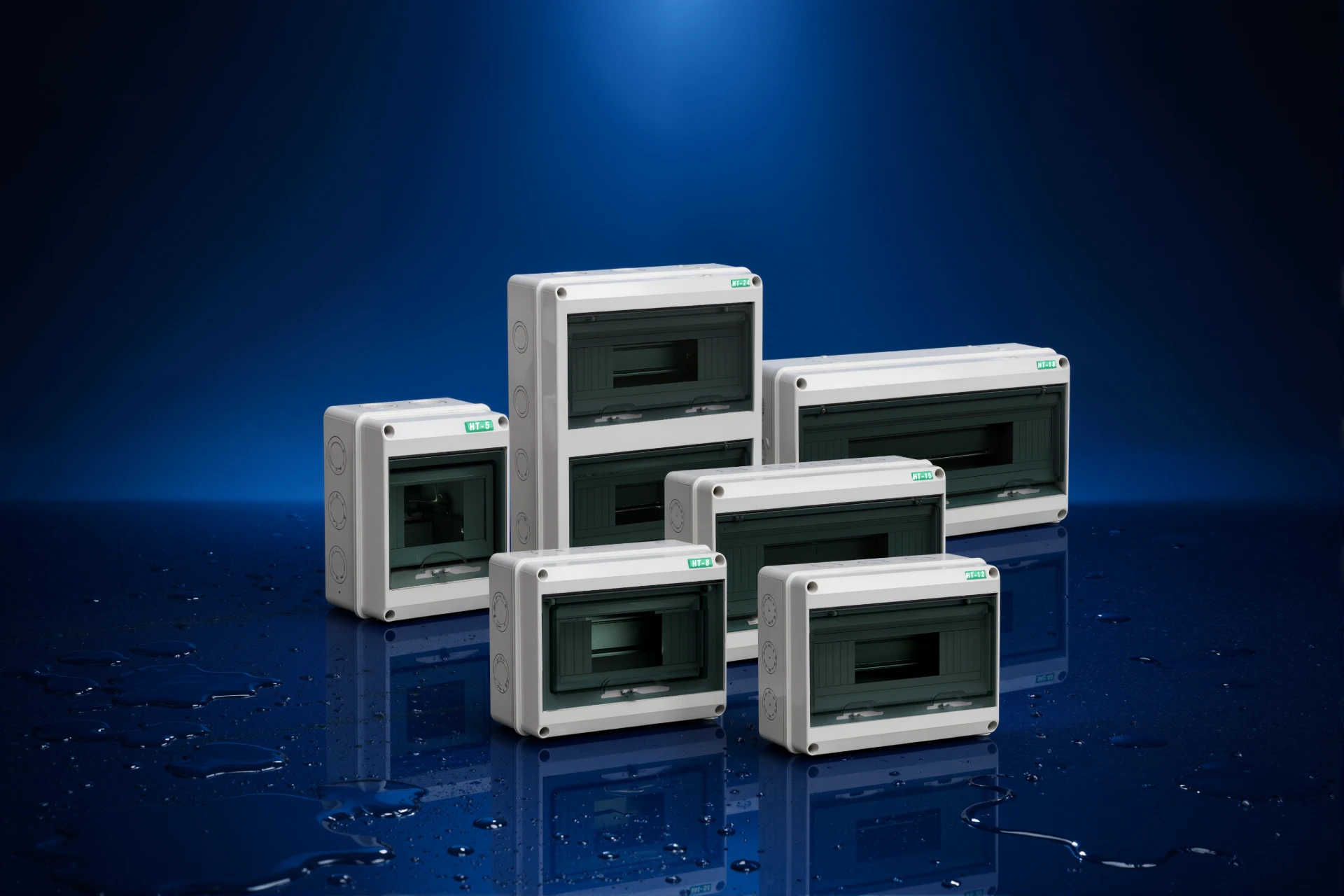
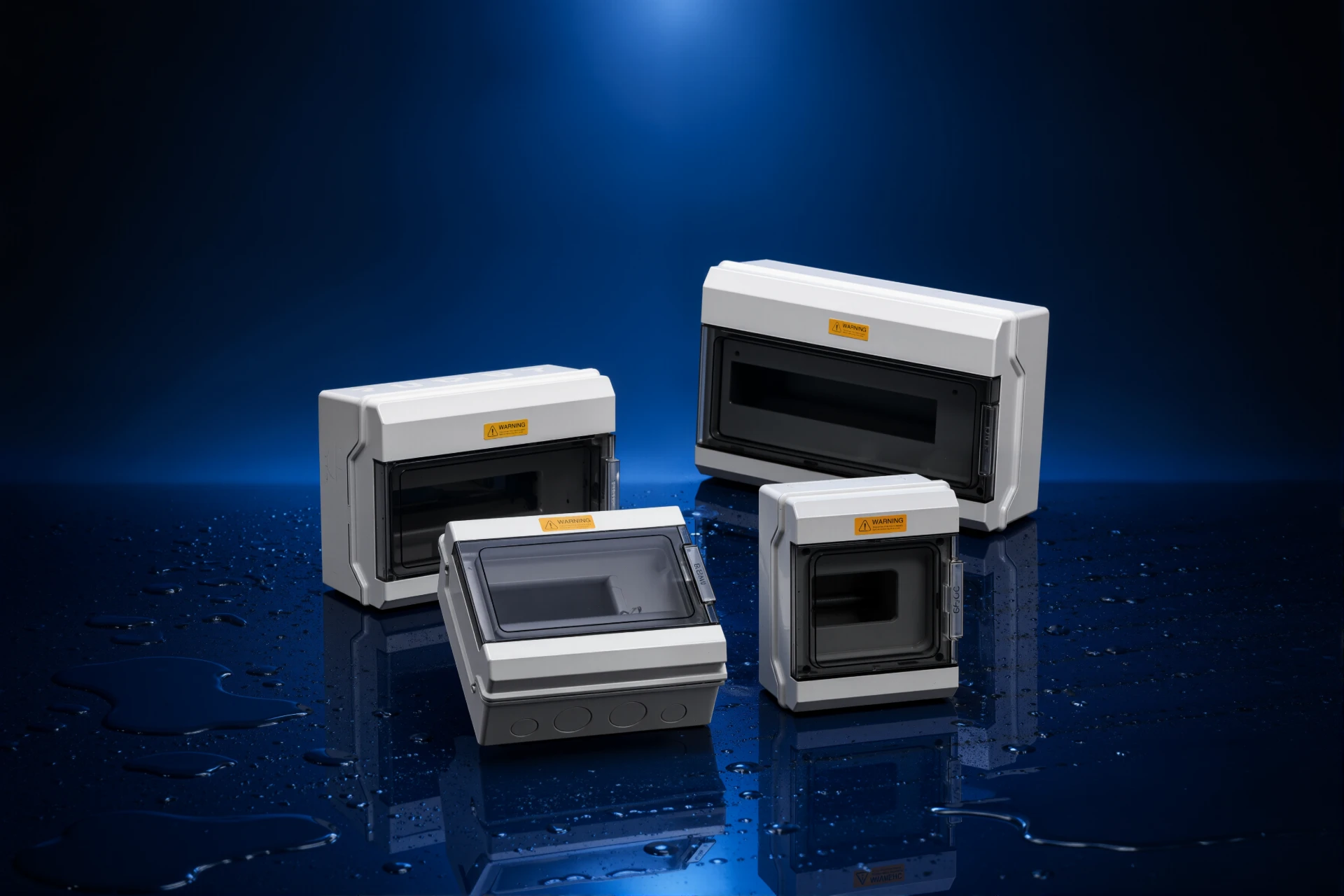
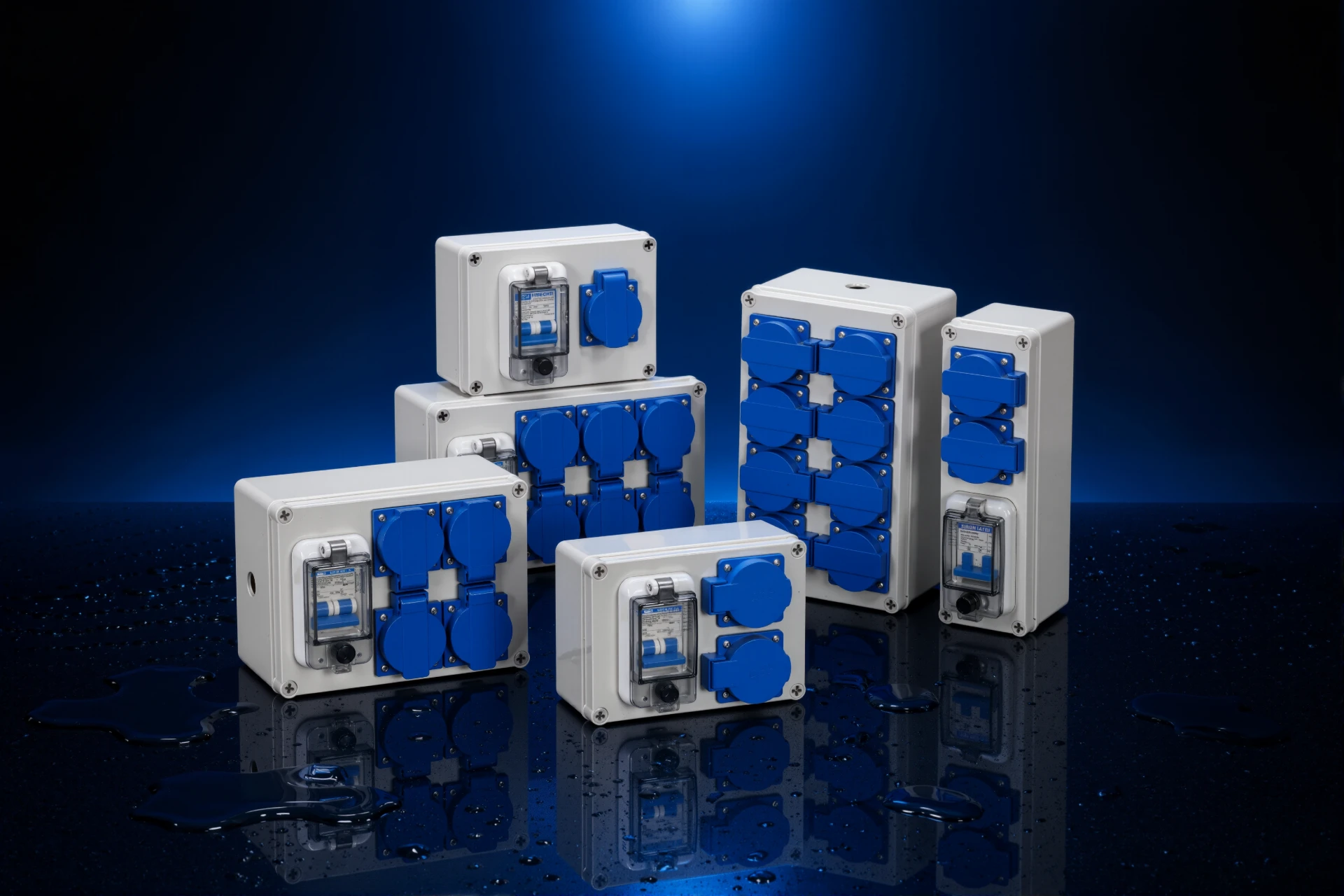
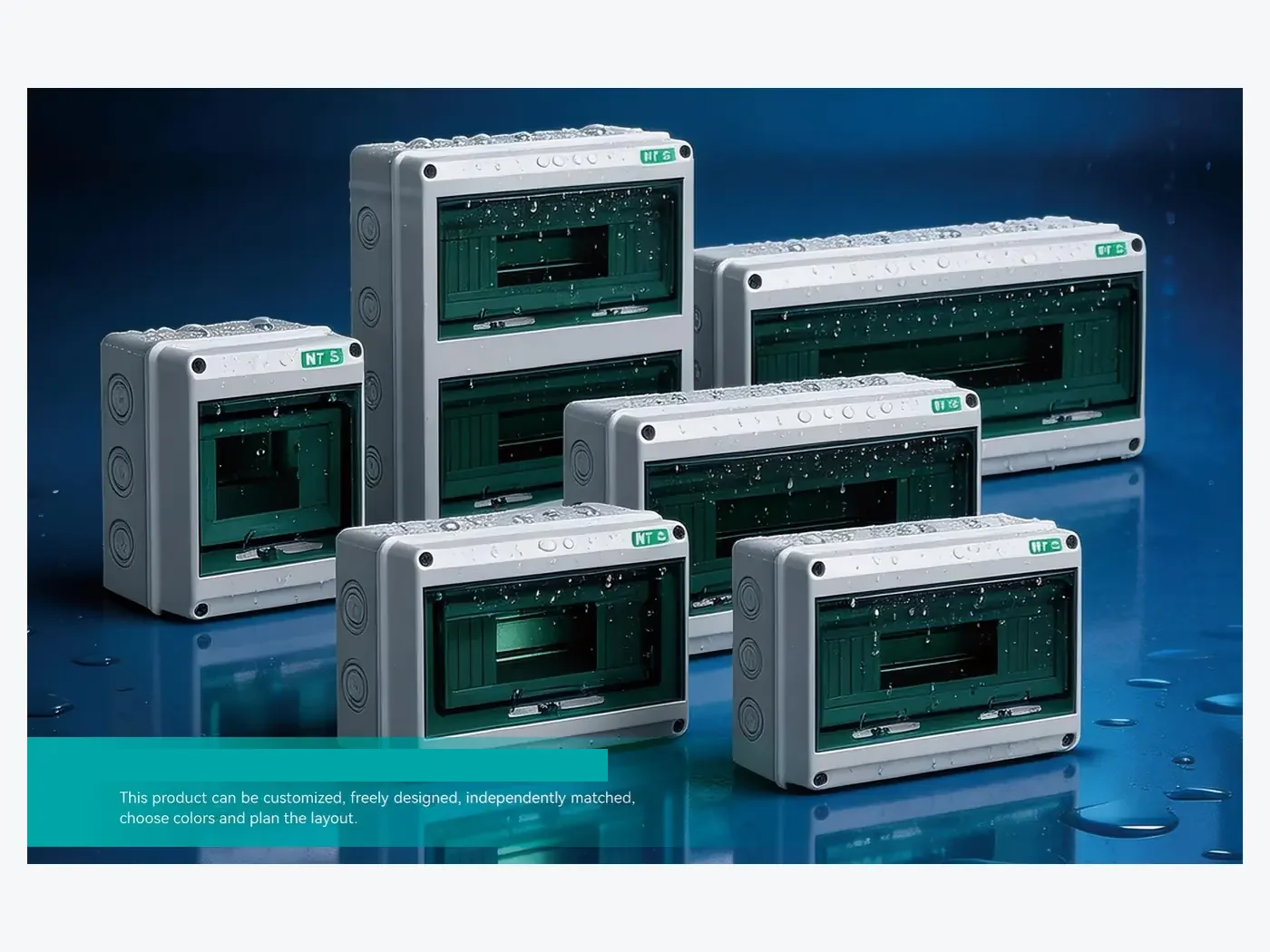
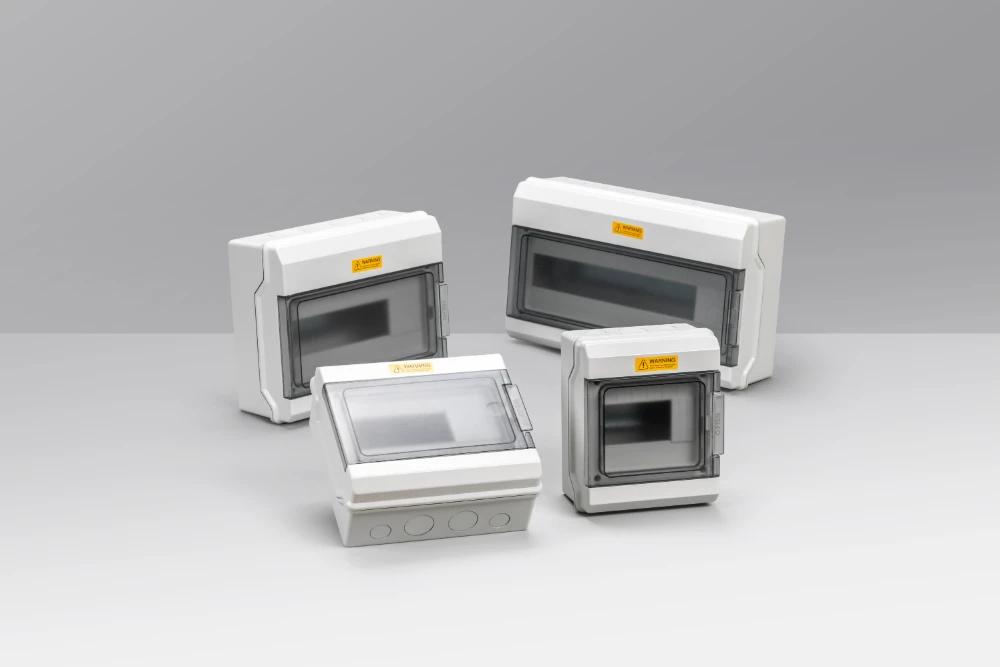
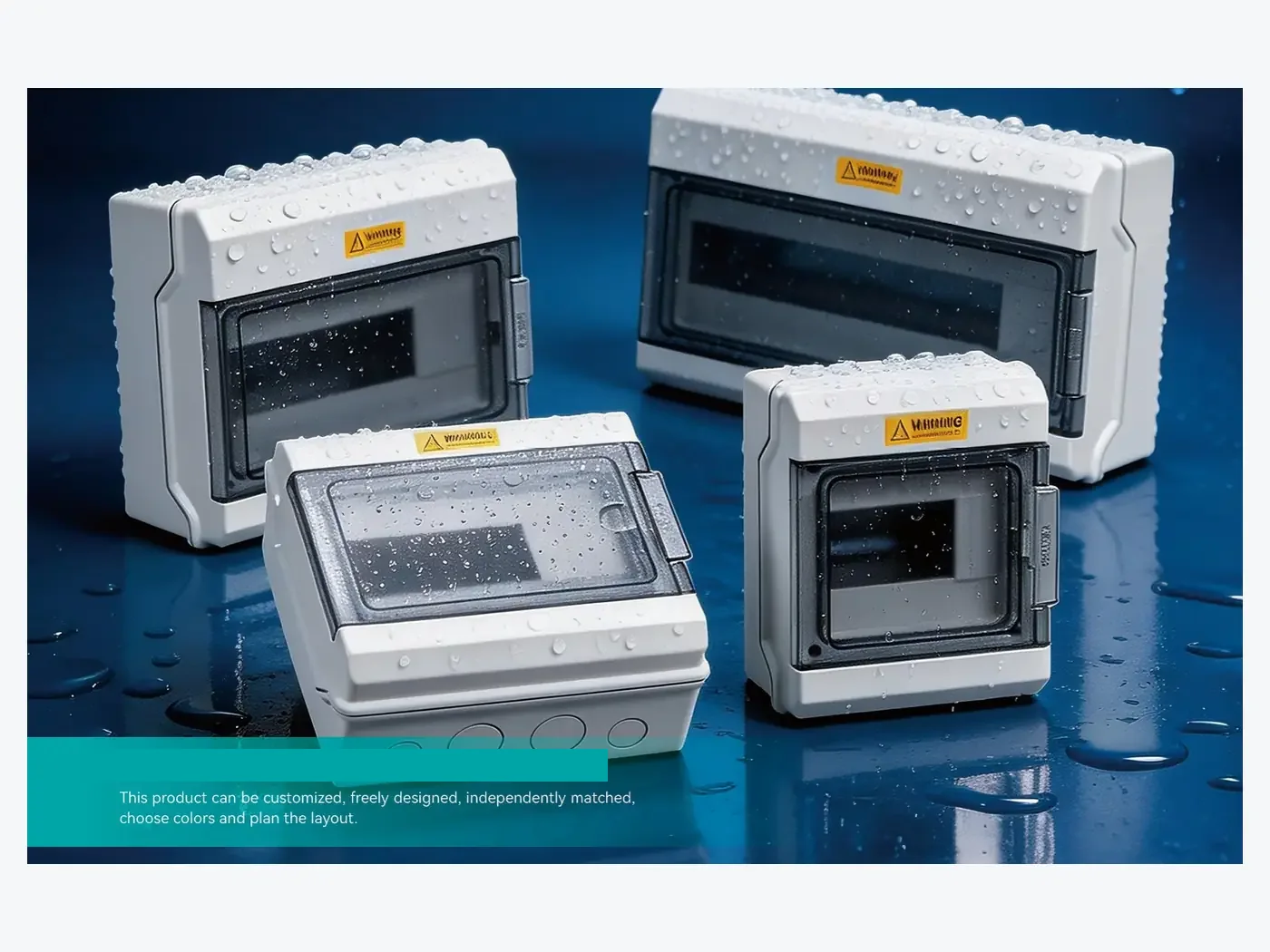
When the upgraded system is fundamentally becoming a DIN rail distribution assembly, retaining a general junction box may no longer be the best platform. Our HT DIN rail distribution boxes are intended for this type of architecture, while the HTC waterproof distribution box family provides a transparent-cover format for distribution layouts where visual inspection is required.
The decision should therefore be based on the revised breaker and wiring arrangement, not simply on whether another section of DIN rail can be installed in the old box.
Terminal Expansion Can Change the Enclosure Requirement
Terminal blocks often expand faster than the main control hardware during a machine upgrade.
More sensors, interlocks, actuators and auxiliary circuits usually mean more field connections. This affects both terminal quantity and cable-entry count.
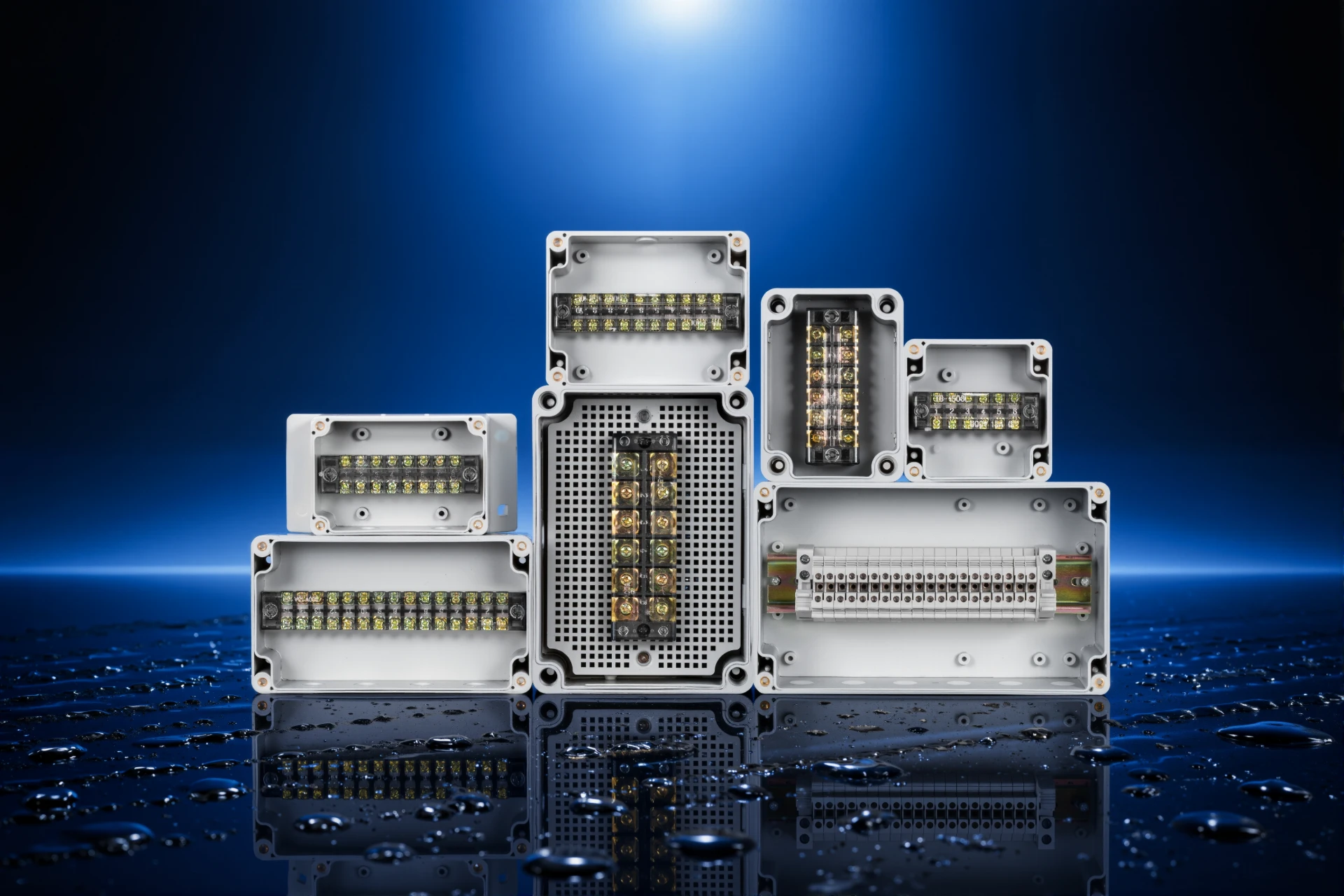
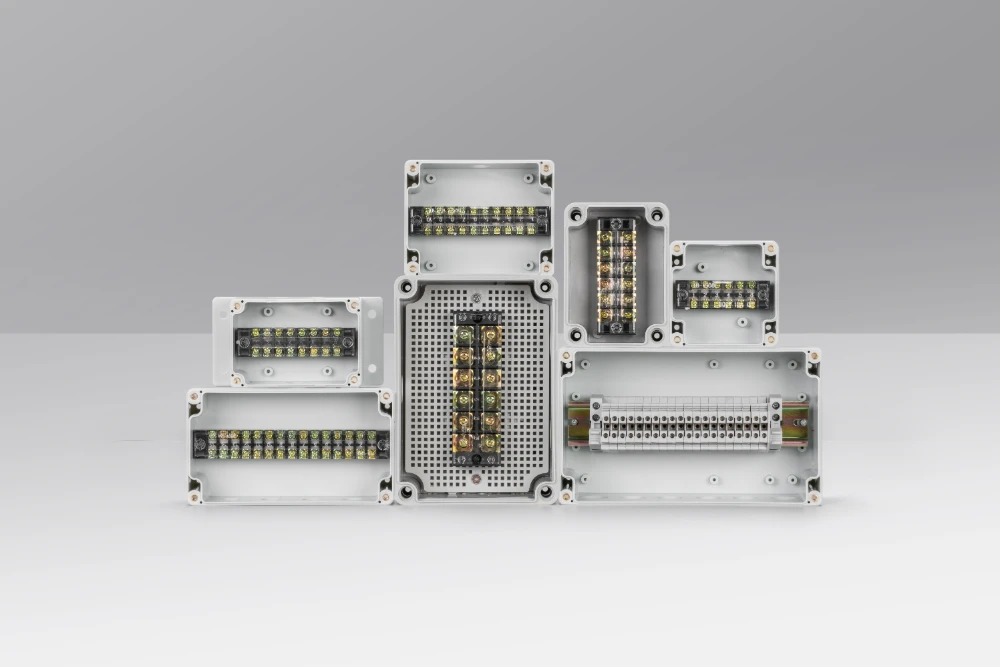
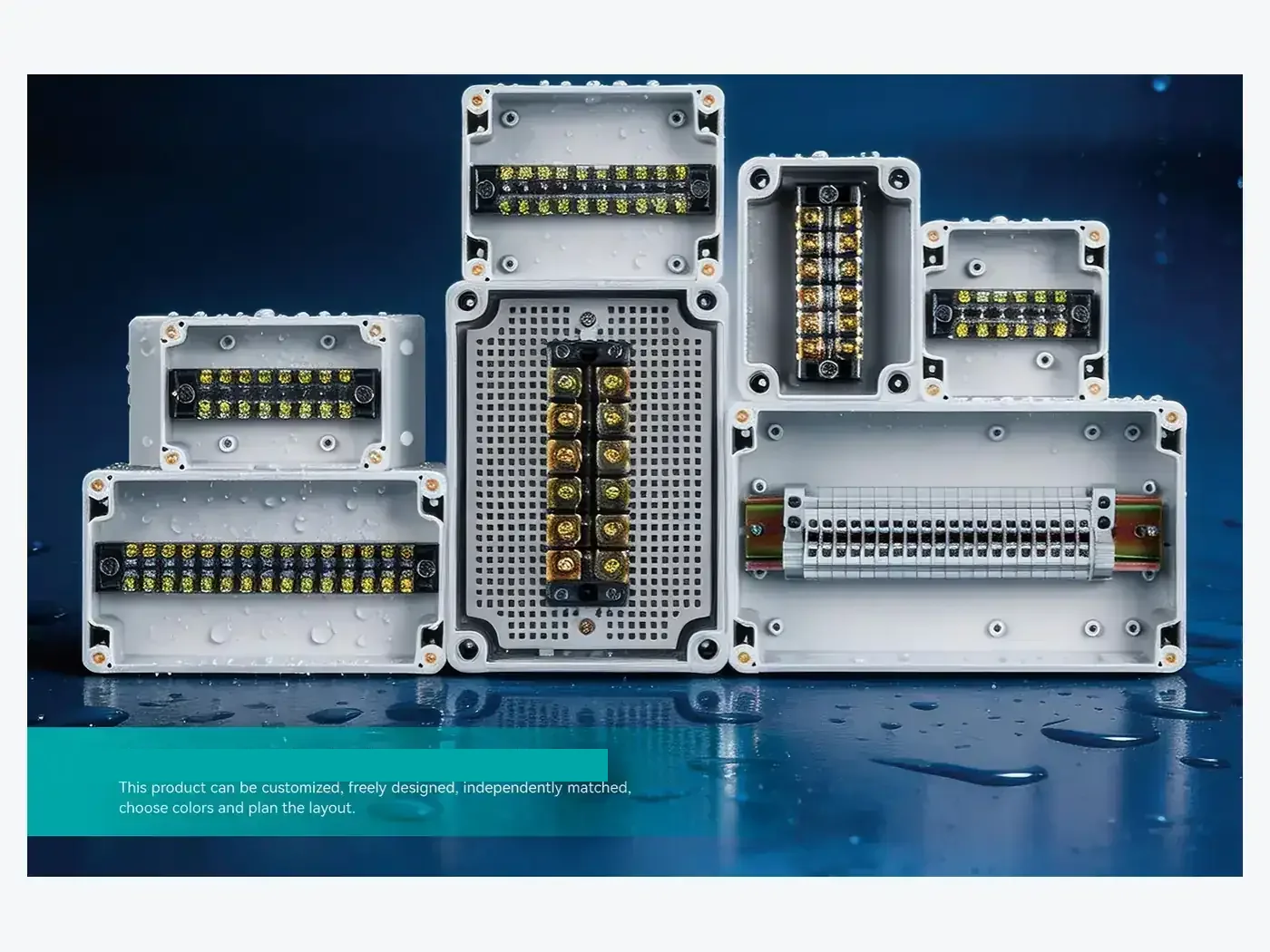
For a terminal enclosure, we therefore look at the connection architecture rather than only the nominal box dimensions. BOWO's current terminal-box configurations include different incoming/outgoing arrangements and verified current configurations from 15 A to 45 A depending on the model. The relevant model should be selected against the actual wiring requirement rather than assuming one enclosure can simply accept additional branches.
When an upgrade converts a simple junction point into a structured multi-branch connection point, moving to a purpose-built terminal block junction box can be more repeatable than rebuilding the previous general enclosure around a larger terminal strip.
Machine Controls May Need a Separate Enclosure Decision
Machine upgrades frequently change the local operator interface as well as the control panel.
A station that originally had Start and Stop may later require Reset, Auto/Manual selection, status indication or an emergency-stop function. Adding controls to an existing operator box is not only a front-panel opening problem. Contact blocks and wiring occupy depth behind each operator, while additional functions also increase conductor count and cable-entry requirements.
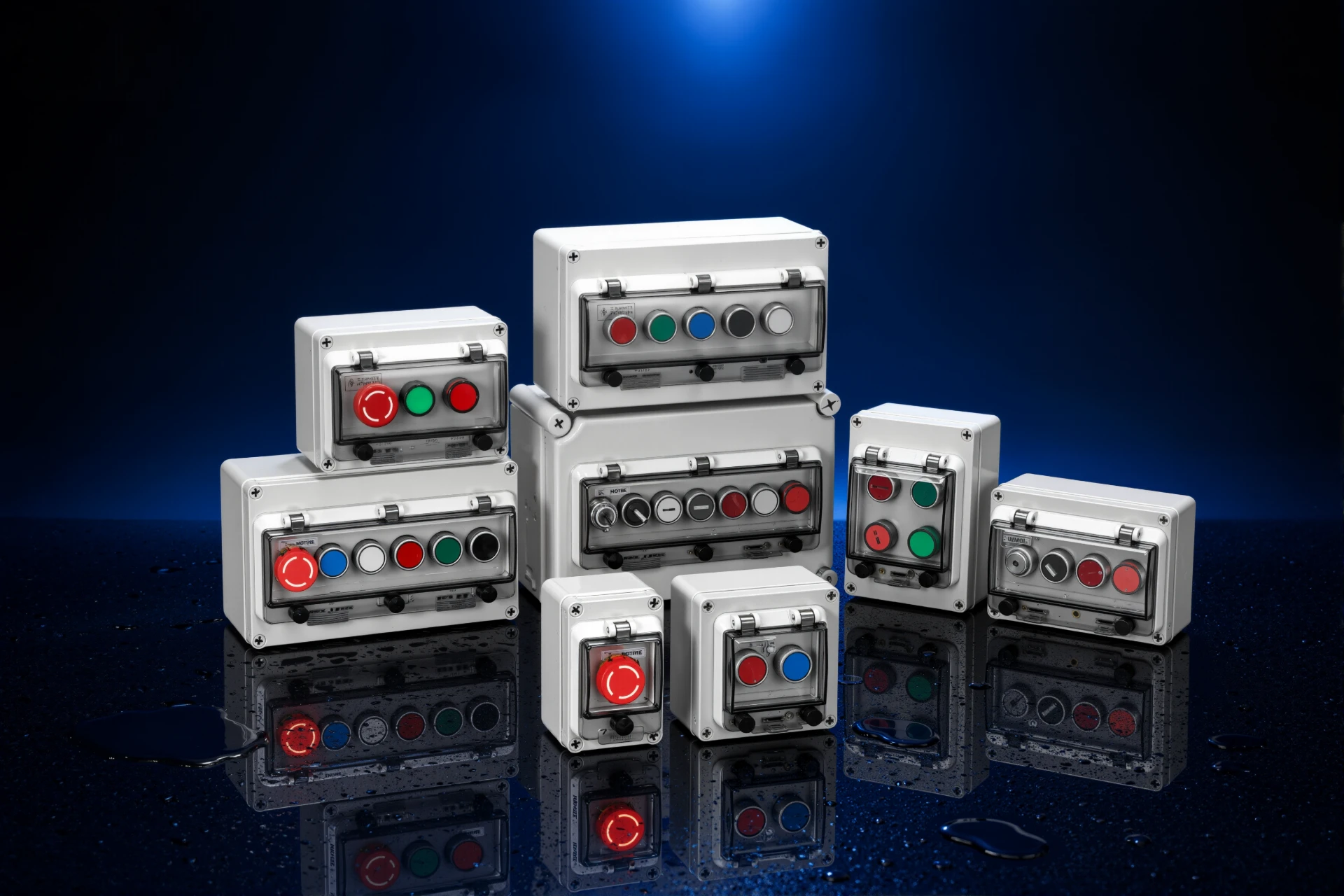
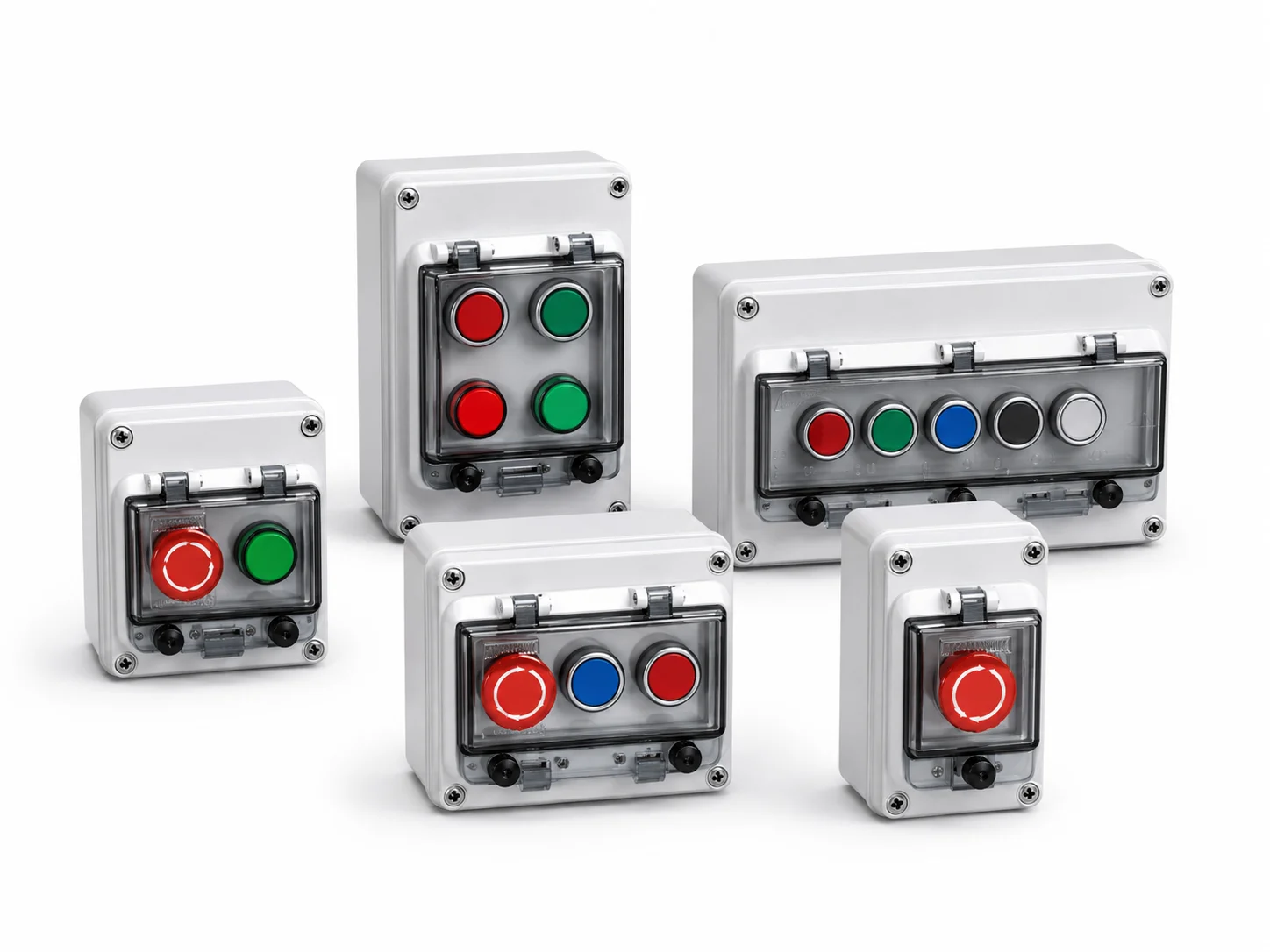
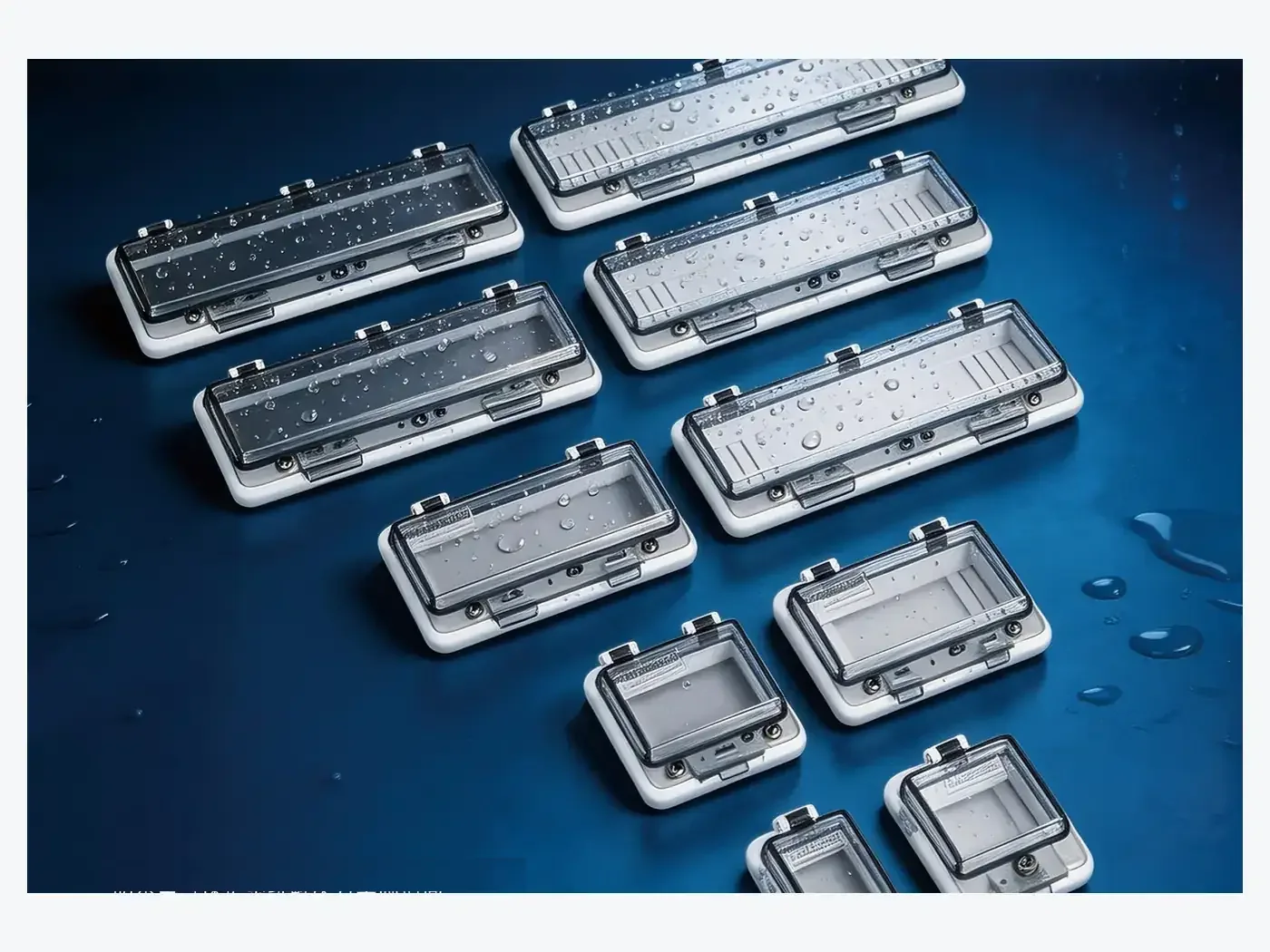
Our current IP66 waterproof push button control station family provides one- to seven-position configurations. The series is ABS, specified IP66 and IK08 in the BOWO catalogue, with gray or transparent cover versions and custom opening options. :contentReference[oaicite:0]{index=0}
For an equipment upgrade, that means the decision can be made from the revised operator list instead of repeatedly drilling additional positions into an enclosure that was designed for an earlier control sequence.
Protection Requirements Must Be Rechecked After Modification
Another common mistake is to treat the rating of the original empty enclosure as an automatic rating for every modified assembly.
During a retrofit, new cable glands, connectors, openings, cover arrangements or operator devices become part of the finished installation. Their selection and installation therefore have to be considered together with the enclosure.
We do not recommend deciding that an old enclosure remains suitable only because the original enclosure model carried the required IP designation. The upgraded assembly should be reviewed against the new installation conditions and complete opening arrangement.
When We Would Replace the Existing Enclosure Instead
Retaining the existing platform is useful only while it simplifies the upgrade. Once the enclosure itself becomes the main engineering constraint, replacement is usually the cleaner option.
We would normally reconsider reuse when:
- the new internal layout is already crowded before final wiring;
- cable-entry requirements have changed substantially;
- gland locknuts or cable bends interfere with terminals or DIN rail components;
- the existing enclosure is too shallow for the new devices;
- the machine now requires frequent access that the original screw-fixed structure was not intended to provide;
- the operator layout has changed beyond the capacity of the existing control station;
- the enclosure's sealing or closure condition has deteriorated;
- the upgraded project requires a different protection requirement;
- the amount of custom rework is approaching the effort required to start with a better standard enclosure.
The objective is not to replace an enclosure simply because the machine is being upgraded. It is to avoid carrying the limitations of the previous machine generation into the new one.
Standardize the New Enclosure Before the Upgrade Becomes Production
A one-off retrofit and an OEM production upgrade should not be treated the same way.
For one machine, technicians can sometimes compensate for difficult wiring or an inconvenient opening position during installation. Once the upgraded design becomes the next production version of the machine, those compromises become recurring assembly work.
Before repeat production, we recommend freezing the enclosure platform together with:
- enclosure model and size;
- internal component arrangement;
- DIN rail and terminal layout;
- opening diameter and position;
- reference edges for custom machining;
- cover configuration;
- mounting arrangement;
- operator positions where applicable;
- drawing revision used for the production order.
This turns the enclosure from a field modification into a repeatable OEM component.
How We Review an Enclosure Retrofit at BOWO
When an OEM asks us whether an existing enclosure platform can support a machine upgrade, the most useful information is not a general description of the machine. We need to compare the old enclosure with the new electrical arrangement.
If the existing size and structure remain suitable, the project may only require a revised opening layout or a different standard configuration. If the component density, access requirement or cable routing has changed significantly, another enclosure family may be more appropriate.
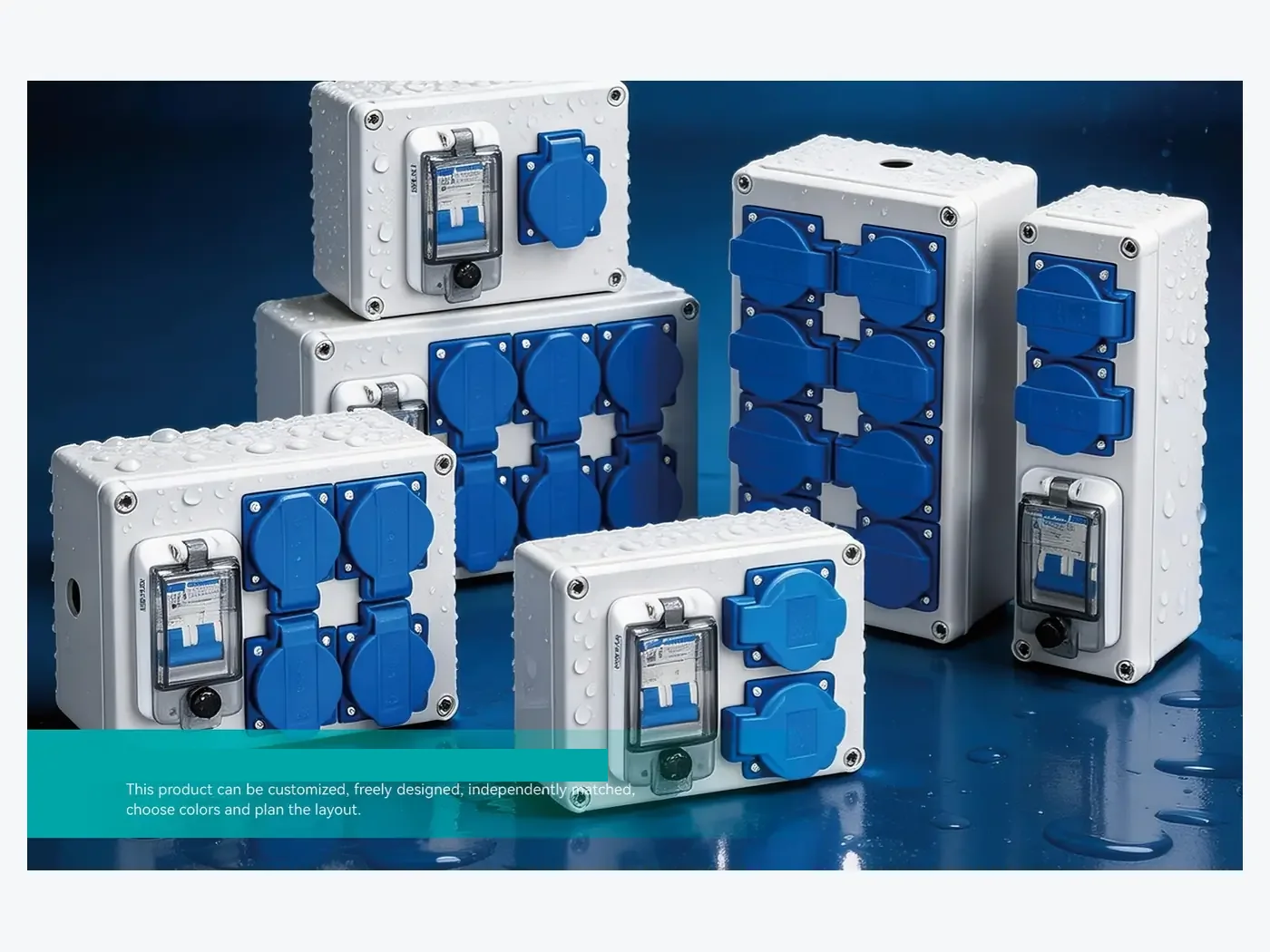
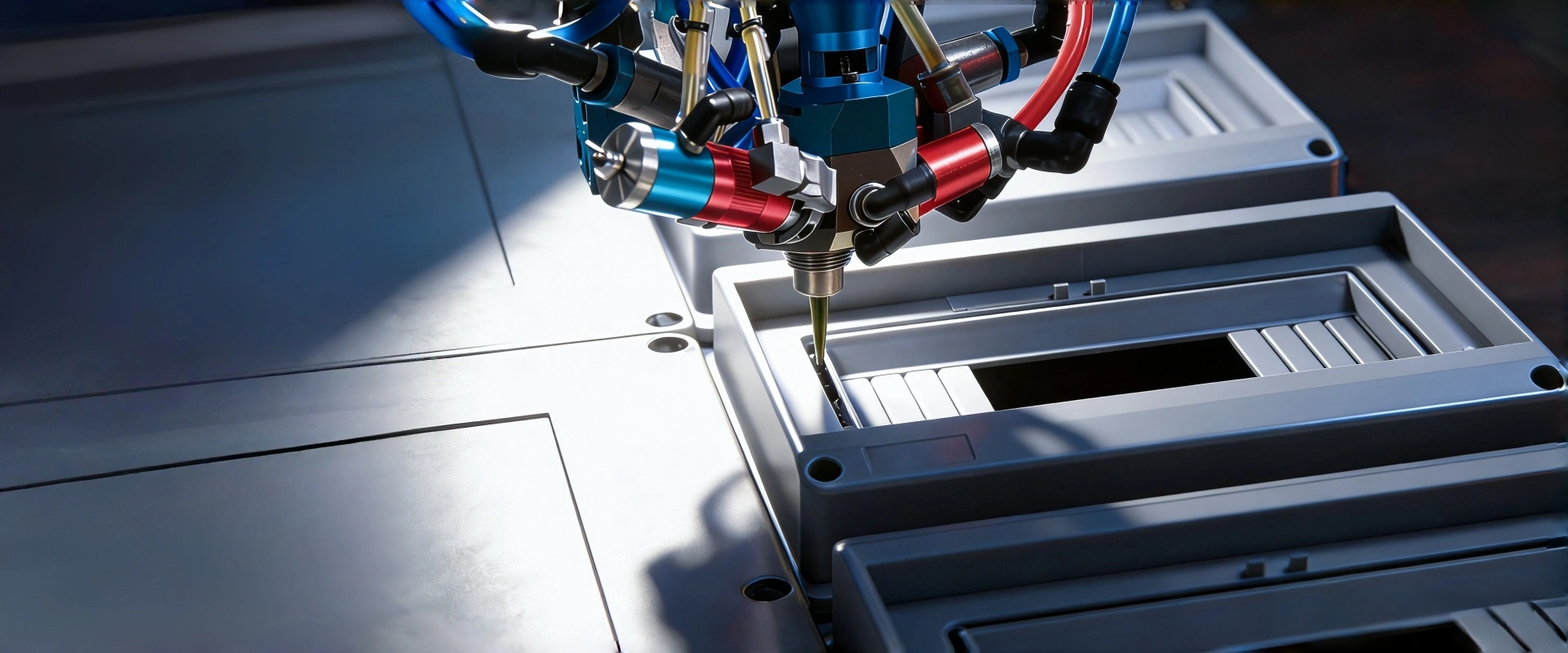
Our product range allows that decision to be made by function: F Series and AG enclosures for general equipment wiring, latch enclosures where repeated access is important, HT and HTC boxes for distribution layouts, terminal block boxes for structured branching, and push button control stations for machine-side operator functions. BOWO also lists CNC hole opening, marking and other customization capabilities for project-specific enclosure requirements. :contentReference[oaicite:1]{index=1}
Information for an Accurate Retrofit Review
For an existing machine upgrade, send us the following information together rather than only requesting a box size:
- existing enclosure dimensions and enclosure photos;
- current internal component layout;
- updated component list or revised layout drawing;
- DIN rail and terminal requirements;
- incoming and outgoing cable quantities;
- required cable gland or connector openings;
- operator layout if a local control station is involved;
- required protection level and installation environment;
- machine-side mounting constraints;
- expected order quantity.
With this information, we can compare three practical routes: retain the existing enclosure platform, modify a suitable standard enclosure, or move the upgraded machine to another BOWO enclosure series.
For OEM projects, the better decision is the one that produces a repeatable assembly—not simply the option that preserves the largest number of parts from the previous machine.