

How to Specify a Terminal Block Junction Box for Repeated Maintenance and Multi-Branch Wiring
Contents ▴
When a field connection needs repeated tightening, reconnection or repair, replacing the same terminal connector with another similar part usually does not solve the underlying specification problem.
For equipment manufacturers, installers and procurement teams, the more useful approach is to define the electrical load, number of branches, conductor arrangement, cable entries and maintenance requirement before selecting a terminal block junction box.
This is especially important when several circuits meet at one point. A connection that is acceptable for a simple one-in/one-out circuit may become difficult to maintain once additional branches, larger conductors or frequent service access are introduced.
First Confirm That a Terminal Block Junction Box Is the Right Architecture
Before comparing enclosure sizes, confirm what the connection point is expected to do. Not every high-current or frequently serviced connection should be placed in the same type of terminal box.
| Connection Requirement | Better Starting Point | Why |
|---|---|---|
| Simple cable splice with no terminal organization | Empty junction box or suitable splice system | No need to add a terminal arrangement that the project does not use |
| Several field conductors that need organized termination | Junction box with terminal block | Keeps incoming and outgoing circuits separated and serviceable |
| Repeated maintenance on individual branches | Electrical junction box with terminals | Individual circuits can be identified without rebuilding multiple loose splices |
| Large feeder conductors or current above the verified terminal-box rating | Properly rated power distribution or high-current connection system | Do not force a standard terminal box into a duty outside its verified range |
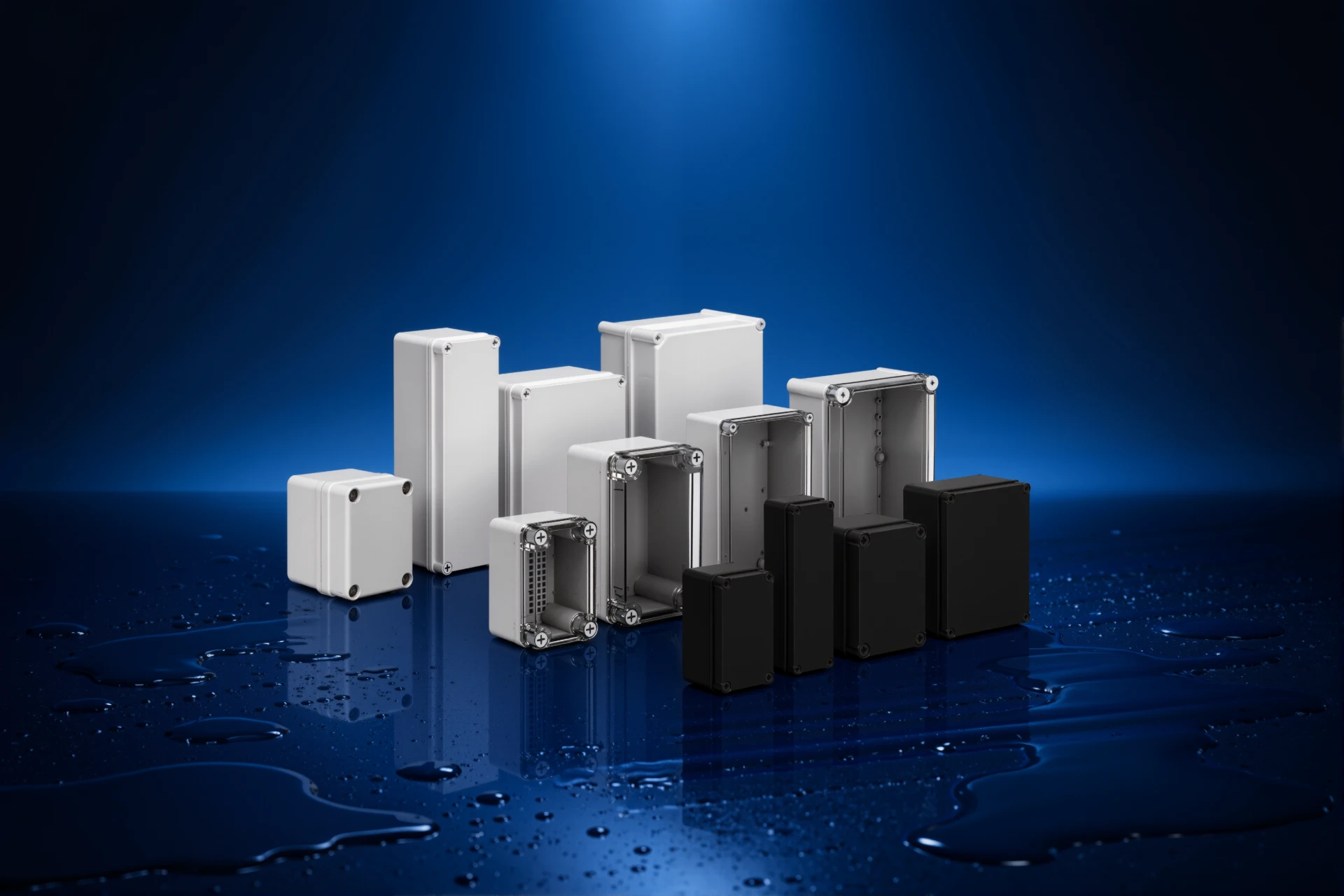
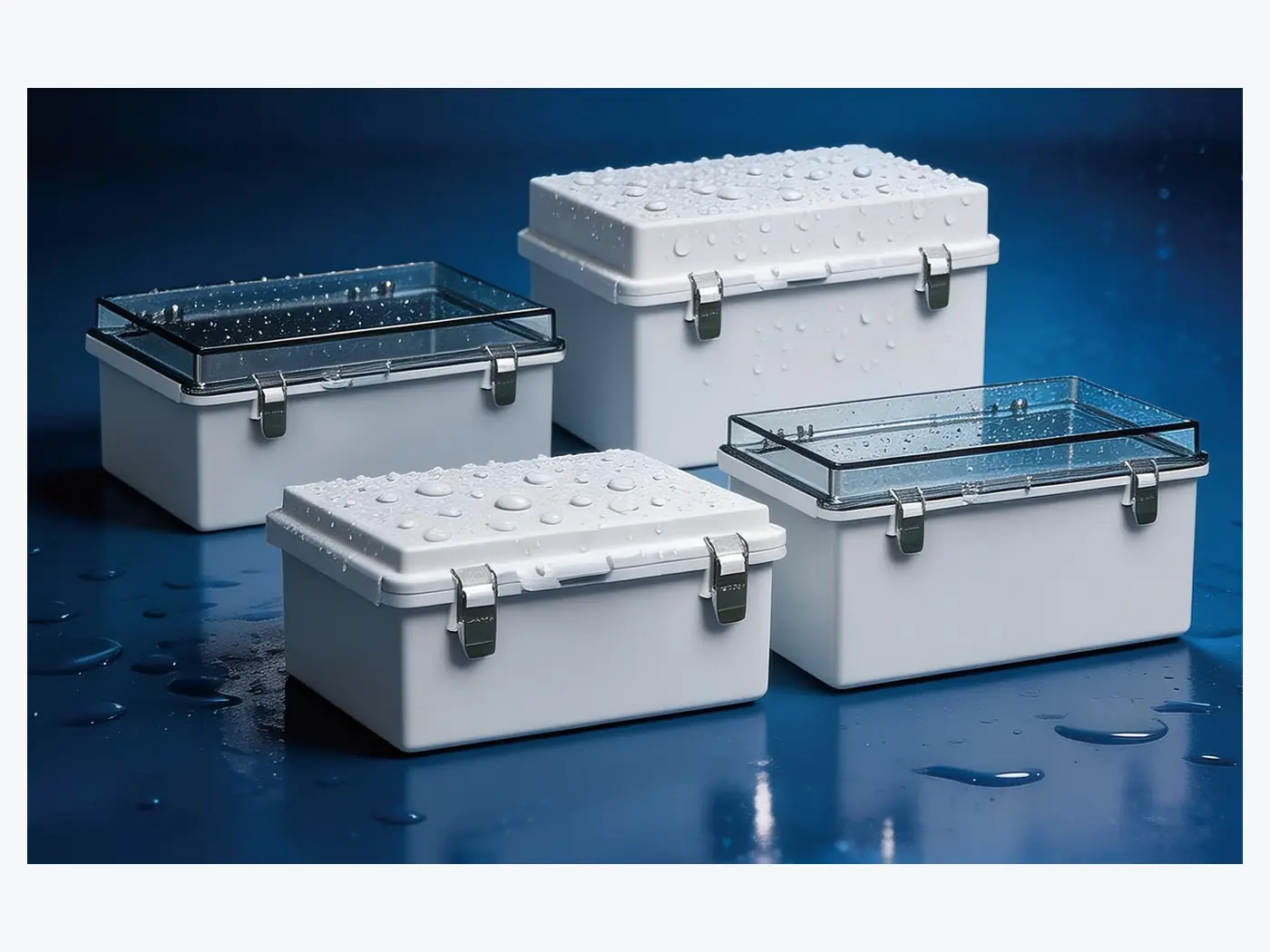
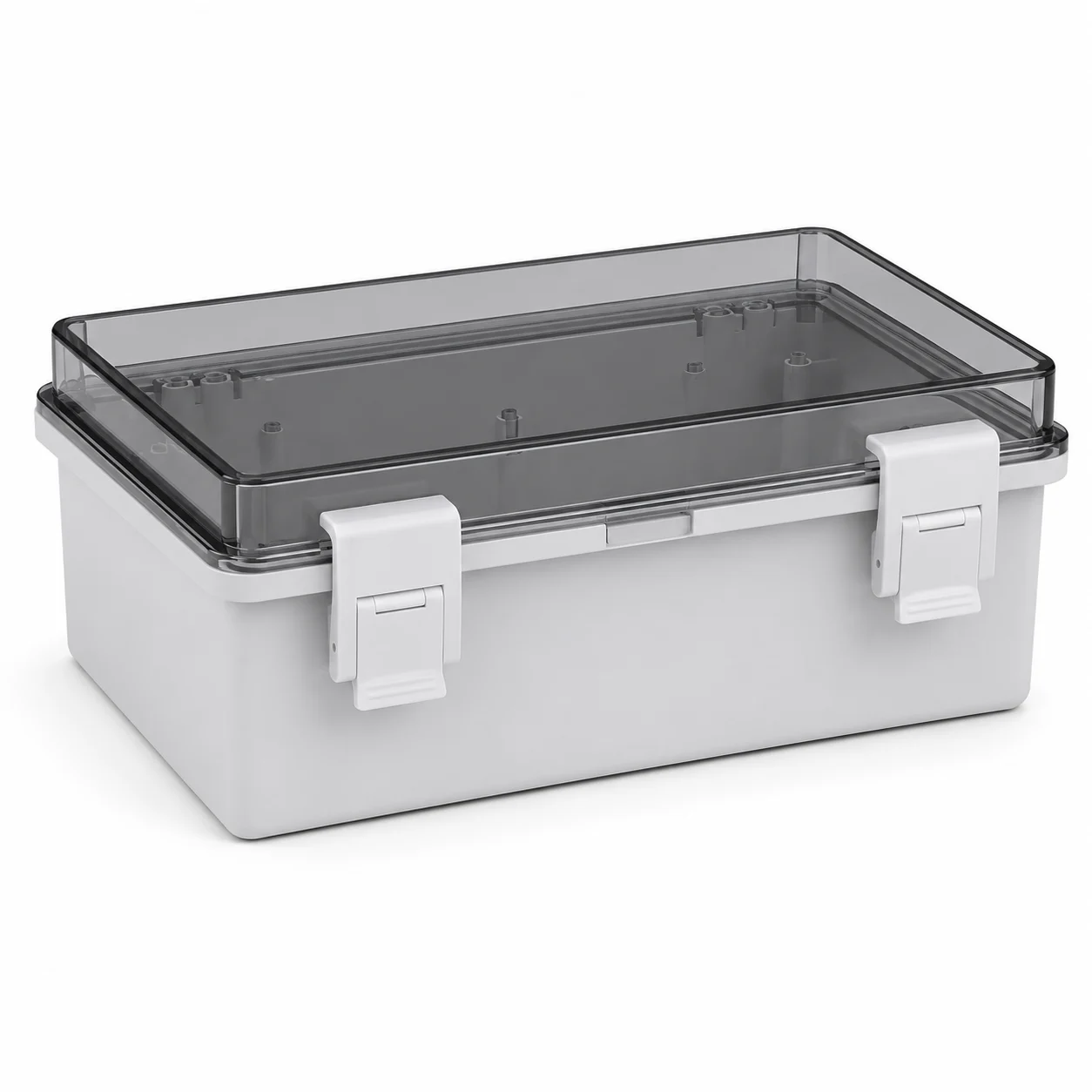
If a project needs only protected working space without fixed terminals, BOWO's IP66 F Series waterproof junction box may be a more appropriate starting point.
Match Current Rating and Branch Layout Before Selecting the Box
The enclosure dimensions and terminal configuration should be selected together. A larger box does not automatically provide a higher electrical rating, and two boxes with similar dimensions may be intended for different incoming and outgoing circuit arrangements.
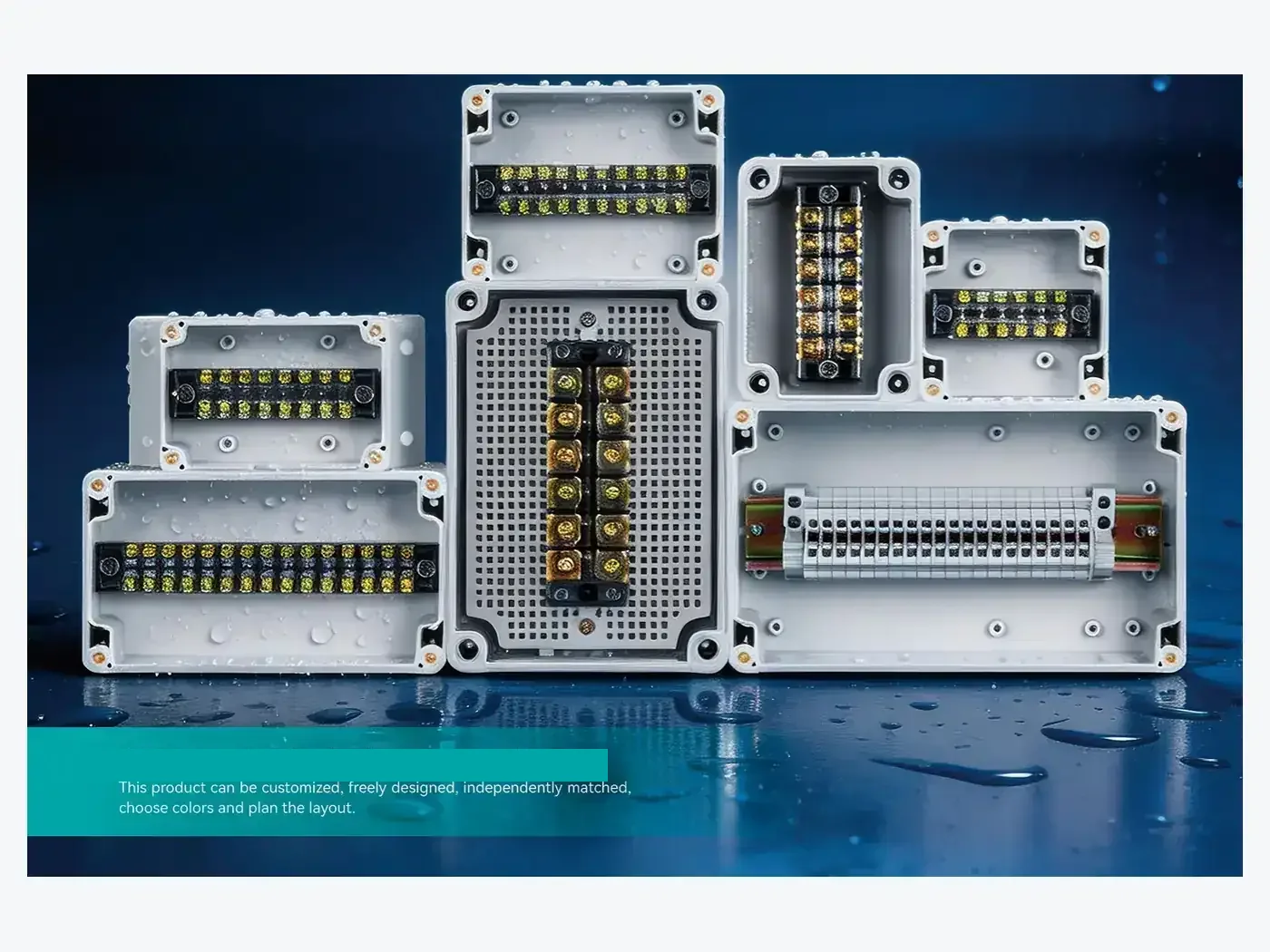
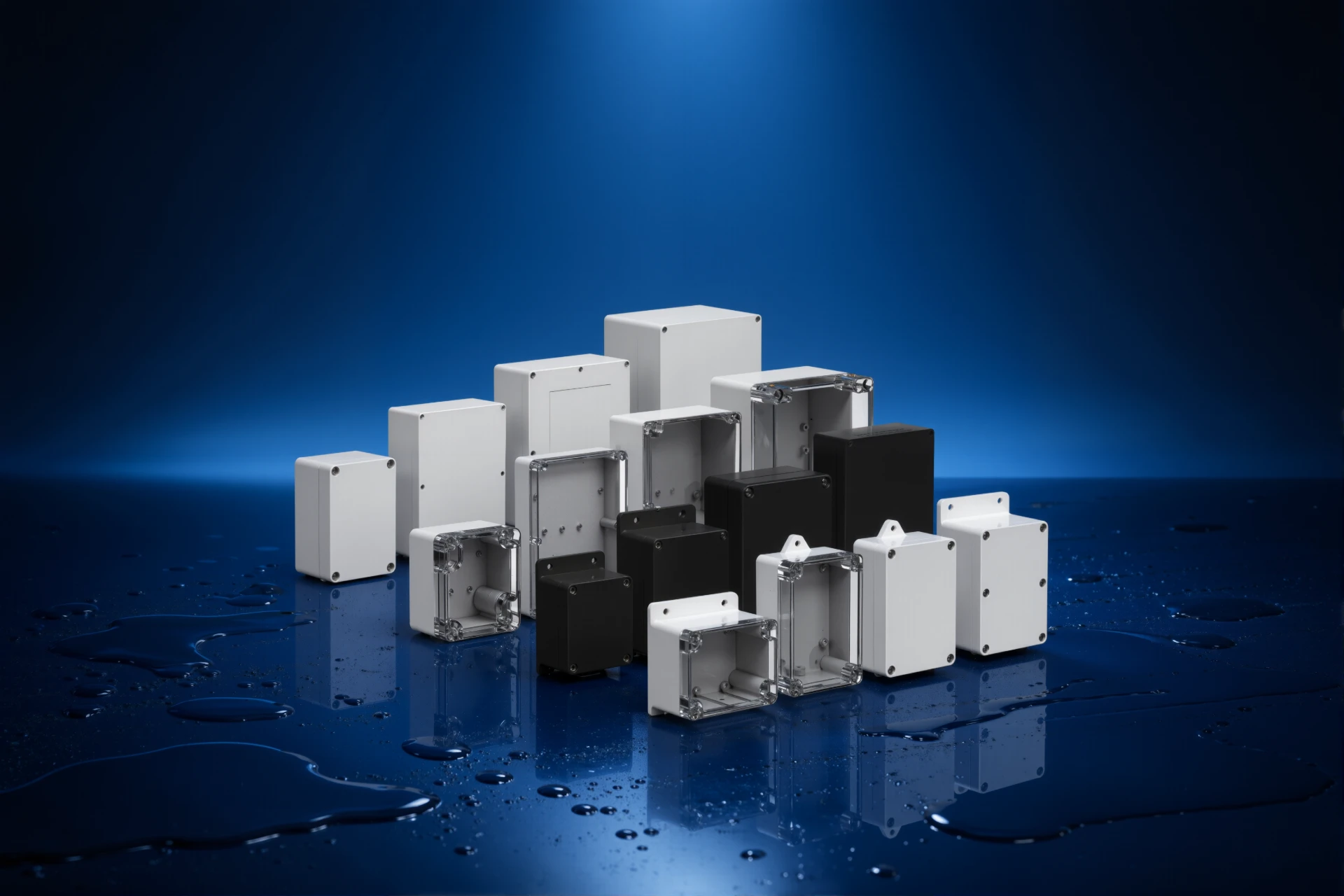
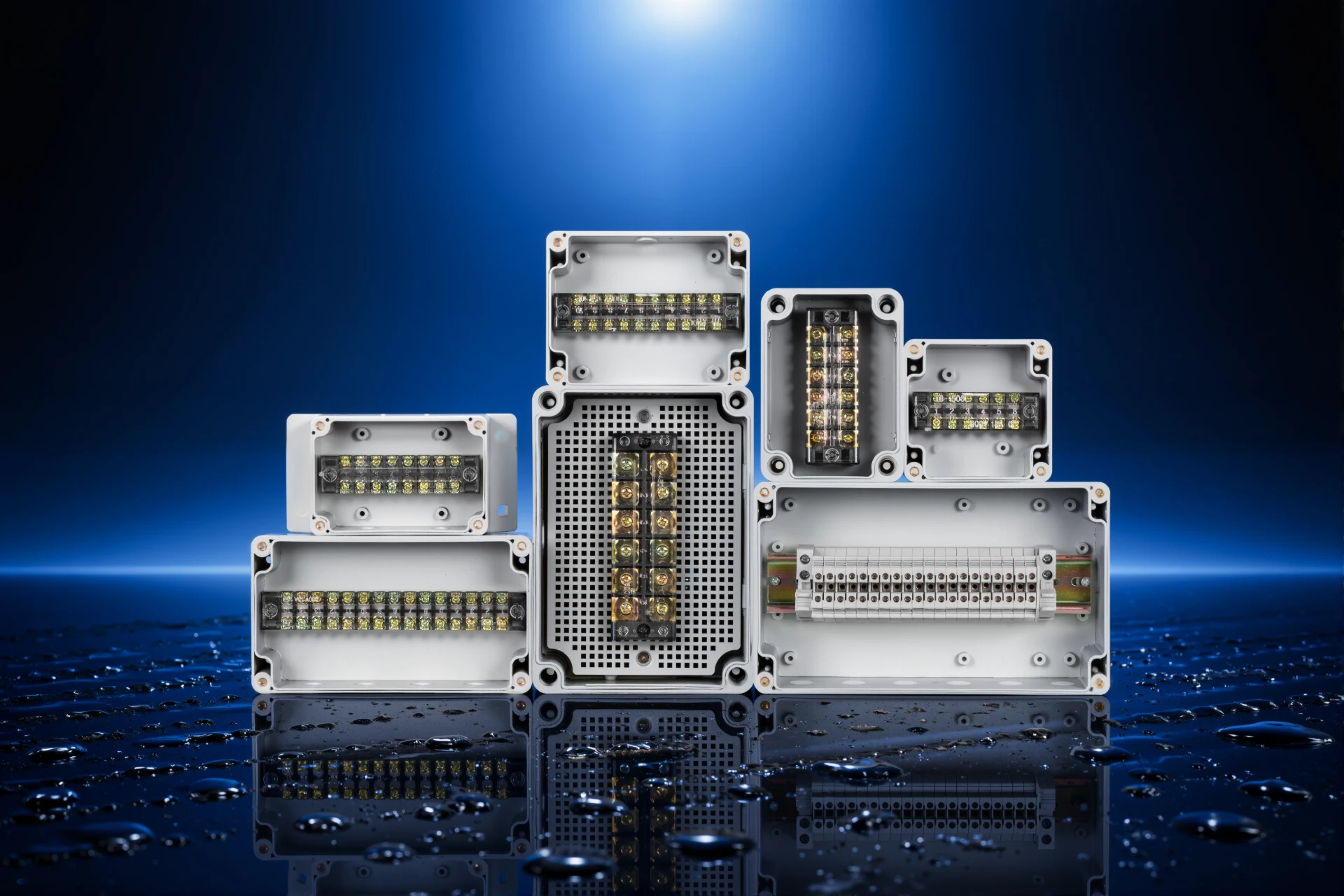
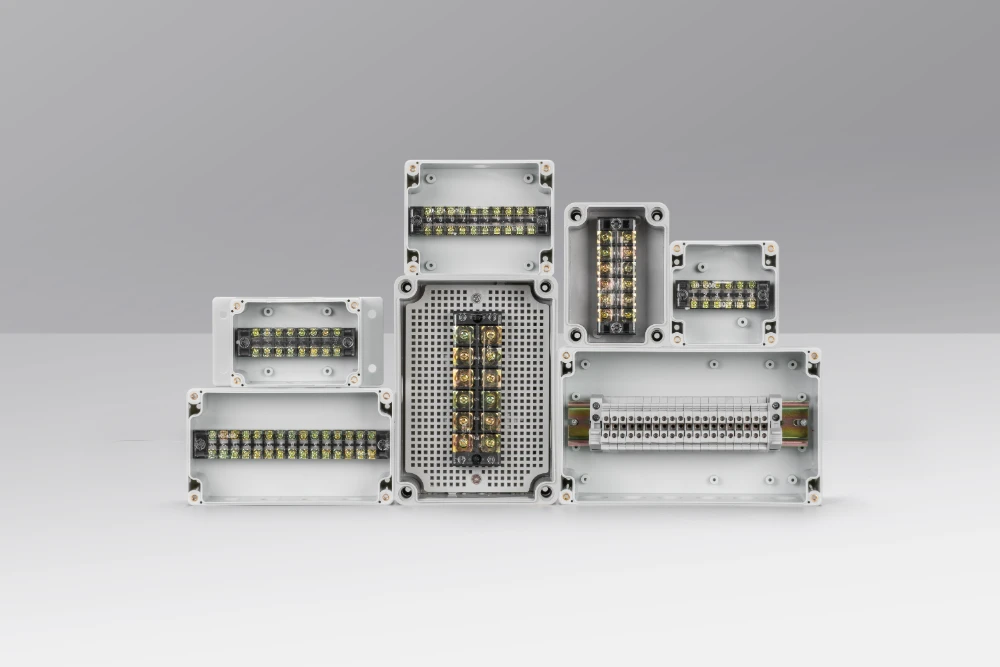
The BOWO IP66 Waterproof Terminal Block Junction Box range includes several terminal and cable-entry layouts rather than one universal configuration.
| Enclosure Size | Incoming / Outgoing Layout | Catalogue Rating | Typical Selection Consideration |
|---|---|---|---|
| 83 × 81 × 56 mm | 1 in / 1 out | 25A | Compact point-to-point termination |
| 100 × 68 × 50 mm with mounting ears | 3 in / 3 out | 15A | Multiple lower-current field connections in a compact box |
| 175 × 125 × 75 mm | 1 in / 3 out | 32A | One incoming circuit distributed to several outgoing branches |
| 200 × 120 × 75 mm | 2 in / 2 out | 32A | Two incoming and two outgoing cable routes with additional working space |
| 175 × 125 × 75 mm | 2 in / 2 out | 45A | Higher-current configuration within the catalogue range |
The important point for an RFQ is to specify the current requirement and branch arrangement together. Do not ask only for a “175 × 125 × 75 terminal box,” because the catalogue includes different electrical and cable-entry configurations around similar enclosure dimensions.
Repeated Maintenance Changes the Terminal Box Specification
A connection opened once during commissioning has a different service requirement from one that technicians expect to inspect, disconnect or modify regularly.
For repeated maintenance, the RFQ should define:
- which circuits need to be disconnected independently;
- how many incoming and outgoing conductors must remain identifiable;
- whether tool access is required around the terminal positions;
- how cables should enter the box without obstructing terminal access;
- whether the enclosure will remain mounted while wiring is serviced;
- how much internal clearance is required around the terminals.
This is where an organized junction box terminal block arrangement has an advantage over several unrelated field splices. The benefit is not simply the presence of terminals; it is the ability to maintain a repeatable connection layout throughout the equipment lifecycle.
Do Not Choose Conductor Size From the Box Rating Alone
The BOWO catalogue provides current ratings for the terminal-box configurations, but it does not define a universal conductor-size range for every application. Therefore conductor cross-section or wire gauge should be included in the RFQ and checked against the selected terminal arrangement before production.
For each circuit, provide at least:
- required continuous or project-design current;
- conductor cross-section or AWG size;
- number of conductors per circuit;
- incoming and outgoing cable count;
- required termination arrangement;
- whether the conductor will be disconnected frequently during service.
This avoids treating “32A terminal box” as sufficient information by itself. Electrical rating, conductor compatibility and physical wiring layout all need to match the actual project.
Use Incoming and Outgoing Cable Count to Define the Layout
Multi-branch wiring is one of the clearest reasons to move from a generic empty enclosure to a junction box with terminal block.
Consider the difference between these project requirements:
- 1 in / 1 out: a straightforward equipment or field-device termination;
- 1 in / 3 out: one incoming circuit feeding several outgoing branches;
- 2 in / 2 out: separate incoming and outgoing cable routes that need organized termination;
- 3 in / 3 out: several field circuits entering and leaving one compact connection point.
The enclosure should be selected around the wiring diagram rather than forcing the wiring diagram to fit an enclosure that has already been purchased.
Cable Entry Position Matters During Maintenance
Cable entries that look convenient from outside the enclosure can interfere with terminals, conductor bends or screwdriver access inside the box.
For a repeat-production project, provide the cable-entry layout before machining:
- number of cable entries on each side;
- cable or gland diameter;
- entry position and spacing;
- incoming versus outgoing circuit direction;
- required clearance from the terminal block;
- mounting orientation of the enclosure.
BOWO's catalogue lists custom openings as an available option for the Terminal Block Box series. A dimensional drawing is preferable when several entries are required.
Select the Enclosure Around the Service Environment
The Terminal Block Box series uses ABS, and the BOWO catalogue specifies IP66 ingress protection and IK08 impact resistance, with CE and RoHS listed for the series.
These enclosure ratings should be considered separately from the terminal's electrical rating. For example, choosing a 45A configuration does not change the environmental conditions for which the enclosure itself must be specified.
For outdoor machinery, pumps, control wiring and other exposed field connections, the enclosure protection level, cable-entry sealing and installation orientation should be reviewed together.
When This Terminal Block Junction Box Is Not the Right Choice
A useful specification also defines where the product should not be used.
If the project involves large feeder conductors, very high current, or a distribution requirement above the verified 15A–45A catalogue configurations, do not simply select the largest BOWO terminal box and assume it will suit the application.
That type of requirement should be reviewed around a properly rated power-distribution block, lug or other high-current connection architecture. The enclosure can then be specified around the selected electrical hardware if required.
This distinction is particularly important for projects where repeated terminal failures are actually caused by using a connection method outside the electrical or mechanical duty it was designed to handle.
RFQ Checklist for a Terminal Junction Box
For a faster first-pass model review, provide the following information instead of sending only an enclosure size.
| RFQ Item | What to Provide |
|---|---|
| Application | Machine, pump, lighting branch, sensor, control circuit or other field equipment |
| Current | Required current for each circuit or branch |
| Conductor | Wire cross-section or AWG size |
| Incoming cables | Quantity and cable diameter |
| Outgoing cables | Quantity and cable diameter |
| Branch layout | 1 in / 1 out, 1 in / multiple out, 2 in / 2 out or project-specific arrangement |
| Maintenance | Commissioning only, periodic inspection or frequent disconnection |
| Protection | Required IP rating and actual installation environment |
| Mounting | Wall, machine, structure or mounting-ear requirement |
| Cable entries | Hole sizes, positions and gland requirements |
| Drawing | Wiring diagram and dimensional drawing where available |
| Quantity | Prototype, project batch or repeat-production quantity |
Specify the Connection Point Before Specifying the Box
For repeated-maintenance and multi-branch projects, the most reliable RFQ starts with the circuit architecture rather than the enclosure dimensions.
Use a terminal block junction box when multiple field conductors need organized termination, clear incoming/outgoing routing and service access within the verified electrical range.
Use an empty waterproof junction box when the project only needs protected space for splices or separately selected components. For that requirement, see the IP66 F Series Waterproof Junction Box.
For other enclosure configurations, view the BOWO waterproof electrical enclosure range.