ENGINEERING NEWS / OEM ENCLOSURE TECHNICAL BRIEF
A practical acceptance checklist for engineers and procurement teams specifying cable entries, cover closures and sealed electrical assemblies.
An enclosure's advertised IP rating describes a specified product and test configuration—not every future assembly. Additional holes, unsuitable cable glands, disturbed seals and incorrect cover closure can alter protection. Specify the required exposure, identify the exact model, then agree what evidence is needed for the finished configuration before mass production.
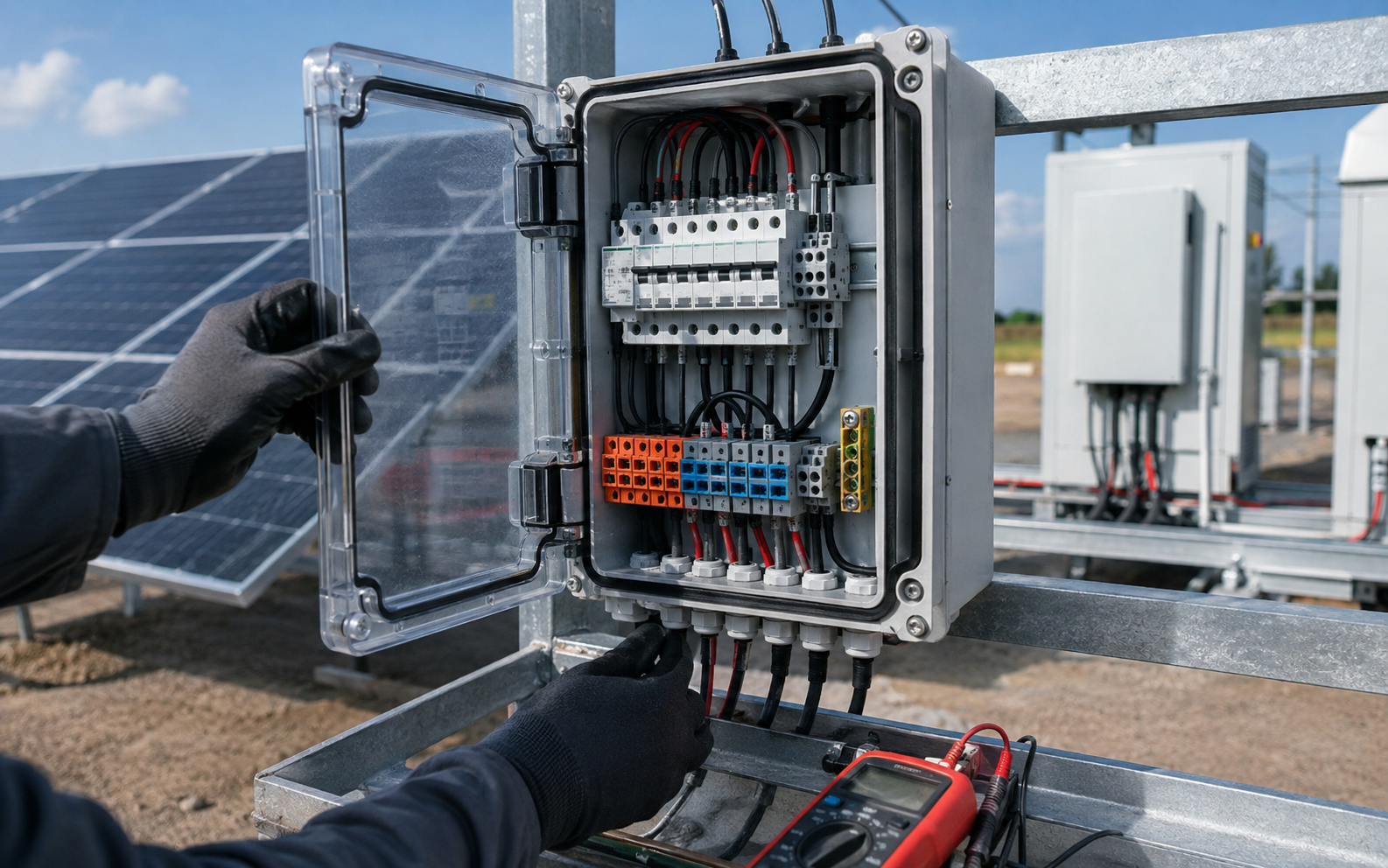
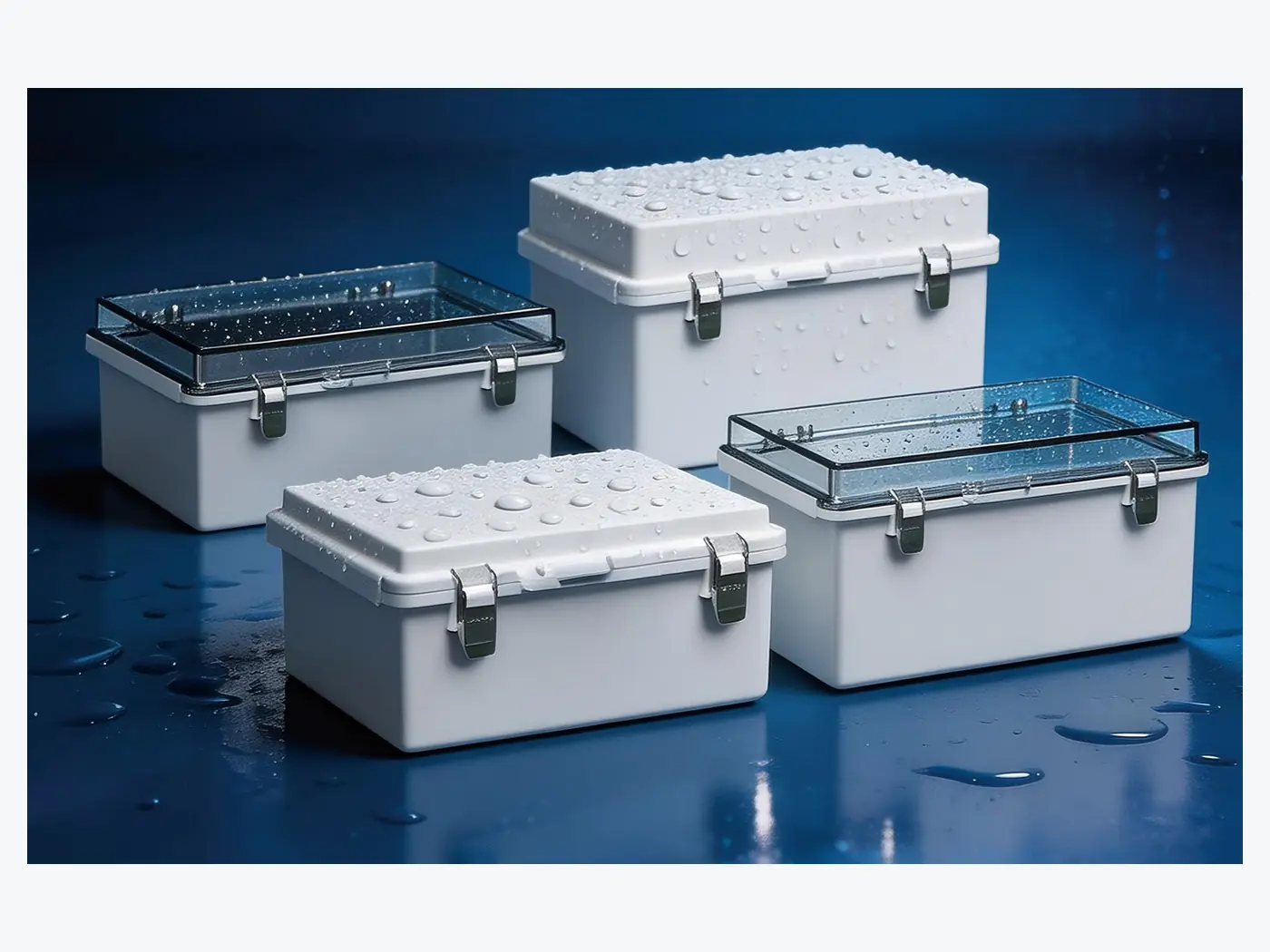
A waterproof junction box may leave the supplier with an ingress-protection designation, then reach an OEM workshop where technicians add glands, terminals, controls or mounting holes. Those changes create new interfaces. The purchasing question is therefore not just “Is the empty box IP67?” but “Does the configuration we intend to install have an appropriate, documented sealing arrangement?”
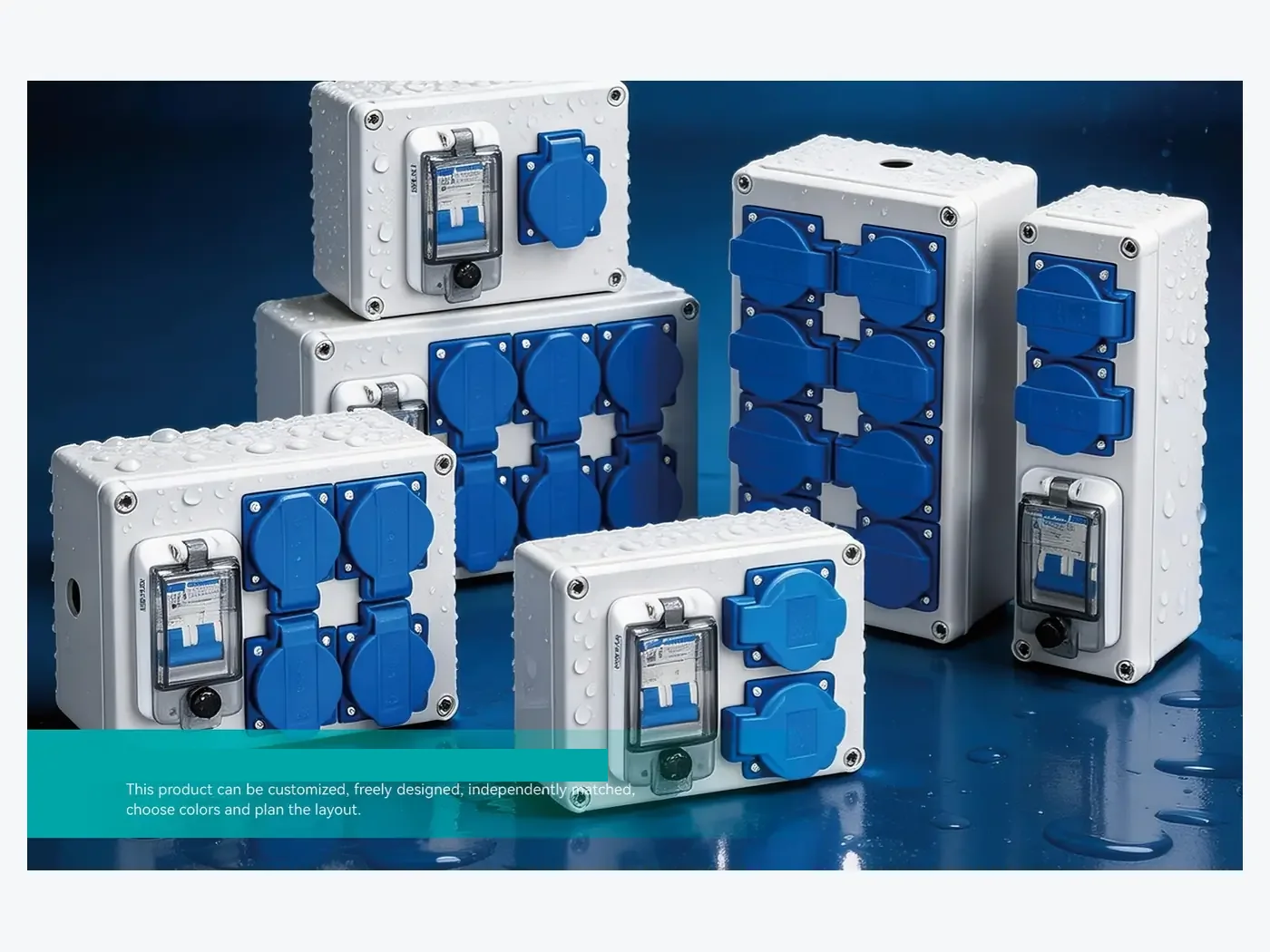
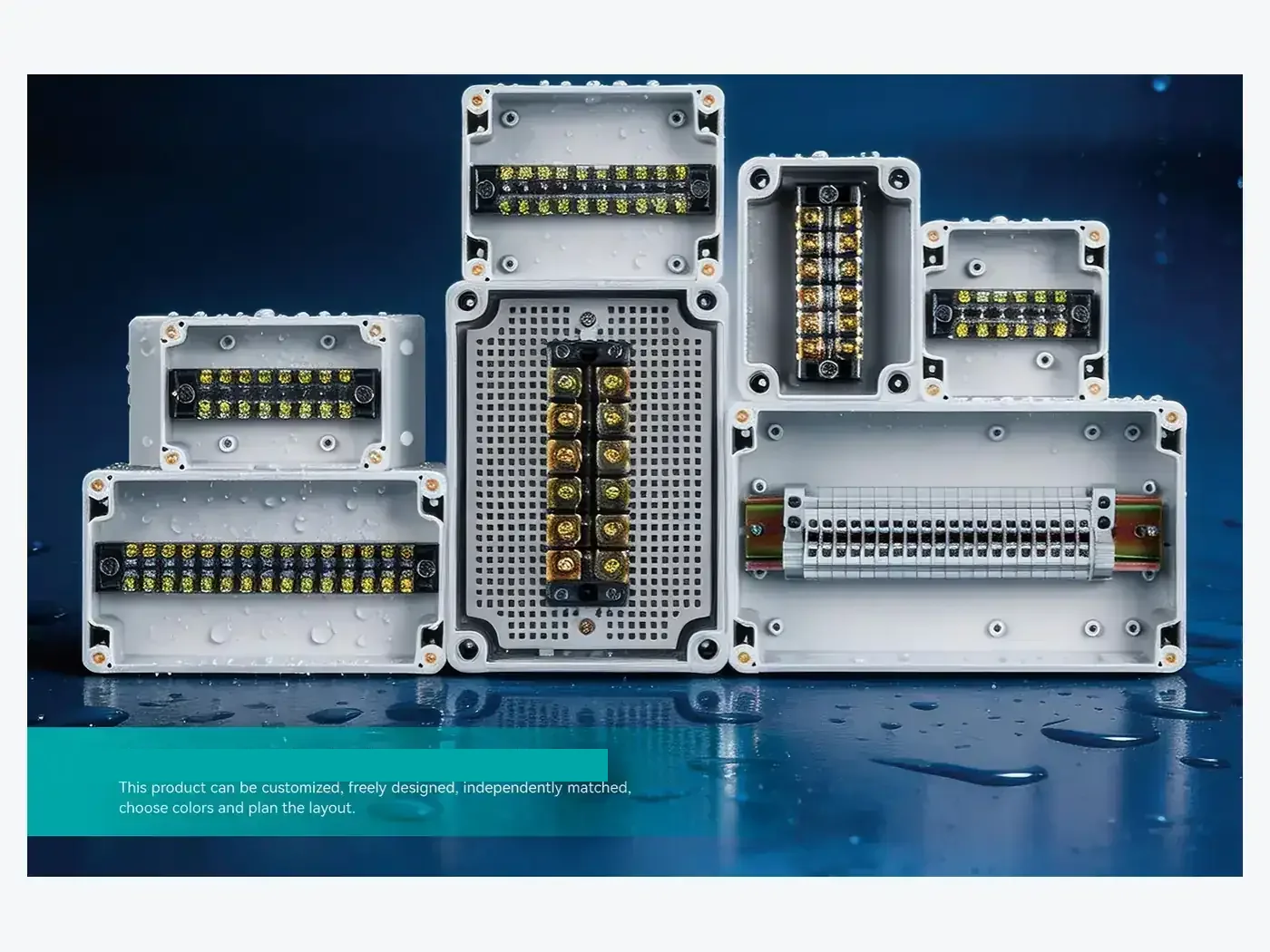
BOWO Electric lists CNC hole opening, custom molds and related enclosure customization on its website. Its product pages also state that suitability and test information depend on the selected model and installation. The following six checks turn that distinction into a review process for project drawings and requests for quotation.
First, specify the water exposure—not the biggest-looking IP number
IEC 60529 distinguishes resistance to powerful water jets (IPX6) from temporary immersion (IPX7). An IP67 marking alone does not establish IP66 jet performance. If equipment may encounter both conditions, ask for documented evidence for both requirements and clearly identify the tested configuration. Neither designation by itself establishes resistance to UV, chemicals or corrosion.
| Exposure or requirement | What the buyer should request | Important distinction |
|---|---|---|
| Powerful water jets | Applicable IP66/IPX6 evidence for the identified model and configuration. | Do not infer this from IP67 alone. |
| Temporary immersion | Applicable IP67/IPX7 evidence and installation conditions. | Does not automatically cover jets. |
| Both jets and immersion | Evidence for both water-test requirements, where specified. | Write both requirements into the RFQ. |
| Continuous sun, chemicals or impact | Separate material, environmental or impact documentation. | The IP code does not establish these properties. |
Six checks before approving a customized enclosure
01 / Confirm the gasket supplied with the exact model
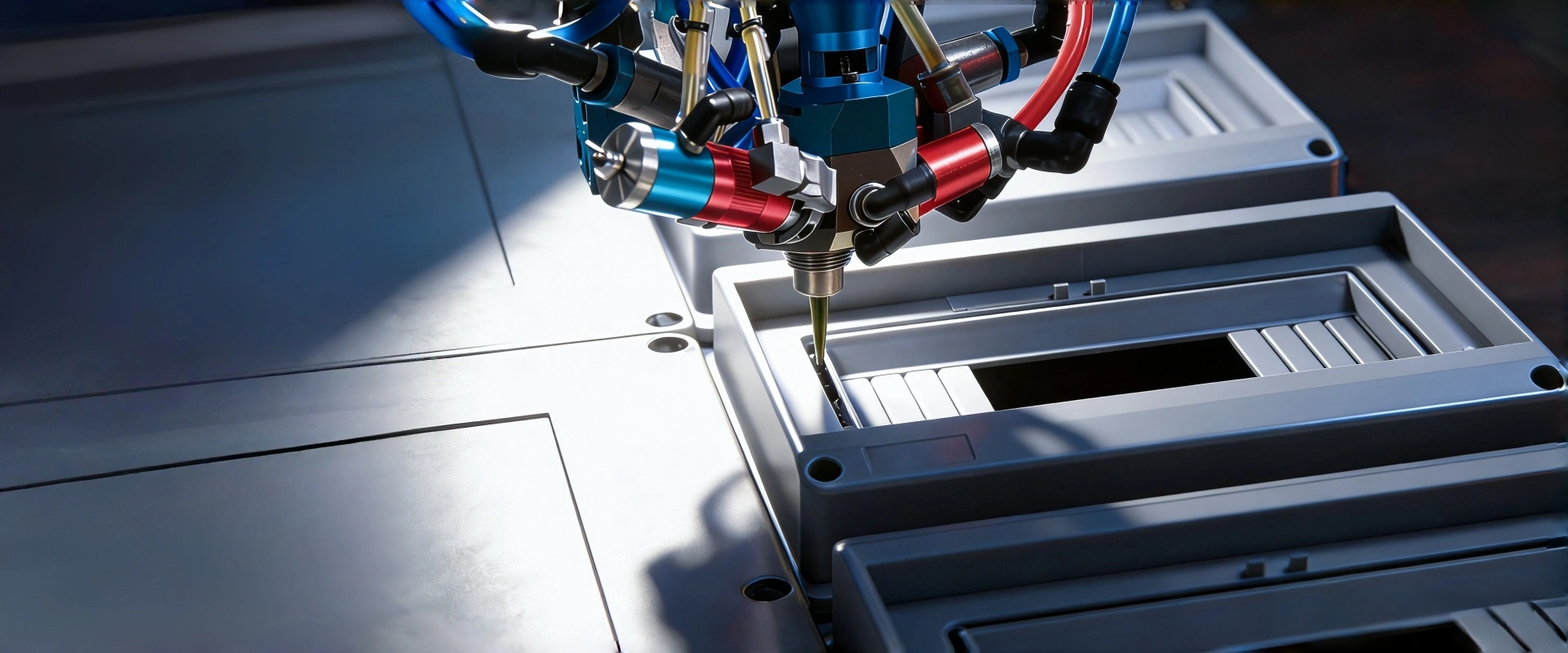
Ask whether the selected lid uses a formed-in-place gasket or an inserted elastomer seal. Inspect continuity around corners, gasket retention and the contact surface. For a repeatedly opened box, request assembly instructions and determine how the seal should be inspected or replaced. Do not assume that one gasket material guarantees a particular service life or chemical resistance without model-specific evidence.
02 / Check the closed cover, not only the empty housing
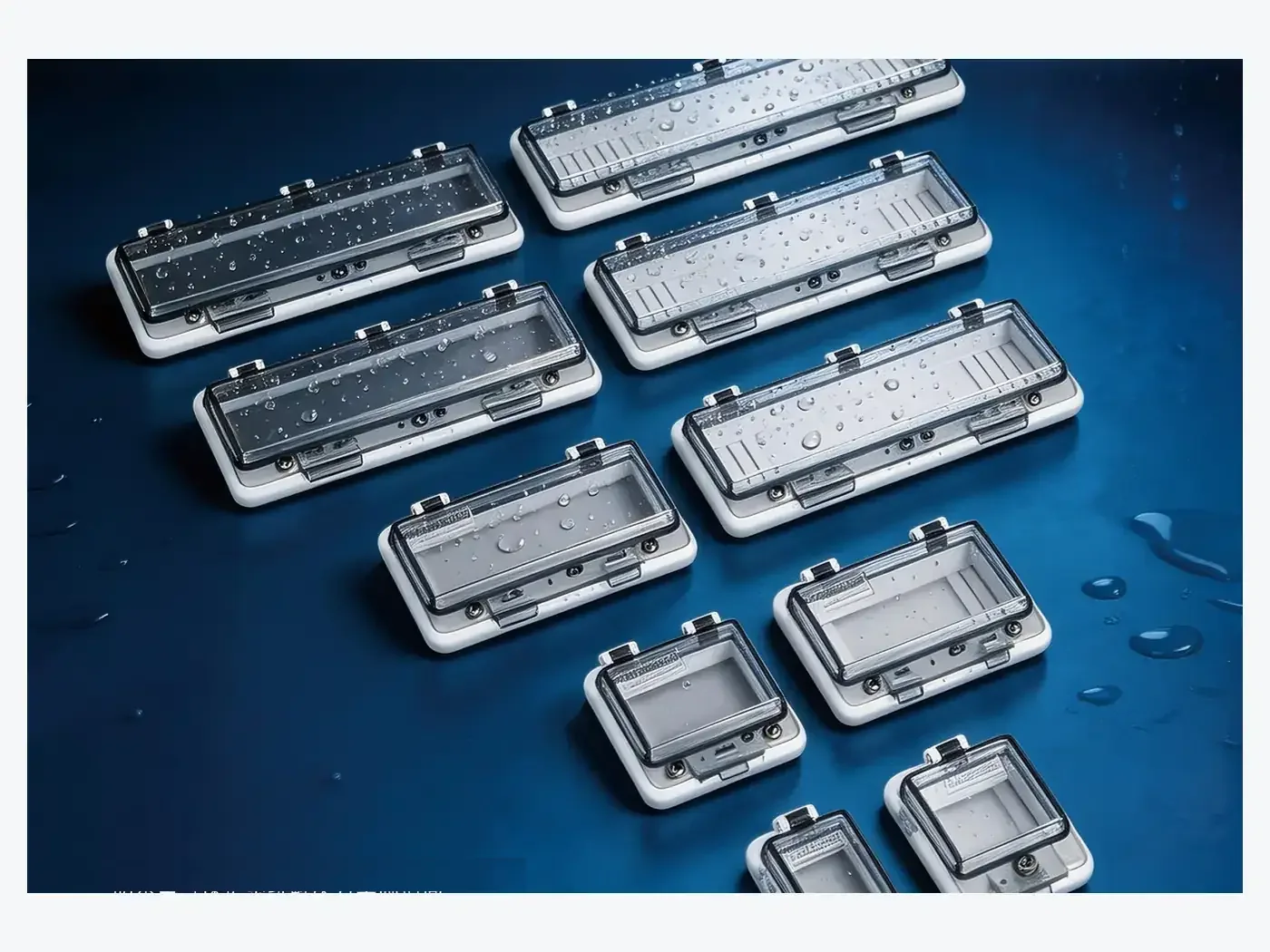
Screws, hinges and latches must compress the seal as intended. Review lid flatness, the fastening sequence and whether wires or internal components interfere with full closure. Request the manufacturer's installation instructions rather than inventing a universal torque value. If technicians will reopen the housing frequently, include repeat-opening and reassembly checks in the project acceptance plan.
03 / Freeze cable-entry details before CNC machining
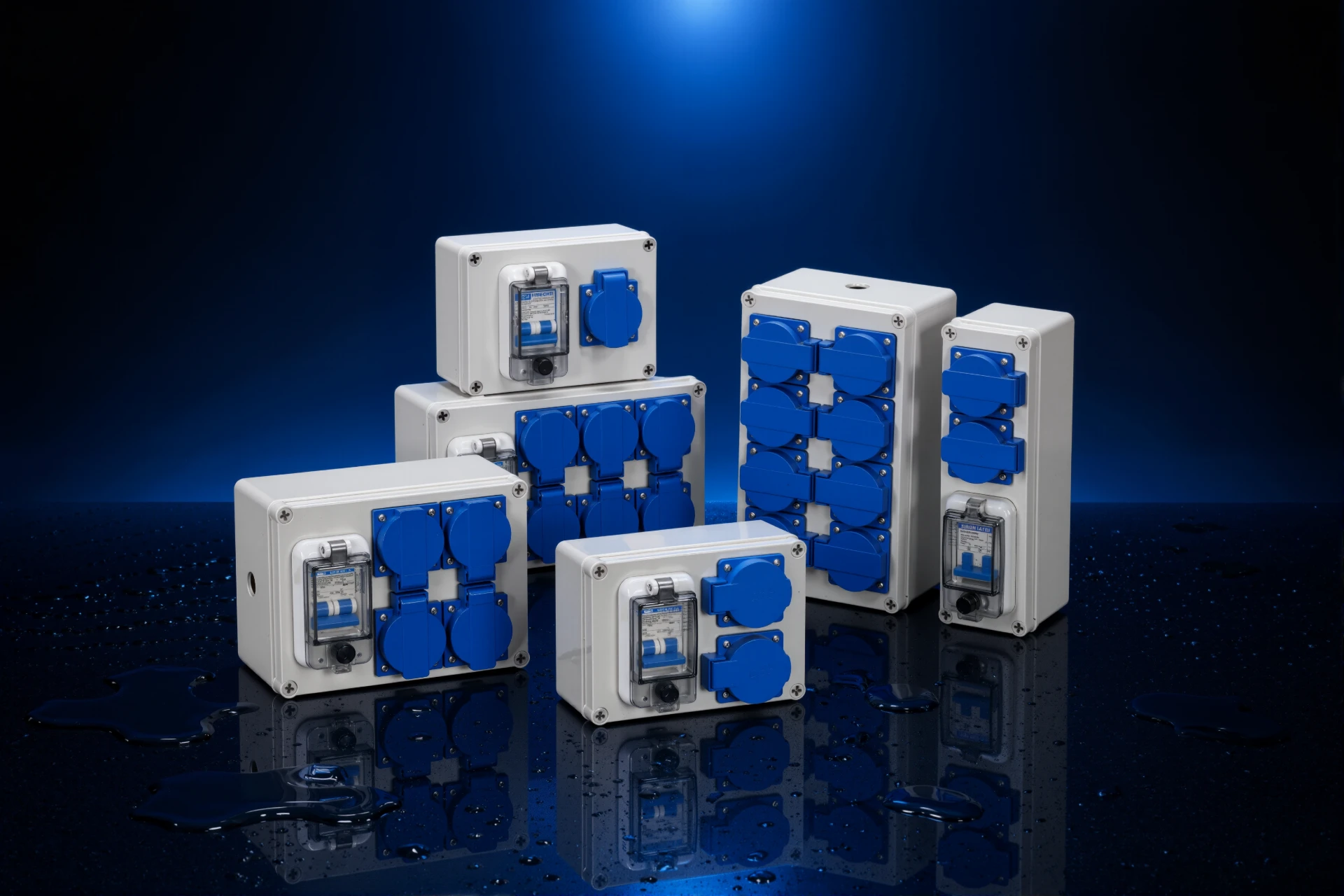
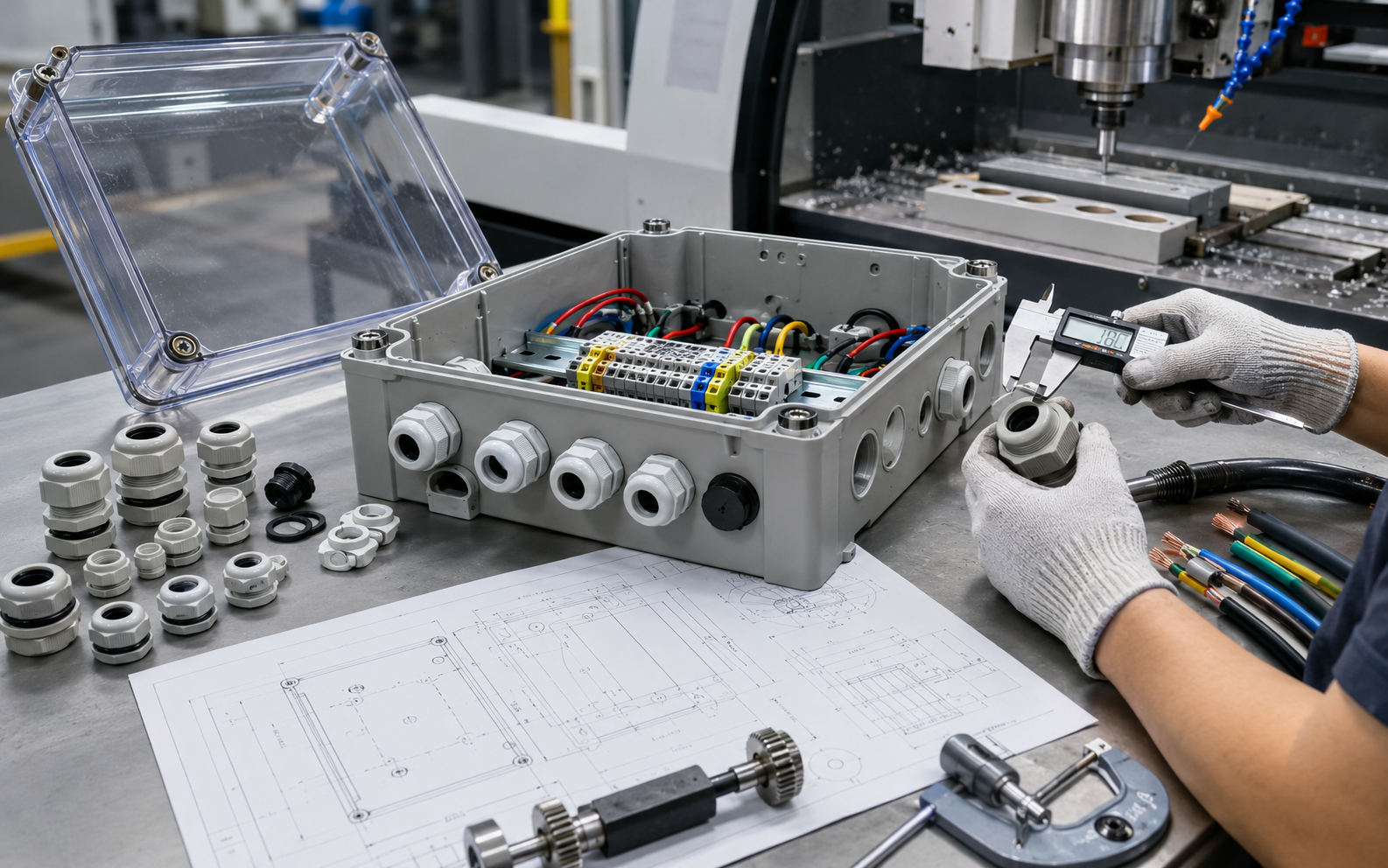
A drawing should show hole quantity, diameter, centre positions, gland or connector part numbers, cable outside diameters, wall clearances and unused-entry plugs. Confirm each gland's approved cable range and sealing washer. A precise cut is not sufficient if the chosen fitting cannot seal against the wall or cable. Ask who installs the glands and who is responsible for verifying the completed assembly.
04 / Evaluate condensation and internal temperature separately
Daily heating and cooling can create internal moisture even where external water ingress is controlled. Check site humidity, enclosure orientation, heat generated by installed components and the lowest anticipated ambient temperature. A breather or drain may help particular designs, but drilling a vent port or adding a drain does not automatically retain an IP rating: assess the component, position and complete assembly together. For circuit breakers, use the device manufacturer's thermal-derating and spacing instructions—not one universal gap or temperature estimate.
05 / Match body, cover and latch materials to the installation
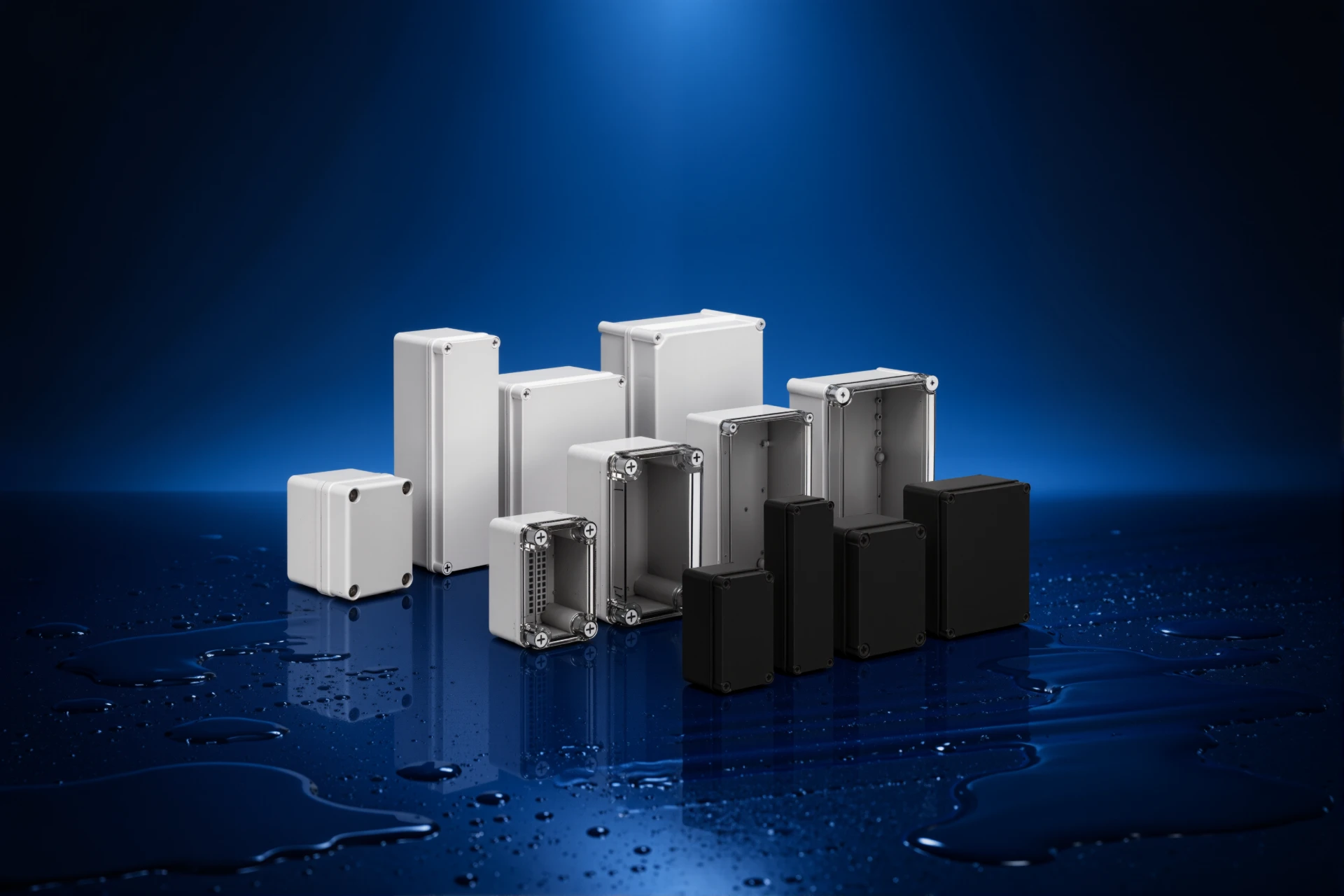
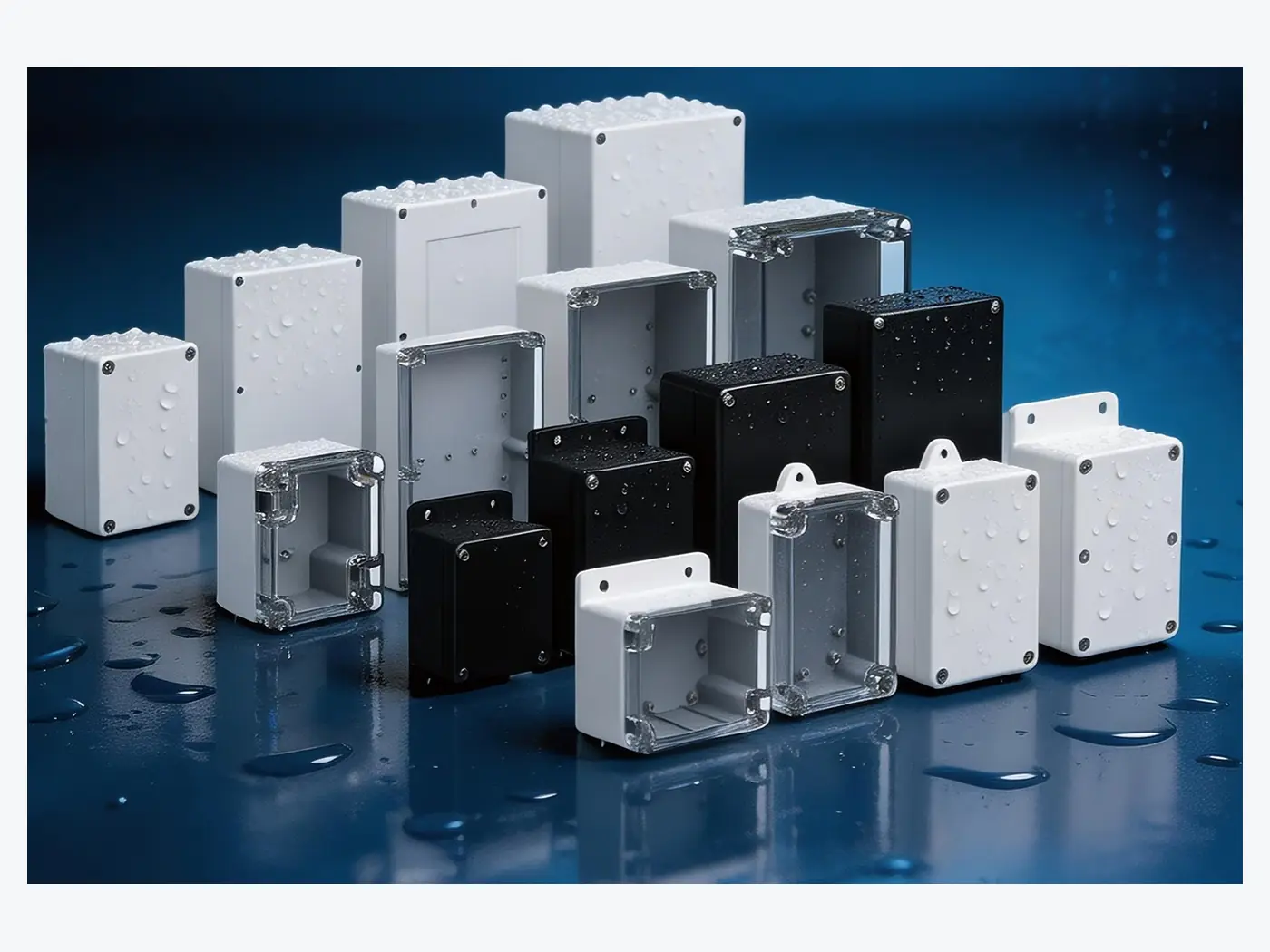
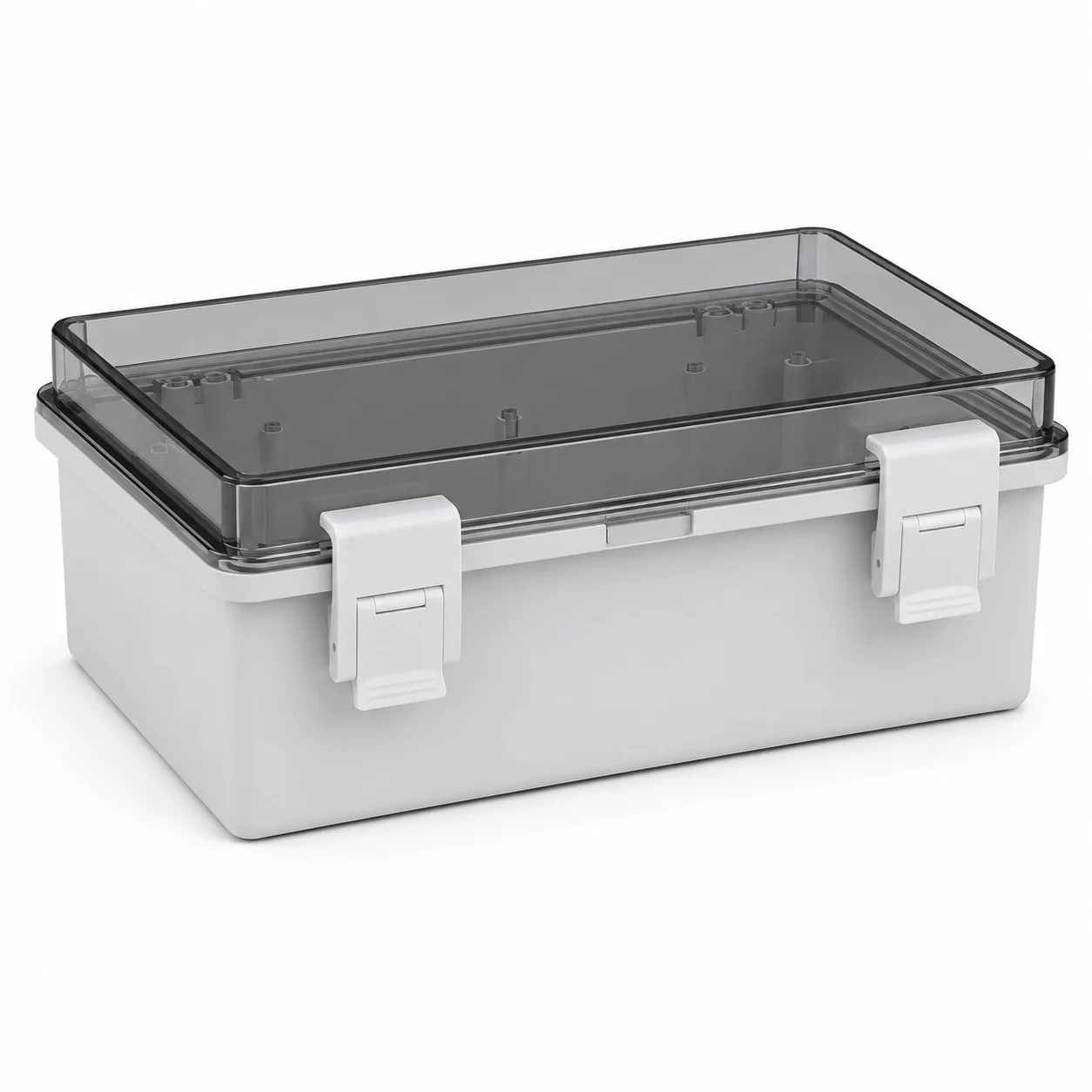
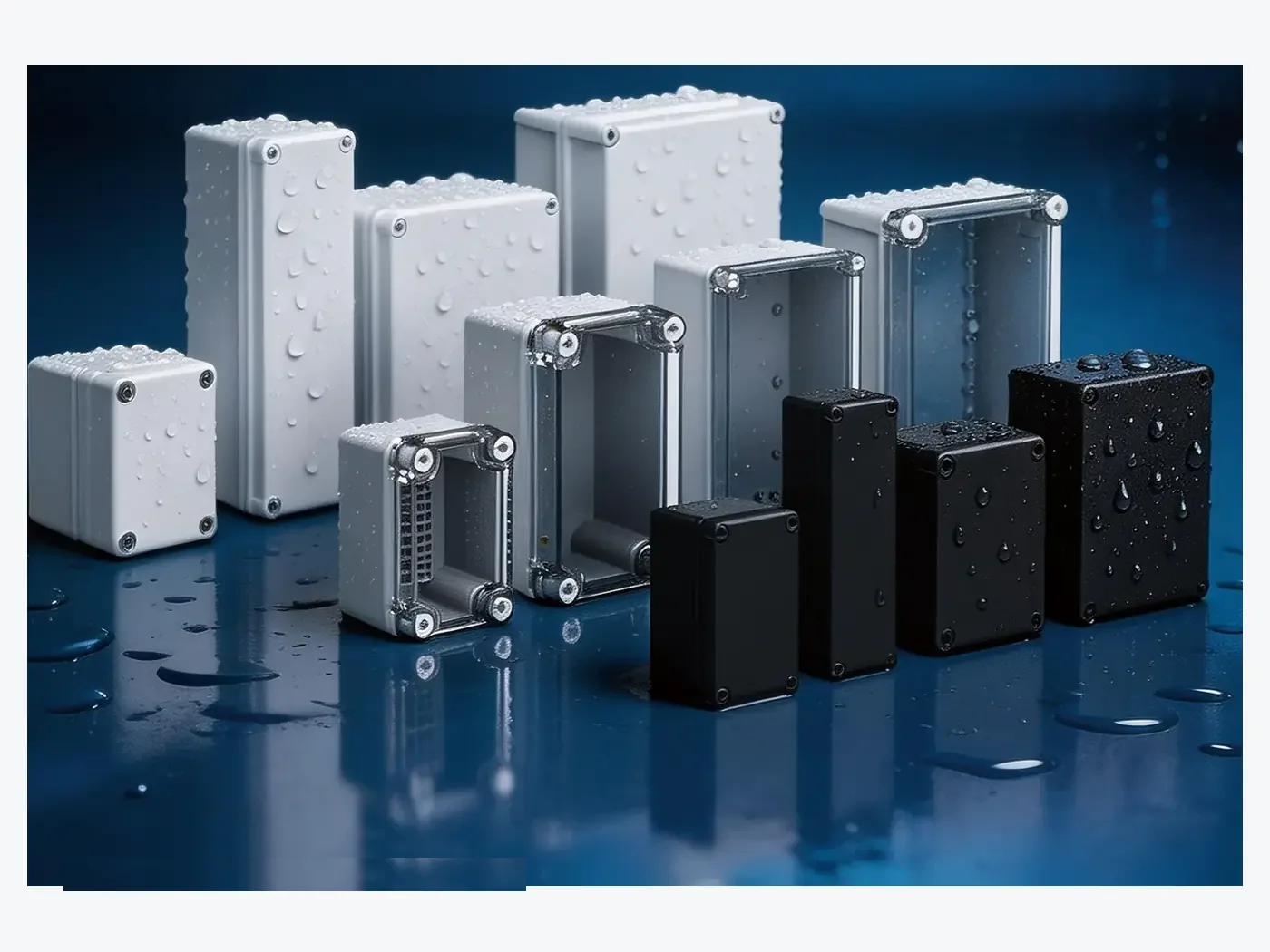
BOWO lists ABS enclosures and optional PC covers for selected products. Request the actual formulation and relevant UV, chemical, impact and temperature information when those factors matter. A transparent PC cover is an option on certain models; it is not evidence that every box is UV-stabilized. Compare metal and plastic latches by the selected product's documented specification, maintenance needs and local environment rather than assuming a material is universally superior. For environment-driven selection, see which enclosure family suits coastal, high-UV, washdown and chemical sites.
06 / Agree the prototype and production verification route
CNC machining may suit an initial drawing revision; repeat orders may justify tooling changes after design and volume review. Neither a fixed order-quantity threshold nor a universal cost reduction applies to every project. Before approving production, agree on a sample, dimensional inspection points, assembly responsibility, applicable ingress verification, change control and the documents to accompany shipment.
Ask for the product code, drawing revision and test-report configuration to be tied to the same ordered assembly. A test report for an unmodified housing should not be presented as proof that an independently drilled and fitted assembly has been verified.
Which BOWO product page should buyers review?
These are distinct published examples, not interchangeable IP ratings. Open the product page and confirm the exact size, options and available documents with BOWO before specifying a project.
| Published example | Page-listed configuration | Useful next question |
|---|---|---|
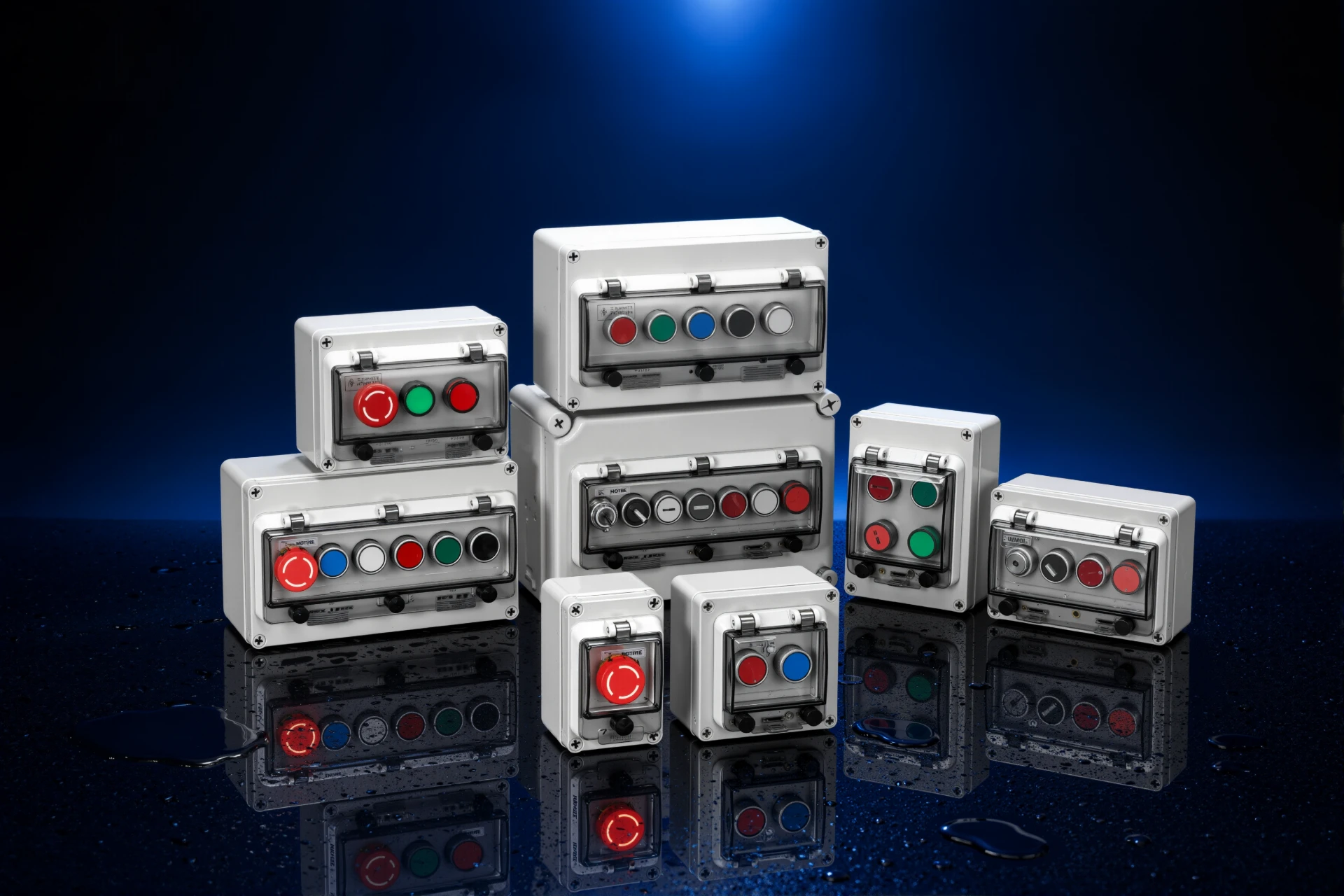
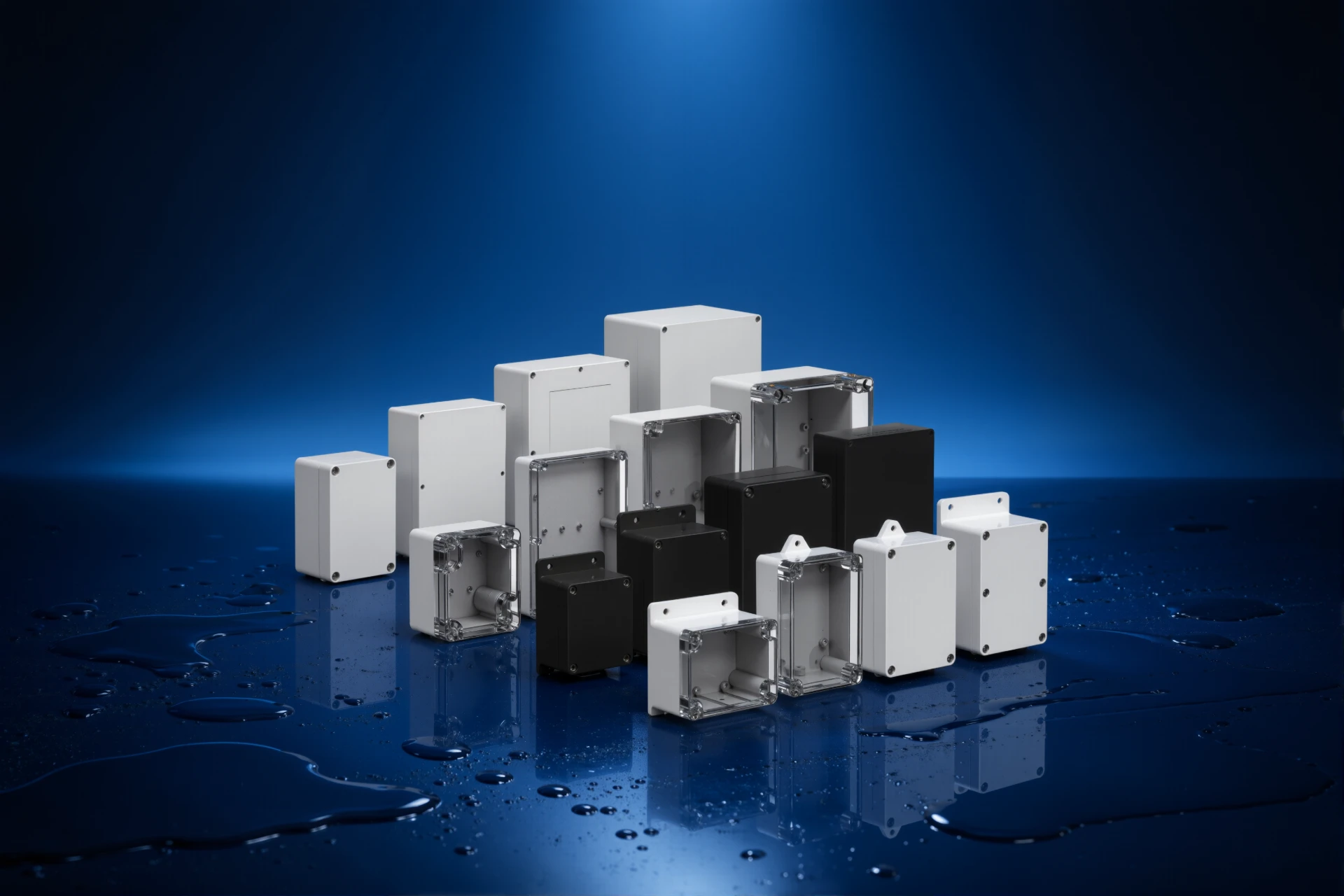
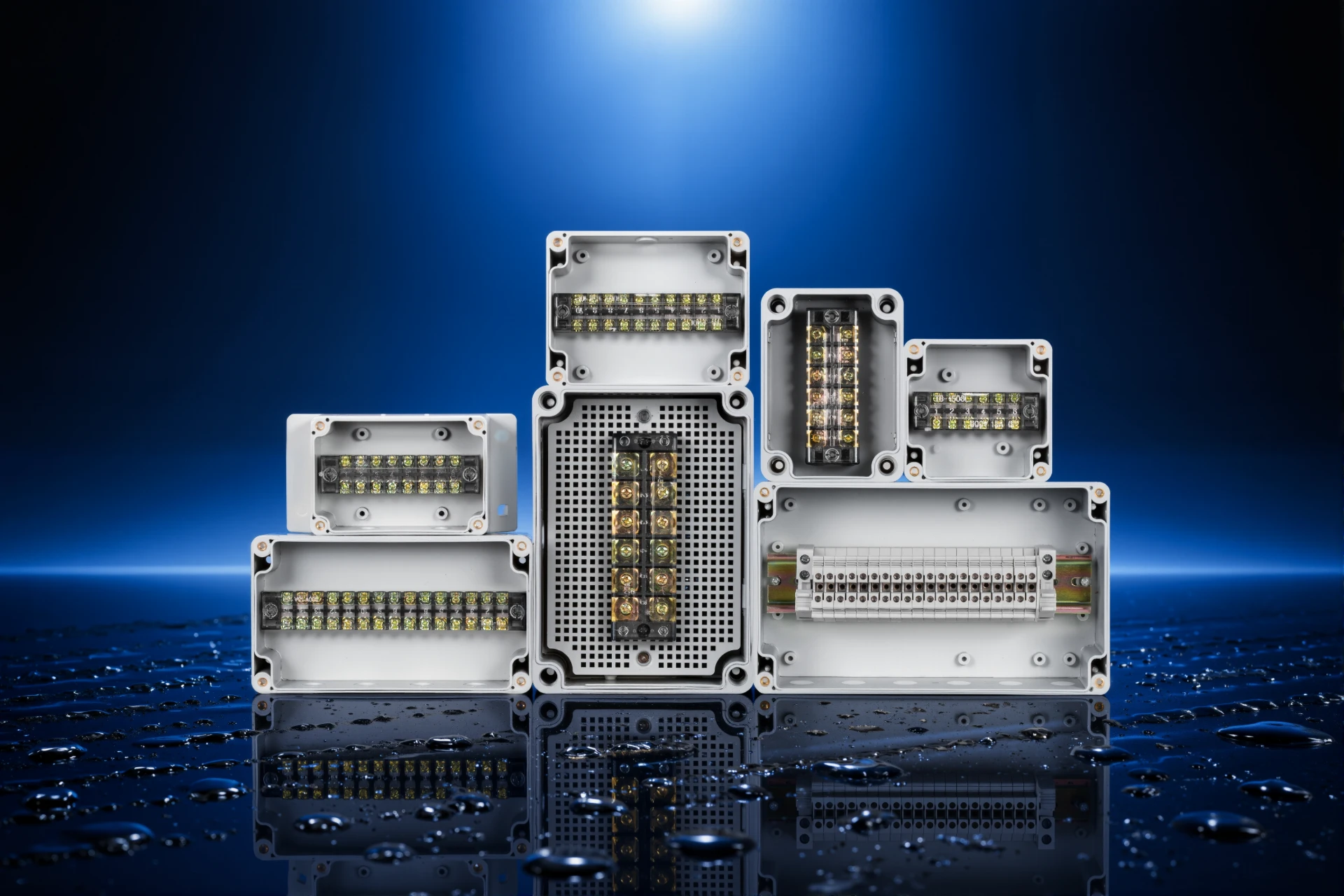
| AG screw-cover junction box | IP67 in product title; ABS, optional PC upper cover. | Which AG size and cable-entry configuration does the documentation cover? |
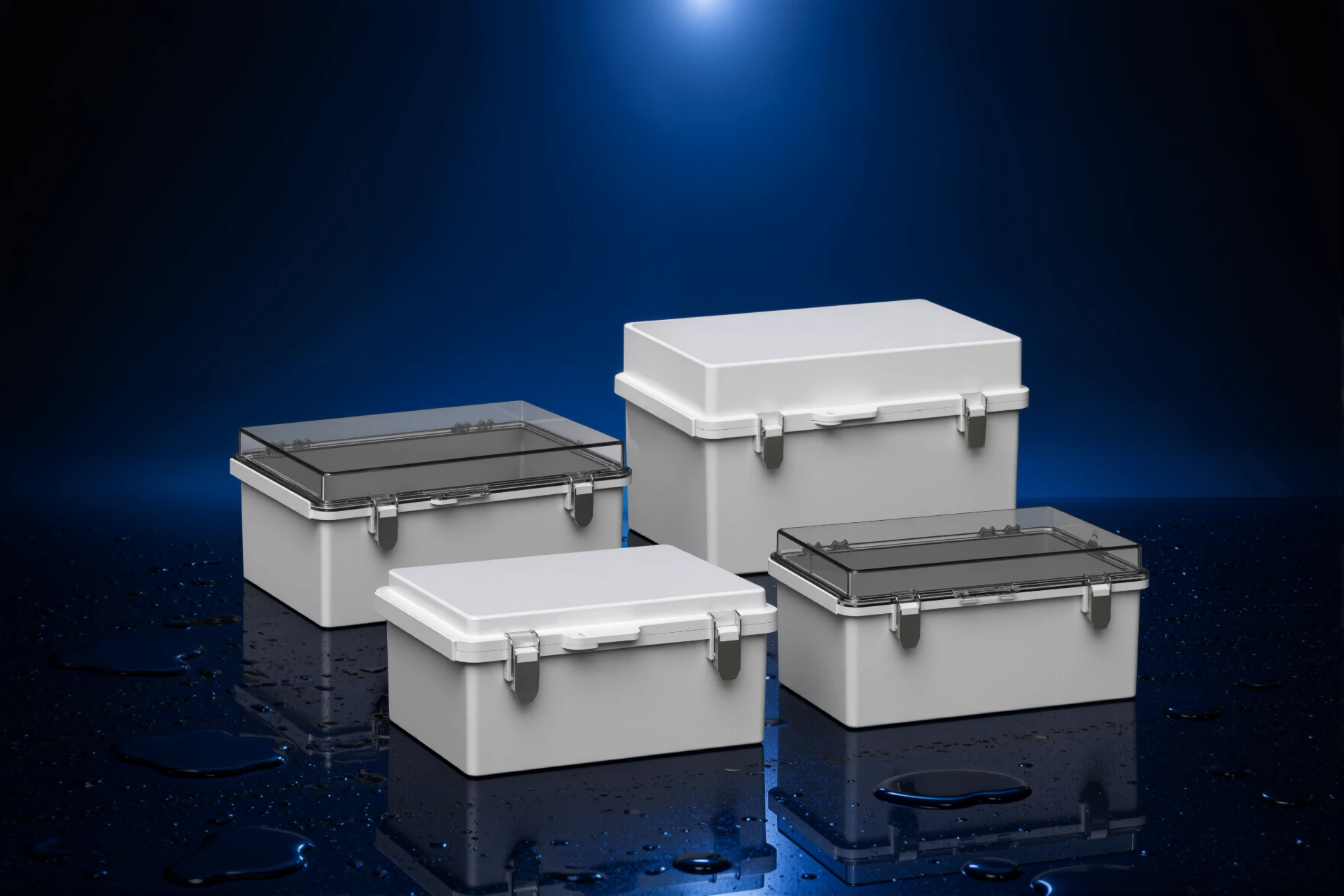
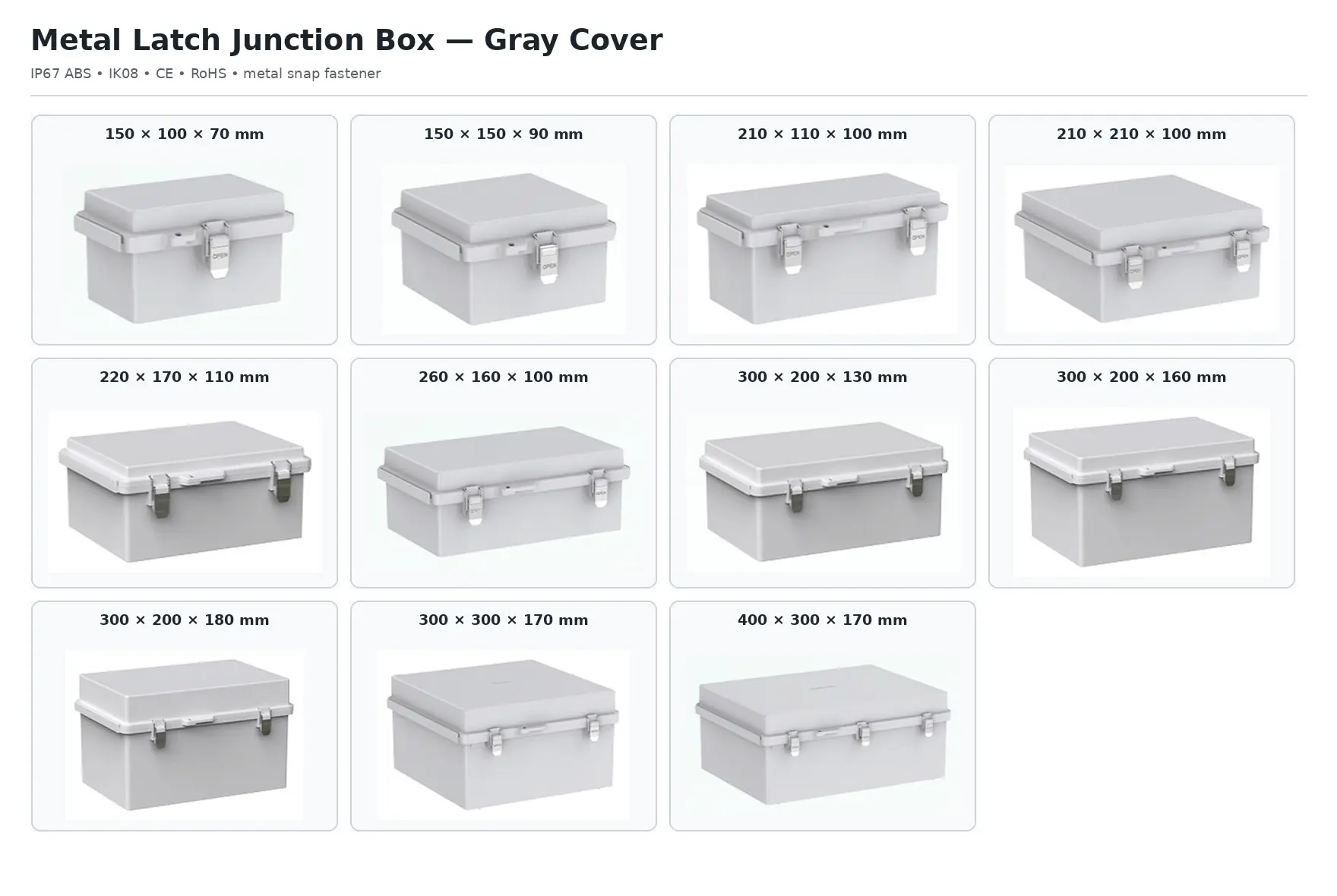
| Metal-latch hinged box | IP66 in product title; ABS, optional PC upper cover. | What closure and sealing instructions apply to the chosen DK size? |
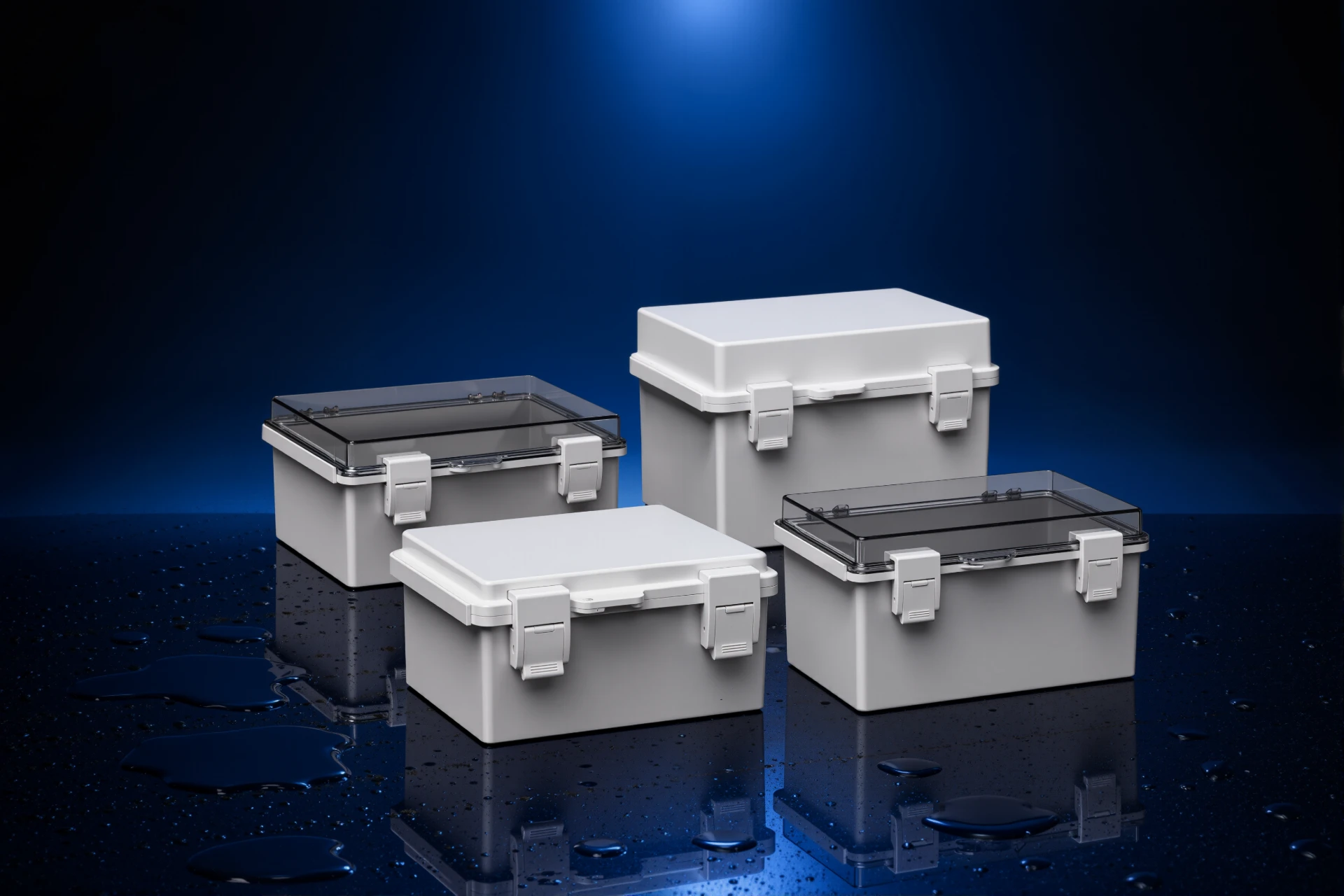
| Plastic snap-fastener box | Product page lists IP67, ABS and gray/transparent covers. | Which cover and machining options are covered for this order? |
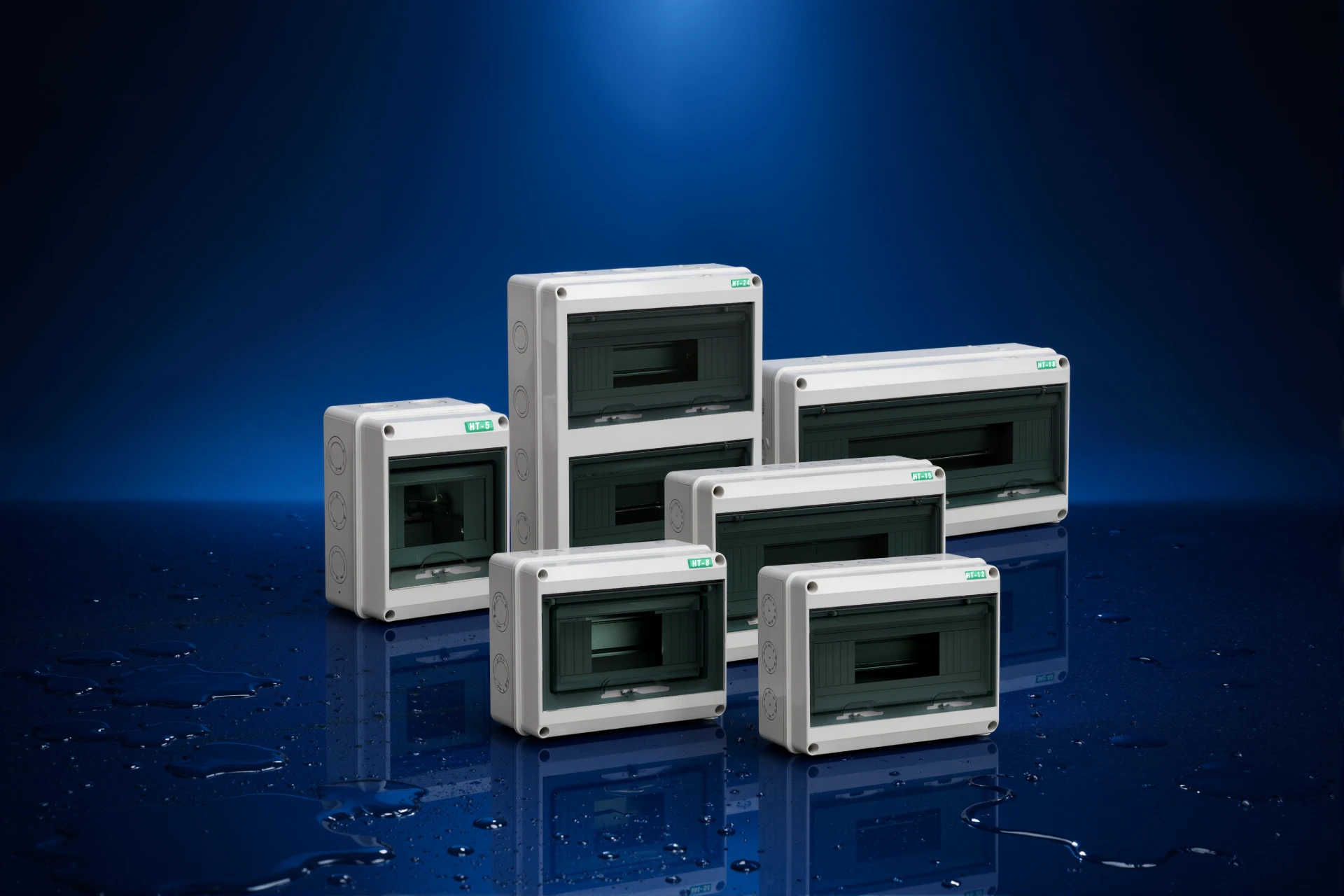
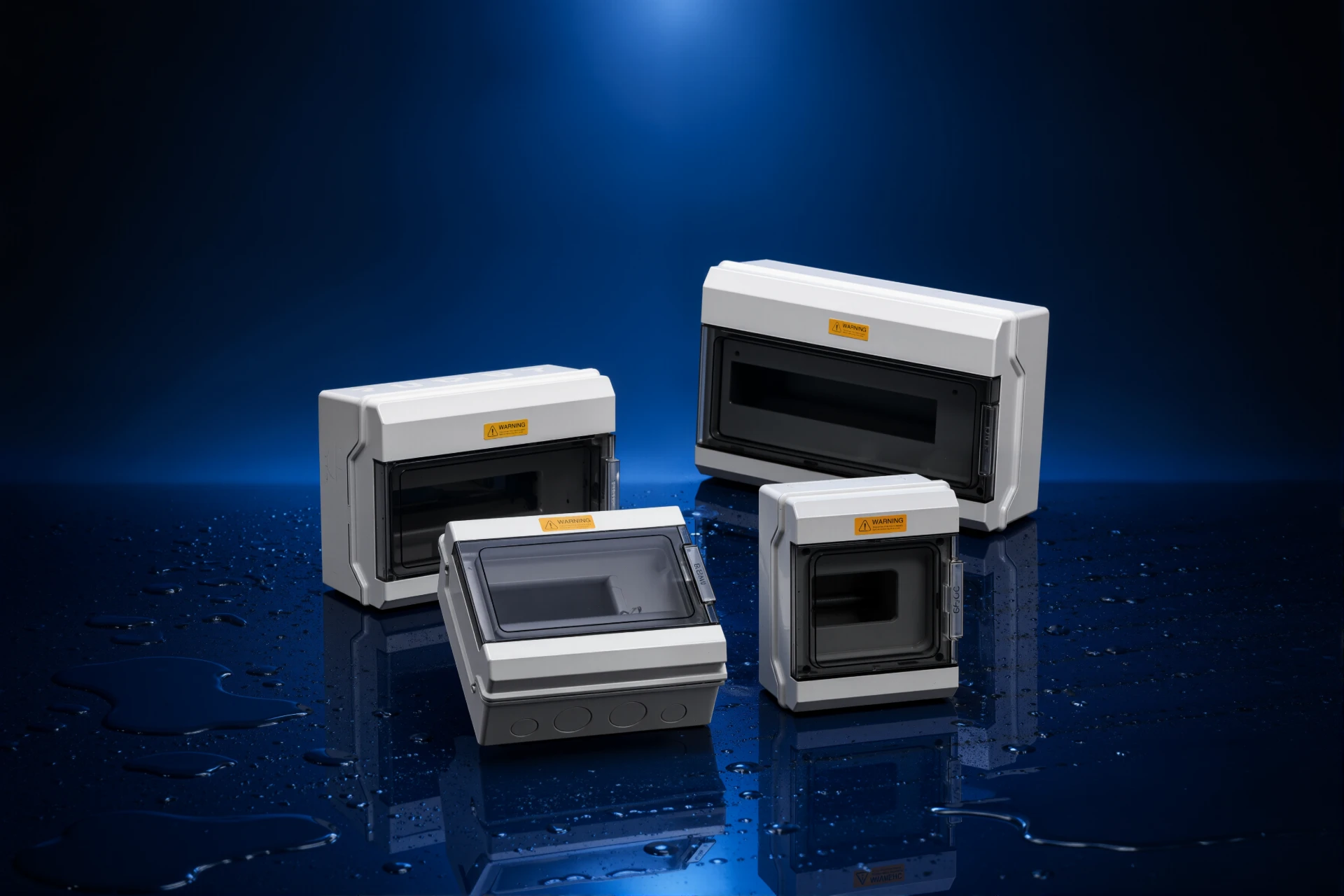
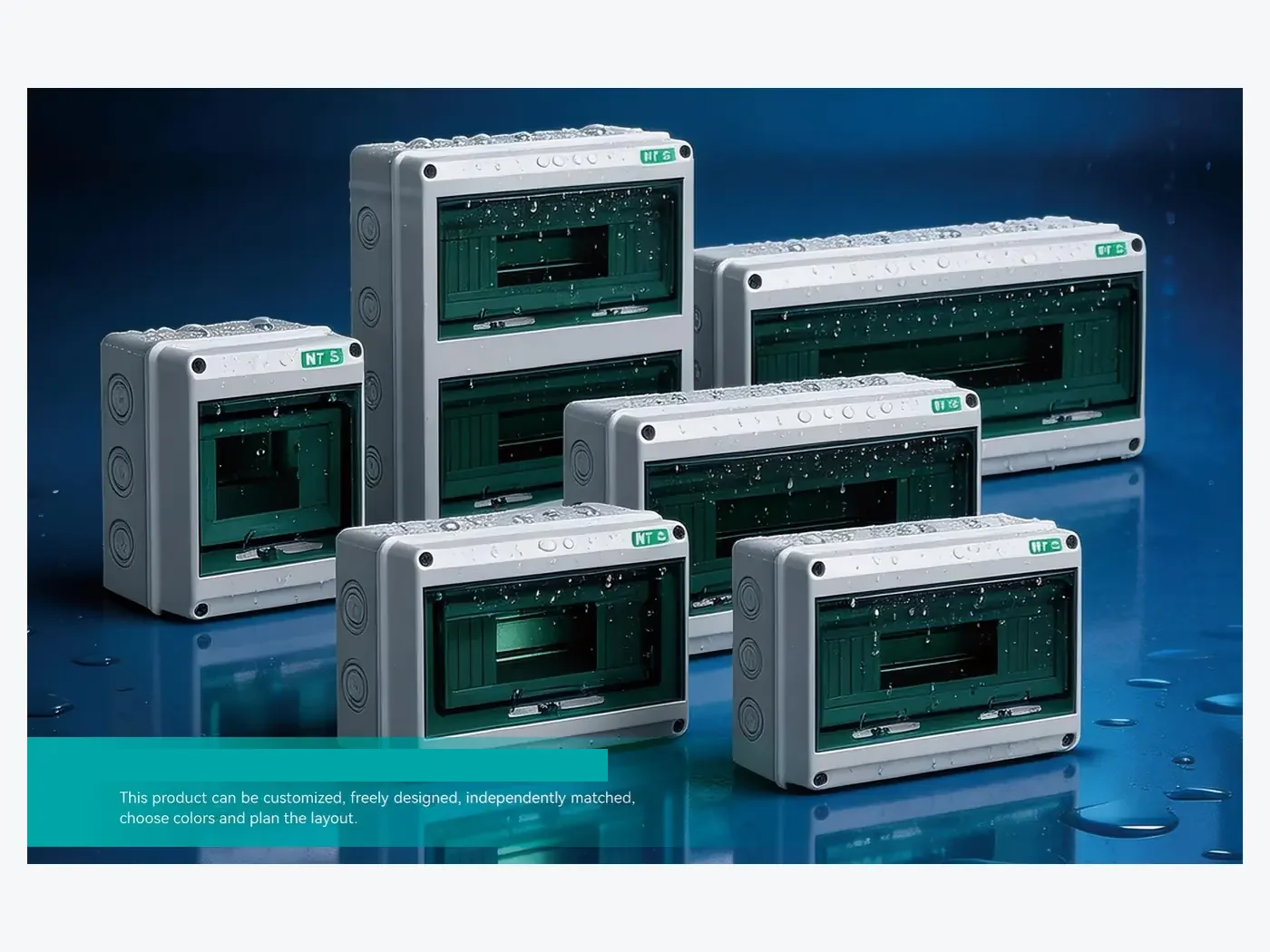
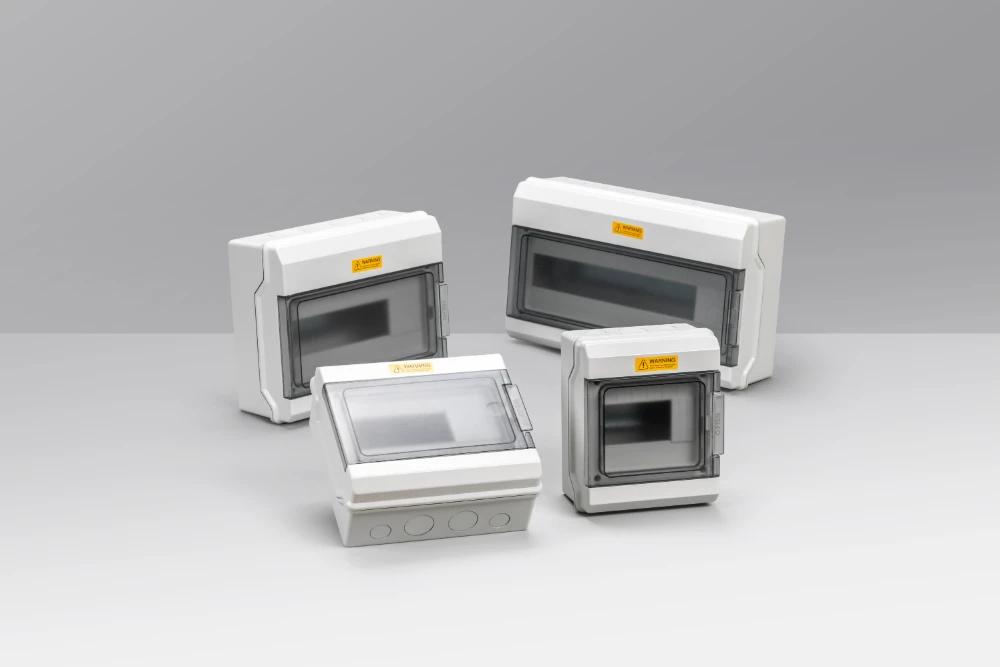
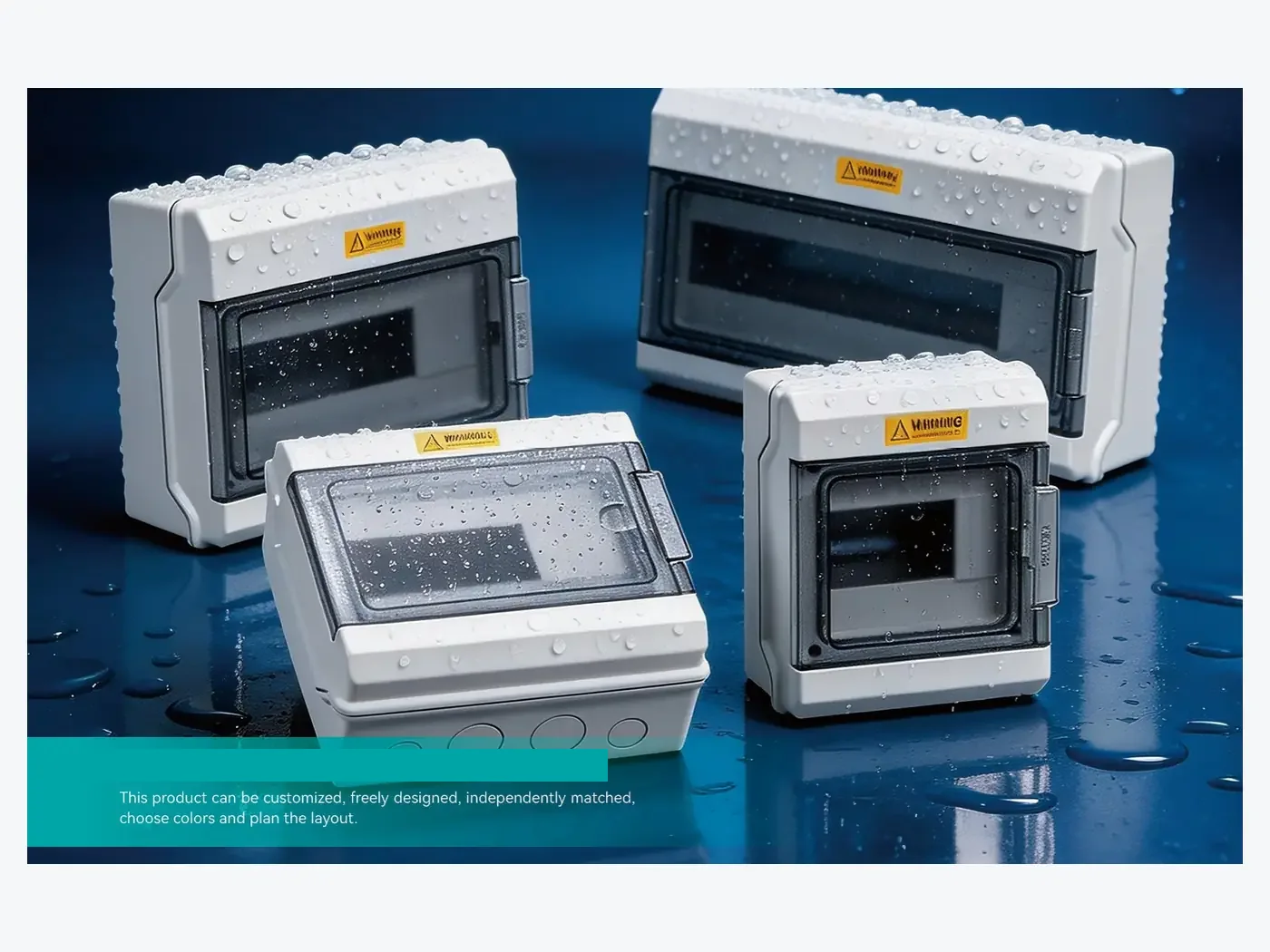
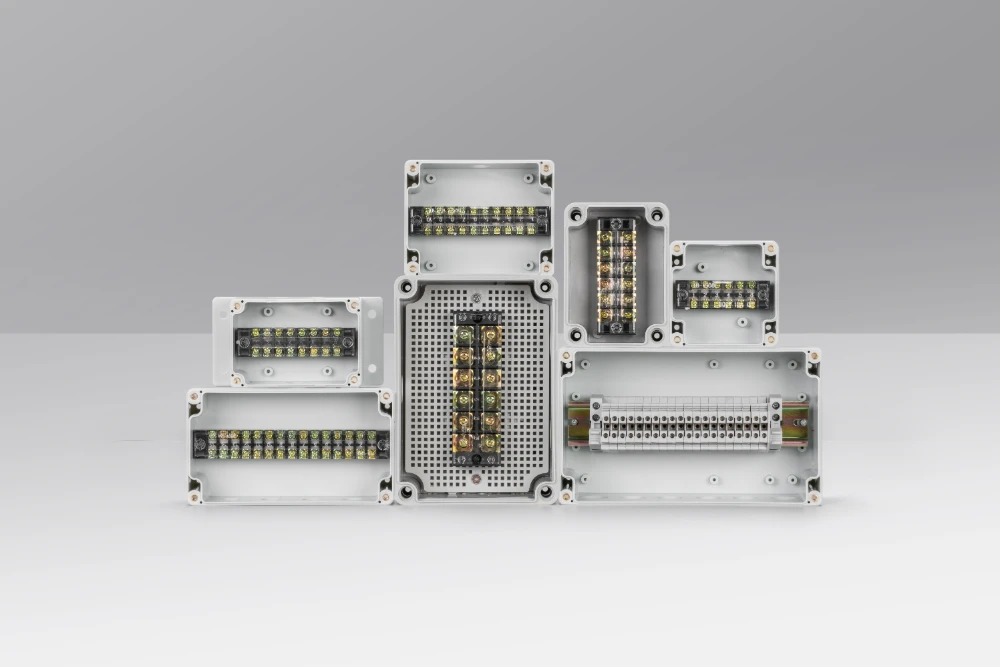
| HTC distribution box | IP65 in product title; ABS body and PC transparent cover. | Does IP65 suit the exposure, and what are the DIN-rail layout requirements? |
Copy this RFQ checklist into your project enquiry
| Send to the supplier | Why it changes the quotation or approval |
|---|---|
| Installation location and expected water exposure | Defines whether jet, immersion or other verification is required. |
| Model, external dimensions and usable internal space | Connects the request to a specific housing and component layout. |
| STEP/2D drawing and hole schedule | Defines machining, gland clearance and revision control. |
| Cable OD, gland/connector models and unused entries | Defines the complete entry seal—not only the hole diameter. |
| Annual quantity, first-batch quantity and delivery destination | Allows a project-specific CNC/tooling and lead-time discussion. |
| Required reports, assembly responsibilities and sample approval | Prevents a standard-box report from being mistaken for assembled-system evidence. |
Questions OEM teams commonly ask
Does IP67 automatically include IP66?
No. Temporary immersion and powerful water jets are different IEC 60529 water tests. Request documented evidence for each required exposure.
Does adding a CNC cable hole preserve the original enclosure rating?
Not automatically. Verify the final opening, gland, gasket, cover and assembled configuration against the project requirement.
What should be supplied before BOWO prepares a customized quotation?
Provide the selected model or target dimensions, application environment, drawing and entry schedule, cable and gland data, forecast quantity, and documentation requirements. BOWO can then discuss manufacturing and product options for the specific project.
TURN THIS CHECKLIST INTO A PROJECT DRAWING
Request a model-and-configuration review
Send BOWO your enclosure drawing, exposure requirements, cable-entry schedule and planned order volume. Ask for the applicable product specifications and model-specific test information before approving the assembly.