
Screw-Fixed vs Plastic Latch vs Metal Latch Waterproof Junction Boxes: Which Enclosure Fits Your Equipment?
Contents ▴
For equipment manufacturers, the difference between a screw-fixed waterproof junction box and a latch enclosure is not mainly appearance. The closure structure changes how the enclosure is opened, serviced, wired and repeated across production equipment.
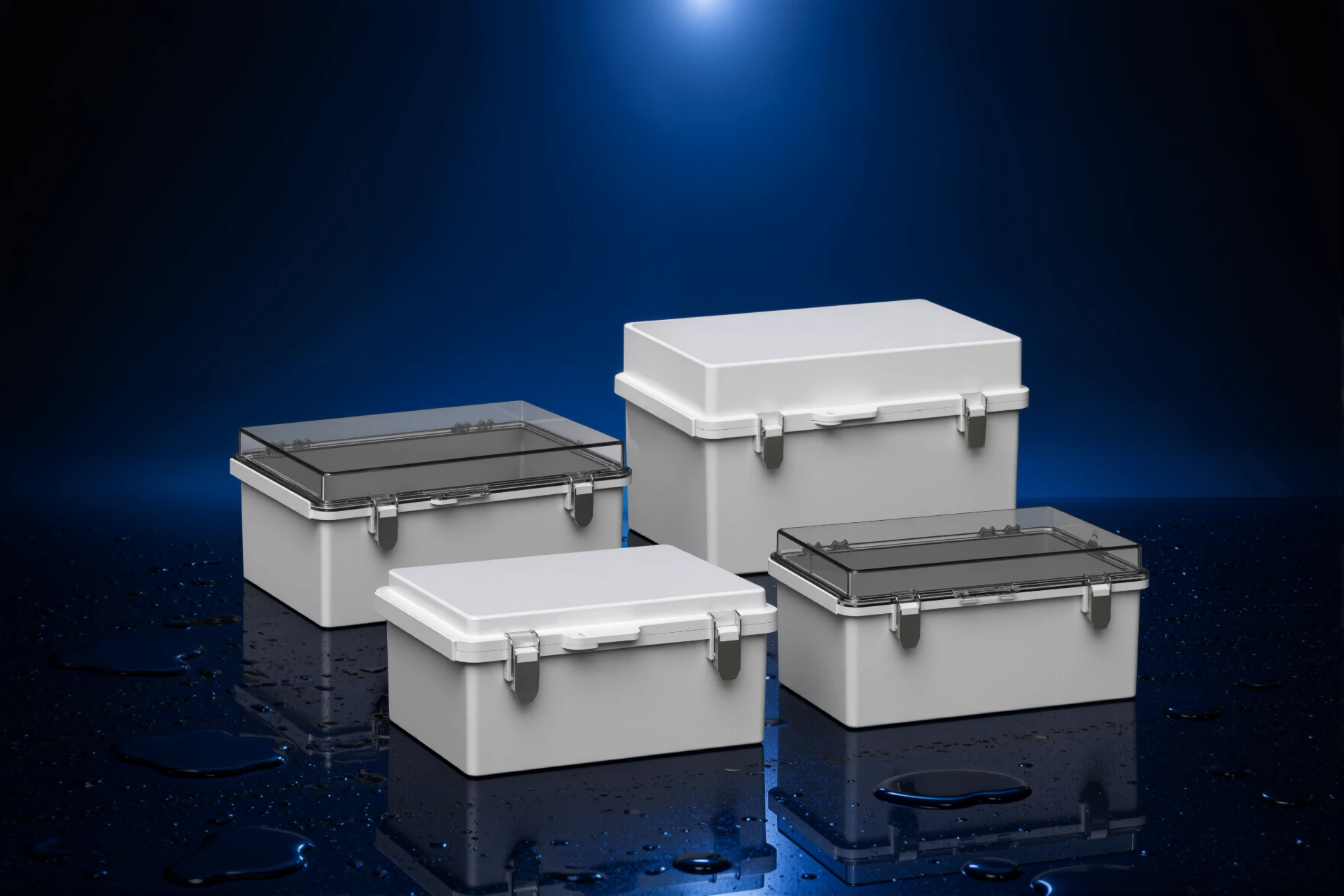
Within BOWO's enclosure range, the F Series, Plastic Latch Series and Metal Latch Series can all be used for protected electrical installations, but they are not interchangeable. The better choice depends on how often technicians need access, how much internal wiring is installed, where cable openings are required and whether the enclosure is expected to remain closed throughout normal machine operation.
We compare the three series below from an OEM project perspective rather than simply comparing catalogue specifications.
The Main Difference Is Access, Not Just the IP Rating
It is easy to compare waterproof junction boxes only by dimensions and IP ratings. In actual equipment projects, however, the closure method often has a greater effect on installation and maintenance.
A screw-fixed cover is appropriate when the enclosure is wired, closed and then rarely reopened. A latch enclosure becomes more useful when technicians need repeated access for inspection, wiring adjustment or component replacement.
This is why we would not recommend choosing between the F Series, Plastic Latch Series and Metal Latch Series from the IP value alone.
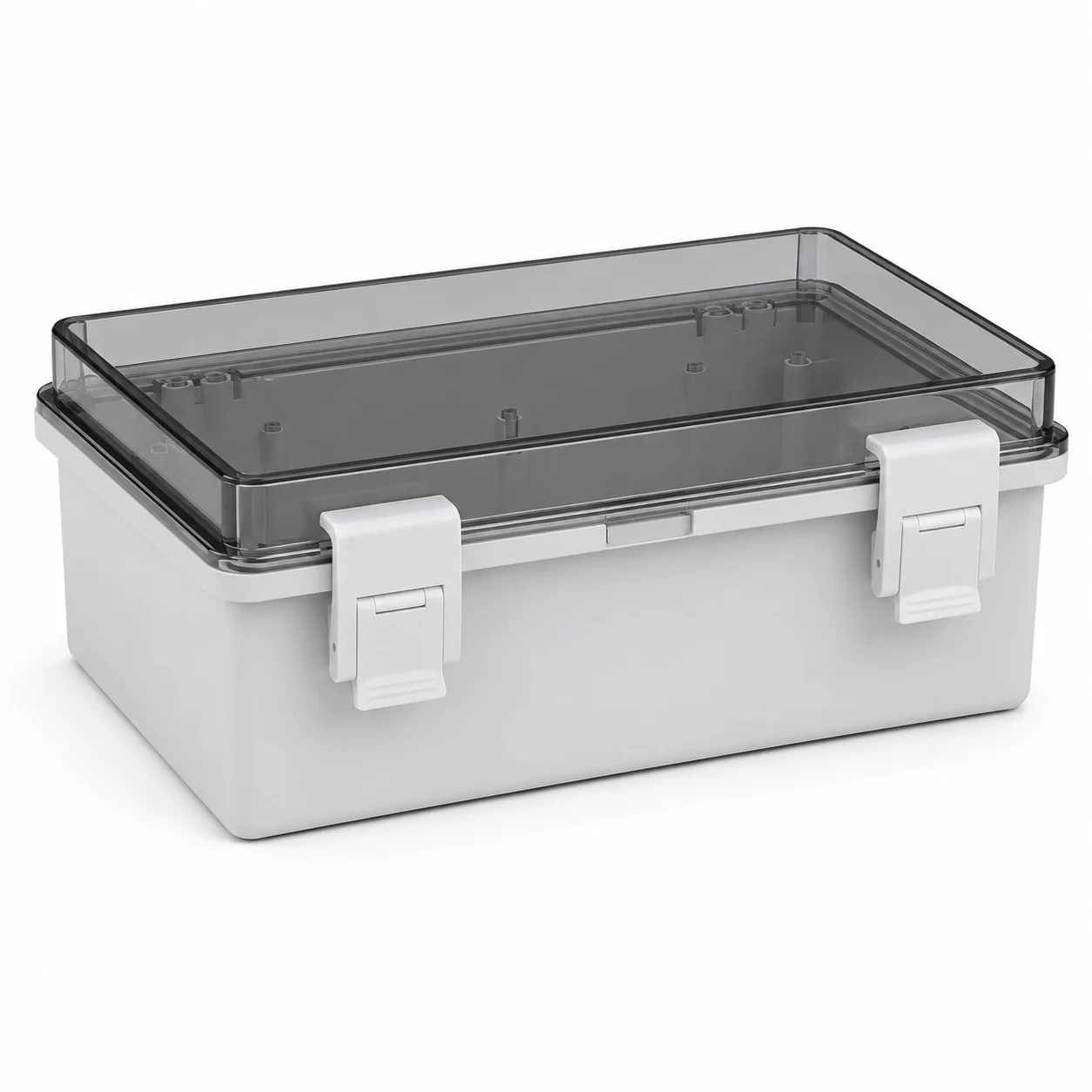
| Project Factor | F Series | Plastic Latch Series | Metal Latch Series |
|---|---|---|---|
| Closure type | Screw-fixed cover | Plastic latch | Metal latch |
| Enclosure body | ABS | ABS | ABS |
| Protection level | IP66 | IP67 | Use the rating specified for the selected model |
| Access frequency | Low to moderate | Moderate to frequent | Moderate to frequent |
| Opening method | Remove cover screws | Release plastic latches | Release metal latches |
| Typical project fit | Fixed equipment wiring | Equipment requiring repeated access | Equipment requiring repeated access with metal latch closure |
| Custom openings | Available | Available | Available according to project requirements |
F Series: Better When the Enclosure Normally Stays Closed
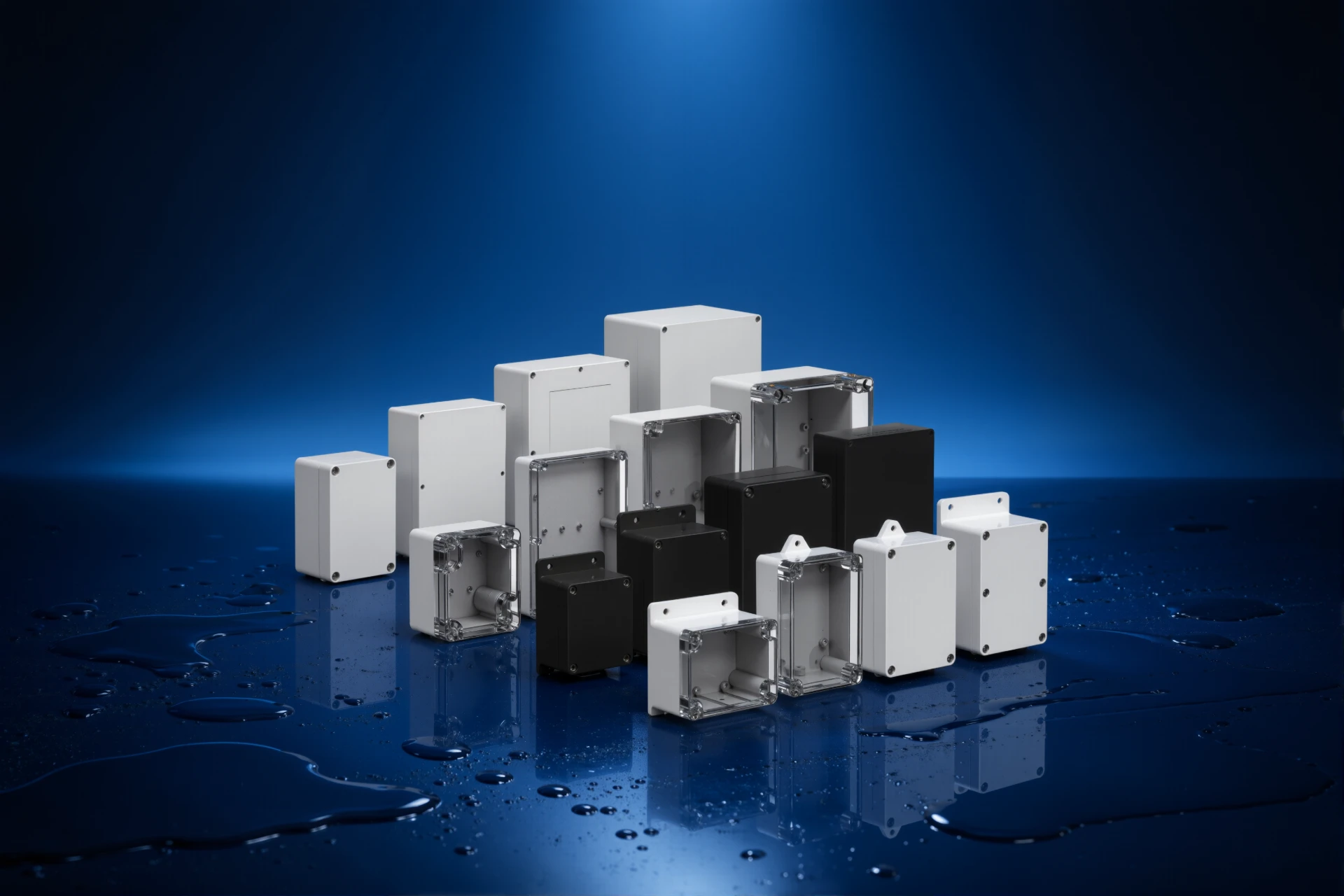
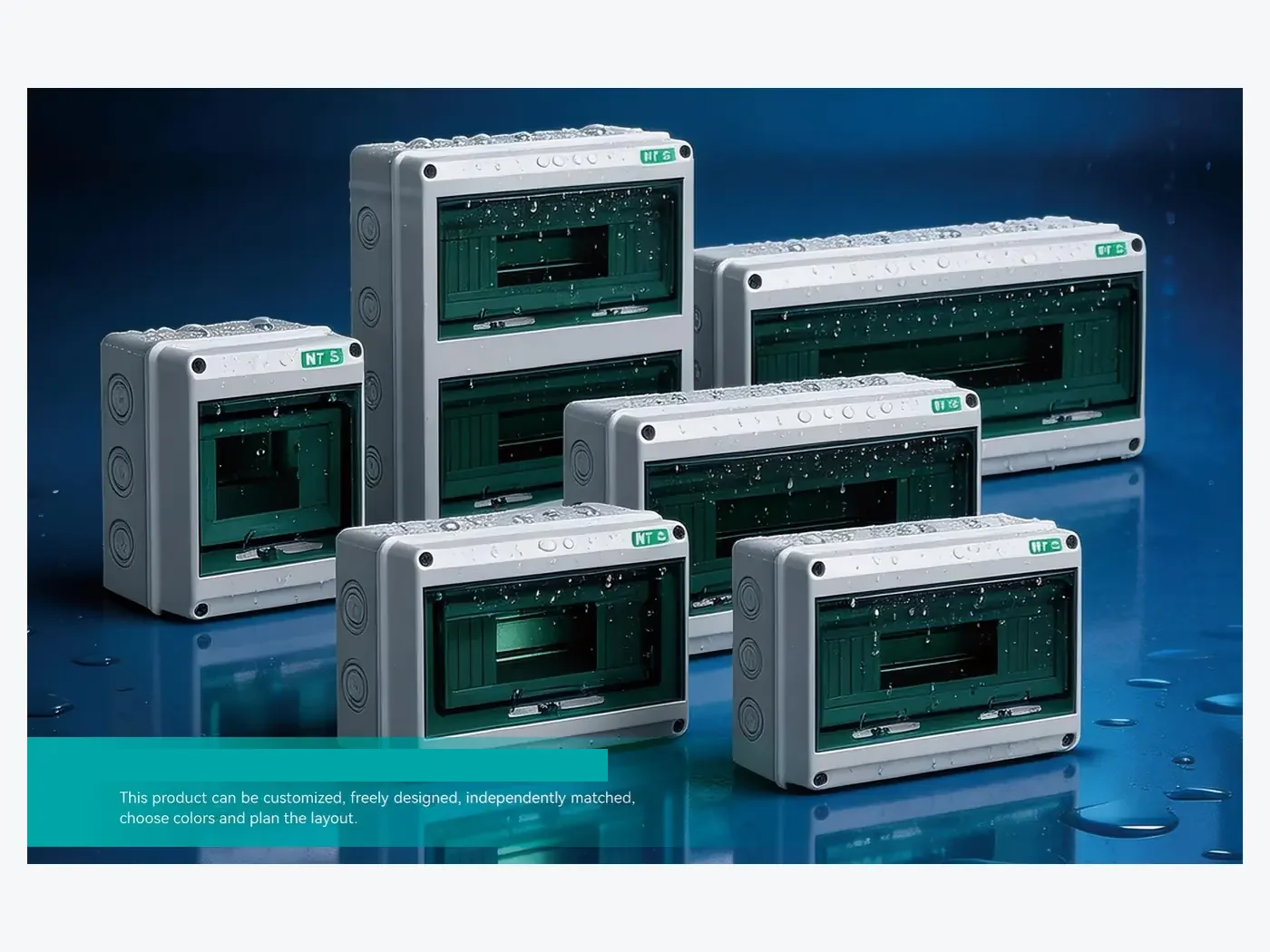
The F Series waterproof junction box is the most straightforward choice when the enclosure is mainly used as a protected wiring or component housing and frequent access is not part of normal machine operation.
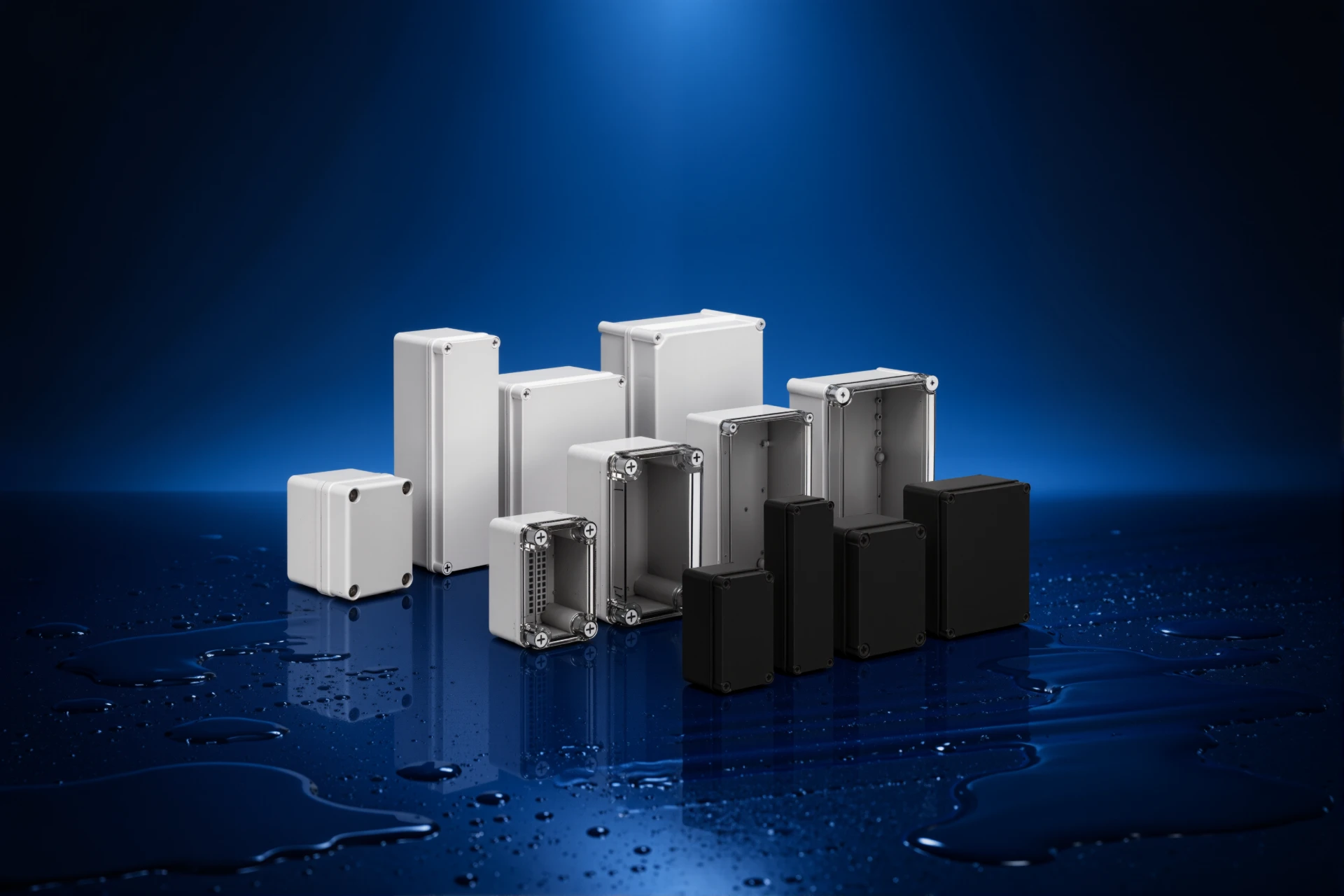
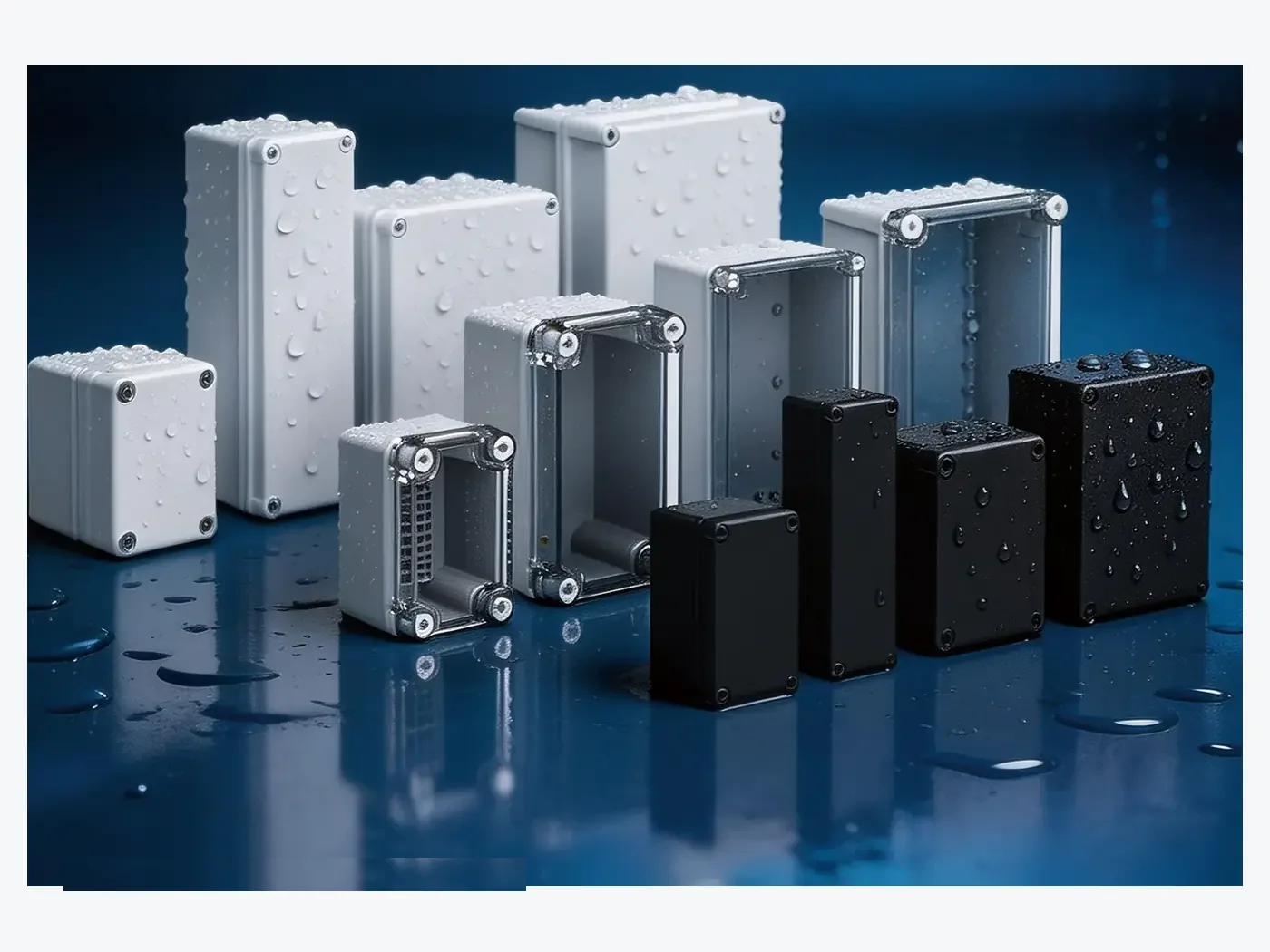
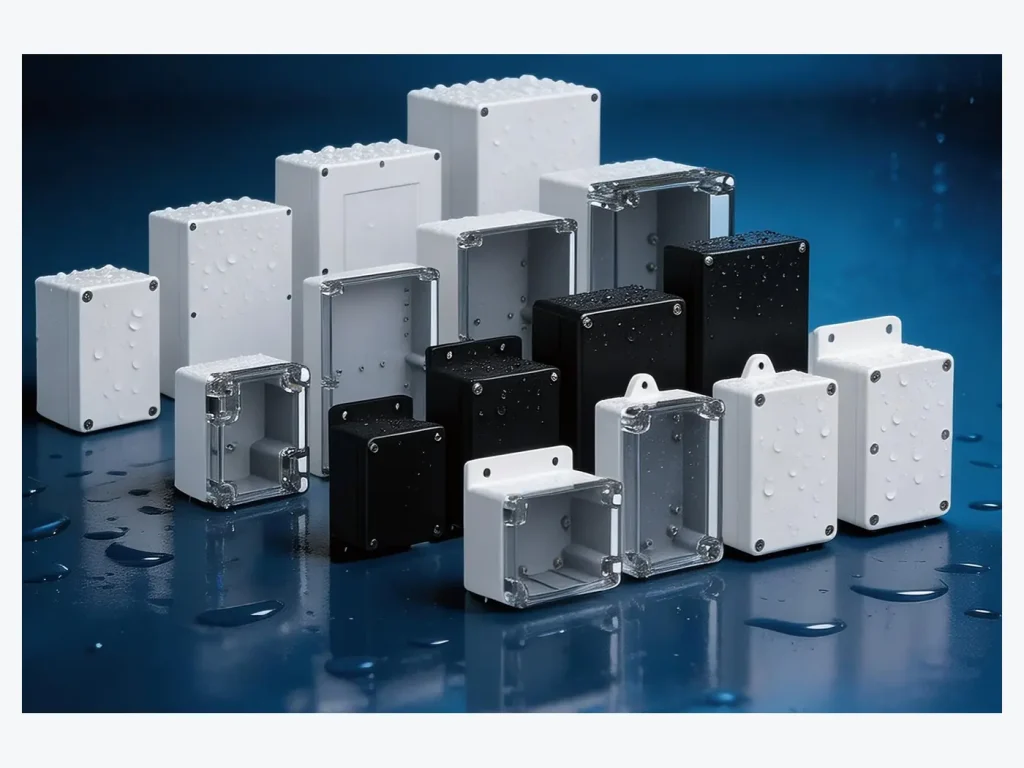
The current F Series is based on an ABS enclosure with an IP66 and IK08 specification. The range includes gray and transparent cover options, versions with or without mounting ears, multiple enclosure sizes and custom opening options.
The screw-fixed cover is useful when the main requirement is stable closure rather than fast service access. Once the internal components and cable entries have been confirmed, the cover can remain closed during normal operation.
This makes the F Series suitable for applications such as protected cable connections, compact electrical components, small control assemblies and machine wiring where technicians do not need to open the enclosure regularly.
From an OEM production perspective, this can also simplify standardization. If the same internal layout and opening drawing are used across a machine family, the enclosure can become a repeatable component rather than something that is modified separately during each machine build.
We would normally choose the F Series when the enclosure is expected to remain closed during normal operation and frequent latch access is not required.
Where the F Series Becomes Less Convenient
The same screw-fixed structure that works well for a normally closed enclosure becomes less convenient if maintenance teams have to open it repeatedly.
For example, if field wiring needs regular adjustment or components inside the enclosure are inspected during scheduled maintenance, technicians must repeatedly remove and reinstall the cover screws.
This does not make the F Series unsuitable as a waterproof electrical junction box. It simply means that the closure method may not match the maintenance pattern of that particular machine.
Plastic Latch Series: Better for Repeated Maintenance Access
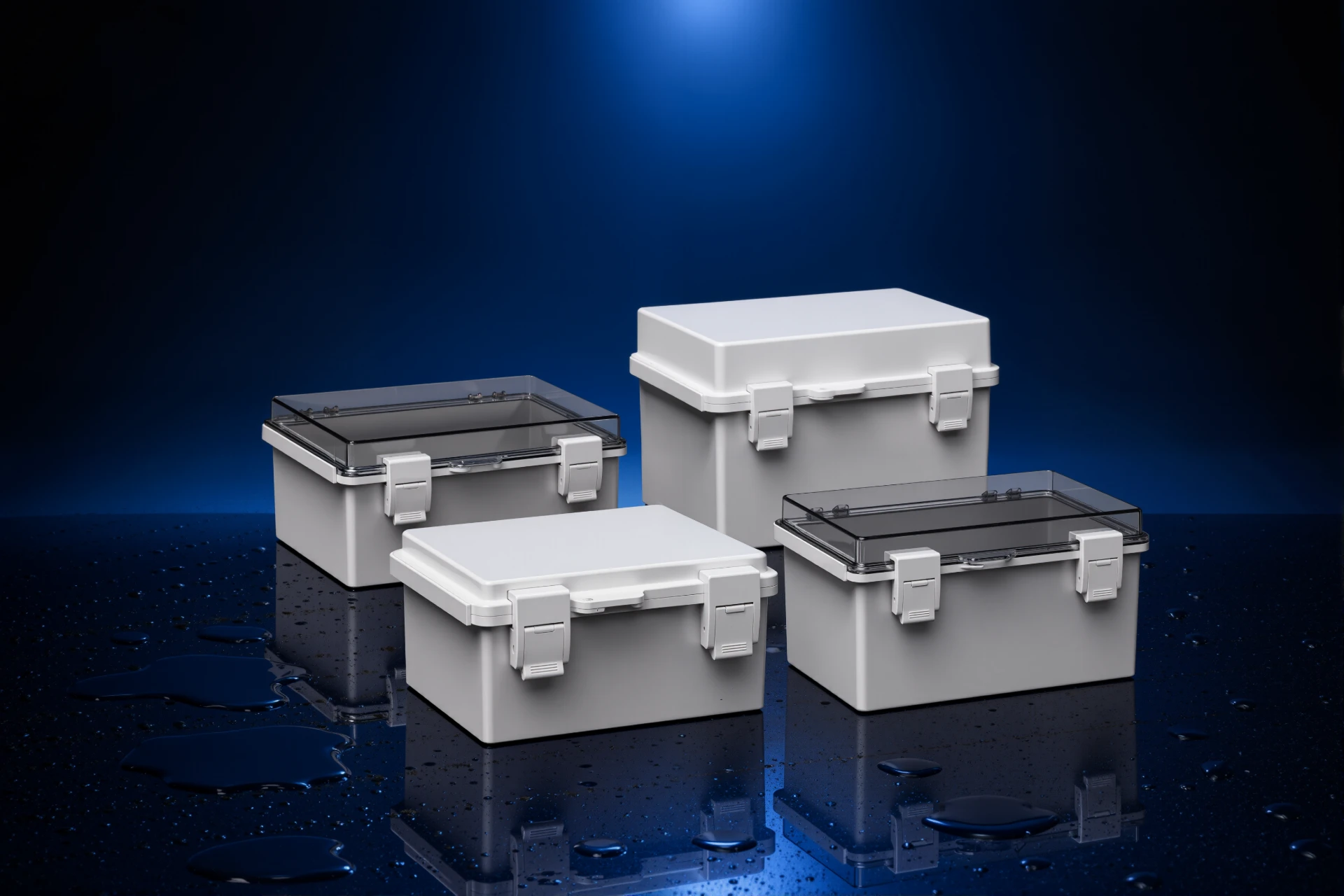
The Plastic Latch waterproof junction box addresses a different requirement: the enclosure needs to remain protected, but technicians also need faster repeated access.
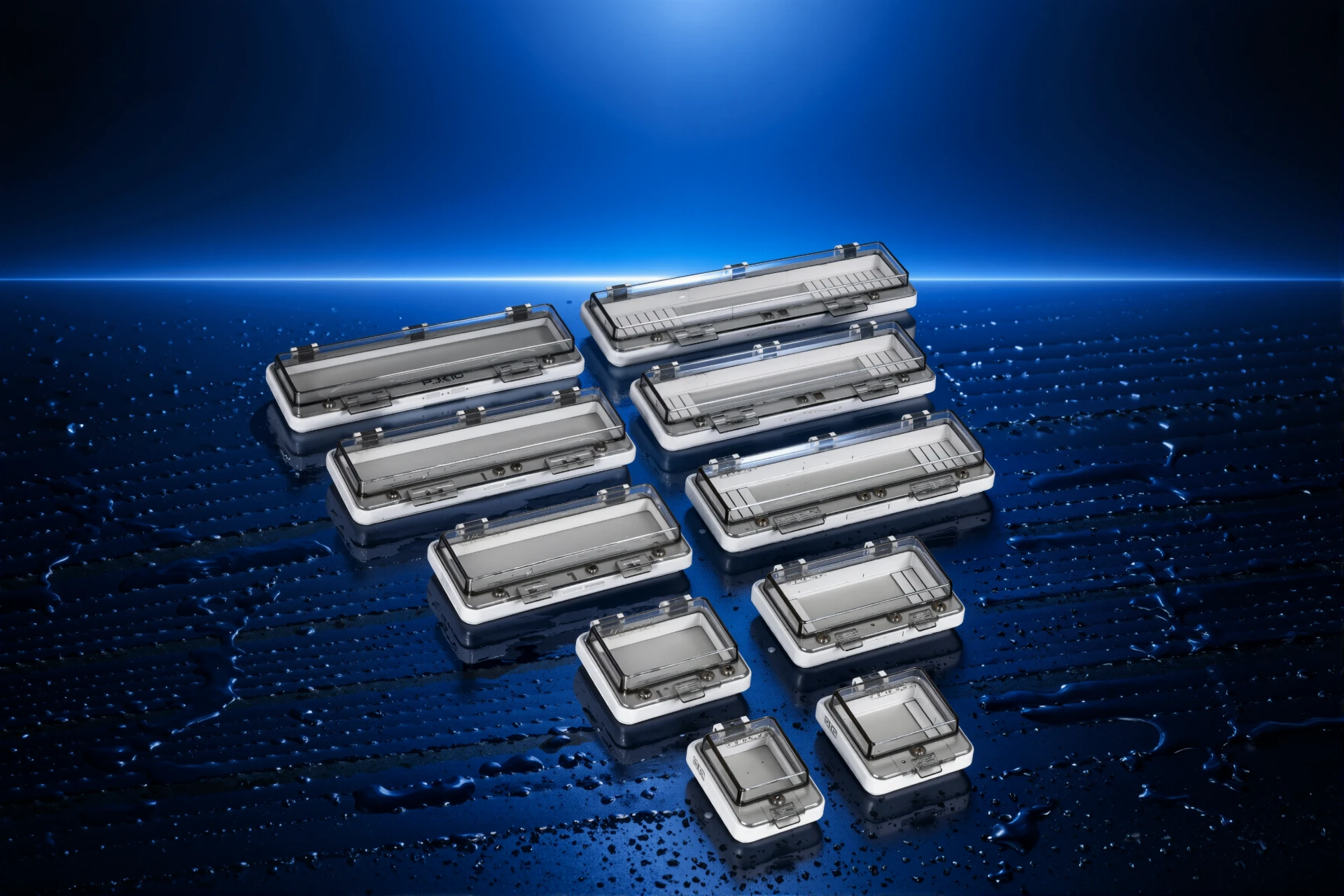
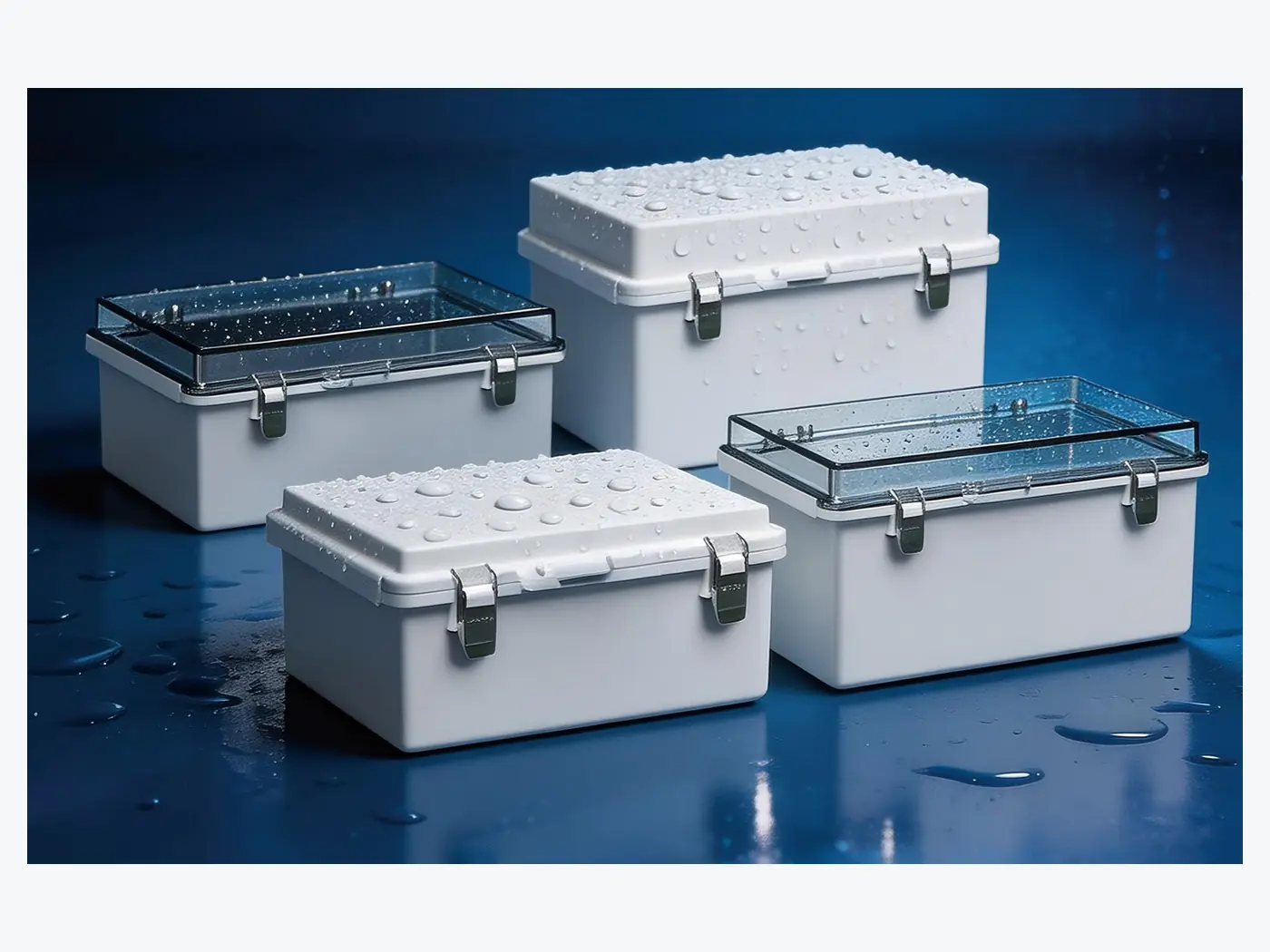
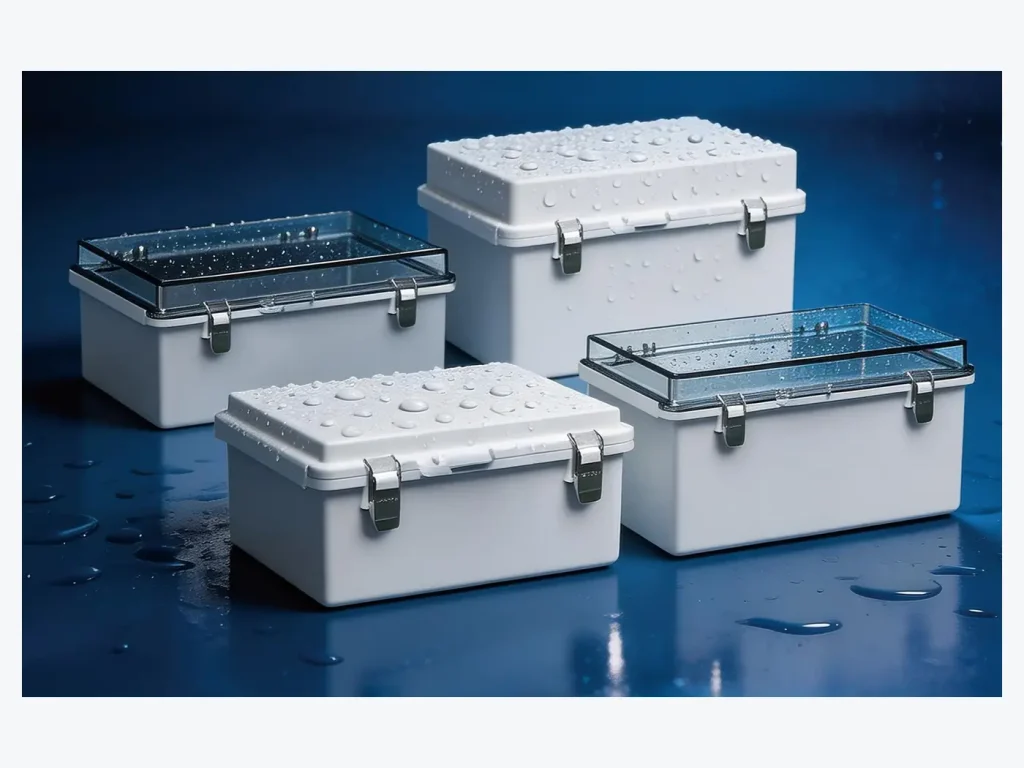
According to the current BOWO product range, the Plastic Latch Series uses an ABS enclosure with IP67 and IK08 specifications, CE and RoHS information, gray or transparent cover options, custom opening support and eleven standard enclosure sizes.
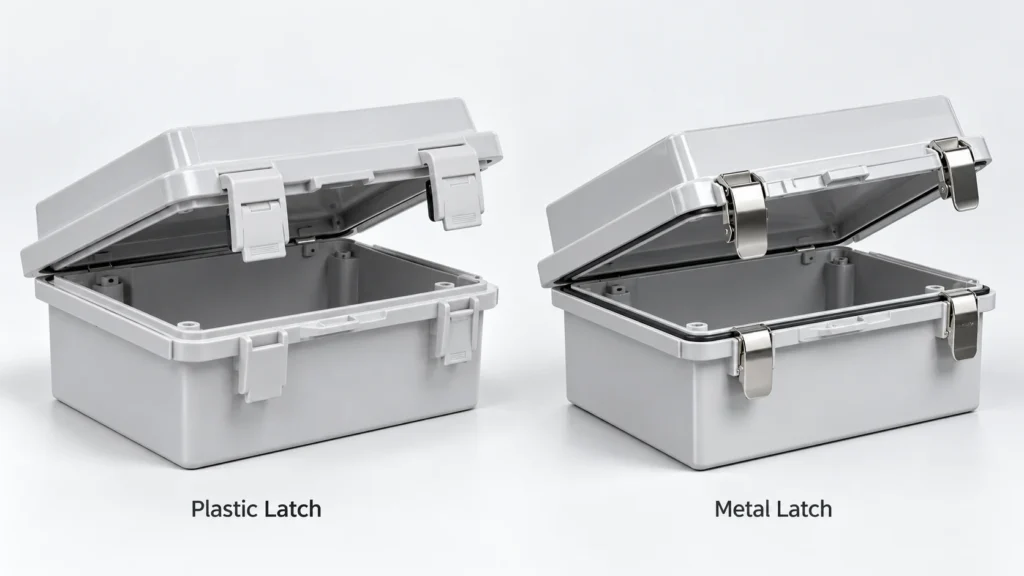
The important design difference is the latch closure. The cover can be opened without removing multiple screws each time.
That makes this series particularly relevant when the enclosure contains wiring or components that may need access throughout the equipment's service life, such as:
- terminal connections that are checked during commissioning;
- field wiring that may be changed when equipment is installed;
- components requiring periodic inspection;
- equipment configurations that may be adjusted after delivery;
- OEM machines where maintenance access is part of the service procedure.
In these cases, the value of an IP67 waterproof junction box is not just the higher protection designation. The latch structure can also reduce the time required to reach the internal wiring.
Do Not Select Plastic Latch Only Because It Is IP67
An IP67 rating alone is not enough reason to replace a screw-fixed enclosure with a latch design.
If the box will be wired once and remain closed for years, the faster opening mechanism may provide little practical benefit. In that case, the enclosure size, internal layout, mounting method and opening arrangement may be more important than the latch itself.
This is why our selection normally starts with the equipment architecture rather than comparing IP numbers in isolation.
Metal Latch Series: The Body Is Still ABS
The Metal Latch Series requires especially clear terminology because the word “metal” refers to the latch mechanism, not to the enclosure body.
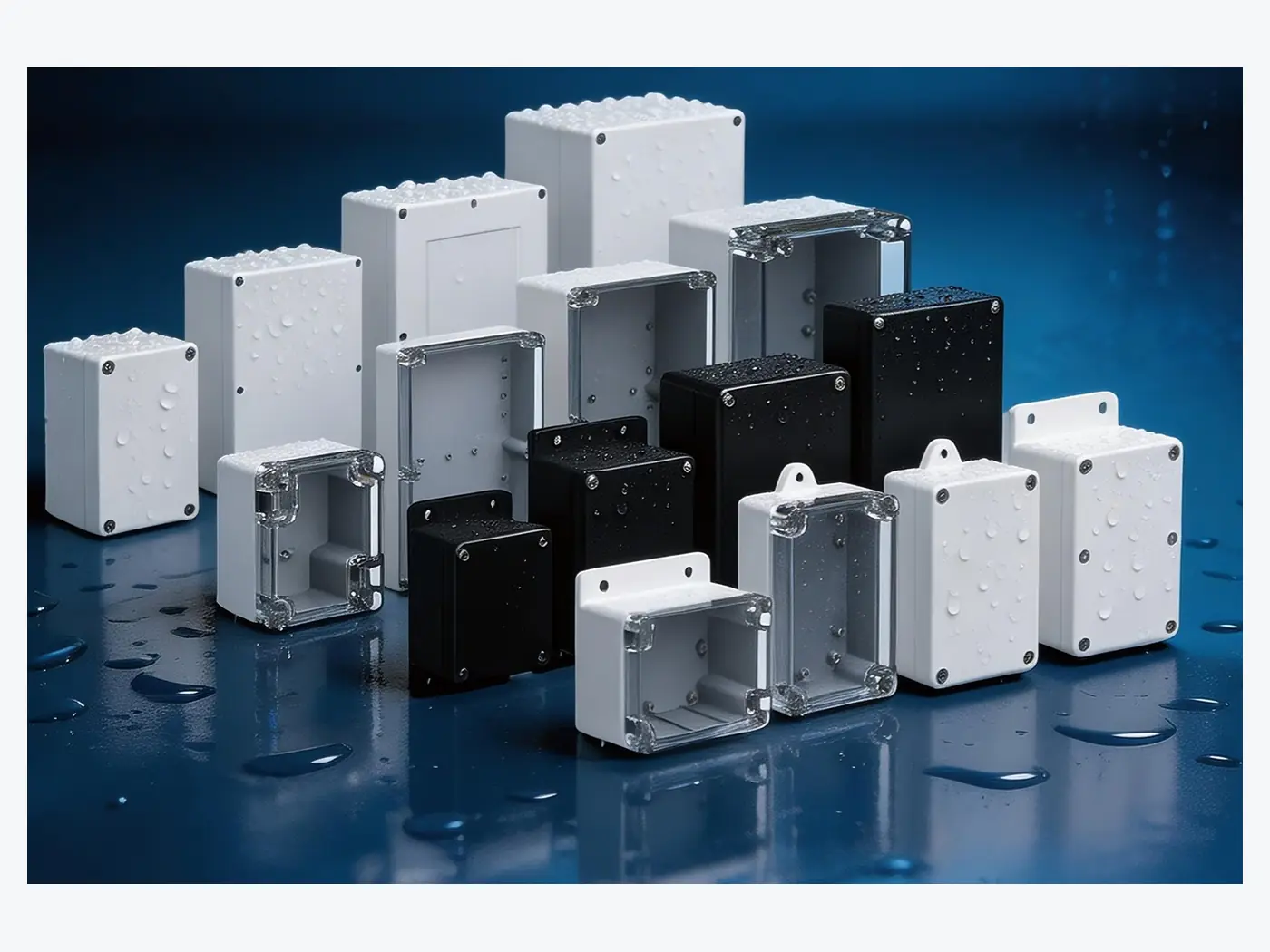
BOWO's metal latch enclosure range uses an ABS enclosure body with metal latch closures. It should therefore not be specified or marketed as a metal junction box.
From a project perspective, this series is relevant when the equipment requires a hinged or latch-style waterproof electrical enclosure with repeated opening access and the project specification favors metal latch hardware.
The practical distinction from the Plastic Latch Series is therefore not “plastic box versus metal box.” Both are plastic electrical enclosures. The difference is the closure hardware and how that closure fits the equipment's maintenance and handling requirements.
Plastic Latch or Metal Latch: Which One Should You Specify?
We would not select between these two series using a generic statement such as “metal is stronger” or “plastic is more economical.” Those conclusions require product-specific mechanical test data and project conditions.
A more useful comparison is:
| Requirement | More Relevant Option |
|---|---|
| Need IP67 ABS enclosure with quick repeated access | Plastic Latch Series |
| Project specifically requires metal latch closure | Metal Latch Series |
| Transparent cover required | Check the available configuration in the selected series |
| Custom cable entry required | Select by available wall area and internal layout, not latch type alone |
| Enclosure rarely opened | Consider F Series first |
| Maintenance access is frequent | Plastic Latch or Metal Latch Series |
The closure method should support the way the equipment is actually maintained. It should not become a cosmetic specification copied from an earlier machine design.
Internal Layout Can Matter More Than Closure Type
One of the most common mistakes in enclosure selection is comparing only external dimensions.
The selected waterproof electrical enclosure still has to accommodate the internal components, cable gland locknuts, conductor bends and working clearance around terminals or connectors.
For this reason, we recommend checking at least four dimensions before finalizing a standard box:
- usable internal length and width after internal features are considered;
- available enclosure depth after the cover and components are installed;
- clearance behind cable glands and connectors;
- access space required for wiring and later maintenance.
A larger enclosure is not automatically the better choice either. Oversizing can consume machine space and change mounting arrangements without solving the actual cable-entry or service problem.
Custom Openings Should Be Reviewed With the Internal Layout
All three enclosure types may be used in projects requiring custom openings, but the opening drawing should not be prepared independently from the internal component layout.
A cable gland opening that appears to fit on the outside wall may interfere internally with a terminal, mounting point or adjacent gland. This is especially important when several cable entries are concentrated on one side of a compact waterproof electrical junction box.
For OEM projects, we prefer to confirm the enclosure size, opening positions and internal arrangement together before repeat production. That reduces the risk of creating an enclosure that can be machined correctly but is difficult to wire consistently.
When None of These Three Enclosures Is the Best Choice
A professional enclosure comparison should also identify when the compared products are not the right solution.
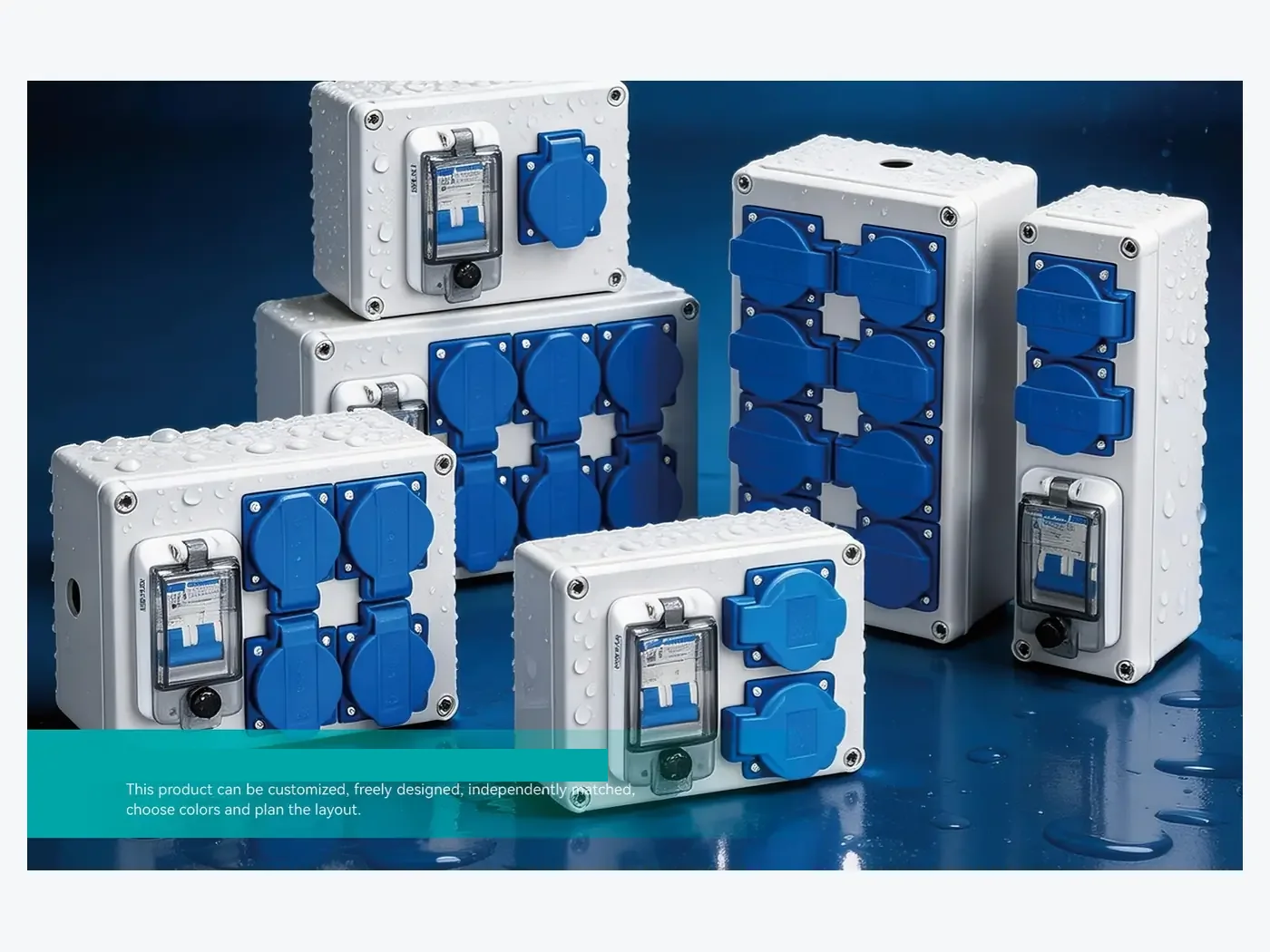
If the project requirement is dominated by DIN rail breakers, structured terminal branching, machine operators or industrial sockets, the closure style should not determine the enclosure selection.
| Main Project Requirement | Better BOWO Product Direction |
|---|---|
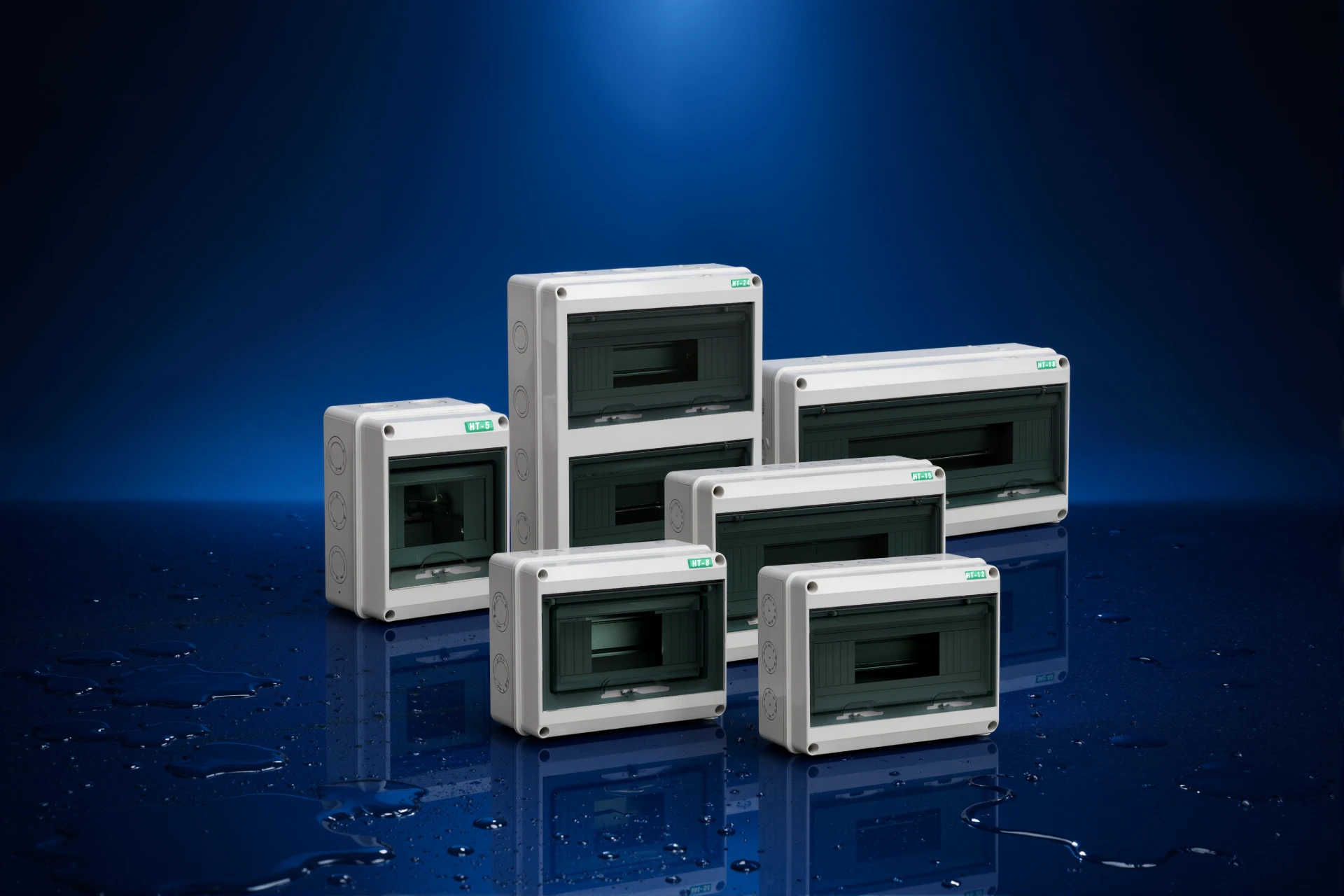
| DIN rail breakers and module layout | HT DIN Rail Distribution Box |
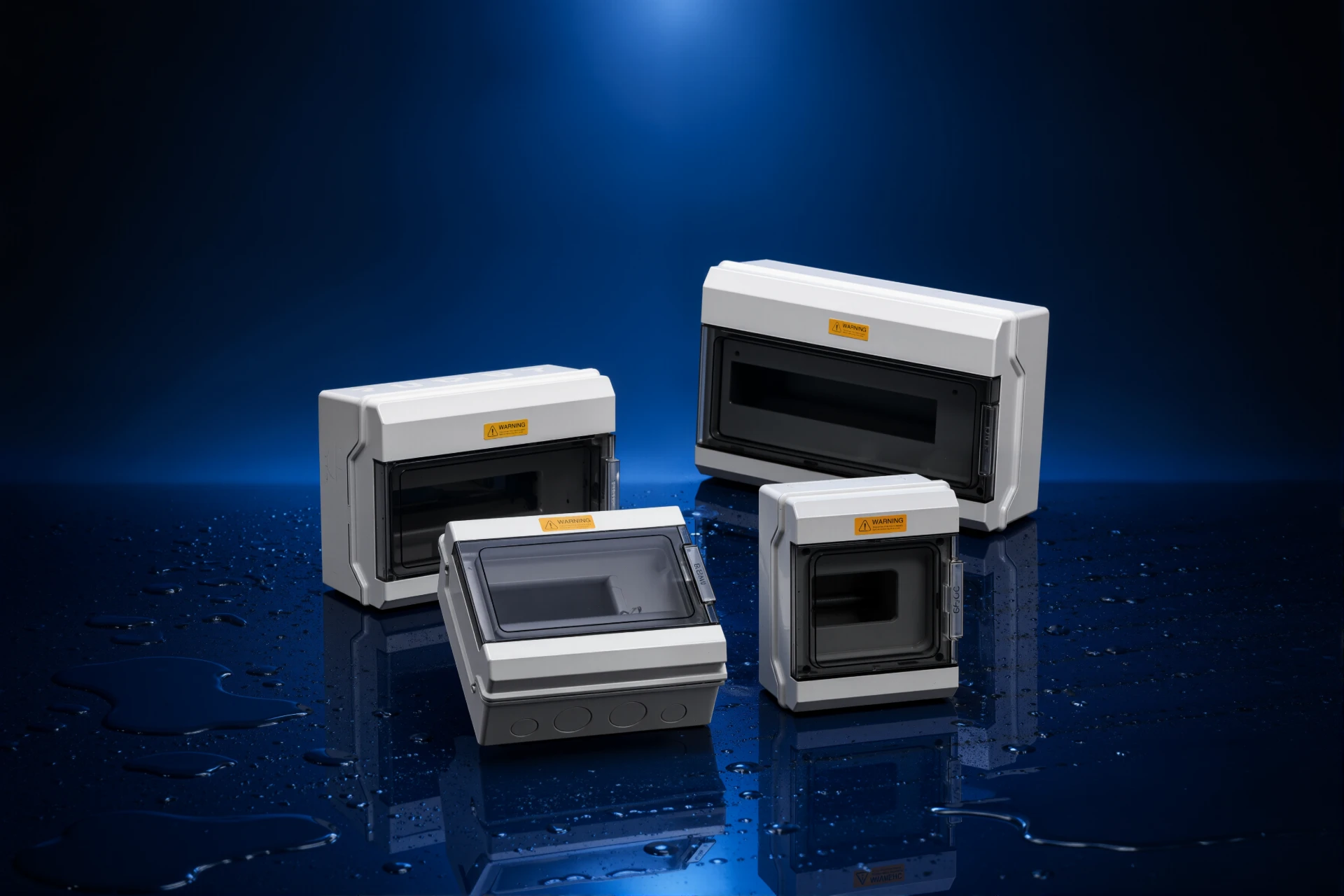
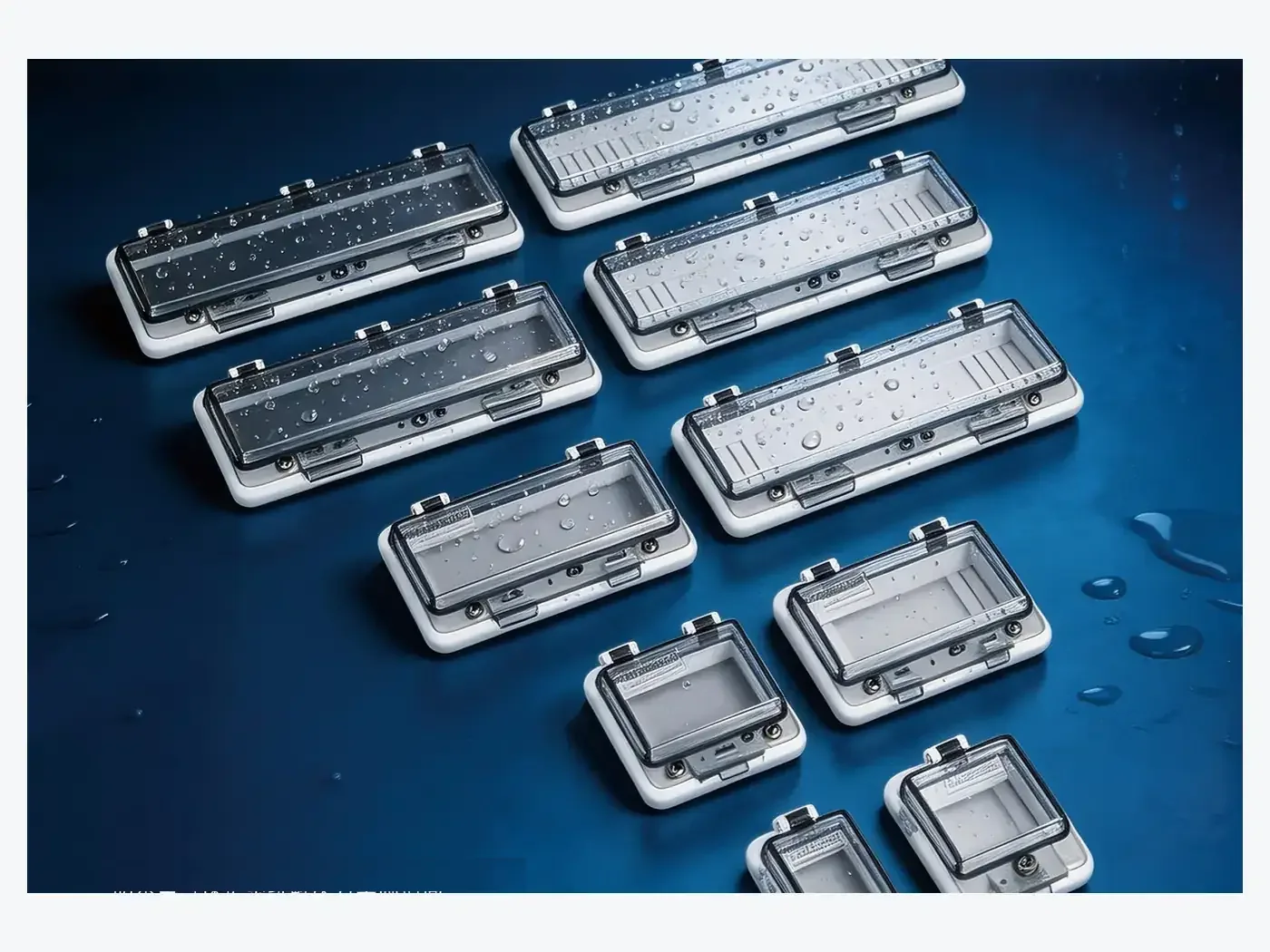
| Protected electrical distribution with transparent inspection | HTC Waterproof Distribution Box |
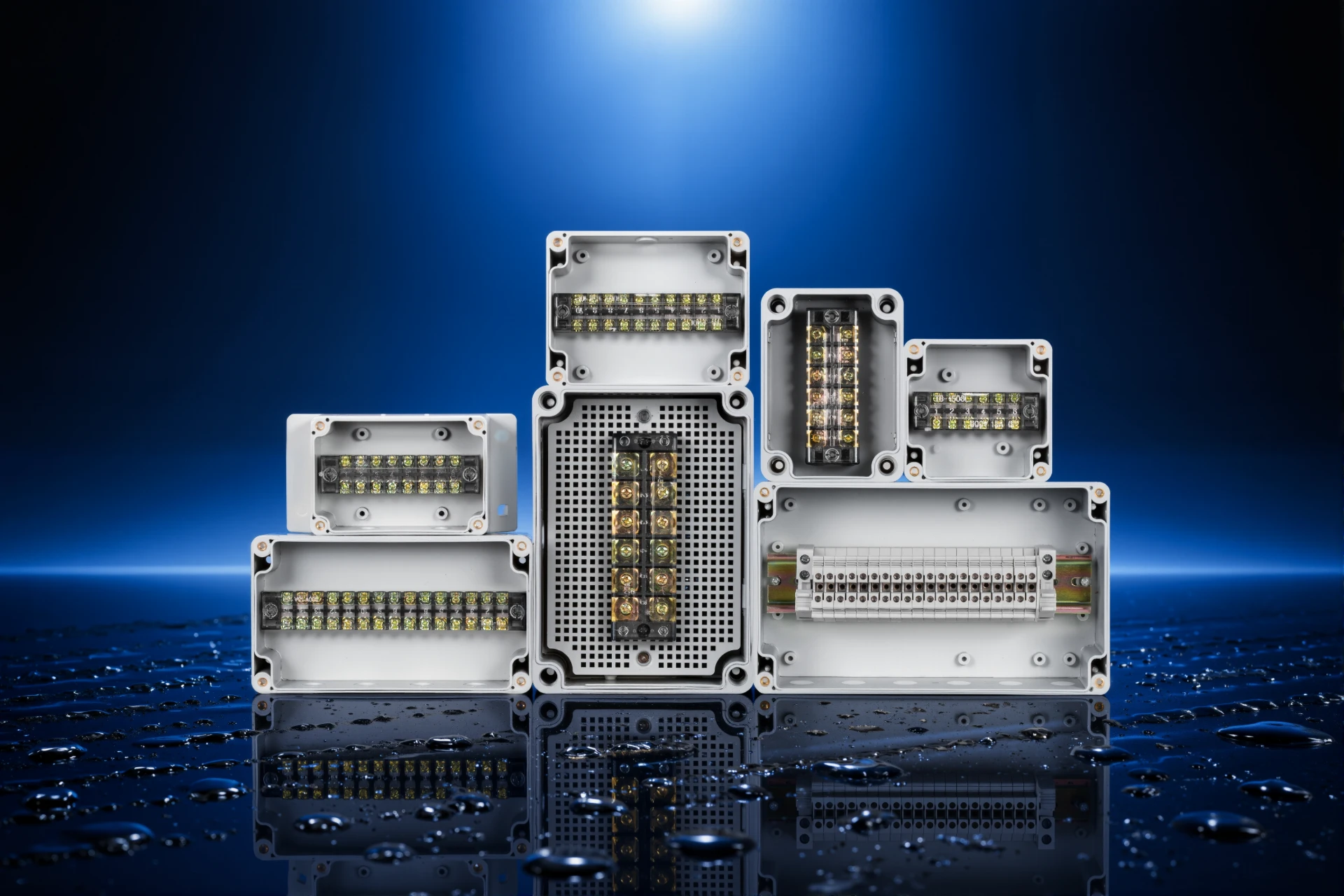
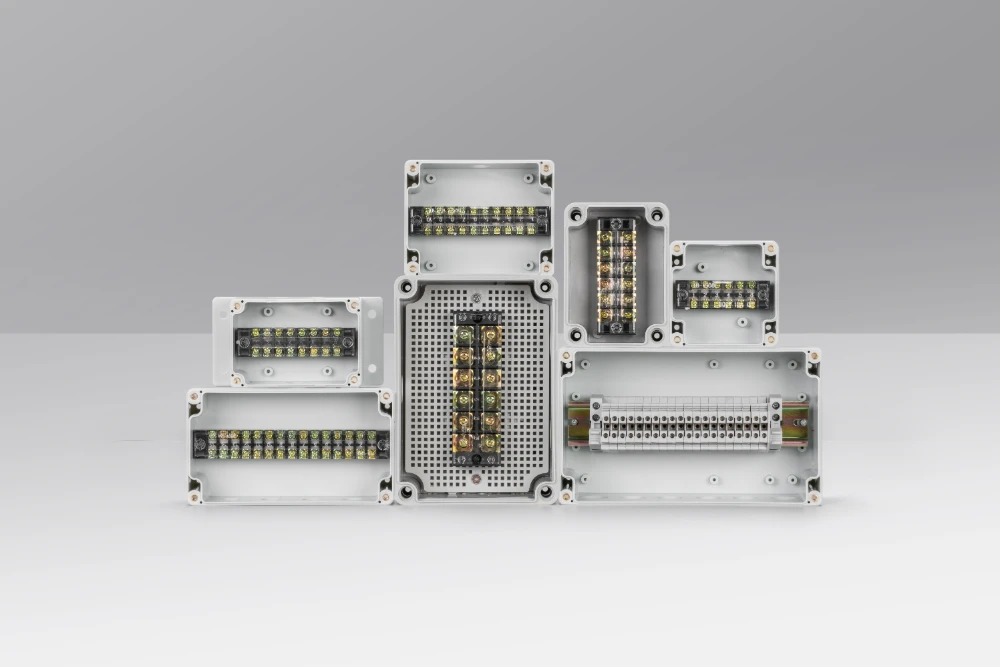
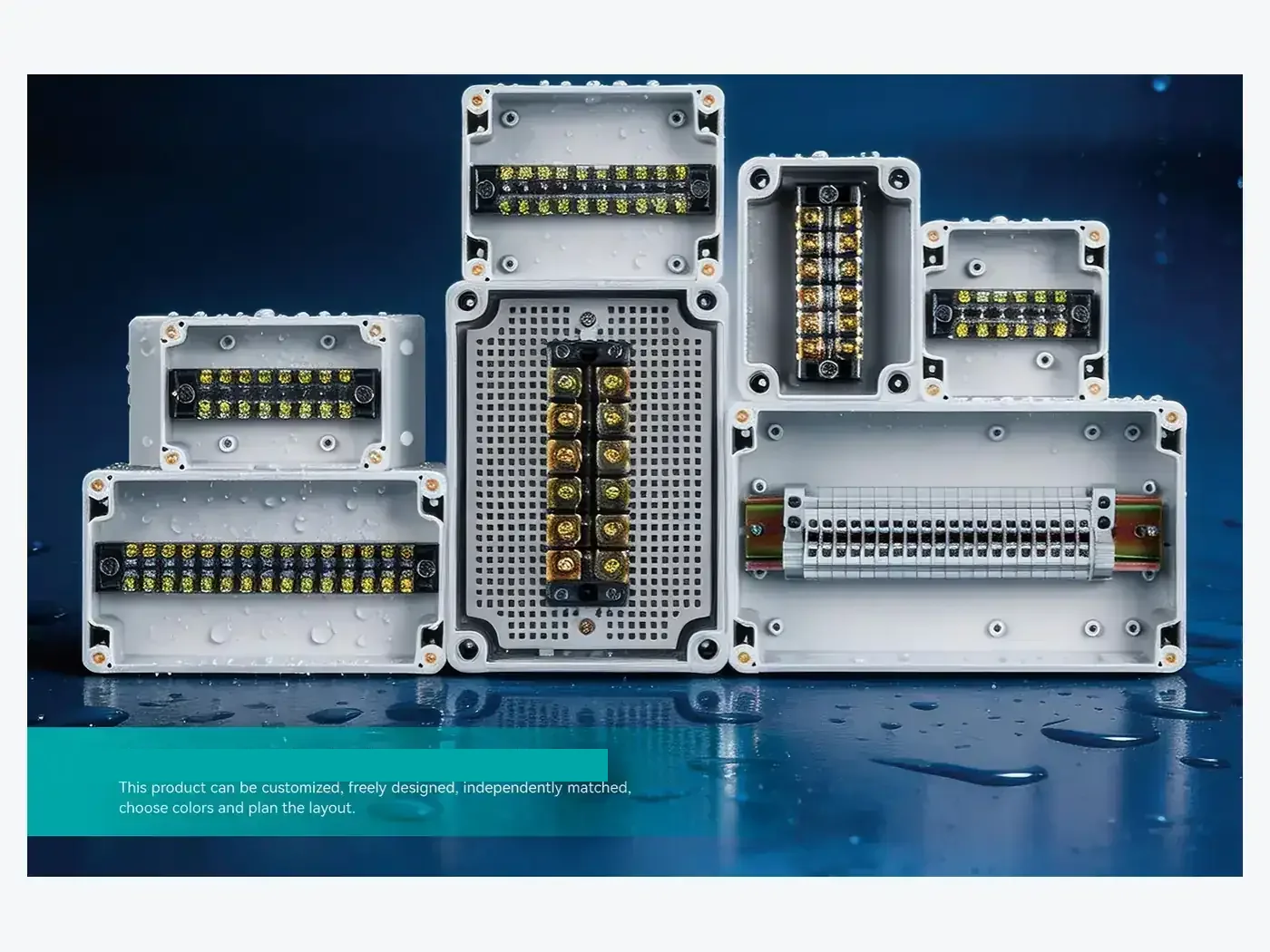
| Multi-branch terminal wiring | Terminal Block Junction Box |
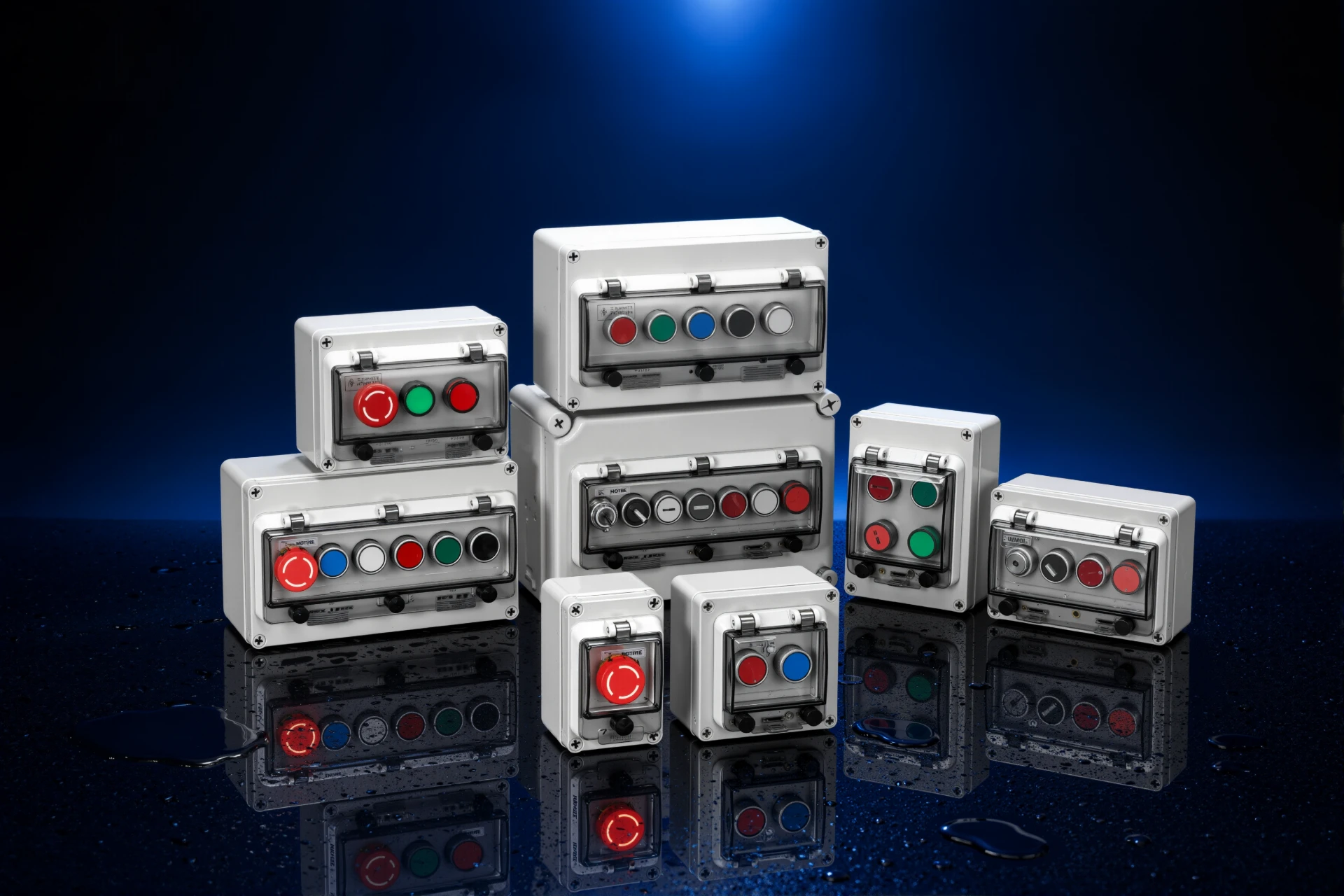
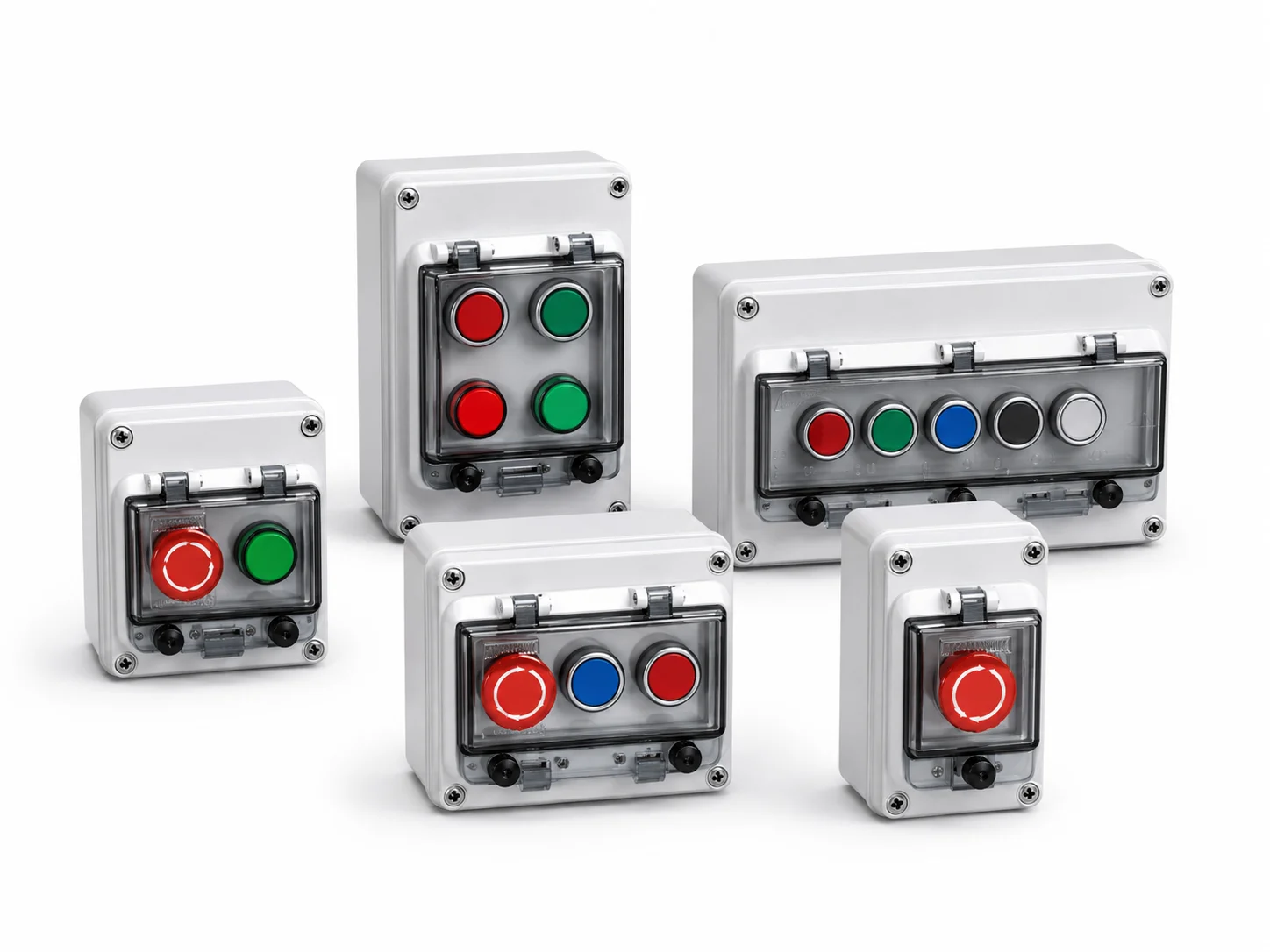
| Start / Stop / Reset / selector / E-stop controls | Push Button Control Station |
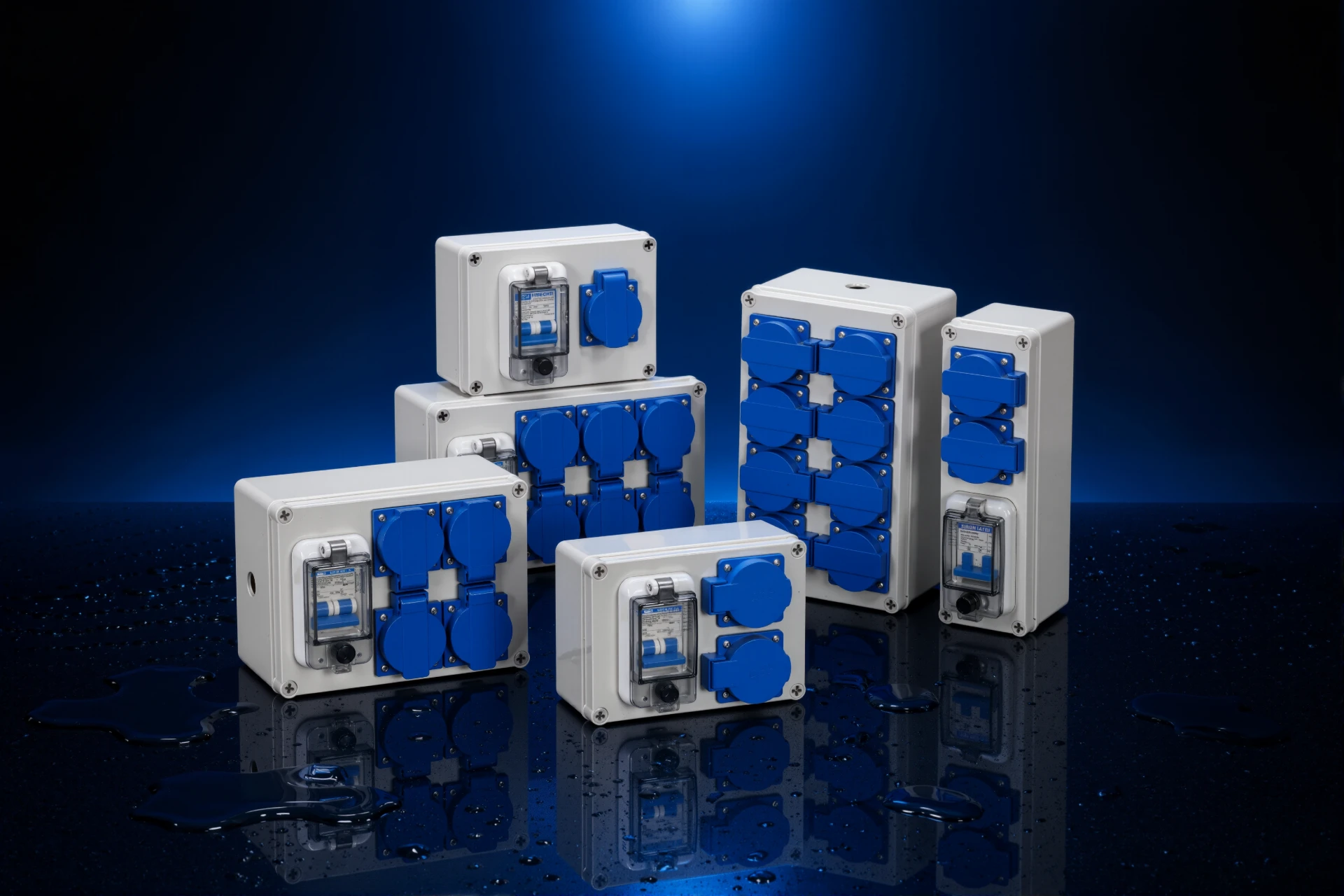
| Industrial socket and power connection layout | Industrial Socket Distribution Box |
For example, once an enclosure is primarily a breaker assembly, it is usually more useful to evaluate a DIN rail distribution box by module count, wiring space and cable-entry direction than to continue comparing screw and latch closures.
The same applies to a multi-branch terminal project. Current rating, incoming and outgoing cable count and conductor arrangement become more important than whether the cover uses screws or latches.
Which Enclosure Would We Specify?
For a machine enclosure that is installed once and rarely reopened, we would normally start with the F Series and confirm whether its available size, internal space and custom opening arrangement fit the project.
For equipment where technicians are expected to reopen the box during commissioning or maintenance, the Plastic Latch Series becomes more relevant, particularly where the verified IP67 configuration matches the project requirement.
If the application also calls for a metal latch closure, we would review the Metal Latch Series while keeping in mind that the enclosure itself remains ABS.
In every case, closure type is only one part of the decision. Internal layout, cable entry, mounting space and future maintenance usually determine whether the enclosure remains practical once it is installed on the equipment.
Information for an Accurate Enclosure Recommendation
For an OEM or industrial equipment project, send the enclosure requirement together with the actual electrical layout rather than only requesting a catalogue size.
- required enclosure size or available installation space;
- internal component dimensions and layout;
- number and location of cable entries;
- cable gland or connector sizes;
- required IP level;
- gray or transparent cover preference;
- expected frequency of enclosure access;
- mounting requirements;
- custom opening drawing, if available;
- order quantity.
With this information, we can determine whether a screw-fixed F Series enclosure, an IP67 Plastic Latch junction box or a Metal Latch enclosure is the better starting point—or whether the project should move to a purpose-built distribution, terminal or control-station enclosure instead.